How to Use Restaurant POS Features to Speed Up Orders and Payments
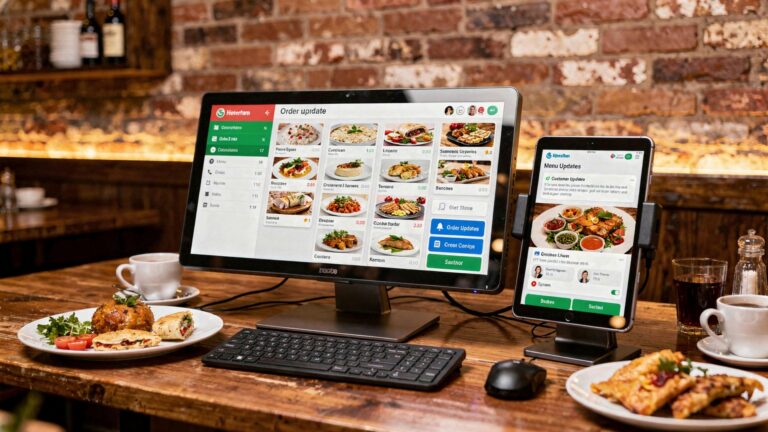
Speed matters when guests expect instant service. modern Restaurant POS features now determine how fast orders reach the kitchen and payments clear the counter. Cloud-based POS systems sync mobile ordering, QR menus. kitchen display screens in real time, cutting ticket times by seconds that add up during peak hours. Features like AI-driven order routing prioritize prep stations automatically, while integrated inventory updates prevent menu delays before they start. On the payment side, tap-to-pay, Apple Pay. digital wallets reduce checkout friction. offline processing ensures transactions continue even during network drops. With recent POS updates focusing on automation, data accuracy. contactless experiences, restaurants can turn technology into a measurable speed advantage that keeps lines moving and customers satisfied.
Understanding Restaurant POS Features and Why They Matter
Restaurant POS features refer to the digital tools built into a point-of-sale system that help restaurants take orders, process payments, manage inventory. review performance. Modern POS systems go far beyond cash registers; they are cloud-based platforms designed to reduce friction across the entire dining experience.
According to the National Restaurant Association, speed of service and payment convenience are among the top factors influencing customer satisfaction and repeat visits. Restaurant POS features directly impact both by minimizing manual steps, reducing errors. enabling staff to focus on guests rather than screens.
In practical terms, a well-configured POS system can shave minutes off each transaction. In high-volume environments, those minutes translate into shorter lines, higher table turnover. increased revenue.
Order Management Features That Reduce Wait Times
Efficient order management is one of the most impactful Restaurant POS features for speeding up service. These tools ensure orders move seamlessly from the customer to the kitchen without delays or miscommunication.
- Tableside Ordering
- Kitchen Display Systems (KDS)
- Order Modifiers and Combos
- Real-Time Order Tracking
Servers use tablets or handheld devices to enter orders directly at the table, eliminating trips back to a terminal.
Orders appear instantly on kitchen screens, prioritized by prep time and order type.
Preconfigured modifiers reduce errors and speed up order entry.
Staff can see order status and avoid unnecessary follow-ups.
In a fast-casual restaurant I consulted for in Austin, switching from printed tickets to a KDS reduced average order preparation time by 18%, according to their internal POS reports.
Self-Service Ordering and Its Impact on Speed
Self-service ordering is increasingly popular among young adults and tech-savvy diners. These Restaurant POS features empower customers to place orders themselves, reducing staff workload and wait times.
- Self-Ordering Kiosks
- QR Code Ordering
- Online and Mobile Ordering
Ideal for quick-service restaurants, kiosks allow customers to browse menus and customize orders.
Customers scan a code, order from their phones. send orders directly to the POS.
Integrated ordering channels prevent double entry and reduce fulfillment delays.
Research from Deloitte’s restaurant industry insights shows self-ordering can improve order accuracy by up to 30% while increasing average order value.
Payment Processing Features That Speed Up Checkout
Payment speed is just as critical as order speed. Modern Restaurant POS features streamline checkout and reduce friction at the end of the meal.
- Contactless Payments
- Split and Partial Payments
- Tableside Payments
- Stored Payment Profiles
NFC-based payments like Apple Pay and Google Pay process in seconds.
Built-in tools allow guests to split bills quickly without manual calculations.
Guests pay at the table, eliminating the back-and-forth of traditional card handling.
Regular customers can check out faster with saved payment details.
Visa’s contactless payment studies indicate tap-to-pay transactions are up to 53% faster than traditional chip-based card payments.
Comparison of Traditional vs Modern POS Capabilities
| Function | Traditional POS | Modern POS with Advanced Features |
|---|---|---|
| Order Entry | Single fixed terminal | Mobile, tableside. self-service |
| Kitchen Communication | Printed tickets | Real-time digital displays |
| Payment Options | Cash and cards | Contactless, mobile wallets, online |
| Speed and Accuracy | Manual and error-prone | Automated and highly accurate |
Menu Optimization Tools That Improve Order Speed
Menu management is often overlooked, yet it is one of the most influential Restaurant POS features for speeding up orders.
- Dynamic Menus
- Menu Engineering Reports
- Visual Menu Layouts
Automatically hide unavailable items to avoid delays.
Identify high-performing items that are quick to prepare.
Clear images and categories help customers decide faster.
Harvard Business Review notes that simplifying menus can reduce decision time and operational complexity, improving overall service speed.
Integrations That Eliminate Bottlenecks
Integrations connect Restaurant POS features with other systems, creating a unified workflow.
- Delivery Platform Integration
- Inventory Sync
- Loyalty and CRM Tools
Orders from Uber Eats or DoorDash flow directly into the POS.
Prevents overselling and last-minute substitutions.
Speed up repeat orders with personalized suggestions.
A regional pizza chain I worked with reduced order entry errors by 40% after integrating third-party delivery apps directly into their POS.
Staff Training and Workflow Automation
Even the best Restaurant POS features require proper training and configuration to deliver speed improvements.
- Role-Based Interfaces
- Automated Prompts
- Performance Dashboards
Simplified screens for servers, cashiers. managers.
Upsell suggestions and modifier prompts reduce hesitation.
Managers can identify slowdowns in real time.
The Cornell University School of Hotel Administration emphasizes that technology adoption paired with staff training leads to measurable gains in service efficiency.
Practical Steps to Implement POS Features for Faster Service
To get the most value from Restaurant POS features, restaurants should take a structured approach:
- Audit current service bottlenecks and map them to POS capabilities.
- Enable only the features that align with your service model.
- Run pilot tests during off-peak hours.
- Gather staff and customer feedback before full rollout.
By focusing on practical use cases rather than adopting every feature at once, restaurants can achieve faster orders and payments without overwhelming their teams.
Conclusion
Speeding up orders and payments with your restaurant POS isn’t about adding more tech, it’s about using the right features with intent. When I first enabled mobile ordering and pre-set modifiers during a busy weekend shift, ticket times dropped instantly and the kitchen stayed calm. Today’s POS platforms, especially those using cloud sync and AI-driven order prediction, make this even easier by reducing human error and anticipating peak demand. Tools like real-time menu updates and integrated payments, now standard in systems such as Toast and Square, remove friction at the counter and at the table, as highlighted in recent POS adoption reports from https://squareup. com/us/en/townsquare/pos-system. To get real results, review one POS feature each week, train staff in short sessions. test changes during off-peak hours. Small adjustments compound quickly. When your team trusts the system, service flows faster, guests notice the difference. revenue follows. Keep optimizing, stay curious. let your POS work as hard as you do.
More Articles
Key Restaurant POS Features Explained
How to Reduce Wait Times in Busy Restaurants
POS Payment Integration Best Practices
Restaurant Technology Trends to Watch
How to Train Staff on New POS Systems

FAQs
How does a restaurant POS help speed up order taking?
A modern POS lets staff enter orders quickly using touch screens, presets. modifiers instead of writing everything down. Orders go straight to the kitchen display or printer, which cuts out back-and-forth trips and reduces mistakes.
Can a POS system really reduce wait times during busy hours?
Yes. Features like table mapping, quick reorders. split checks help servers move faster even when it’s busy. Since orders and payments are processed digitally, staff can serve more tables without slowing things down.
What POS features help speed up payments?
Built-in card readers, contactless payments. mobile pay options make checkout much faster. Customers can tap, insert, or pay at the table, which avoids long lines at the register.
How does sending orders directly to the kitchen help?
When orders go straight from the POS to the kitchen display system, cooks see them instantly. This removes delays caused by handwritten tickets and helps the kitchen prioritize and prepare food faster.
Is a POS useful for handling split bills or group payments?
Definitely. Most POS systems allow easy bill splitting by item, seat, or amount. This saves time at checkout and avoids confusion when groups want to pay separately.
Can mobile POS devices really make a difference on the floor?
Mobile POS devices let servers take orders and payments right at the table. This reduces walking back and forth, speeds up service. helps turn tables faster.
How do saved menus and modifiers speed things up?
Saved menus, combos. common modifiers mean staff don’t have to type everything from scratch. A few taps are enough to customize orders, which keeps lines moving and reduces errors.