
POS System Singapore for F&B and Retail Businesses
Clotouch is a cloud point of sale system for Singapore F&B and retail outlets — PayNow and NETS at the counter, GST-ready invoicing behind the scenes, and GrabFood, Foodpanda and Deliveroo orders on one screen. One dashboard, every outlet, online or off.
What a Singapore POS system needs to do — and what Clotouch does
A point of sale system in Singapore has to clear three hurdles most overseas products miss: the payment methods your customers actually reach for, the tax records IRAS expects, and the delivery apps your kitchen already answers to. Clotouch was built around all three.
PayNow & NETS at the Counter
Accept PayNow QR, NETS and major cards natively, with every transaction reconciled straight into your daily sales report — no separate terminal to cross-check.
GST-Compliant Invoicing Software
Generate GST-compliant tax invoices and receipts automatically, formatted for IRAS record-keeping, so filing season isn't a scramble through paper receipts.
Delivery Platform Sync
Pull in GrabFood, Foodpanda and Deliveroo orders alongside walk-in sales, so your kitchen queue and stock counts stay accurate across every channel — built for cafés and restaurants running multiple order channels at once.
Multi-Outlet Inventory Management
Run one outlet or ten from a single back office. Compare sales by branch, shift stock between locations, and set store-specific pricing — built for Singapore SMEs scaling past their first store.
Offline POS Mode
Keep selling even with no internet connection during peak hawker-centre hours — transactions queue locally on this offline-capable POS system and sync automatically once you're back online.
Real-Time Inventory Alerts
Get notified before you run out of stock, auto-generate supplier orders, and track ingredient or SKU-level usage across every branch.
How much does a POS system cost in Singapore?
Cloud POS software in Singapore typically runs from around SGD 40 to SGD 400 a month, depending on features, number of outlets and payment integrations. The spread is wide because a POS system can mean anything from a single tablet till to a multi-outlet back office with delivery sync and inventory forecasting.
Number of outlets
Most vendors price per till or per store, so opening a second branch roughly doubles the base subscription. Check whether reporting across branches is included or sold as an upgrade.
Payment integrations
PayNow, NETS and card acceptance are bundled by some vendors and charged as add-on modules by others. Clotouch includes PayNow and NETS acceptance with no separate module fee.
Delivery platform sync
GrabFood, Foodpanda and Deliveroo connections are often a separate line item. If you run delivery channels, price this in rather than treating it as an extra.
Hardware
A POS machine, receipt printer and cash drawer are a one-off cost on top of the monthly software fee. A cloud POS will also run on a tablet you already own.
Contract lock-in
Annual contracts and per-module upgrade fees are where a cheap headline price stops being cheap. Ask what changes when you add an outlet or a payment method.
Built for the way Singapore's industries actually operate


Inventory management built into the POS, not bolted on
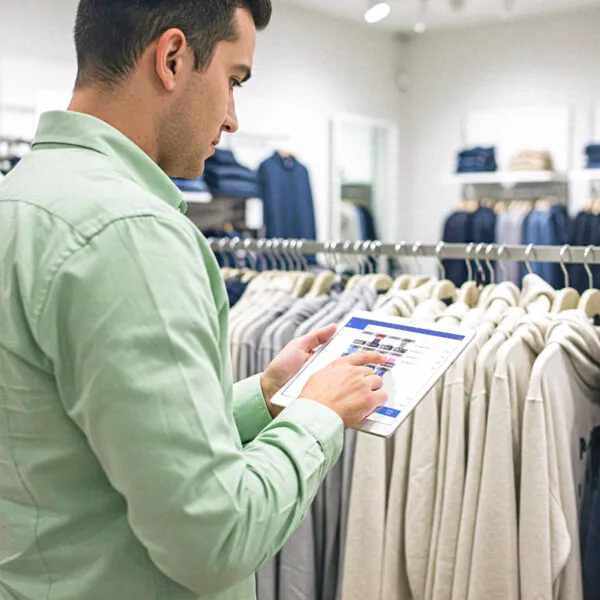
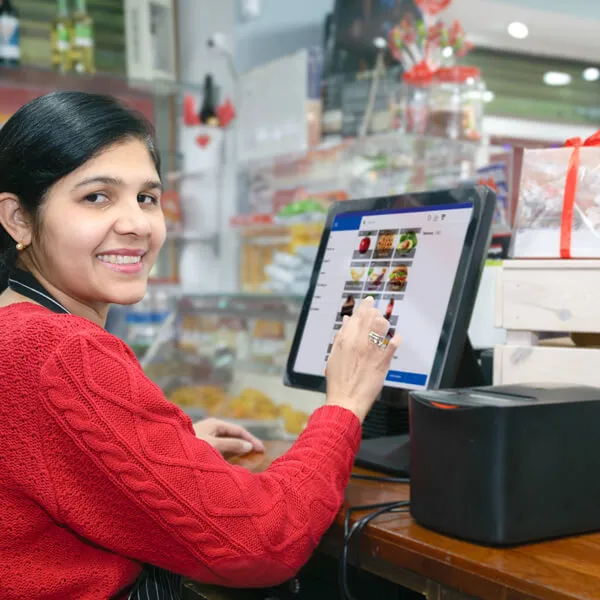
Most Singapore SMEs discover their inventory problem the same way: a supplier order goes in from memory, the stock-take does not match the sales report, and nobody can say which branch lost the margin. A point of sale system that already sees every sale is the cheapest place to fix that, because the data is there before you ask for it.
Live counts across every branch
One back office, one number, whether you run a single till or ten outlets. No spreadsheet reconciliation between locations.
Alerts before the shelf empties
Low-stock warnings fire on real usage, and supplier orders are generated from what actually sold rather than a monthly guess.
Ingredient and SKU-level tracking
An F&B outlet can see which dish is eating the margin, not just which one sells. Retail sees movement down to the individual SKU.
Inter-branch transfers
Stock moved between outlets is recorded at both ends, so the branch that gave stock away is not the one that looks short at close.
Sell-through by branch, shift and staff
Busy and profitable are not the same report. Break the day down by outlet, shift and person to see which is which.
Upgrading from a cash register or an old POS machine?
Plenty of Singapore counters still run a cash register, a standalone card terminal and a notebook. It works, right up until you need last month numbers by branch, a GST record you can actually hand over, or a delivery order that does not have to be keyed in twice.
Cash register or legacy till
Replaced by one POS machine that takes PayNow, NETS and cards, and files the sales record itself as it goes.
Separate payment terminal
Payments reconcile into the same daily sales report. Nothing to cross-check by hand at close.
Manual sales tally
Live reporting by branch, shift and staff member, readable on any device without waiting for the day to end.
Paper receipts in a box
GST-compliant tax invoices formatted for IRAS record-keeping, searchable when you need them.
Delivery orders keyed in twice
GrabFood, Foodpanda and Deliveroo orders land in the same queue as walk-ins, counted against the same stock.
Self-ordering kiosks and QR ordering
Kiosk at the door
A self-ordering kiosk moves the queue off your counter staff and onto the customer, which matters most where Singapore F&B is tightest: lunch-hour hawker centres, food courts and high-footfall cafes.
QR ordering at the table
Same menu, same prices, same stock. Orders land in the same kitchen queue as walk-ins and delivery, so the day closes on one report instead of three.
Funding your POS upgrade in Singapore
Many Singapore SMEs fund POS upgrades through the Productivity Solutions Grant (PSG) under the SMEs Go Digital programme. Eligibility depends on your company's local shareholding and the vendor's pre-approved status — talk to our Singapore team and we'll help you check where Clotouch fits before you commit.
Ask About Funding OptionsTypical setup time from sign-up to your first live sale on Clotouch, including menu or catalogue import.
POS software in Singapore — what business owners ask us
How much does a POS system cost in Singapore?
Cloud POS software in Singapore typically runs from around SGD 40 to SGD 400 a month depending on features, number of outlets and payment integrations. Clotouch pricing scales with the number of outlets and modules you need — get in touch for a quote based on your setup.
What is the best POS system for a small business in Singapore?
For most small Singapore businesses, the best fit is a cloud-based POS that supports PayNow and NETS, keeps working offline during connectivity drops, and doesn't lock you into expensive add-on modules. Clotouch is built around exactly that combination for hawker stalls, cafés, boutiques and salons.
Do hawker stalls need a POS system in Singapore?
It isn't a legal requirement, but most stalls now run one to accept PayNow and card payments, track daily sales without manual tallying, and keep clean records for GST or income reporting. A lightweight, offline-capable POS is built for exactly this kind of high-volume counter.
Is PayNow available on POS systems in Singapore?
Yes — most modern cloud POS systems in Singapore, including Clotouch, accept PayNow QR alongside NETS and card payments, with every transaction reconciled automatically into your daily sales report.
How do I choose a POS system in Singapore?
Start with the payment methods your customers actually use — PayNow, NETS, cards — then check for GST-ready invoicing, offline mode, and delivery-platform sync if you're in F&B. Multi-outlet businesses should also confirm centralised reporting across branches before committing.
Can I get a government grant for a POS system in Singapore?
Some Singapore SMEs may qualify for funding support such as the Productivity Solutions Grant (PSG) toward digitalisation costs, subject to vendor pre-approval status and company eligibility criteria. Check current requirements on the GoBusiness portal, or ask our team what applies to your business.
What is the difference between a POS system and a POS machine?
A POS machine is the hardware at the counter — the terminal, the receipt printer, the cash drawer. A POS system is the software running on it, plus the back office behind it: your menu or catalogue, stock, staff, reports and tax records. You can change the hardware without changing the system, and a cloud POS system will run on a tablet as readily as on a dedicated terminal.
Does a POS system work without internet in Singapore?
A cloud POS system should keep selling through a dropped connection, not stop at it. Clotouch queues transactions locally in offline mode and syncs them automatically once the connection returns, so a lunch rush is never held up by the network.
How long does it take to set up a POS system?
Typical time from sign-up to first live sale on Clotouch is under a day, including menu or catalogue import. Multi-outlet rollouts take longer depending on how many locations go live at once.
Book a free walkthrough of Clotouch POS
Roryx Technologies Pte Ltd
Prefer to see it live? Ask about an on-site demo at your outlet, or a screen-share walkthrough of Back Office and reporting.