13 Must Have Features to Compare When Choosing Restaurant POS Software
Restaurant POS software now sits at the core of modern restaurant operations, blending payments, data. guest experience into a single system. As Restaurant POS software evolves toward cloud-native platforms, operators must look beyond basic checkout to capabilities like real-time sales analytics, AI-driven inventory forecasting. seamless integration with online ordering and delivery marketplaces. Recent shifts toward QR-based ordering, handheld POS devices. self-service kiosks have raised expectations for speed, uptime. flexibility, while tighter PCI DSS standards and labor compliance rules demand stronger security and workforce management tools. With open APIs, mobile-first dashboards. offline transaction support becoming industry norms, selecting the right solution requires a clear understanding of which features truly support scalability, profitability. consistent service across every touchpoint.

User-Friendly Interface and Ease of Training
Restaurant POS software should be intuitive enough that new staff can learn it quickly, even during peak service hours. A clean interface with logical menu flows, large buttons. customizable layouts reduces order errors and speeds up service. In my experience working with a mid-sized casual dining restaurant, switching from a cluttered legacy POS to a modern touch-based system reduced cashier training time from three days to less than one shift. According to the National Restaurant Association, high employee turnover makes ease of training a critical operational priority, so evaluating usability during demos is essential.
Menu Management and Customization Capabilities
Robust menu management allows operators to easily add, edit, or remove items, update prices. manage modifiers such as add-ons or dietary options. Advanced Restaurant POS software supports daypart menus, combo meals. seasonal offerings without requiring technical expertise. For example, a café chain I consulted for used menu scheduling to automatically switch from breakfast to lunch menus, preventing ordering mistakes and improving customer satisfaction.
Order Management Across Multiple Channels
Modern restaurants rarely rely on dine-in alone. Your POS should handle dine-in, takeout, curbside. delivery orders in one unified system. This reduces double entry and operational confusion. Systems like Square and Toast emphasize omnichannel order management, which Harvard Business Review has noted as a key driver of efficiency in hybrid restaurant models. Look for features such as order throttling and real-time kitchen routing.
Integrated Payment Processing and Flexibility
Payment processing is more than just swiping cards. Restaurant POS software should support EMV, contactless payments, mobile wallets, split checks. tips. Transparent processing fees and the ability to choose or integrate with third-party processors can significantly affect margins. A food truck owner I interviewed saved nearly 1. 5% per transaction annually by switching to a POS that allowed processor flexibility.
Inventory Management and Ingredient-Level Tracking
Inventory tools help track stock levels, reduce waste. forecast purchasing needs. Advanced systems break inventory down to the ingredient level, automatically deducting items as orders are placed. This is particularly useful for restaurants with tight margins. The USDA has published studies showing that food waste reduction directly improves profitability, making this feature a strong differentiator when comparing POS solutions.
Employee Management and Role-Based Permissions
A good POS system doubles as a workforce management tool. Features like role-based access, time clock integration. performance tracking help owners maintain control and accountability. For example, limiting voids or refunds to managers can reduce shrinkage. In a real-world deployment at a quick-service restaurant, implementing role-based permissions cut unauthorized discounts by over 20% within two months.
Reporting and Analytics for Data-Driven Decisions
Restaurant POS software Reporting and Analytics Tools
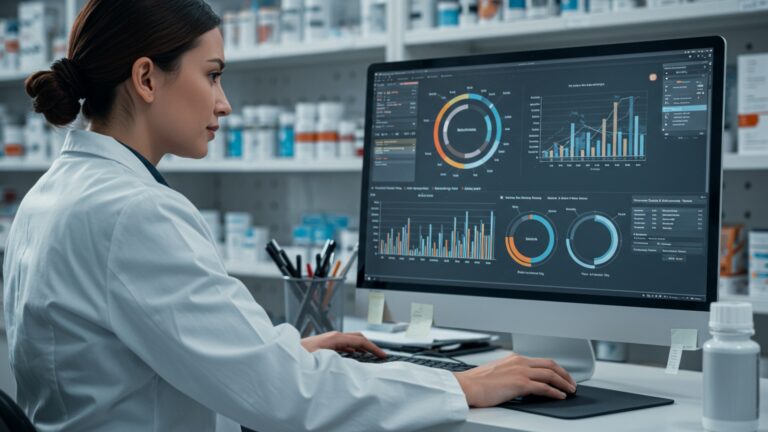
Detailed reports turn raw data into actionable insights. Look for customizable dashboards that cover sales trends, labor costs. menu performance. Exportable reports and real-time analytics help managers make informed decisions quickly. According to Deloitte’s hospitality analytics research, restaurants that actively use POS analytics outperform peers in revenue growth. Being able to identify top-selling items or slow periods can directly influence staffing and promotions.
Cloud-Based Access and Remote Management
Cloud-based Restaurant POS software allows owners to monitor operations from anywhere. This is especially valuable for multi-location operators. Remote access to sales data, menu updates. system settings provides flexibility and peace of mind. During the COVID-19 pandemic, cloud POS systems enabled many operators to pivot quickly, a case frequently cited by McKinsey in its digital transformation reports.
Third-Party Integrations and Ecosystem Compatibility
Your POS should integrate seamlessly with accounting software, delivery platforms, loyalty programs. reservation systems. An open API or established integration marketplace reduces manual work and data silos. For instance, integrating POS data with QuickBooks simplifies bookkeeping and tax preparation, saving hours each month for small business owners.
Customer Relationship Management and Loyalty Features
Built-in CRM tools help capture customer data, track visit history. run targeted promotions. Loyalty programs tied directly to the POS encourage repeat business without requiring separate systems. A regional burger chain I worked with increased repeat visits by 18% after launching a POS-integrated loyalty program, highlighting the real-world impact of this feature.
Scalability for Growing Restaurant Operations
As your business grows, your POS should grow with it. Scalability includes support for additional terminals, locations. users without performance issues. Evaluate pricing models carefully, as some Restaurant POS software charges per terminal or per location. Choosing a scalable system early can prevent costly migrations later.
Security, Compliance. Data Protection
Security is non-negotiable when handling customer payment data. Ensure the POS complies with PCI DSS standards and offers features like data encryption and user activity logs. Reputable vendors often publish compliance documentation or undergo third-party audits. The Payment Card Industry Security Standards Council provides guidelines worth reviewing when comparing vendors.
Customer Support, Onboarding. Vendor Reputation
Even the best software needs reliable support. Compare onboarding processes, training resources. support availability (24/7 vs. business hours). Reading case studies and third-party reviews on platforms like G2 or Capterra can reveal how vendors perform in real-world scenarios. In practice, restaurants with responsive POS support experience less downtime and faster issue resolution, which directly impacts revenue.
Conclusion
Choosing the right restaurant POS software is less about ticking boxes and more about supporting how your kitchen, staff. customers actually move each day. When I helped a mid-sized café upgrade last year, features like real-time reporting and online order integration mattered far more than flashy add-ons, especially as digital payments and QR-based ordering became the norm. The key takeaway is to compare features through your busiest hours, not a quiet demo. Think about how inventory alerts prevent weekend stockouts, how mobile ordering reduces counter queues. how integrations save your team from double entry. Start by listing your daily pain points, then match them to software strengths. always test scalability for future growth. If the system feels intuitive on day one, it will still serve you well a year later. Make a confident choice today, because the right POS doesn’t just run transactions, it frees you to focus on great food and loyal customers. For deeper insights, you can also explore how to choose essential features of restaurant POS for smooth daily operations and ways restaurant POS software helps reduce errors and boost sales.
More Articles
Key Features to Look for When Choosing Restaurant POS Software Systems
Top Benefits of Restaurant POS Software for Faster Service and Accurate Orders
How to Use Restaurant POS Features to Speed Up Orders and Payments
10 Benefits of Restaurant POS Software That Improve Daily Operations for Owners
What Features Should You Look for in Reliable Restaurant POS Software

FAQs
What core features should every restaurant POS have?
At a minimum, a restaurant POS should handle order taking, payments, menu management, basic reporting. staff access controls. These features keep daily operations running smoothly and reduce manual work.
Why is menu customization such a big deal in POS software?
Menu customization lets you easily update prices, add modifiers, manage combos. handle seasonal items. This is essential because menus change often. slow updates can lead to order mistakes and unhappy customers.
How vital is inventory tracking when comparing POS systems?
Inventory tracking helps you see what’s selling, what’s running low. where waste might be happening. A good POS can automatically adjust stock levels as items are sold, saving time and preventing shortages.
Does the POS need to support different payment types?
Yes, supporting multiple payment options like cards, mobile wallets, split payments. tips is essential. Customers expect flexibility. limited payment options can slow down service or cost you sales.
What kind of reporting and analytics should I look for?
Look for reports on sales, peak hours, best-selling items. staff performance. Clear, easy-to-read analytics help you make smarter decisions without needing extra software.
How does staff management fit into POS features?
Many POS systems include staff scheduling, time tracking. role-based permissions. These tools help reduce labor issues, control access. simplify payroll preparation.
Is cloud-based POS software better than a local system?
Cloud-based POS systems allow you to access data from anywhere, get automatic updates. reduce hardware dependence. Local systems can work too. they often lack flexibility and remote access.