7 Ways Restaurant POS Software Boosts Your Customer Service
In today’s competitive dining landscape, customer service extends far beyond a friendly smile, demanding efficiency, personalization. seamless interactions from order to payment. Modern diners expect quick, accurate service, whether they are scanning a QR code menu or splitting a complex bill. Restaurant POS software has evolved from a simple cash register to a sophisticated operational hub, directly influencing guest satisfaction. It enables everything from rapid, error-free order entry and real-time inventory updates that prevent menu disappointments, to integrated loyalty programs and swift contactless payment options. Beyond mere transactions, this technology empowers staff with crucial insights, transforming every customer touchpoint into an opportunity for exceptional service.
1. Streamlined Order Taking and Unparalleled Accuracy
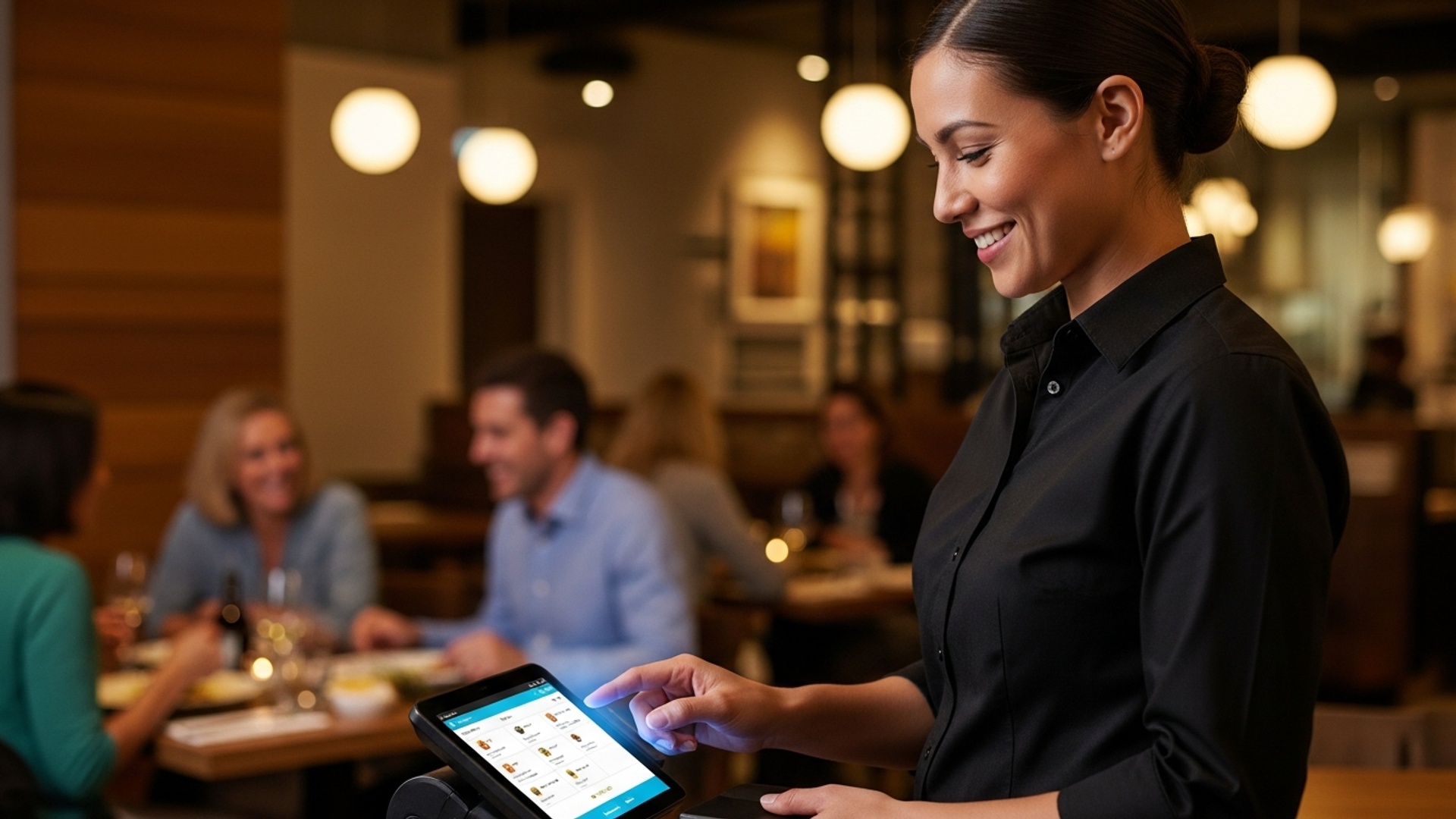
One of the most immediate and impactful ways Restaurant POS software revolutionizes customer service is by optimizing the order-taking process. Gone are the days of handwritten tickets, potential misinterpretations. delays caused by servers running back and forth to the kitchen. Modern POS systems empower staff to take orders digitally, often directly at the table using handheld devices or tablets.
Consider the scenario at a busy lunch rush: a server takes an order on a tablet. the details – from a well-done steak to a specific allergy request – are instantly transmitted to the kitchen display system (KDS). This eliminates common errors that lead to customer frustration, such as incorrect dishes, forgotten modifications, or delayed meals. For instance, a diner with a gluten allergy can rest assured their request is clearly communicated and tracked, significantly enhancing their dining safety and experience. This efficiency directly translates to:
- Reduced Wait Times
- Minimized Errors
- Improved Communication
Orders reach the kitchen faster, leading to quicker preparation and delivery to the table.
Digital input reduces human error, ensuring customers receive exactly what they ordered.
Clear, digital communication between front-of-house and back-of-house staff prevents misunderstandings.
This level of precision not only speeds up service but also builds customer trust, knowing their specific needs are being met with meticulous care.
2. Personalized Dining Experiences and Loyalty Programs
In today’s competitive culinary landscape, personalization is key to fostering loyalty. Restaurant POS software acts as a powerful tool for creating tailored experiences that make customers feel valued. Advanced POS systems can store detailed customer profiles, including their past orders, dietary preferences, favorite dishes. even special occasions like birthdays or anniversaries.
Imagine a regular customer walking into their favorite café. With a quick glance at their POS profile, the barista can greet them by name and ask if they’d like “the usual” – their preferred latte with almond milk. This small gesture creates a memorable moment, transforming a transactional exchange into a personal connection. Moreover, these systems are integral to managing loyalty programs, allowing restaurants to:
- Track Customer Preferences
- Offer Targeted Promotions
- Automate Loyalty Rewards
Record previous orders and notes to anticipate needs.
Send personalized discounts or special offers based on dining history.
Automatically apply points, discounts, or free items for repeat business, encouraging return visits.
A study by Accenture found that 91% of consumers are more likely to shop with brands that provide relevant offers and recommendations. By leveraging data from Restaurant POS software, establishments can move beyond generic service to deliver truly individualized attention, turning first-time guests into lifelong patrons.
3. Seamless and Transparent Billing & Payments
The payment process is often the final interaction a customer has. a smooth, transparent experience can leave a lasting positive impression. Clunky, slow, or confusing billing can undo all the good work done earlier in the meal. Restaurant POS software modernizes this crucial step by offering speed, accuracy. flexibility.
With a modern POS, servers can generate bills instantly, itemizing every charge clearly. The ability to split bills easily among multiple diners – whether by item, evenly, or by specific amounts – is a game-changer for groups, eliminating awkward calculations and potential disputes. Moreover, these systems support a wide array of payment methods, from traditional credit cards to contactless payments via NFC, mobile wallets (like Apple Pay or Google Pay). even QR code payments. This flexibility caters to diverse customer preferences and enhances convenience.
- Instant Bill Generation
- Flexible Payment Options
- Easy Bill Splitting
- Enhanced Security
Reduces wait time at the end of the meal.
Accommodates various methods, including contactless and mobile payments.
Simplifies group dining, preventing friction over who pays what.
Modern POS systems often come with PCI compliance, protecting customer payment data.
This efficiency and transparency in billing, powered by robust Restaurant POS software, ensures that the dining experience concludes on a high note, reinforcing customer satisfaction.
4. Efficient Table Management and Reduced Waitlist Frustration
For many restaurants, especially those popular during peak hours, managing tables and waitlists can be a significant challenge. Disorganized seating can lead to long wait times, empty tables amidst a queue. ultimately, frustrated customers who might walk away. Restaurant POS software provides sophisticated table management tools that bring order and efficiency to this critical operational area.
These systems offer a real-time visual layout of the dining room, showing which tables are occupied, available, or nearing completion. This allows hosts to seat guests strategically, optimizing table turnover and minimizing wait times. For customers waiting, the ability to accurately quote wait times, send SMS notifications when their table is ready, or even allow them to join a virtual queue from their phone, significantly enhances their experience. A guest waiting at a busy bistro, receiving a text alert that their table is ready, feels informed and respected, rather than forgotten.
- Real-time Table Status
- Optimized Seating
- Digital Waitlists
- Reservations Integration
Provides an immediate overview of dining room availability.
Helps hosts seat guests efficiently, reducing bottlenecks.
Offers accurate wait time estimates and SMS notifications for waiting guests.
Seamlessly manages pre-booked tables alongside walk-ins.
By transforming chaotic waitlist management into a smooth, digitally-driven process, Restaurant POS software ensures that even before they sit down, customers feel valued and their time respected.
5. Streamlined Communication Between Front-of-House and Kitchen
The journey of a customer’s order from their mouth to their table involves a critical handoff between front-of-house (FOH) and back-of-house (BOH) staff. Miscommunication here can lead to delays, incorrect orders. a frustrated customer. Restaurant POS software, particularly when integrated with kitchen display systems (KDS), acts as the central nervous system for this communication, ensuring every detail is conveyed accurately and efficiently.
When an order is placed through the POS, it’s immediately sent to the relevant KDS screens in the kitchen. Chefs see orders in real-time, often color-coded by urgency or course. Special requests, dietary restrictions, or “fire now” commands are prominently displayed, leaving no room for error or misinterpretation. This digital workflow replaces shouted orders and smudged paper tickets, creating a calmer, more organized kitchen environment that directly benefits the customer through:
- Reduced Order Errors
- Faster Food Preparation
- Consistent Quality
- Improved Staff Morale
Digital transmission eliminates misread handwriting or verbal mix-ups.
Kitchen staff receive orders instantly and can prioritize effectively.
Standardized order transmission helps maintain dish consistency.
Less stress and fewer errors for staff contribute to a better overall atmosphere, which customers can sense.
This seamless integration, facilitated by advanced Restaurant POS software, means a smoother operation behind the scenes that translates directly to a superior and more reliable dining experience for every guest.
6. Real-time Inventory Management to Prevent Disappointment
Few things are as disappointing to a customer as ordering a desired dish only to be told, “Sorry, we’re out.” This scenario not only frustrates the customer but can also lead to lost sales and a perception of poor management. Restaurant POS software with integrated inventory management capabilities directly addresses this issue, turning potential disappointment into satisfaction.
By tracking ingredients and menu items in real-time, the POS system can automatically update availability. When an item is running low, or completely out, the system can alert staff, or even automatically remove it from the digital menu at the point of order. Imagine a popular seafood restaurant where a daily special sells out quickly. The POS system automatically flags it as unavailable, preventing servers from taking orders for something that can’t be delivered. This proactive approach ensures transparency and avoids awkward conversations or last-minute substitutions.
- Accurate Menu Availability
- Reduced Waste
- Proactive Replenishment
- Enhanced Customer Trust
Prevents customers from ordering unavailable items.
Better inventory tracking can help minimize food waste, potentially leading to fresher ingredients.
Alerts staff to reorder popular items before they run out.
Customers appreciate knowing what’s truly available upfront.
Leveraging Restaurant POS software for inventory management isn’t just about operational efficiency; it’s a direct investment in preventing customer disappointment and ensuring a smoother, more predictable dining experience.
7. Data-Driven Insights for Continuous Service Improvement
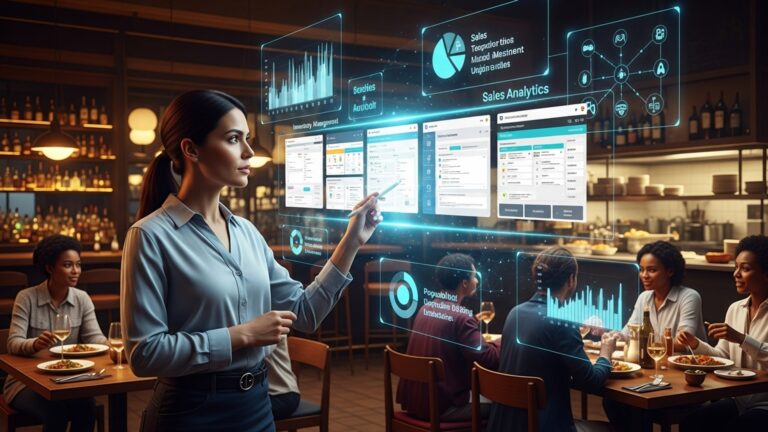
Exceptional customer service isn’t a static achievement; it’s an ongoing process of refinement and adaptation. Restaurant POS software is a goldmine of data, providing invaluable insights that can be leveraged to continuously improve service quality. Beyond transactional data, these systems can capture data on peak hours, popular menu items, server performance, average table turnover times. even integrate with customer feedback platforms.
By analyzing POS reports, restaurant managers can identify trends and areas for improvement. For instance, if data reveals consistently long wait times during a particular period, management can adjust staffing levels or streamline kitchen processes for that window. If certain dishes receive frequent modifications or complaints, it might signal a need to refine the recipe or staff training. A restaurant noticing a significant drop-off in repeat customers after their first visit can investigate factors like service speed or specific menu offerings that might be contributing to the issue.
- Performance Analytics
- Feedback Integration
- Menu Optimization
- Staff Training Needs
Track key metrics like service speed, order accuracy. sales patterns.
Some systems allow for direct customer feedback capture, linking it to specific orders.
Identify best-selling items and those that underperform, guiding menu updates.
Pinpoint areas where staff might need additional training to enhance service delivery.
By harnessing the analytical power of Restaurant POS software, establishments can move beyond guesswork, making informed, data-backed decisions that lead to tangible improvements in every facet of their customer service, fostering a culture of excellence.
Conclusion
Ultimately, restaurant POS software transcends mere transaction processing; it’s a strategic investment in elevating your entire customer experience. By streamlining everything from order taking to payment processing, you’re not just speeding things up, you’re crafting memorable interactions. For instance, imagine a diner whose usual allergen insights is automatically flagged, or a loyalty member receiving a personalized offer at checkout – these are the moments POS enables. My personal tip is to not just install it. actively optimize its features: conduct regular staff training and delve into the data to truly grasp your patrons’ evolving preferences, a current trend in the competitive dining landscape. Embrace your POS system as a dynamic tool to foster customer delight. It’s about empowering your team to deliver exceptional service, turning first-time guests into loyal advocates. ensuring your restaurant thrives by consistently exceeding expectations.
More Articles
Unlock Efficiency 10 Practical Ways Restaurant POS Software Improves Service
Master Essential Restaurant POS Functionalities a Guide to Boosting Operations
Your Guide to Must-Have Restaurant POS Functionalities and How to Use Them
How to Select Essential Restaurant POS Features to Boost Your Eatery’s Efficiency
A Guide to Choosing the Best Restaurant POS Software for Your Business

FAQs
How does POS software actually speed up service for customers?
Restaurant POS software significantly cuts down wait times by streamlining order taking and sending them directly to the kitchen. It also makes checkout super fast, whether you’re paying with card, mobile, or splitting the bill, so you spend less time waiting and more time enjoying.
Can a POS help reduce mistakes with my order, especially if I have special requests?
Absolutely! Digital order entry minimizes human error that can happen with handwritten tickets. Your server can input special requests, allergies, or dietary needs directly into the system, ensuring the kitchen gets precise instructions and your meal comes out exactly as you asked.
What about paying? Does it make checkout easier?
Yes, definitely. Modern POS systems offer flexible payment options, including mobile payments, EMV chip cards. easy bill splitting. This makes the payment process quick, secure. hassle-free, improving your overall dining experience.
My favorite restaurant always remembers my preferences. Is that because of their POS?
Quite possibly! Many advanced POS systems include customer relationship management (CRM) features. These allow restaurants to store customer profiles, track past orders. note preferences, enabling staff to offer personalized recommendations and make regulars feel truly valued.
How does this software help restaurants manage busy times better so I don’t wait as long?
POS software often includes robust table management features. It helps staff efficiently seat guests, track table status. monitor order progress. This means better flow during peak hours, reduced wait times for tables. smoother service for every guest.
What if I want to customize my meal or have specific dietary restrictions?
POS systems make it much easier for servers to handle customizations. They can quickly modify dishes, add or remove ingredients. note any dietary restrictions directly into the system, ensuring your unique order is accurately communicated to the kitchen and prepared correctly.
Does POS software help restaurants serve customers faster even when they’re not dining in?
Yes, many modern POS systems integrate seamlessly with online ordering platforms and delivery services. This ensures that off-premise orders are processed just as efficiently and accurately as in-house ones, leading to faster preparation and delivery times for takeout and delivery customers.