7 Essential Features Every Restaurant POS Software Should Have for Success
In today’s competitive dining landscape, Restaurant POS software has evolved far beyond simple billing tools—it’s now the nerve center of efficient, data-driven operations. Modern solutions integrate real-time inventory tracking, digital ordering. AI-powered analytics to boost performance and customer satisfaction. With the rise of cloud-based systems and mobile-first interfaces, restaurants can seamlessly manage everything from online reservations to delivery logistics. For example, leading platforms are now using predictive insights to reduce waste and optimize menu engineering, aligning technology with profitability. As the demand for contactless payments and omnichannel experiences grows, choosing the right POS system becomes a strategic move that can define a restaurant’s success. Understanding the essential features that transform ordinary transactions into intelligent business decisions is key to staying ahead in an industry driven by speed, precision. personalized service.
Intuitive and User-Friendly Interface
A restaurant thrives on efficiency and speed. the same principle applies to its digital tools. The user interface of any Restaurant POS software must be intuitive, simple to navigate. designed to minimize training time. Staff members, from servers to cashiers, should be able to process orders, split bills. handle payments swiftly.
- Ease of Use
- Touchscreen Optimization
- Role-Based Access
A clean layout with logical menus helps staff adapt quickly.
Most modern restaurants use tablets or touch terminals; responsive touch capabilities are essential.
The interface should allow customization based on roles—servers, managers. kitchen staff each need different permissions.
In real-world applications, chains such as Starbucks use POS systems with simplified order screens to reduce customer wait times. Studies by TechCrunch show that intuitive design directly correlates with faster transaction speeds and improved service ratings.
Real-Time Inventory Management
Inventory tracking is a cornerstone of successful restaurant operations. The best Restaurant POS software integrates real-time inventory management, automatically adjusting stock levels as items are sold.
- Automatic Deduction
- Low-Stock Alerts
- Supplier Integration
Each order should automatically update ingredient quantities.
Managers receive notifications when supplies need replenishing.
Advanced systems connect directly with vendors for quick restocking.
Here’s a simplified example of how inventory tracking might be handled programmatically in a POS database:
UPDATE inventory SET quantity = quantity - order_items WHERE item_id = selected_item;
By automating these processes, restaurants reduce waste and prevent stockouts. Research from the National Restaurant Association emphasizes that digital inventory management can lower food waste by up to 20%.
Integrated Payment Processing
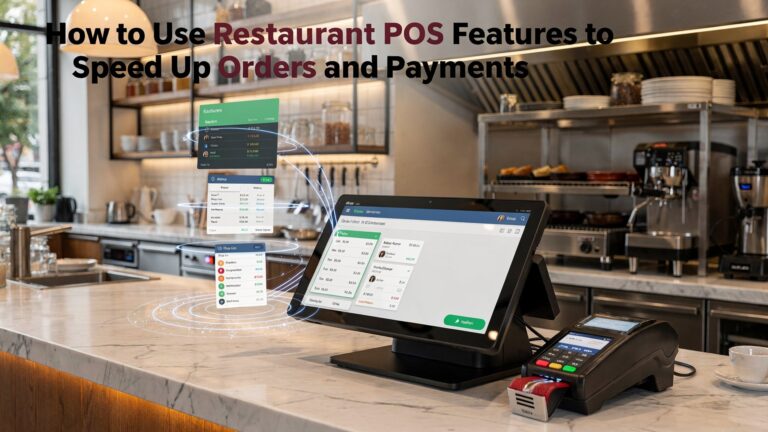
Seamless payment processing is non-negotiable. Customers expect quick and secure transactions using various payment methods—credit cards, mobile wallets, or even contactless payments.
- Multi-Payment Support
- Split Payment Functionality
- Secure Encryption
Accepts all major credit/debit cards and mobile payment options like Apple Pay or Google Pay.
Allows multiple guests at a table to pay separately.
Compliance with PCI DSS ensures customer card data remains secure.
When comparing payment gateways commonly used within Restaurant POS software systems:
| Payment Gateway | Transaction Speed | Security Compliance |
|---|---|---|
| Stripe | Fast (under 2 seconds) | Full PCI DSS Level 1 |
| Square | Average (3-4 seconds) | Encrypted Tokenization |
| PayPal | Moderate | Strong Fraud Detection |
A case study from Square revealed that restaurants offering contactless payments saw a 15% increase in table turnover efficiency.
Advanced Reporting and Analytics
Data-driven decisions are key to restaurant success. Restaurant POS software should include robust reporting and analytics tools to help owners and managers make informed choices.
- Sales and Revenue Reports
- Staff Productivity Metrics
- Customer Behavior Insights
Daily, weekly. monthly summaries for quick performance insights.
Monitor employee efficiency and identify top-performing team members.
Track popular menu items and peak dining hours.
In practice, analytic dashboards allow restaurants to identify trends such as seasonal fluctuations or menu profitability. For example, a local pizzeria used POS analytics to discover that lunchtime deals drove 30% more foot traffic on weekdays.
Customer Relationship Management (CRM) Integration
A POS system that integrates with CRM tools can help restaurants build stronger relationships with customers. CRM allows for personalized experiences that drive loyalty and repeat business.
- Customer Profiles
- Loyalty Programs
- Marketing Automation
Store customer order history and preferences for customized service.
Automate rewards points and discounts directly through the POS.
Sync customer data with email campaigns or SMS notifications.
Many modern Restaurant POS software providers, such as Toast and Lightspeed, include built-in CRM modules. Restaurants using these features often report a 25% increase in repeat visits due to targeted marketing.
Cloud-Based Accessibility
Cloud technology has revolutionized how restaurants manage operations. A cloud-based POS system allows owners to access business data anytime, anywhere.
- Remote Management
- Automatic Updates
- Data Security
Monitor sales and inventory from any device.
Cloud systems update without manual installation or downtime.
Cloud servers use advanced encryption and redundancy to protect data.
For instance, small restaurant chains use cloud dashboards to compare performance across multiple locations. According to IBM Cloud research, adopting cloud-based Restaurant POS software can reduce IT maintenance costs by 40%.
Offline Functionality and Reliability
Restaurants can’t afford downtime due to poor internet connectivity. A reliable POS must continue running offline and sync data automatically when the connection is restored.
- Offline Order Management
- Data Integrity
- Device Redundancy
Transactions are stored locally until they can sync.
Prevents loss of vital details during outages.
Multiple terminals can operate independently without disruption.
A real-world example is a seaside café that experienced frequent network drops. After switching to Restaurant POS software with offline functionality, operations continued smoothly — ensuring uninterrupted service and customer satisfaction. By emphasizing these essential features, restaurant owners can choose a POS solution that supports growth, enhances customer experience. streamlines operations efficiently.
Conclusion
Choosing the right restaurant POS software is no longer just about processing orders—it’s about integrating smart technology that drives success from the kitchen to the customer’s table. The seven essential features we explored—from real-time analytics to mobile ordering—form the backbone of modern restaurant operations. In my experience helping new restaurant owners adopt cloud-based POS systems, the biggest wins come from platforms that adapt quickly to changing consumer habits, like digital payments and online reservations. As AI-driven insights and automation continue reshaping hospitality, investing in a POS that learns and evolves with your business is key. Start small by tracking daily reports and using those insights to fine-tune menu performance or labor scheduling. Over time, these incremental steps lead to major efficiency gains and happier customers. The future of dining is data-driven. your POS system can be the catalyst that transforms your restaurant into a thriving, customer-first space.
More Articles
Master 10 Ways Restaurant POS Software Can Boost Your Service and Sales
Master 8 Ways Restaurant POS Software Improves Operational Efficiency Daily
Discover 8 Common Challenges with Restaurant POS and How to Solve Them
How to grasp Essential Features for Your Restaurant POS System
Master 5 Smart Strategies to Optimize Your Restaurant POS System for Efficiency

FAQs
What makes a restaurant POS system truly essential for success?
A successful POS system goes beyond processing payments—it should streamline operations, improve order accuracy, track inventory. provide insights through reporting. It’s the backbone of efficiency for any restaurant.
Why is menu management such a big deal in a restaurant POS?
Menu management helps staff quickly update prices, items. specials. It allows flexibility for seasonal changes and ensures customers always see the correct options, which reduces confusion during busy hours.
How crucial is inventory tracking in a POS system?
Inventory tracking prevents overordering or running out of key ingredients. A good POS automatically updates stock levels as items are sold, helping you control costs and minimize waste.
Should a POS system include reporting and analytics?
Definitely. Reporting and analytics give you clear insights into sales trends, peak hours. best-selling items. These data-driven decisions help owners refine menus, staffing. marketing strategies.
Can staff management features really make a difference?
Yes. Time tracking, shift scheduling. performance monitoring features reduce administrative work and make payroll easier. They also help improve team productivity and accountability.
Is mobile or tablet compatibility worth investing in?
Mobile compatibility allows servers to take orders tableside and send them directly to the kitchen. It improves speed, accuracy. customer satisfaction—especially in fast-paced or outdoor dining setups.
What role does customer relationship management (CRM) play in a POS?
CRM tools within a POS help track customer preferences, order history. loyalty programs. This details enables personalized service and helps restaurants build lasting customer relationships.
Do integrations with online orders and delivery apps matter?
Absolutely. Seamless integration keeps all orders—dine-in, takeout, or delivery—in one place. It reduces manual input errors and ensures smooth coordination between kitchen and delivery teams.