Unlocking Efficiency 7 Smart Ways Restaurant POS Software Boosts Your Business
- restaurant POS software
- restaurant POS software
Streamlined Order Management & Accuracy with Restaurant POS Software
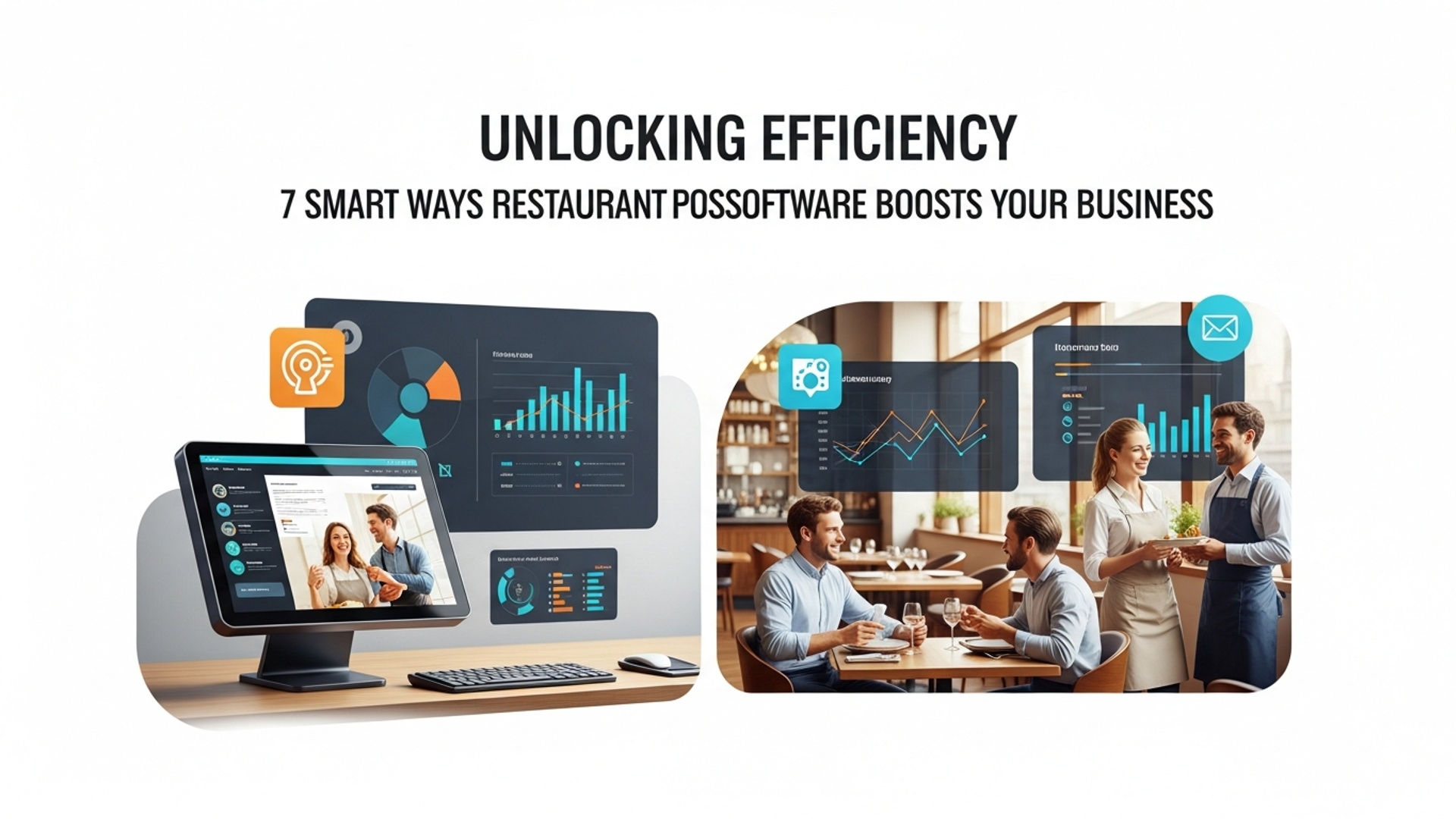
In the fast-paced environment of a modern eatery, efficient order management is the cornerstone of customer satisfaction and operational fluidity. Modern restaurant POS software fundamentally transforms how orders are taken, processed. fulfilled, drastically reducing errors and speeding up service. Gone are the days of handwritten tickets that can be misread or lost. With a sophisticated point-of-sale system, servers can input orders directly at the table using handheld devices or fixed terminals, which are then instantly communicated to the kitchen display system (KDS) or bar.
This digital workflow eliminates miscommunications between front-of-house and back-of-house staff. For example, a common issue in traditional setups is a server forgetting to specify a dietary restriction, leading to a re-fire. A robust POS system allows for detailed modifiers and special requests to be clearly attached to each item, ensuring the kitchen receives precise instructions. This not only improves order accuracy but also significantly cuts down on food waste and preparation time. An industry study by Toast found that restaurants using integrated POS systems saw an average 5% reduction in order errors.
Consider a busy Friday night rush. Without a modern POS, a single server might be juggling multiple tables, manually writing down orders. then queuing at a stationary terminal to punch them in. This creates bottlenecks and increases the chance of mistakes. With a mobile POS solution, servers can take orders, send them to the kitchen. even process payments right at the table, turning tables faster and enhancing the overall dining experience. This seamless process is a critical component for any restaurant aiming for peak operational efficiency.
Enhanced Inventory Control & Waste Reduction
One of the most significant drains on a restaurant’s profitability is poor inventory management. Food waste, over-ordering. theft can severely impact the bottom line. Advanced restaurant POS software provides powerful tools to track inventory in real-time, offering unparalleled visibility into your stock levels and usage patterns.
How does it work? Every time an item is sold through the POS, the system automatically deducts the corresponding ingredients from your inventory. This creates an accurate, up-to-the-minute record of what you have on hand. For instance, if a customer orders a “Classic Burger,” the system might subtract 0. 25 lbs of ground beef, one bun, a slice of cheese. specific quantities of lettuce, tomato. onion from your stock. This granular tracking allows managers to:
- Minimize Waste
- Prevent Stockouts
- Reduce Theft
- Optimize Purchasing
By knowing exactly what’s being used, you can identify slow-moving items prone to spoilage and adjust purchasing accordingly.
Automated alerts can notify you when specific ingredients are running low, prompting timely reorders and preventing lost sales due to unavailability.
Precise tracking makes it harder for internal theft to go unnoticed, as discrepancies between sales and inventory usage become immediately apparent.
Historical sales data, combined with inventory reports, enables more intelligent purchasing decisions, ensuring you buy the right quantities at the right time, often leading to better vendor pricing.
A recent survey by Restaurant Business Online highlighted that inventory control is a top challenge for operators. Implementing a robust POS system directly addresses this by providing data-driven insights into ingredient costs and usage, turning what was once a manual, error-prone task into an automated, precise process.
Optimized Staff Management & Productivity
Managing staff effectively is crucial for any restaurant. POS solutions offer a suite of features designed to boost productivity and streamline labor management. From time tracking to performance monitoring, a comprehensive restaurant POS system empowers managers to make smarter decisions about their workforce.
- Accurate Time Tracking
- Shift Scheduling
- Performance Monitoring
- Role-Based Access
Employees can clock in and out directly through the POS terminal, often with biometric authentication (fingerprint, facial recognition) to prevent “buddy punching.” This provides accurate labor hours for payroll and helps manage overtime costs.
Many modern POS systems integrate with or offer built-in scheduling tools. Managers can create and publish schedules, communicate with staff. manage shift swaps, ensuring adequate coverage without overstaffing.
The system can track individual server performance, including average check size, upsell rates. table turnover times. This data is invaluable for identifying top performers, providing targeted training. incentivizing staff. For example, a manager can easily pull a report showing which server consistently sells the most high-margin appetizers or desserts.
Different staff members (servers, bartenders, managers) can be assigned specific permissions within the POS, ensuring they only access functions relevant to their role. This enhances security and prevents unauthorized actions.
By automating these tasks, managers save countless hours previously spent on administrative duties, allowing them to focus more on operations, staff training. customer engagement. A well-managed team, supported by efficient tools, directly translates to better service and a more productive work environment.
Data-Driven Decision Making with Advanced Analytics
In today’s competitive culinary landscape, guesswork is a recipe for disaster. Modern restaurant POS software collects a wealth of data on every transaction, customer interaction. operational event. The true power lies in how this data is transformed into actionable insights through advanced analytics and reporting features.
Imagine having access to dashboards that display real-time sales trends, peak hours, popular menu items. average customer spend. This isn’t just about knowing what sold yesterday; it’s about understanding why it sold and what patterns emerge over time. Key analytical capabilities include:
- Sales Reports
- Menu Engineering
- Customer Behavior Insights
- Comparative Analysis
Detailed breakdowns by hour, day, week, month, server, or menu category. This helps in understanding peak periods for staffing and identifying best-selling dishes.
By analyzing profit margins and popularity, you can strategically adjust pricing, remove underperforming items, or promote high-margin dishes. For example, if a particular appetizer has a high profit margin but low sales volume, you might consider repositioning it on the menu or training staff to upsell it more effectively.
Track repeat customers, their preferred items. visit frequency. This informs targeted marketing campaigns and loyalty programs.
For multi-location restaurants, compare performance across different sites to identify best practices and areas for improvement.
As noted by Forbes, leveraging data analytics is no longer optional for businesses seeking growth. A restaurant POS provides the digital infrastructure to capture this vital details and present it in an easily digestible format, empowering owners and managers to make informed strategic decisions that drive profitability and efficiency.
Improved Customer Experience & Loyalty Programs
Exceptional customer experience is paramount for building a loyal customer base. A sophisticated restaurant POS system directly contributes to this by streamlining service, offering personalized interactions. facilitating robust loyalty programs.
Consider the typical customer journey. From the moment they walk in, a modern POS can enhance their experience:
- Faster Service
- Payment Flexibility
- Personalized Service
- Loyalty Programs
Mobile ordering devices allow servers to take orders quickly and accurately, sending them directly to the kitchen. This reduces wait times for food and drink.
Customers can pay using various methods – credit card, mobile payment apps, split checks – often right at the table with integrated payment terminals. This convenience is a major satisfaction booster.
For repeat customers, the POS can store preferences, dietary restrictions. past orders. A server can greet a regular by name and even suggest their usual drink, creating a highly personalized and memorable experience.
Built-in loyalty features allow customers to sign up easily, earn points. redeem rewards. This encourages repeat business and provides valuable data on customer behavior. For instance, a coffee shop might offer a “buy 9, get 1 free” program seamlessly tracked by the POS, sending automated notifications to customers when they’re close to a reward.
Studies show that by Accenture, 66% of consumers expect companies to interpret their unique needs and expectations. A comprehensive POS system is the digital backbone that enables restaurants to meet and exceed these expectations, fostering deeper customer relationships and driving long-term success.
Seamless Integrations with Third-Party Services
A truly powerful restaurant POS is not a standalone solution; it’s the central hub of a restaurant’s digital ecosystem, seamlessly integrating with a variety of third-party services. These integrations automate tasks, reduce manual data entry. expand functionality, creating a holistic management platform.
Key integration categories include:
- Online Ordering Platforms
- Accounting Software
- Payroll Services
- Marketing & CRM Tools
- Loyalty & Gift Card Programs
Connects directly with your website’s ordering system, popular food delivery apps (e. g. , DoorDash, Uber Eats). reservation systems (e. g. , OpenTable). Orders from these platforms flow directly into your POS and kitchen, eliminating the need to manually re-enter them.
Integrations with platforms like QuickBooks or Xero automate financial reporting, reconcile sales data. simplify bookkeeping, reducing errors and saving significant time for your finance team.
Connects labor data (clock-in/out times, hours worked) directly to your payroll provider, ensuring accurate and timely employee payments.
Synchronizes customer data for targeted email campaigns, promotions. personalized communication, enhancing your marketing efforts.
While some POS systems have these built-in, integration allows for specialized third-party loyalty platforms to function seamlessly.
The technical aspect of these integrations often relies on Application Programming Interfaces (APIs). An API acts as a digital handshake between different software systems, allowing them to communicate and share data securely. For example, an online order placed via a third-party app might trigger an API call to your POS, which then creates the order and sends it to the kitchen. This level of automation is critical for minimizing human error and maximizing operational efficiency across all touchpoints of your business.
Robust Security & Compliance with Restaurant POS Software
In an era of increasing cyber threats and stringent data protection regulations, the security features of your restaurant POS software are more essential than ever. A reliable POS system provides robust safeguards for sensitive customer data, financial transactions. operational integrity, helping you maintain compliance and protect your business’s reputation.
Key security and compliance aspects of modern POS solutions include:
- Payment Card Industry Data Security Standard (PCI DSS) Compliance
- Data Encryption
- User Access Controls
- Cloud-Based Security
- EMV Compliance
This is crucial for handling credit card transactions. A certified POS system ensures that cardholder data is protected during transmission and storage, minimizing the risk of data breaches.
All sensitive data, from customer insights to sales records, should be encrypted both in transit and at rest. This makes it unreadable to unauthorized parties even if intercepted.
Granular permissions ensure that employees only have access to the specific functions and data necessary for their roles, preventing unauthorized access or manipulation of sensitive insights. For example, only managers might have access to refund functions or specific financial reports.
Many modern POS systems are cloud-based, leveraging the advanced security infrastructure of major cloud providers (e. g. , AWS, Google Cloud). This includes features like regular security audits, redundant data backups. disaster recovery protocols. While a common concern, reputable cloud POS providers often offer a higher level of security than many on-premise solutions.
Supports chip card readers, which offer enhanced security over traditional magnetic stripe cards by generating a unique encryption code for each transaction, significantly reducing counterfeit card fraud.
According to a report by Verizon, small businesses are disproportionately targeted by cybercriminals. Investing in a secure and compliant restaurant POS system isn’t just about adhering to regulations; it’s about safeguarding your customers’ trust and protecting your business from potentially devastating financial and reputational damage. It’s an essential layer of defense in an increasingly digital world.
Conclusion
As we wrap up our exploration, it’s clear that restaurant POS software is far more than a simple transaction tool; it’s a strategic partner for modern hospitality. Embracing these smart solutions fundamentally shifts how your business operates, from automating inventory to streamlining customer interactions. For instance, I’ve personally observed how real-time sales data from a robust POS can empower a small cafe owner to perfectly time ingredient orders, minimizing waste – a tangible benefit in today’s tight margins. My personal tip? Don’t just look at features; envision how they integrate into your daily workflow. Consider the current trend of contactless ordering and payment; a modern POS isn’t just facilitating this. also capturing invaluable customer preference data. If you’re still weighing your options, exploring how to choose the best restaurant POS software is your next logical step. The true power lies in its ability to adapt and grow with you, transforming operational challenges into opportunities for unparalleled service and profitability. Step confidently into this technological upgrade; your business. your customers, will thank you.
More Articles
Boost Efficiency with Restaurant POS Features Everyone Needs
Top Benefits of Using Restaurant POS Software for Your Business
9 Practical Tips for Choosing Restaurant POS Software That Fits Your Business
10 Ways Restaurant POS Software Improves Order Accuracy and Service Speed

FAQs
How does restaurant POS software actually make my day-to-day operations smoother?
It streamlines everything from taking orders quickly and accurately to managing tables and processing payments efficiently. This means less waiting for customers, fewer errors. a much smoother flow for your staff, especially during busy hours.
Can a POS system really help me keep better track of my ingredients and stock?
Absolutely! Modern POS software includes robust inventory management features. It tracks what you sell, updates stock levels in real-time, helps you identify popular items. can even alert you when it’s time to reorder, significantly reducing waste and optimizing your purchasing.
What kind of business insights can I get from using POS software?
You get a goldmine of data! POS systems generate detailed reports on sales trends, peak hours, best-selling dishes. even staff performance. This details helps you make smarter decisions about staffing, menu adjustments. marketing strategies to boost profitability.
My staff sometimes makes mistakes with orders or billing. How does POS help with that?
POS software dramatically reduces human error. Orders are entered digitally and sent directly to the kitchen (often via a Kitchen Display System), minimizing miscommunications. Billing is automated and accurate, ensuring customers are charged correctly every time, which improves satisfaction and avoids costly mistakes.
Is there a way a POS system can help me keep my customers coming back more often?
Yes, many POS systems offer customer relationship management (CRM) features. You can track customer preferences, manage loyalty programs, offer personalized discounts. even collect feedback. This helps you build stronger relationships and encourage repeat business through tailored experiences.
What about managing my employees and their shifts? Does POS software handle that too?
Many POS solutions include powerful employee management tools. You can track clock-ins and outs, manage schedules, monitor individual sales performance. even simplify tip distribution. This makes payroll more accurate and helps you interpret staff productivity better.
How does POS software help me expand my reach beyond just in-house dining?
Modern POS systems often integrate seamlessly with online ordering platforms and third-party delivery services. This allows you to easily manage takeout and delivery orders alongside your dine-in service, expanding your customer base and creating new revenue streams without extra manual effort.