5 Proven Strategies to Master Restaurant POS Software and Increase Revenue
In today’s fast-paced restaurant industry, leveraging the full potential of restaurant POS software is no longer optional—it’s essential. With the rise of digital ordering, contactless payments. data-driven decision-making, mastering your POS system can significantly boost operational efficiency and revenue. Picture this: a seamless integration that tracks inventory in real-time, reduces order errors. delivers actionable insights into customer preferences. For example, modern POS systems now offer AI-powered sales forecasts to help restaurants prepare for peak hours, minimizing waste and maximizing profits. As technology evolves, staying ahead means adapting to these innovations and ensuring your staff is equipped to use them effectively. By aligning your POS software’s capabilities with your business goals, you can create a smoother workflow, enhance customer experience. ultimately drive higher sales. The key lies in understanding how to unlock these features and apply them strategically in your daily operations.
grasp the Core Features of Restaurant POS Software
- Order Management
- Inventory Tracking
- Employee Management
- Payment Processing
- Analytics and Reporting
Restaurant POS software streamlines order-taking processes by integrating table orders, takeout. delivery into a unified system. This enables staff to efficiently manage customer requests without errors or delays.
Most modern POS systems come equipped with real-time inventory management. This feature helps track stock levels, identify shortages. even automate reordering.
Restaurant POS software often includes tools for scheduling shifts, monitoring employee performance. tracking clock-ins and clock-outs.
It allows for seamless payment options, including cash, credit cards, mobile wallets. even split bills, making transactions faster and more secure.
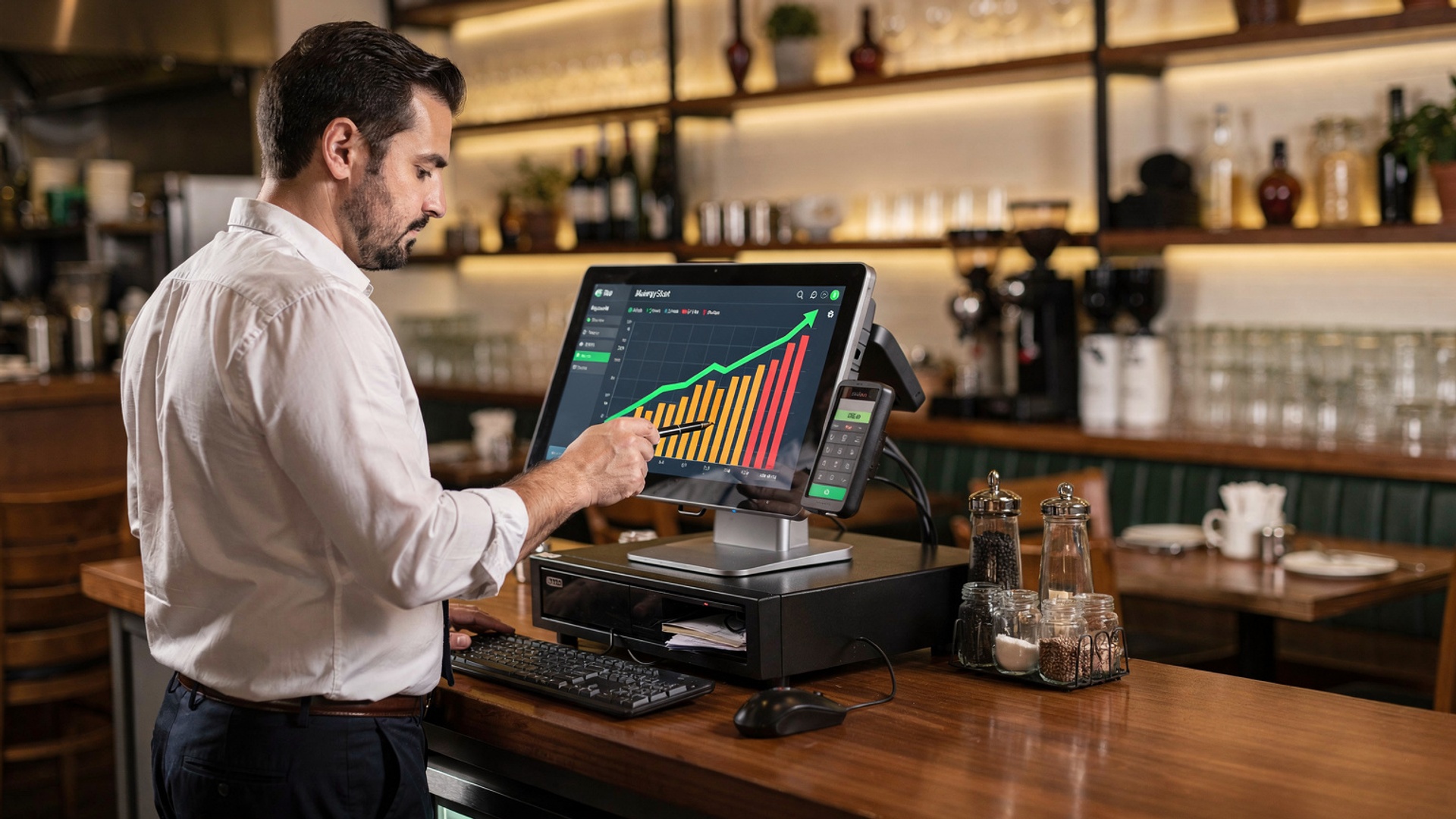
Robust POS systems generate detailed reports on sales trends, inventory usage. customer behavior, giving restaurant owners actionable insights to make data-driven decisions.
By mastering these core features, restaurant owners can harness the full potential of their POS system to improve efficiency and customer satisfaction.
Train Your Staff Effectively
- Provide Hands-On Training
- Role-Based Training
- Use Simulations
- Offer Continuous Education
- Create a POS Manual
Ensure that all staff members receive hands-on training to familiarize themselves with the POS interface. This reduces errors during peak hours and boosts confidence in using the system.
Different roles require different POS functionalities. For instance, servers need to focus on order-taking and payment processing, while managers should learn analytics and reporting tools.
Set up mock scenarios, such as processing a large group order or managing inventory after a busy day, to prepare employees for real-world challenges.
As Restaurant POS software updates with new features, provide ongoing training sessions to keep staff up-to-date.
Develop a comprehensive manual or digital reference guide tailored to your restaurant’s POS system. Include troubleshooting steps, frequently asked questions. contact data for urgent support.
Well-trained staff can utilize POS software effectively, reducing downtime and improving operational efficiency.
Customize Your POS System to Fit Your Restaurant’s Needs
- Menu Customization
- Integration with Other Tools
- Adjust Tax and Discount Settings
- Set Up Role-Based Access
- Enable Multi-Device Support
Customize your POS menu to include all items, modifiers. combos, ensuring that orders are captured accurately.
Many Restaurant POS software solutions allow integration with third-party apps like accounting software, online ordering platforms. customer relationship management tools. These integrations create a seamless workflow.
Configure tax settings based on local regulations and set up automatic discounts for promotions or loyalty programs.
Limit access to sensitive POS features, such as financial reports, to authorized personnel only. This ensures security and accountability.
If your restaurant has multiple service points, ensure your POS system is configured for tablets, kiosks, or handheld devices for better flexibility.
Customizing your POS system ensures it aligns with your restaurant’s unique workflow and business model.
Leverage Data Analytics to Enhance Revenue
- Track Best-Selling Items
- Monitor Peak Hours
- Customer Spending Patterns
- Reduce Waste
- Run A/B Tests
Use sales reports to identify top-performing menu items and promote these through upselling or special discounts.
Analyzing sales data to determine busy times allows you to optimize staffing and inventory levels accordingly.
POS systems with CRM features help track customer preferences and spending habits, enabling personalized marketing campaigns.
Use inventory reports to identify overstocked or underutilized items, reducing waste and maximizing profitability.
Experiment with menu items, pricing, or promotional offers and assess the results using POS-generated data to determine what works best for your audience.
Data-driven decisions based on Restaurant POS software analytics can significantly improve profitability and customer loyalty.
Ensure Regular Maintenance and Updates
- Install Software Updates
- Backup Data
- Conduct Routine Hardware Checks
- Monitor System Security
- Partner with Reliable Support
Keep your system updated with the latest patches and features to improve performance and security.
Regularly back up your POS data to cloud storage or external drives to prevent data loss in case of hardware failure.
Inspect POS hardware such as screens, printers. card readers for wear and tear to avoid unexpected breakdowns.
Protect your POS system with robust security measures, such as firewalls and encryption, to safeguard customer data.
Choose a POS provider with responsive customer support to troubleshoot issues quickly and reduce downtime.
Regular maintenance ensures that your Restaurant POS software operates smoothly, minimizing disruptions and maintaining customer trust.
Conclusion
Mastering restaurant POS software goes beyond understanding its basic functions; it’s about leveraging its potential to drive meaningful business growth and operational efficiency. The strategies outlined—from optimizing menu management with real-time analytics to nurturing customer loyalty through personalized marketing—serve as pivotal tools in elevating your restaurant’s revenue. By integrating data-driven insights and automating daily processes, you position your business to stay ahead of the competition in a rapidly evolving industry. A recent trend worth noting is the shift towards cloud-based POS systems, which offer scalability and easier remote management, an essential feature for restaurants adapting to hybrid business models, including delivery and takeout. Drawing from my experience, embracing customization within your POS software is key—every restaurant is unique. tailoring the system to meet your specific needs will yield transformative results. For instance, setting up targeted promotions based on popular dishes has proven effective in boosting sales while maintaining customer satisfaction. Remember, consistency is what converts strategies into successes. Commit to training your staff regularly, exploring new software features. reviewing performance metrics monthly. The journey to mastering POS software is a marathon, not a sprint. the rewards—enhanced operational efficiency, happier customers. increased profits—are well worth the effort. Keep your focus sharp, your strategies proactive. your passion alive, because thriving in the restaurant industry is as much about innovation as it is about dedication.
More Articles
Master 5 Smart Strategies to Optimize Your Restaurant POS System for Efficiency
Master 10 Ways Restaurant POS Software Can Boost Your Service and Sales
10 Smart Ways to Master Your Restaurant POS for Greater Efficiency
10 Smart Ways to Simplify Daily Operations Using Restaurant POS Software

FAQs
What is restaurant POS software?
Restaurant POS software is a system that helps manage orders, payments, inventory. other operations in a restaurant.
Why is mastering POS software vital for increasing revenue?
Mastering POS software ensures smoother operations, faster service, better customer experience. insights to make smarter business decisions, all of which can lead to higher revenue.
Can POS software help with inventory management?
Yes, most restaurant POS systems come with inventory tracking features to help you monitor stock levels, reduce waste. manage costs efficiently.
What strategies can help employees use POS software effectively?
You can train employees thoroughly, set up user-friendly systems, use automation features. provide ongoing support to ensure they use the software efficiently.
How do POS systems boost customer experience?
POS systems streamline processes like order-taking and payment, reduce wait times. allow personalized promotions, all of which enhance the customer experience.
Are there features in POS software that directly impact sales?
Yes, features like upselling prompts, loyalty programs. detailed sales analytics can help increase sales and revenue.
Is it hard to integrate a POS system into a restaurant’s operations?
Not really. Most modern POS systems are designed to be easy to set up and integrate with existing workflows, though some initial training might be needed.