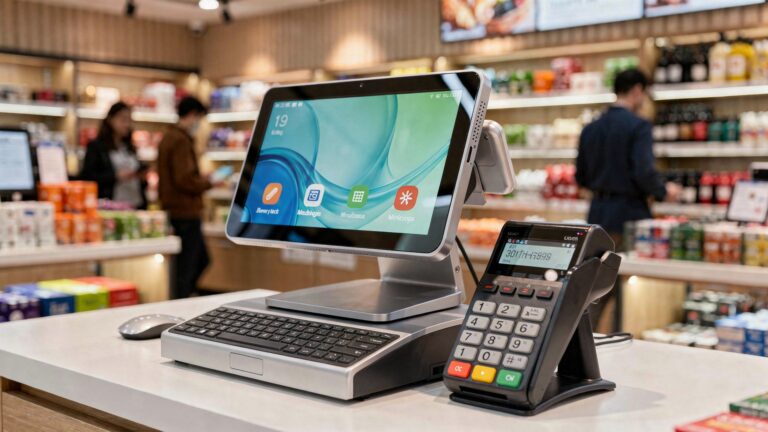
How to Choose the Best POS System 6 Essential Tips for Chennai Retailers
Chennai’s dynamic retail landscape, from bustling T. Nagar textile shops to rapidly expanding e-commerce integrated boutiques in Anna Nagar, demands more than just a basic billing machine. With UPI transactions surging and customer expectations for seamless omnichannel experiences at an all-time high, a sophisticated POS Chennai system has become the strategic backbone for operational efficiency and sustainable growth. The challenge for retailers now lies in selecting a solution that not only streamlines real-time inventory management for diverse product lines but also offers robust analytics and effortlessly integrates with the latest payment gateways and GST compliance requirements, transforming every transaction into a data-rich opportunity.
Understanding Your Unique Business Needs
Before embarking on the search for a Point of Sale (POS) system, Chennai retailers must first conduct a thorough internal assessment of their specific operational requirements. A one-size-fits-all approach rarely yields optimal results, as the functionalities crucial for a fashion boutique differ significantly from those needed by a multi-cuisine restaurant or a grocery store. Consider the core aspects of your business:
- Inventory Management: Do you deal with hundreds or thousands of SKUs? Do you require real-time tracking, stock alerts, vendor management, or batch tracking? A clothing store, for instance, needs to manage sizes, colours. styles, while a pharmacy needs expiry date tracking.
- Sales Processes: What kind of transactions do you process? Do you need support for discounts, promotions, returns, exchanges, or gift cards? Consider peak hour rush scenarios common in busy Chennai markets like T. Nagar or Sowcarpet.
- Customer Relationship Management (CRM): Is building customer loyalty vital for your business? Features like customer databases, purchase history tracking, loyalty programs. targeted marketing capabilities can be invaluable for repeat business.
- Reporting and Analytics: What kind of data insights do you need to make informed decisions? Sales performance by product, employee, or time of day? Inventory turnover? Customer buying patterns?
- Employee Management: Do you need to track employee clock-ins/outs, sales performance, or commission structures?
An actionable takeaway here is to create a detailed checklist of “must-have” and “nice-to-have” features based on your unique business model. This clarity will streamline your evaluation process for a potential pos chennai solution.
Scalability and Future-Proofing Your Investment
Chennai’s retail landscape is dynamic, with businesses constantly evolving and expanding. Choosing a POS system that can scale with your growth is paramount to future-proof your investment. A system that works for a single outlet today might become a bottleneck if you decide to open multiple branches or expand your product lines tomorrow.
A key consideration in scalability is the choice between cloud-based and on-premise POS systems:
| Feature | Cloud-Based POS | On-Premise POS |
|---|---|---|
| Data Storage | Data stored remotely on vendor’s servers, accessible via internet. | Data stored locally on your own servers and devices. |
| Accessibility | Access from anywhere, any device with internet connection. Ideal for multi-store management. | Access typically limited to the local network or specific devices. |
| Upfront Cost | Generally lower, subscription-based model. | Higher initial investment for hardware and software licenses. |
| Maintenance & Updates | Managed by the vendor, automatic updates. | Requires your own IT staff or third-party support for maintenance and updates. |
| Scalability | Easier to scale up or down, add new users/locations quickly. | Scaling can involve significant hardware upgrades and IT work. |
| Internet Dependency | Requires stable internet connection (though many offer offline modes). | Less dependent on internet once set up. cloud features may be limited. |
| Security | Vendor responsible for security, often with robust infrastructure. | Your responsibility to manage and secure your local servers. |
For many emerging and growing businesses in Chennai, a cloud-based POS offers superior flexibility and lower total cost of ownership over time, allowing for seamless expansion without major infrastructure overhauls.
Essential Features for the Chennai Retail Landscape
The unique operational environment in Chennai. India at large, necessitates specific features in a POS system to ensure compliance, efficiency. customer satisfaction. When evaluating a pos chennai solution, ensure it robustly supports the following:
- GST Compliance: This is non-negotiable. Your POS system must be capable of generating GST-compliant invoices, accurately calculating various GST rates (CGST, SGST, IGST). providing detailed reports for filing GST returns. Errors here can lead to significant penalties.
- UPI and Digital Payment Integration: With the widespread adoption of UPI, Paytm, Google Pay. other digital wallets in India, a modern POS must seamlessly integrate with these payment methods. Manual entry or separate terminals create friction and slow down transactions.
- Robust Inventory Management: Beyond basic stock tracking, look for features like batch tracking, multiple warehouse support (if applicable), vendor management, purchase order generation. stock transfer capabilities. This is especially vital for retailers dealing with varied supply chains across Tamil Nadu.
- Customer Relationship Management (CRM) & Loyalty Programs: A good POS should help you collect customer data, track purchase history. facilitate loyalty programs (e. g. , points systems, tiered discounts). This allows for personalized marketing and better customer retention, a competitive edge in Chennai’s bustling retail scene.
- Reporting and Analytics: Detailed sales reports, inventory reports, customer buying patterns. employee performance metrics are essential for data-driven decision-making. The ability to customize reports and view real-time dashboards can significantly impact profitability.
- Multi-Store Management: If you operate or plan to operate multiple outlets across Chennai or beyond, the POS must offer centralized management of inventory, pricing, promotions. customer data across all locations.
As Mr. Anand Kumar, a seasoned retail consultant in Chennai, often advises, “A POS system isn’t just for billing; it’s the central nervous system of your retail operation. Its features must align with local regulatory needs and consumer payment preferences.”
Hardware Compatibility and Local Support
A POS system isn’t just software; it’s a combination of software and hardware working in unison. The reliability of your hardware components directly impacts the efficiency of your operations. When selecting a pos chennai system, consider the following hardware aspects:
- Compatibility: Ensure the software is compatible with a range of standard POS hardware components such as barcode scanners, receipt printers, cash drawers, customer displays. payment terminals. Some systems are proprietary, limiting your hardware choices.
- Durability: Retail environments can be demanding. Choose robust hardware that can withstand daily wear and tear.
- Ease of Use: The hardware should be intuitive for your staff to operate, minimizing training time and errors.
- Payment Terminals: Integration with modern payment terminals that support chip cards (EMV), contactless payments. UPI QR codes is crucial.
Crucially, assess the availability and quality of local technical support in Chennai. Imagine a scenario during the Diwali rush, your receipt printer stops working, or your system freezes. Having prompt, on-site support can prevent significant revenue loss and customer dissatisfaction. Look for vendors who offer:
- 24/7 customer support.
- On-site repair and maintenance services.
- Clear service level agreements (SLAs).
- Local contact points or offices in Chennai.
Relying solely on remote support for hardware issues can lead to prolonged downtime, which no retailer can afford.
Cost-Effectiveness and Return on Investment (ROI)
Investing in a POS system involves more than just the initial purchase price. A comprehensive evaluation of cost-effectiveness requires looking at the total cost of ownership (TCO) and the potential return on investment (ROI). Consider the following financial aspects:
- Upfront Costs: This includes software licenses (for on-premise systems) and hardware purchases (terminals, printers, scanners, etc.) .
- Subscription Fees: For cloud-based systems, these are recurring monthly or annual fees. grasp what’s included in different tiers (e. g. , number of users, features, support).
- Transaction Fees: Some payment processors integrated with POS systems charge per-transaction fees. grasp these clearly.
- Installation and Training Costs: Some vendors charge for initial setup and staff training.
- Maintenance and Support Costs: Annual maintenance contracts or extended warranty costs.
- Hidden Costs: Be wary of additional charges for extra features, integrations, or specific reports.
Calculating ROI for a pos chennai system involves quantifying the benefits it brings. These can include:
- Increased Efficiency: Faster checkouts, reduced manual errors, streamlined inventory processes.
- Reduced Shrinkage: Better inventory control minimizes losses due to theft or mismanagement.
- Improved Customer Experience: Faster service, personalized offers. efficient loyalty programs lead to repeat business.
- Data-Driven Decisions: Actionable insights from sales reports can optimize stock levels, staffing. marketing campaigns, leading to higher profits.
- Compliance Assurance: Automated GST compliance reduces the risk of penalties.
For example, a boutique in Nungambakkam might find that by reducing manual inventory errors by 10% and improving checkout speed by 15%, the POS system pays for itself within a year through reduced labour costs and increased sales volume. Always request a clear breakdown of all potential costs from vendors.
Security, Data Management. Compliance
In an age where data breaches are increasingly common, the security and integrity of your business and customer data are paramount. A robust POS system must offer stringent security measures and adhere to relevant compliance standards, particularly for a business operating in Chennai.
- Data Encryption: Ensure that all sensitive data, especially customer payment data and personal details, is encrypted both in transit and at rest. This protects against unauthorized access.
- User Access Controls: The system should allow you to set granular permissions for different staff roles. For instance, a cashier might only have access to sales functions, while a manager can view reports and manage inventory. This minimizes internal fraud risks.
- PCI DSS Compliance: If your business accepts credit or debit card payments, your POS system and payment processing must comply with the Payment Card Industry Data Security Standard (PCI DSS). This is a global standard to protect cardholder data. Reputable POS vendors will ensure their systems are compliant.
- Data Backup and Recovery: What happens if there’s a system crash or data corruption? A reliable POS system must have automated data backup mechanisms, ideally off-site. a clear data recovery plan to minimize downtime and data loss.
- Cloud Security: For cloud-based systems, inquire about the vendor’s data centre security protocols, disaster recovery plans. adherence to international security standards (e. g. , ISO 27001).
- Audit Trails: A secure system maintains a log of all activities, allowing you to track who did what and when. This is crucial for accountability and troubleshooting.
Safeguarding customer data builds trust, which is invaluable for any retailer in Chennai. A data breach can severely damage reputation and lead to legal repercussions. Prioritizing security is not just a technical requirement; it’s a fundamental business imperative.
Conclusion
Choosing the ideal POS system for your Chennai retail business is not merely a purchase; it’s a strategic investment in your future. Remember, the true power of a POS lies in its ability to adapt and grow with you. My personal tip for Chennai retailers? Always conduct a thorough trial during your peak hours – imagine the rush of a festive season like Pongal or Diwali – to truly test a system’s resilience and efficiency. A robust POS, like one with seamless inventory management and integrated payment gateways, ensures smooth transactions, keeping your customers happy and operations streamlined. Embrace the latest trends, such as mobile POS solutions for pop-up shops or e-commerce integration that allows a customer to browse online and pick up in your Nungambakkam store. By selecting a system that offers scalability and comprehensive support, you’re not just buying software; you’re empowering your business to thrive in Chennai’s dynamic retail landscape. Take this proactive step; your future self. your bottom line, will thank you.
More Articles
How to Choose the Best 7 Retail POS Software Solutions for Chennai
Master 7 Tips for Choosing the Best POS System in Chennai
How to Choose the 5 Best POS Systems for Your Business in Chennai
Master 8 Ways Restaurant POS Software Improves Operational Efficiency Daily
10 Smart Ways Restaurant POS Software Can Improve Your Customer Service Today

FAQs
Why should a Chennai retailer even consider upgrading their POS system?
A modern POS system isn’t just for billing. It helps you track inventory accurately, comprehend your sales trends, manage customer relationships better. ultimately make your operations smoother and more profitable. It’s about more than just transactions; it’s a strategic tool for growth.
What core features are absolutely essential for a new POS system?
Look for robust sales processing, comprehensive inventory management (including stock alerts), basic customer relationship management (CRM), detailed sales reporting and analytics. employee management features. These are the foundations for efficient retail operations.
How do I make sure the POS system fits my budget without hidden surprises?
Beyond the initial purchase, consider recurring subscription fees (if cloud-based), hardware costs, installation, training. potential maintenance or upgrade fees. Always ask for a clear, itemized breakdown of all costs involved – aim for transparency to avoid unexpected expenses later on.
Is ease of use really that big a deal for my staff?
Definitely! An intuitive and user-friendly system means less training time for your employees, fewer errors at checkout. happier staff who can serve customers more efficiently. A complex system can slow down operations and frustrate both employees and customers, so simplicity is key.
What kind of customer support should I expect from a POS provider, especially being in Chennai?
Good support is crucial. Look for providers offering quick response times, whether through phone, email, or chat. Local support options, or at least reliable remote assistance with engineers familiar with Indian market nuances, are a huge plus for swift issue resolution.
My business is growing; will a new POS system be able to scale with me?
It’s vital to choose a scalable system. As your business expands, you might need more terminals, additional locations, new features like e-commerce integration, or more robust reporting. A good POS should be flexible enough to grow alongside your operations without needing a complete overhaul.
Are there any Chennai-specific factors I should consider when picking a POS?
Yes, absolutely! Ensure the system is fully compliant with Indian GST regulations. Consider providers with a good understanding of local business needs and payment methods. Also, think about robust hardware that can withstand potential power fluctuations common in some areas. local language support if your staff or customers prefer it.