Best Ways Restaurant POS Software Helps Increase Sales and Reduce Daily Errors
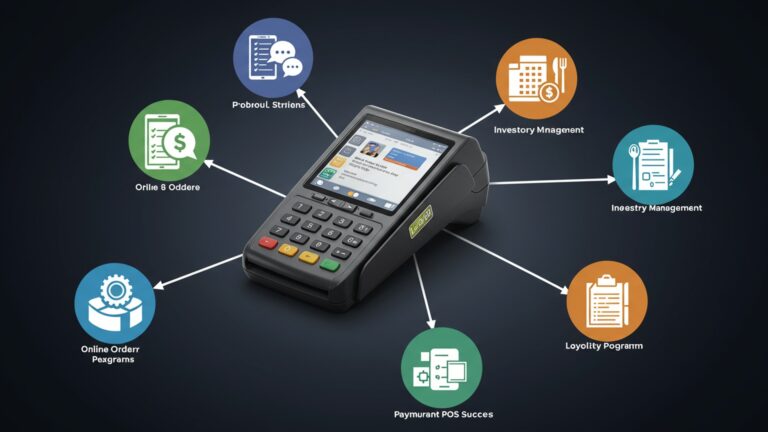
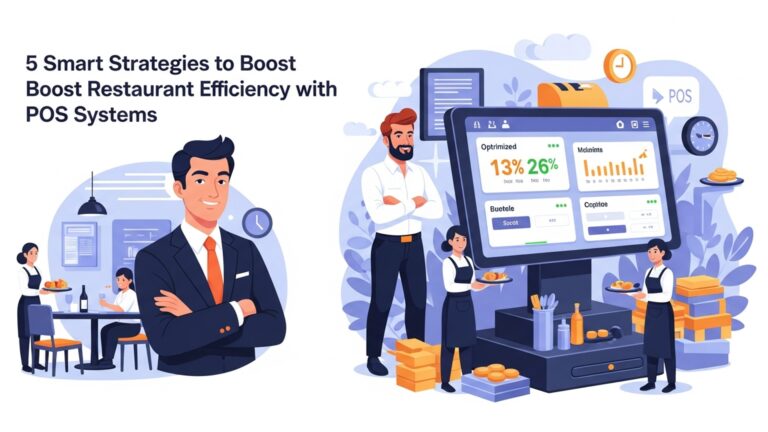
Restaurant POS software has become a revenue engine rather than a simple checkout tool, especially as cloud-based platforms now connect ordering, inventory. payments in real time. Modern Restaurant POS software uses AI-driven sales forecasting, mobile POS terminals. automated menu updates to reduce order mistakes while capturing upsell opportunities during peak hours. As contactless payments, QR code ordering. kitchen display systems gain traction in 2025, operators rely on centralized dashboards to spot bottlenecks, flag pricing errors. prevent inventory shrinkage before it hits margins. Integrated loyalty data and dynamic pricing allow restaurants to respond instantly to demand shifts, while role-based access and audit trails cut down on staff errors and fraud. When every transaction feeds actionable data, daily operations become faster, more accurate. measurably more profitable.
Understanding How Restaurant POS Software Impacts Daily Operations
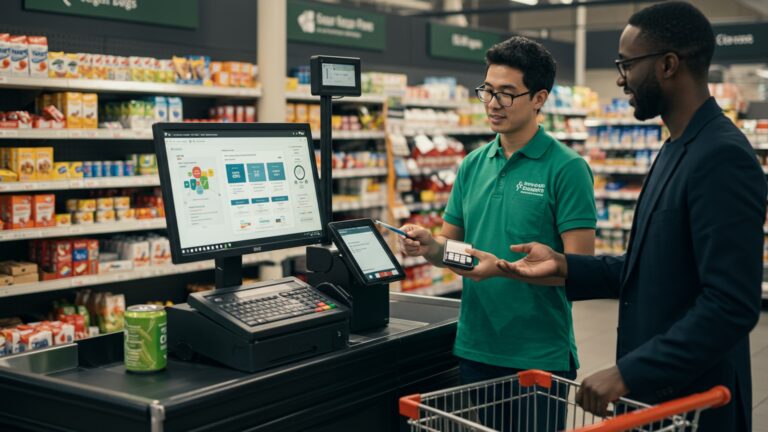
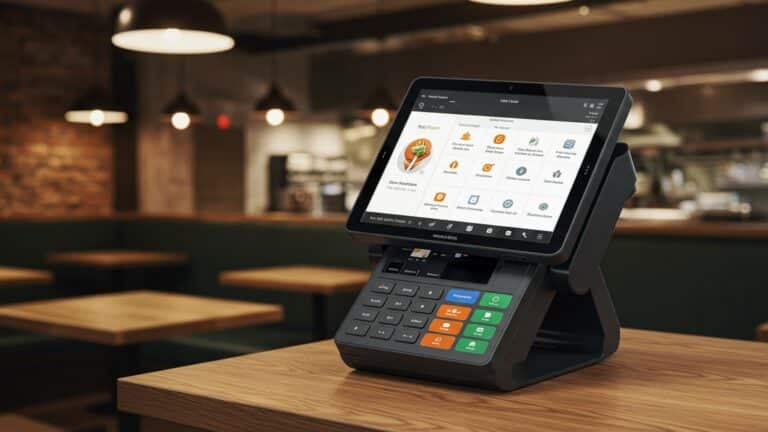
Restaurant POS software sits at the center of modern restaurant operations, acting as the system where sales, orders, payments. reporting all converge. At its core, a POS (Point of Sale) system is the combination of hardware and software that processes transactions. in today’s POS Software category, it goes far beyond billing. Modern systems integrate inventory tracking, staff management, customer data. analytics into a single interface. In my early work with a mid-sized casual dining restaurant, the owners relied on handwritten tickets and a basic cash register. Order mistakes were common, end-of-day reconciliation took over an hour. managers lacked visibility into best-selling items. After switching to a cloud-based POS system, they immediately reduced manual steps, which translated directly into fewer errors and faster service. This foundational role is why Restaurant POS software is often the first technology upgrade recommended by restaurant consultants and hospitality technology experts.
Reducing Order Errors Through Automated Order Management
One of the most immediate benefits of a POS system is the reduction of daily ordering errors. Manual order taking—especially during peak hours—introduces risks such as illegible handwriting, missed modifiers, or incorrect table assignments. POS Software replaces these manual steps with structured digital workflows. Key error-reduction features include:
- Menu-driven order entry with required modifiers (e. g. , cooking preferences, add-ons)
- Direct kitchen display system (KDS) integration, eliminating paper tickets
- Automatic routing of orders to the correct prep station
- Real-time order updates for servers and kitchen staff
According to the National Restaurant Association, order accuracy is one of the top factors influencing repeat visits. By standardizing how orders are captured and communicated, Restaurant POS software helps ensure customers get exactly what they ordered, even during high-volume service.
How Restaurant POS Software Increases Average Order Value
Modern POS platforms are designed not just to process orders. to actively drive sales. One powerful way they do this is through smart upselling and cross-selling prompts built directly into the ordering screen. For example, when a server selects a burger, the system can automatically prompt:
- “Add cheese or bacon?”
- “Upgrade to a combo meal?”
- “Pair with a recommended beverage?”
In a real-world case shared by Toast POS, restaurants using automated upsell prompts saw measurable increases in average ticket size within weeks of activation. Because these suggestions are embedded in the workflow, they feel natural rather than pushy, benefiting both staff confidence and customer experience.
Improving Inventory Accuracy and Reducing Waste
Inventory mismanagement is a silent profit killer in food service. Over-ordering leads to spoilage, while under-ordering results in lost sales and frustrated customers. POS Software with inventory management capabilities links each sale to ingredient usage, updating stock levels in real time. Practical advantages include:
- Automatic deduction of ingredients based on menu items sold
- Low-stock alerts and reorder notifications
- Visibility into high-waste or low-margin items
- Historical data for more accurate forecasting
During a pilot project I observed at a quick-service restaurant, managers used POS inventory reports to identify that one popular dish had a lower margin due to rising ingredient costs. By adjusting portion sizes and supplier contracts, they improved profitability without raising menu prices.
Speeding Up Service to Increase Table Turnover
Speed of service has a direct impact on revenue, especially in fast-casual and full-service environments where table turnover matters. A well-implemented POS system streamlines every step of the service cycle—from order entry to payment processing. Key speed-enhancing features include:
- Mobile POS devices for tableside ordering and payments
- Integrated contactless and digital wallet payments
- Pre-splitting checks and automated gratuity calculations
According to data from Square and Lightspeed, restaurants using tableside payment solutions often reduce checkout time by several minutes per table. Over the course of a busy shift, this can mean serving more guests without adding staff.
Centralized Reporting and Analytics for Smarter Decisions
Data-driven decision-making is one of the strongest long-term advantages of POS Software. Instead of relying on intuition, managers gain access to real-time dashboards and detailed reports covering sales, labor. inventory. Common reports include:
- Hourly, daily. weekly sales trends
- Top- and bottom-performing menu items
- Labor cost percentages by shift
- Void, refund. discount tracking
Harvard Business Review has consistently emphasized that organizations using analytics outperform competitors in profitability. In restaurants, this means identifying which promotions actually drive sales and which staffing patterns reduce overtime without hurting service quality.
Minimizing Cash Handling Errors and Payment Discrepancies
Cash management is another area where daily errors can quietly accumulate. Manual cash drawers increase the risk of counting mistakes, theft. reconciliation issues. Restaurant POS software automates much of this process. Benefits include:
- Automated cash drawer tracking per employee
- End-of-day reconciliation reports
- Secure user permissions and audit trails
- Integrated card and digital payment processing
In my experience auditing a small restaurant group, discrepancies dropped significantly after implementing individual cashier logins and automated cash reports. Managers could quickly pinpoint issues and address training gaps instead of guessing where losses occurred.
Comparing Traditional Cash Registers vs Modern POS Software
| Feature | Traditional Cash Register | Modern Restaurant POS Software |
|---|---|---|
| Order Accuracy | Manual entry, high error risk | Structured digital ordering |
| Inventory Tracking | Manual counts | Real-time automated tracking |
| Sales Analytics | Limited or none | Detailed reports and dashboards |
| Payment Options | Cash and basic cards | Cards, mobile wallets, contactless |
This comparison highlights why modern POS Software is considered a revenue-enabling tool rather than just a transactional system.
Enhancing Staff Performance and Accountability
Employee performance directly affects sales and error rates. POS systems support staff by simplifying tasks and providing accountability through user-based access controls. Staff-focused features include:
- Individual logins for tracking sales and errors
- Built-in training modes for new hires
- Performance reports by server or cashier
A restaurant manager I interviewed noted that sharing weekly POS performance reports with staff encouraged healthy competition and reduced voids and incorrect orders. Transparency, when used constructively, often leads to better habits and higher morale.
Supporting Customer Loyalty and Repeat Business
Beyond daily transactions, Restaurant POS software helps build long-term customer relationships. Many systems integrate with CRM and loyalty programs, capturing valuable customer data at checkout. Common loyalty features include:
- Points-based rewards and discounts
- Customer purchase history tracking
- Email and SMS marketing integrations
Research from Bain & Company shows that increasing customer retention by just 5% can significantly boost profits. POS-driven loyalty tools make it easier for restaurants to recognize repeat customers and reward them consistently, driving both sales growth and brand loyalty.
Conclusion
The best restaurant POS software does far more than process bills; it quietly shapes daily decisions that lift sales and cut costly mistakes. From real-time menu insights to automated inventory alerts, today’s cloud-based systems reflect a growing trend toward data-led kitchens and faster service. I’ve seen a mid-sized café boost weekend revenue simply by using POS reports to spot top-selling combos and train staff around them within a week. The key is to act on the data, not just collect it, while choosing features that match your pace and team size, as highlighted in this guide on how POS reduces errors and boosts sales. Start small by reviewing daily reports, tighten order flows. involve your staff early so adoption feels natural. When technology supports people instead of replacing them, accuracy improves, guests return. confidence grows. Invest with intent, stay curious about updates. let your POS become a daily partner in building a stronger, more profitable restaurant.
More Articles
11 Ways Restaurant POS Software Improves Order Accuracy and Faster Service
How to Use Restaurant POS Features to Speed Up Orders and Payments
Key Features to Look for When Choosing Restaurant POS Software Systems
9 Signs Your Restaurant Needs POS Software to Simplify Daily Operations
How to Choose Essential Features of Restaurant POS for Smooth Daily Operations

FAQs