5 Common Problems Solved by Modern Restaurant POS Systems
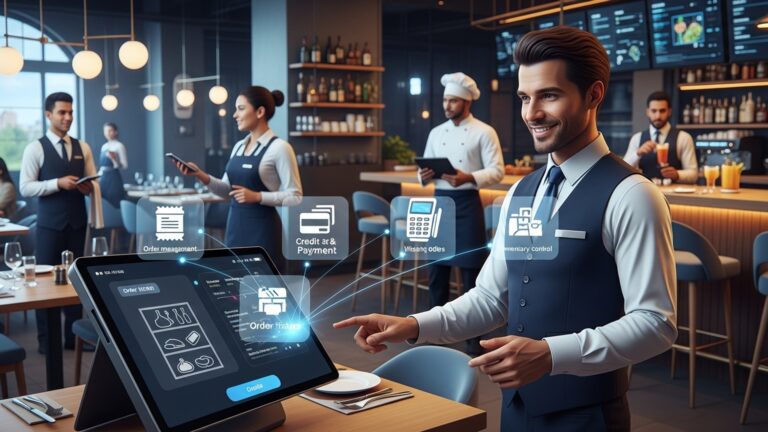
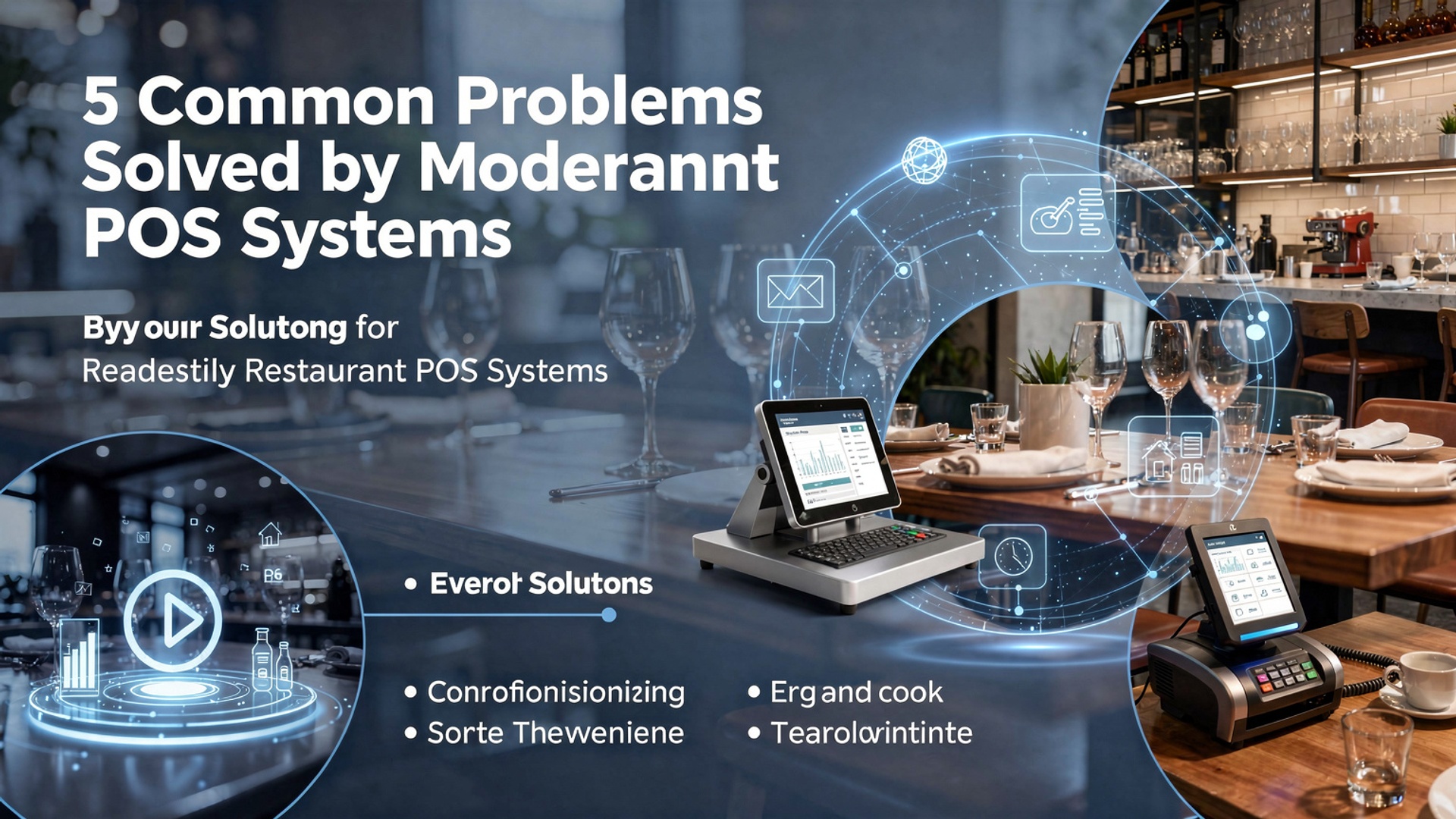
In the fast-paced restaurant industry, where efficiency and customer satisfaction are paramount, modern Restaurant POS software has become a game-changer, addressing pain points that once hindered operations. From streamlining order management during peak hours to tackling inventory discrepancies in real-time, these systems are revolutionizing how restaurants function. For instance, cutting-edge cloud-based POS solutions now offer integrated analytics, enabling managers to track sales trends and optimize menus based on customer preferences, a feature that was nearly impossible a decade ago. Moreover, with mobile POS capabilities rising in popularity, servers can take orders tableside, reducing errors and enhancing the dining experience. As contactless payments and digital wallets have become the norm post-pandemic, robust POS platforms now handle diverse payment methods seamlessly, ensuring speed and security. By addressing these challenges, modern Restaurant POS software doesn’t just simplify operations—it empowers restaurateurs to focus on what truly matters: delivering exceptional food and service.
Streamlined Order Management
- Problem
- Solution
- Key Feature
Traditional methods of order management, such as handwritten tickets or verbal communication between servers and the kitchen, often result in errors, delayed service. dissatisfied customers.
Modern Restaurant POS software offers a seamless, digital way to manage orders. Orders are taken on handheld devices or tablets and sent directly to the kitchen or bar. This eliminates the need for manual communication and reduces the chance of errors like forgotten or inaccurate orders.
Some systems even allow customization of orders with detailed instructions that ensure every dish is prepared exactly as requested.
For example, restaurants like fast-casual chains use POS-integrated kitchen display systems to prioritize and display orders in real-time, speeding up the preparation process and enhancing accuracy.
Inventory Management and Waste Reduction
- Problem
- Solution
- Key Feature
Many restaurants struggle with tracking inventory accurately, which can lead to over-ordering, food waste, or stockouts of key ingredients.
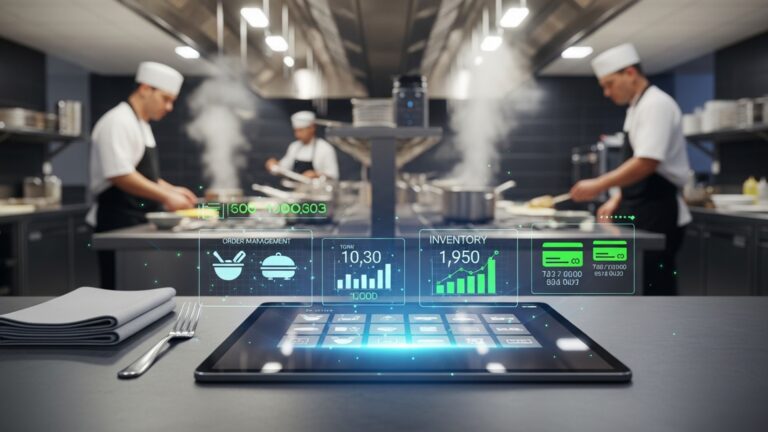
Restaurant POS software comes equipped with inventory management tools that track ingredient usage in real-time. This ensures that restaurants always know what’s in stock and can reorder supplies accordingly.
Advanced systems can also provide automatic alerts when inventory levels are low or when a certain item is nearing expiration.
Consider a mid-sized Italian restaurant using this tool to track the usage of fresh ingredients like basil, mozzarella. tomatoes. The system not only reduces food waste but also helps maintain consistent quality by ensuring fresh supplies are always available.
Enhanced Customer Relationship Management (CRM)
- Problem
- Solution
- Key Feature
Building a loyal customer base can be challenging without tools to gather and review customer data effectively.
Modern Restaurant POS software integrates CRM features to help store customer preferences, order histories. contact data. This enables restaurants to provide personalized service and marketing.
Loyalty programs, discounts. targeted promotions can also be managed through the POS system, encouraging repeat business.
For instance, a coffee shop can use their POS system to track frequent customers and offer a free drink after their 10th visit, fostering customer loyalty and increasing repeat visits.
Improved Employee Management
- Problem
- Solution
- Key Feature
Managing staff schedules, tracking hours. monitoring performance can be time-consuming and prone to errors when done manually.
Restaurant POS software simplifies employee management by providing tools for scheduling, clocking in/out. tracking sales performance.
Managers can use the system to identify top-performing employees, which can be essential for staffing decisions and providing incentives.
A real-world example is a diner that uses POS-integrated time tracking to ensure payroll accuracy. This saves time and reduces disputes over hours worked.
Seamless Payment Processing
- Problem
- Solution
- Key Feature
Slow or inefficient payment processing can create a negative dining experience. Outdated methods, such as cash-only policies, limit payment options and frustrate customers.
Restaurant POS software supports a variety of payment methods, including credit/debit cards, mobile wallets. contactless payments. This ensures faster and more flexible transactions.
Many systems also include split-bill functionality, which is particularly useful for group dining scenarios.
A family-friendly restaurant might use POS software to allow parents to pay via a mobile app while their kids play in a designated area, making the payment process more convenient for everyone involved.
Conclusion
Modern restaurant POS systems have revolutionized the way food businesses tackle everyday challenges, offering tailored solutions for efficiency and profitability. From streamlining operational workflows to managing inventory in real time, these systems empower restaurant owners to focus on what truly matters—delivering an exceptional dining experience. For example, automated order processing minimizes errors, ensuring that customers receive the right dishes quickly, while robust sales analytics provide actionable insights for smarter decision-making. In today’s highly competitive landscape, the ability to swiftly adapt to customer trends through modern tools like cashless payment integration or mobile ordering is no longer optional but essential. As someone who has worked closely with restaurant technology, I’ve seen firsthand how the right POS system can transform a struggling business into a thriving one. My advice? Don’t settle for outdated systems that barely meet your needs. Invest in advanced POS solutions that simplify operations while giving you the data to grow. Stay informed about the latest trends, such as AI-driven predictive analytics or omnichannel customer management, to stay ahead of the curve. Remember, every feature your POS system offers is an opportunity to enhance efficiency, increase revenue. create memorable customer experiences. Start today by exploring how innovative POS systems can redefine your restaurant operations. The future of your business deserves nothing less than the best tools available.
More Articles
How to Identify the 8 Essential Features of a Restaurant POS System
5 Proven Strategies to Maximize Profits Using Restaurant POS Software
How to Master Restaurant POS Features That Boost Efficiency and Customer Satisfaction
7 Essential Features to Look for in POS Software Chennai
10 Smart Ways Restaurant POS Software Improves Daily Operations and Customer Experience

FAQs
How does a POS system help with order mistakes?
Modern POS systems allow servers to input orders directly into the system, reducing human error and ensuring the kitchen gets the correct order details.
Can a POS system speed up payment processing?
Yes, modern POS systems make payments faster with options like contactless payments, split bills. integrated card readers.
What’s the benefit of tracking inventory with a POS?
A POS system tracks inventory in real time, helping restaurants keep tabs on stock levels and avoid running out of key ingredients.
How do POS systems improve customer management?
They store customer details, letting restaurants offer loyalty programs, personalized promotions. better service.
Why are reporting features vital in a POS system?
Reporting features give detailed insights into sales, staffing. inventory, helping restaurant owners make informed decisions.
Do POS systems make staff scheduling easier?
Yes, some POS systems include tools to manage employee schedules and track work hours more efficiently.
Can POS systems handle online orders too?
Absolutely, modern POS systems integrate with online ordering platforms to streamline both in-house and online orders.