How to Choose the Best Restaurant POS Features for Your Business
In today’s fast-paced restaurant industry, choosing the right POS features can be the difference between streamlined efficiency and operational headaches. Modern systems offer more than basic payment processing, integrating tools like inventory tracking, customer relationship management. real-time sales analytics to keep businesses competitive. For instance, cloud-based solutions are gaining traction for their flexibility, allowing managers to access insights remotely and adapt to changing demands. Features like contactless payment options, online ordering integrations. customizable reporting are now essential as consumer preferences shift towards digital-first experiences. Also, AI-powered POS systems are emerging, helping restaurants predict peak hours and optimize staffing. With so many advancements, it’s vital for businesses to focus on features that align with their operational goals, whether it’s enhancing customer convenience, reducing waste, or improving scalability. Understanding these trends and matching them to your needs ensures your POS system becomes a cornerstone of success rather than a costly misstep.
Understanding Restaurant POS Features
- Point of Sale (POS) System
- Restaurant POS Features
- Importance of Choosing the Right Features
A POS system is a combination of hardware and software that enables businesses to process orders, manage sales. track transactions. For restaurants, it’s tailored to accommodate specific needs like menu management and table service.
These refer to the functionalities built into POS systems specifically designed for restaurant operations, including inventory tracking, employee management. customer relationship tools.
Selecting the best features can streamline operations, improve customer experience. boost profitability.
Key Factors to Consider When Evaluating Features
- Business Type
- Scalability
- Ease of Use
Fast-casual, fine dining, or quick service establishments might require different POS functionalities.
Opt for features adaptable to your restaurant’s growth, such as multi-location support.
Modern systems should have intuitive interfaces to reduce training time for staff.
Essential Restaurant POS Features to Look For
- Order Management
- Menu Customization
- Inventory Management
- Table Management
- Employee Management
- Payment Processing
- Customer Relationship Management (CRM)
- Reporting and Analytics
A robust system should handle dine-in, takeout, delivery. online orders seamlessly.
Easier modification for seasonal specials, pricing changes, or promotions is a key time-saver.
Real-time tracking ensures restaurant owners can manage stock levels and reduce waste efficiently.
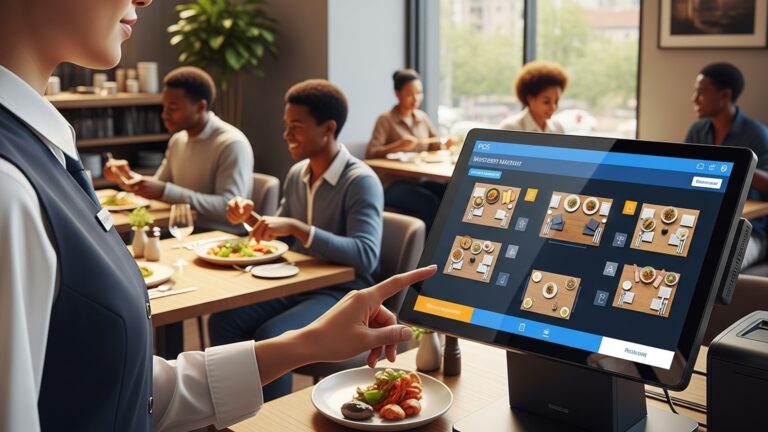
Visual layouts help staff manage seating arrangements and reservations effectively.
Features like shift scheduling, attendance tracking. payroll processing can simplify workforce management.
Support for multiple payment methods, including credit cards, mobile payments. contactless transactions, ensures customer convenience.
Tools that manage loyalty programs, collect customer feedback. track preferences can enhance repeat business.
Data-driven insights on sales trends, peak hours. customer behaviors can improve decision-making.
Comparing Cloud-Based vs. On-Premise POS Features
| Feature | Cloud-Based POS | On-Premise POS |
|---|---|---|
| Accessibility | Accessible from anywhere with internet connection | Limited to physical location |
| Data Security | Data stored securely on cloud servers | Data stored locally; requires manual backups |
| Scalability | Highly scalable for growing businesses | Requires hardware upgrades for expansion |
| Upfront Costs | Subscription-based; lower initial investment | Higher upfront hardware costs |
| Updates | Automatic updates with minimal downtime | Manual updates; may require technical support |
Real-World Applications of Restaurant POS Features
- Fast Food Chains
- Fine Dining Restaurants
- Food Trucks
- Multi-location Restaurants
- Cafes
Efficient order management systems that integrate drive-thru orders and mobile app orders.
Table management features that track reservations and VIP customer preferences.
Mobile POS systems enabling quick payment processing and inventory tracking on the go.
Centralized reporting features to oversee operations across all branches.
Loyalty programs and CRM features that reward returning customers and enhance engagement.
Actionable Tips for Choosing the Best POS Features
- Define Your Goals
- Demo and Trial
- Consult Peers
- Customer Support
- Budget
Outline specific operational challenges your restaurant faces and identify POS features that address them.
Test different systems through free trials to assess usability and functionality.
Seek recommendations from other restaurant owners to learn about their experiences with POS systems.
Prioritize vendors that offer reliable 24/7 technical support.
Balance cost considerations with the feature set to ensure long-term value for your investment.
Conclusion
Choosing the best restaurant POS features for your business is no longer just about streamlining operations—it’s about setting the stage for long-term growth in an ever-evolving industry. By focusing on features that align with your specific needs, such as advanced reporting, seamless integrations, or mobile ordering capabilities, you ensure your system works as hard as you do. Current trends suggest that cloud-based solutions and AI-driven analytics are no longer optional but essential tools for staying competitive. For instance, integrating your POS with a kitchen display system can improve order accuracy and reduce waste, making technology an ally in cost management. Drawing from personal experiences, investing time upfront to test different POS systems with a demo or free trial can prevent headaches later. I once worked with a restaurant that skipped this step. their initial POS didn’t support online delivery—a costly oversight in today’s digital-first dining landscape. Take advantage of customer reviews, vendor support. software demos to make informed decisions. Remember, the right POS system isn’t just a purchase; it’s a partnership that supports your goals. Stay adaptable, commit to regular updates. trust that with the right tools, your restaurant can thrive in both the challenges and opportunities of the modern market. For more insights into maximizing your POS software’s potential, explore the linked articles below.
More Articles
5 Best Practices for Using Restaurant POS Software to Maximize Profits
5 Ways Restaurant POS Software Can Improve Customer Experience
5 Common Restaurant POS Software Mistakes and How to Avoid Them
How to Set Up a POS Software with Kitchen Display System for Better Efficiency
How to Choose the Best Restaurant POS Features for Seamless Operations

FAQs
Why is it crucial to choose the right POS for a restaurant?
The right POS system simplifies operations, improves customer experience. helps you track sales and inventory efficiently.
What features should I look for in a restaurant POS?
Look for features like order management, inventory tracking, table reservations, payment processing. integration with other tools you use.
Do I need a cloud-based POS system?
A cloud-based POS system offers flexibility, remote access. automatic updates, making it a good choice for most restaurants.
Can I customize a POS system to fit my restaurant’s needs?
Yes, many POS systems allow customization, so you can add or remove features based on your specific requirements.
How do I know if the POS is easy to use?
Check for intuitive design, clear menus. training resources. You can also look for user reviews to see what others say.
What’s the best way to test a POS before buying?
Request a demo or trial version from the provider, so you can see how it works and ensure it meets your needs.
How much should I budget for a restaurant POS?
Costs vary widely. plan for initial setup fees, hardware costs. monthly subscription fees. Make sure it aligns with your budget.
Is tech support vital for a POS system?
Absolutely. Reliable tech support ensures you can resolve any issues quickly without disrupting your business.