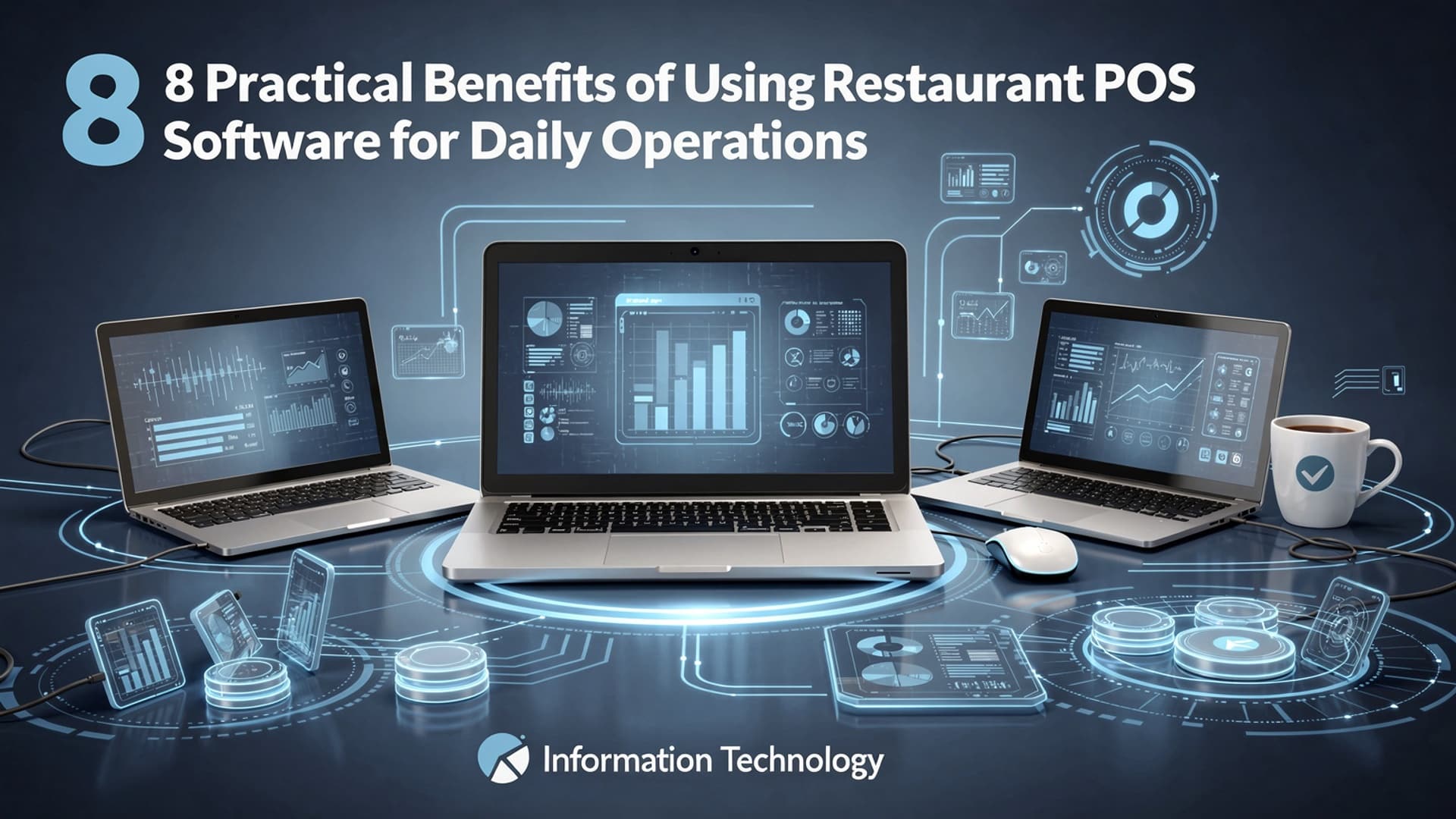
8 Practical Benefits of Using Restaurant POS Software for Daily Operations
Rising labor costs, omnichannel ordering. real-time guest expectations have turned Restaurant POS software into a core operational system rather than a simple checkout tool. Modern platforms now unify cloud-based order management, embedded payments. AI-driven sales forecasting to keep kitchens responsive during peak hours while reducing waste through automatic inventory depletion. In 2025, operators increasingly rely on QR code ordering, contactless wallets. direct integrations with delivery marketplaces to maintain speed and accuracy across dine-in and off-premise channels. Advanced POS dashboards surface live margin data, flag compliance risks in labor scheduling. adapt menus dynamically based on demand signals. With improved offline reliability and stronger PCI DSS 4. 0 security standards, today’s systems support daily decision-making at scale, turning transactional data into actionable intelligence that directly impacts profitability and service consistency.
1. Faster and More Accurate Order Processing
Restaurant POS software is designed to streamline how orders move from the front of house to the kitchen. Instead of relying on handwritten tickets or verbal communication, orders entered into the system are instantly transmitted to kitchen display systems (KDS) or printers.
- Reduces human errors such as incorrect items or modifiers
- Speeds up table turnover during peak hours
- Improves guest satisfaction through faster service
In a 2023 case study published by the National Restaurant Association, restaurants using digital POS systems reported up to a 25% reduction in order errors. For example, a mid-sized casual dining restaurant in Chicago switched from paper tickets to Restaurant POS software with KDS integration and saw noticeable improvements in kitchen coordination within two weeks.
2. Centralized Sales and Revenue Tracking
One of the core benefits of Restaurant POS software is its ability to collect and organize sales data in real time. Every transaction—dine-in, takeaway, or delivery—is logged automatically.
- Tracks daily, weekly. monthly sales performance
- Breaks down revenue by item, category, or time period
- Helps identify best-selling and underperforming menu items
This centralized data allows managers to make informed decisions. According to Harvard Business Review, data-driven businesses are 5% more productive and 6% more profitable on average. In practice, restaurant owners often use POS sales reports to adjust menus or pricing based on actual customer demand.
3. Improved Inventory Management and Cost Control
Restaurant POS software often integrates inventory management features that automatically deduct stock levels as items are sold. This reduces manual counting and helps prevent overstocking or shortages.
- Real-time inventory updates linked to sales
- Low-stock alerts for key ingredients
- Waste tracking to identify cost leaks
For example, a quick-service restaurant chain documented by Toast POS reduced food waste by nearly 15% after enabling automated inventory tracking. By understanding ingredient usage patterns, managers can order more accurately and control food costs more effectively.
4. Better Staff Management and Labor Optimization
Managing staff schedules and performance is a daily operational challenge. Many Restaurant POS software solutions include employee management tools that simplify this process.
- Clock-in and clock-out tracking
- Sales performance reports by employee
- Integration with payroll systems
These features help ensure labor costs stay within budget. The U. S. Bureau of Labor Statistics consistently identifies labor as one of the highest operating costs in food service. POS-driven insights allow managers to schedule staff based on actual traffic patterns rather than guesswork.
5. Enhanced Customer Experience and Loyalty Programs
Modern Restaurant POS software supports customer relationship management (CRM) features that help restaurants personalize service and build loyalty.
- Stores customer order history and preferences
- Supports digital loyalty programs and rewards
- Enables targeted promotions and discounts
A real-world example comes from a regional café brand that implemented POS-based loyalty tracking. Within six months, repeat visits increased by 18%. According to Deloitte’s hospitality insights, personalized experiences are a key driver of customer retention, especially among younger adults.
6. Seamless Integration with Online Ordering and Delivery Platforms
As online ordering becomes a standard expectation, Restaurant POS software plays a crucial role in managing multiple sales channels from one system.
- Integrates with third-party delivery apps like Uber Eats or DoorDash
- Consolidates online and in-store orders into one workflow
- Reduces order duplication and missed tickets
Without POS integration, staff often re-enter online orders manually, increasing errors. Integrated systems automatically sync orders, improving accuracy and reducing staff workload. This is especially valuable for small teams handling high order volumes.
7. Actionable Reporting and Business Insights
Beyond basic sales data, Restaurant POS software provides detailed analytics that support strategic decision-making.
- Customizable reports on sales, labor. inventory
- Trend analysis by time, location, or menu item
- Exportable data for accountants or consultants
For instance, comparing weekday versus weekend performance can reveal opportunities to launch promotions during slower periods. Many POS providers base their reporting frameworks on accounting standards recommended by organizations such as the American Institute of Certified Public Accountants (AICPA).
8. Scalability and Consistency for Growing Restaurants
As restaurants expand to multiple locations, maintaining consistency becomes more complex. Restaurant POS software helps standardize operations across all outlets.
- Centralized menu and pricing updates
- Multi-location reporting from a single dashboard
- Consistent service and operational workflows
A multi-unit restaurant group interviewed by Square reported smoother expansion after adopting a cloud-based POS system. New locations were onboarded faster. corporate teams maintained visibility without being on-site. Cloud-based Restaurant POS software is particularly effective for businesses planning long-term growth.
Conclusion
Adopting restaurant POS software is no longer about faster billing; it’s about running smarter every single day. From real-time inventory to cleaner reports and smoother staff coordination, these benefits compound quickly. I’ve seen owners reclaim hours weekly simply by automating end-of-day reconciliations. with 2025 trends like cloud sync and AI-driven sales insights becoming standard, the advantage is only growing. My personal tip is to start small: activate one feature this week, track its impact, then expand with confidence. As tools evolve, choosing systems aligned with daily workflows makes operations calmer and customers happier. If you want a deeper look at features that truly move the needle, explore what matters most in restaurant POS software for daily operations at Clotouch. Take action today, trust the process. let your POS work as hard as you do.
More Articles
7 Benefits of Cloud Based Restaurant POS Software for Growing Restaurants
10 Ways Restaurant POS Software Improves Order Accuracy and Speed
7 Common Restaurant POS Software Mistakes Owners Should Avoid for Better Profits
How Restaurant POS Software Helps Small Restaurants Increase Speed Accuracy and Profits?

FAQs
What are the main daily benefits of using restaurant POS software?
Restaurant POS software helps streamline order taking, billing, inventory tracking. reporting in one system. This reduces manual work, minimizes errors. allows staff to focus more on customer service instead of paperwork.
How does POS software make order management easier?
POS systems send orders directly to the kitchen or bar as soon as they’re placed. This speeds up service, reduces miscommunication. ensures orders are prepared accurately, even during busy hours.
Can a POS system really help reduce mistakes at checkout?
Yes, by automating price calculations, taxes. discounts, POS software lowers the chances of human error. This results in more accurate bills and fewer disputes with customers.
In what way does POS software help with inventory control?
POS software tracks ingredient usage in real time as items are sold. This helps restaurants know what’s running low, avoid over-ordering. reduce food waste.
How does using a POS system improve staff efficiency?
With clear order flows, faster payments. easy access to menus, staff can serve more customers in less time. Some systems also track staff performance and shift data, making scheduling simpler.
Does POS software help restaurant owners make better decisions?
Yes, POS systems generate daily sales reports, best-selling item lists. peak-hour data. These insights help owners adjust menus, pricing. staffing based on actual performance.
Is POS software useful for customer experience, or just operations?
It benefits both. Faster service, accurate orders. flexible payment options improve the customer experience, while loyalty data and order history help create more personalized service over time.