5 Smart Strategies to Optimize Your Restaurant with POS Technology
The modern restaurant industry demands more than just great food; it requires operational agility and data-driven insights to thrive amidst rising costs and evolving customer expectations. Simply processing transactions no longer suffices; today’s top-performing establishments strategically deploy advanced Restaurant POS software to unify front-of-house service with back-of-house efficiency. This isn’t merely a cash register replacement but a central nervous system, integrating inventory management, staff scheduling. robust customer relationship data, enabling real-time analytics for smarter decision-making. Forward-thinking restaurateurs leverage these platforms to automate order processing, minimize waste. craft personalized guest experiences, transforming everyday operations into a competitive advantage.
1. Streamlining Order Management and Kitchen Workflow
In the fast-paced environment of a restaurant, efficient order management is paramount to customer satisfaction and operational fluidity. Traditional manual ordering systems, often involving pen and paper, are prone to errors, slow down service. create bottlenecks in the kitchen. These inefficiencies directly impact table turnover and the overall dining experience.
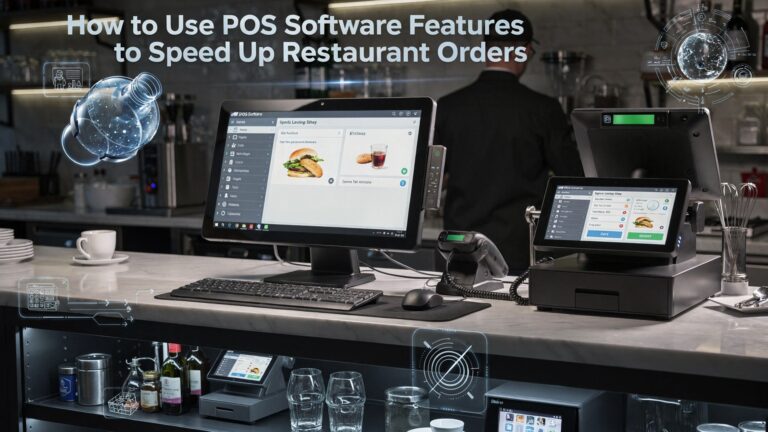
This is where modern Restaurant POS software becomes an indispensable tool. A Point-of-Sale (POS) system is essentially the central hub for all sales transactions in a business. For restaurants, it goes far beyond just processing payments; it integrates every aspect of the ordering process, from the moment a customer places an order to its delivery to their table.
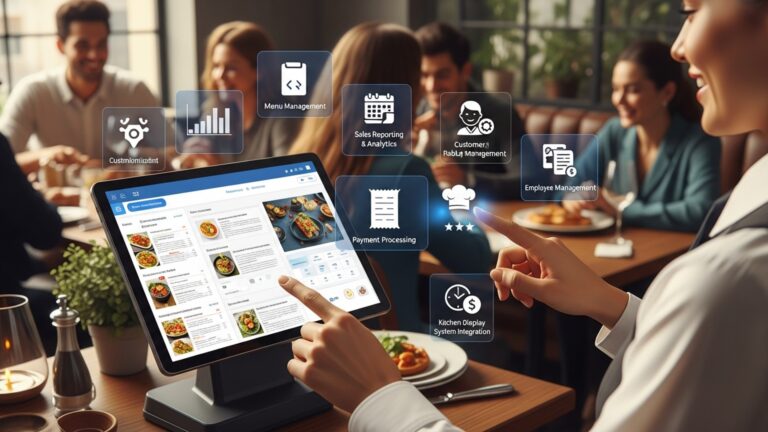
One of the most significant advancements offered by comprehensive Restaurant POS software is the integration with a Kitchen Display System (KDS). A KDS is a digital screen that replaces paper tickets in the kitchen. When an order is entered into the POS, it’s immediately displayed on the KDS in the kitchen, segmented by preparation station (e. g. , grill, fry, expediting). This digital workflow eliminates misplaced tickets, illegible handwriting. delays in communication between front-of-house and back-of-house staff.
Consider the case of “The Urban Spoon,” a bustling bistro that struggled with long wait times during peak hours. Before implementing a robust Restaurant POS software with KDS integration, their servers would hand-deliver paper tickets to the kitchen, often leading to confusion and delayed orders. After adopting the new system, order accuracy improved by 15%. average food delivery time to tables decreased by 7 minutes during lunch rushes. Servers could focus more on customer interaction. kitchen staff had a clear, real-time overview of incoming orders, prioritized items. preparation times.
Actionable Takeaways:
- Invest in Restaurant POS software that offers seamless KDS integration to digitize your kitchen workflow.
- Train your staff thoroughly on how to use the POS system for order entry, modifications. special requests to minimize errors.
- Utilize features like order modifiers (e. g. , “no onions,” “extra sauce”) directly through the POS to ensure precise communication with the kitchen.
2. Enhancing Customer Experience and Loyalty
In today’s competitive culinary landscape, providing an exceptional customer experience (CX) is just as crucial as serving great food. Customers expect convenience, personalization. rewards for their loyalty. Restaurant POS software plays a pivotal role in meeting these evolving expectations, transforming transactional interactions into meaningful relationships.
Modern POS systems are equipped with Customer Relationship Management (CRM) functionalities or integrate easily with dedicated CRM platforms. A CRM system helps businesses manage and assess customer interactions and data throughout the customer lifecycle, with the goal of improving business relationships with customers, assisting in customer retention. driving sales growth. For restaurants, this means collecting valuable data like order history, dietary preferences, visit frequency. even birthday insights.
Imagine a scenario where a regular customer, Sarah, visits “Pasta Paradise.” When she checks out, the Restaurant POS software automatically recognizes her through her loyalty card or phone number. The system not only applies her accumulated points but also prompts the server to ask if she’d like her usual “Aglio e Olio with extra chili flakes.” This level of personalized service makes Sarah feel valued and understood, fostering a stronger connection with the restaurant.
Many Restaurant POS software solutions also facilitate robust loyalty programs. These can range from simple point-based systems (e. g. , earn 1 point for every $1 spent, redeem 100 points for a free appetizer) to tiered programs offering exclusive discounts or early access to new menu items. Some advanced systems allow for automated marketing campaigns, sending personalized offers or birthday greetings directly to customers based on their purchase history or special dates stored in the CRM.
| Loyalty Program Type | Description | POS Integration Benefit |
|---|---|---|
| Points-Based | Customers earn points for purchases, redeemable for rewards. | Automated point tracking, redemption at checkout, customer profile management. |
| Tiered Programs | Customers unlock higher reward tiers based on spending or visit frequency. | Automatic tier advancement, personalized offers based on tier status. |
| Punch Card (Digital) | Buy X, get Y free (e. g. , Buy 9 coffees, get 10th free). | Digital tracking of purchases, automated free item dispensing. |
Actionable Takeaways:
- Choose Restaurant POS software with integrated CRM capabilities or robust integration options for external CRM tools.
- Implement a loyalty program through your POS system to reward repeat customers and gather valuable data.
- Train your front-of-house staff to leverage customer data from the POS to offer personalized recommendations and service.
3. Optimizing Inventory and Supply Chain Management
For restaurants, managing inventory effectively is a delicate balancing act. Overstocking leads to waste and spoilage, tying up capital and reducing profit margins. Understocking, conversely, can result in menu item unavailability, disappointing customers. lost sales. Traditionally, inventory management involved tedious manual counts, prone to human error and offering only a snapshot in time.
Modern Restaurant POS software transforms this challenging aspect of restaurant operations. Integrated inventory management features within the POS system allow for real-time tracking of ingredients and supplies. Every time an item is sold through the POS, the system automatically deducts the corresponding ingredients from your digital inventory. This provides an accurate, up-to-the-minute overview of stock levels.
Consider a popular pizzeria, “Slice of Heaven.” Before their new Restaurant POS software, the owner would manually count flour, cheese. toppings weekly, leading to frequent stockouts of popular items or excess of less popular ones. Now, when a “Supreme Pizza” is sold, the POS system automatically adjusts the inventory for dough, sauce, cheese, pepperoni, mushrooms, etc. When a specific ingredient quantity falls below a predefined threshold, the system can automatically generate a reorder alert or even trigger an automated purchase order to a preferred supplier. This proactive approach ensures that popular ingredients are always in stock without excessive overstocking.
Beyond tracking, advanced Restaurant POS software can also help identify waste and potential theft by comparing theoretical inventory usage (based on sales) with actual inventory counts. This granular insight allows restaurant owners to pinpoint discrepancies and address operational issues or training needs.
Actionable Takeaways:
- Utilize the inventory management features of your Restaurant POS software to track ingredients in real-time.
- Set up par levels and automated reorder points within your POS to prevent stockouts and overstocking.
- Regularly conduct physical inventory counts and compare them against your POS data to identify discrepancies and reduce waste.
4. Leveraging Data Analytics for Informed Decision-Making
In the digital age, data is a goldmine. Restaurant POS software is your shovel. Beyond processing transactions, a robust POS system collects a vast amount of operational data that, when analyzed, can provide profound insights into your restaurant’s performance. Relying on gut feelings or anecdotal evidence for critical business decisions is a recipe for missed opportunities.
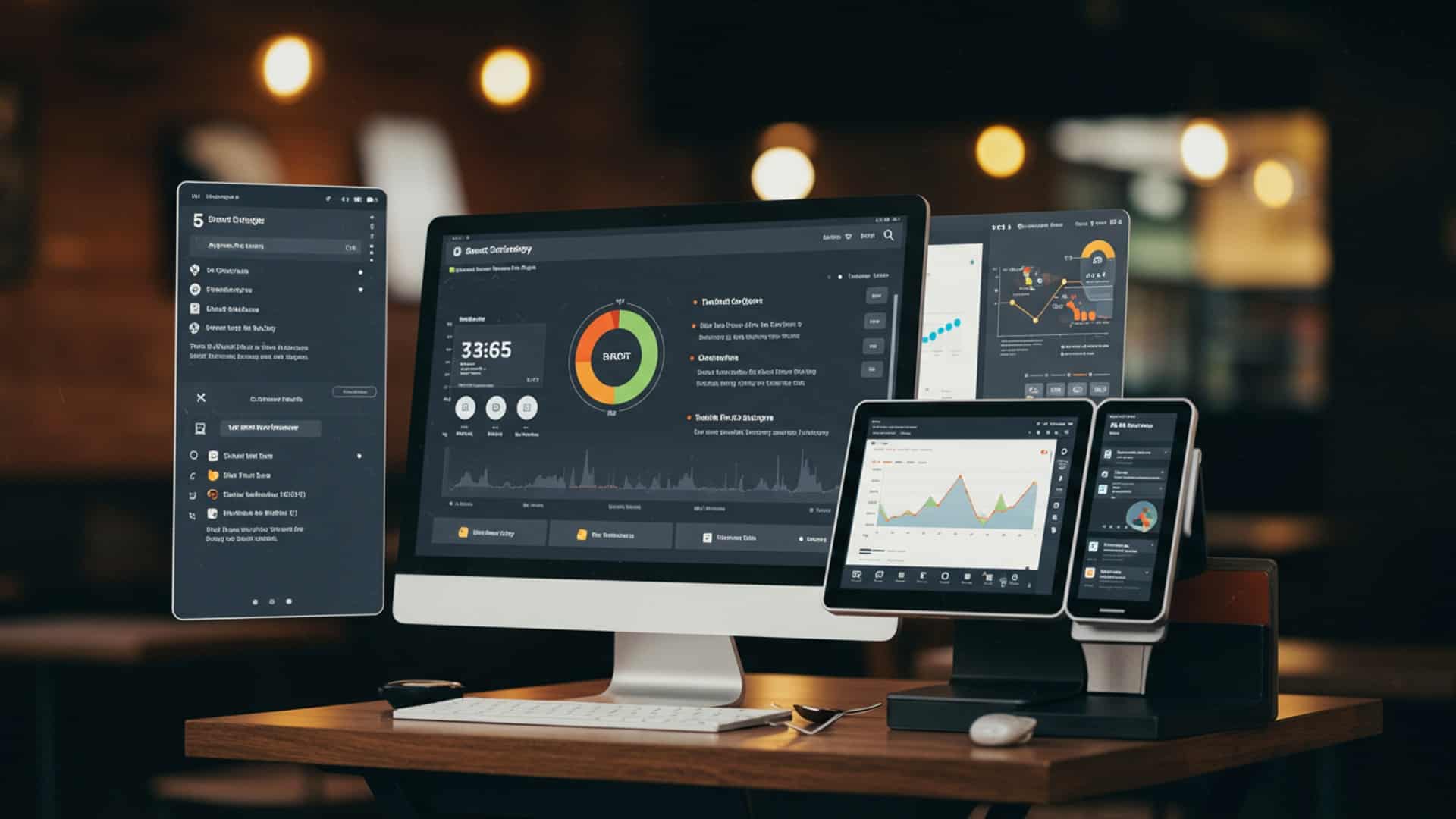
Your Restaurant POS software continuously records every sale, every menu item sold, every discount applied, every payment method used. even individual server performance. This raw data can be compiled into comprehensive reports and dashboards, offering actionable intelligence that empowers owners and managers to make data-driven decisions.
Key insights often derived from POS analytics include:
- Sales Trends
- Menu Performance
- Staff Performance
- Customer Behavior
- Cost of Goods Sold (COGS)
Identify peak hours, popular days of the week. seasonal fluctuations to optimize staffing and marketing efforts.
Pinpoint your best-selling dishes (“stars”) and least popular items (“dogs”). This can inform menu engineering decisions, helping you to remove underperforming items or promote high-profit margin dishes.
Track individual server sales, table turns. average check size to identify top performers and areas where additional training might be needed.
comprehend what types of items are frequently purchased together, informing upselling strategies and promotional bundles.
When integrated with inventory, the POS can provide accurate COGS per dish, helping you price your menu effectively for profitability.
Consider “The Daily Grind” coffee shop. Initially, the owner believed their morning rush was the most profitable period. But, after analyzing POS data, they discovered that while morning sales were high, the average check size was small. Their afternoon sales, though fewer in transactions, had a significantly higher average check due to customers purchasing larger specialty drinks and pastries. This insight led them to shift marketing focus and staffing to better capitalize on the afternoon segment, resulting in a 10% increase in overall daily revenue without increasing operating hours.
Actionable Takeaways:
- Regularly review the sales and performance reports generated by your Restaurant POS software.
- Use menu item popularity and profitability data from your POS to engineer your menu for maximum revenue.
- Monitor staff performance metrics to identify training opportunities and reward high achievers.
- Leverage sales trend data to optimize staffing schedules, ensuring adequate coverage during peak times and reducing labor costs during slower periods.
5. Boosting Efficiency and Reducing Operational Costs
The ultimate goal of any optimization strategy is to improve efficiency and, consequently, reduce operational costs without compromising quality. Restaurant POS software is a powerhouse in achieving this by automating mundane tasks, minimizing human error. providing oversight that leads to smarter resource allocation.
One of the most immediate impacts of Restaurant POS software is the automation of order taking and payment processing. Servers can take orders tableside using handheld devices, which are instantly sent to the kitchen. This eliminates the need for manual transcription, reduces order entry errors. frees up servers to focus more on customer service rather than running back and forth to a stationary terminal. For payments, integrated card readers and mobile payment options speed up checkout, reducing waiting times and improving table turnover.
Moreover, Restaurant POS software significantly reduces errors that can be costly. For example, incorrect orders sent to the kitchen lead to wasted food and dissatisfied customers. Manual calculations for billing are prone to mistakes, leading to either undercharging (lost revenue) or overcharging (customer dissatisfaction). With a POS system, pricing is standardized, discounts are applied automatically. calculations are precise, ensuring accurate billing every time.
Labor management is another area where POS technology shines. Many Restaurant POS software solutions include or integrate with time clock features, allowing employees to clock in and out directly through the system. This provides accurate labor hour tracking, preventing ‘buddy punching’ and streamlining payroll processing. Managers can also use sales data from the POS to create optimized staff schedules, ensuring adequate staffing during busy periods and preventing overstaffing during slower times, directly impacting labor costs—often the largest expense for a restaurant.
| Operational Area | Manual Process | POS Automated Process | Efficiency/Cost Benefit |
|---|---|---|---|
| Order Taking | Pen & paper, running orders to kitchen. | Tablet-based ordering, instant KDS transmission. | Faster service, fewer errors, increased table turns. |
| Billing | Manual calculation, separate card terminal. | Automated calculations, integrated payment processing. | Accuracy, faster checkout, reduced payment processing errors. |
| Time Tracking | Paper time cards, manual payroll calculation. | Digital clock-in/out, automated payroll data export. | Eliminates ‘buddy punching’, accurate labor cost reporting, saves payroll admin time. |
| Inventory Control | Weekly manual counts, reactive ordering. | Real-time deduction, automated reorder alerts. | Reduced waste, optimized stock levels, lower holding costs. |
Actionable Takeaways:
- Implement handheld POS devices for servers to expedite order taking and improve front-of-house efficiency.
- Utilize the integrated time clock and labor management features of your Restaurant POS software to accurately track employee hours and optimize scheduling.
- Leverage the automated billing and payment processing capabilities to reduce human error and speed up service.
- Regularly audit your POS reports to identify areas of inefficiency or unnecessary spending that the system can help mitigate.
Conclusion
Optimizing your restaurant with modern POS technology isn’t just about faster billing; it’s about building a smarter, more resilient business capable of navigating today’s dynamic market. My personal tip is to view your POS not as an expense. as your most diligent employee, constantly gathering data to inform better decisions. For instance, leveraging real-time inventory tracking, a key feature in advanced systems, can dramatically reduce food waste and optimize ordering, addressing a significant pain point for many eateries with fluctuating ingredient costs. Embrace current trends like integrated online ordering and table-side mobile POS, which enhance customer experience and streamline operations. I recall a bustling cafe that cut order errors by 30% and significantly improved table turnover simply by implementing a robust Android POS system for their waitstaff, leading to happier customers and superior efficiency. The future of restaurant management undeniably lies in harnessing these digital tools to create seamless service and data-driven growth. Don’t just install a POS; integrate it fully into your workflow, from supply chain management to customer loyalty programs. The true magic happens when these data insights translate into tangible operational improvements, propelling your restaurant beyond mere survival to thriving success in a competitive landscape.
More Articles
How to Choose and Implement Android POS for Restaurants in India Effectively
How to Select the Ideal POS System for Indian Restaurants Guide
How to Choose the Best Restaurant POS Software in India Guide
Find the 10 Best Android POS Apps to Streamline Your Retail Operations
Discover the Top 7 Android POS Software Solutions for Your Business Needs

FAQs
How can a modern POS system really help my restaurant succeed?
A modern POS isn’t just for taking orders; it’s a powerful tool that streamlines operations, reduces errors, manages inventory, tracks sales. ultimately helps you make smarter business decisions to boost your bottom line and improve efficiency.
Can POS technology actually help me stop wasting food and ingredients?
Absolutely! Advanced POS systems offer robust inventory management. They track ingredient usage in real-time, alert you when stock is low. even help identify items that aren’t selling well, significantly cutting down on food waste and improving cost control.
How does using a smart POS improve the customer experience in my place?
It does wonders! Faster order processing means less waiting, accurate orders mean happier diners. features like loyalty programs or personalized recommendations based on past purchases make customers feel valued, encouraging them to return.
What kind of useful details can I get from my POS system?
You get a treasure trove of data! Think detailed sales reports, peak hour analysis, popular menu items, staff performance insights. even customer spending habits. This data is crucial for tweaking your menu, staffing. marketing strategies.
Does a POS make things easier for my restaurant staff?
Definitely. It simplifies order entry, sends orders directly to the kitchen, manages table assignments. can even help with time tracking and tip distribution. This reduces manual errors, frees up staff to focus on service. makes their jobs smoother overall.
My restaurant does a lot of online orders. Can a POS help manage that?
Yes, many modern POS systems integrate seamlessly with online ordering platforms and delivery services. This means all your orders, whether dine-in or online, flow into one central system, simplifying management, kitchen communication. preventing missed orders.
Is investing in a new POS system really worth the cost for a small restaurant?
While there’s an initial investment, the long-term benefits typically far outweigh the cost. The efficiencies gained in inventory, labor, reduced waste. improved customer satisfaction often lead to significant cost savings and increased revenue, providing a strong return on investment over time.