Ways Restaurant POS Software Helps Reduce Errors Boost Sales and Save Time
Restaurant POS software now sits at the core of modern foodservice operations, turning every order, payment. inventory update into actionable data. As cloud-based POS platforms integrate AI-powered forecasting, real-time menu engineering. contactless payments, restaurants can cut costly order-entry mistakes while accelerating table turns. Recent advances like QR-code ordering, mobile POS terminals. automated kitchen display systems reduce manual touchpoints that cause errors and delays. At the same time, tighter integrations with accounting, loyalty. online ordering channels give operators a unified view of sales performance across dine-in, takeaway. delivery. With labor shortages and rising costs shaping 2025 operations, smarter POS technology helps teams work faster, sell more accurately. make decisions backed by live analytics rather than guesswork, creating measurable gains without adding complexity.
Reducing Order Errors Through Digital Order Management
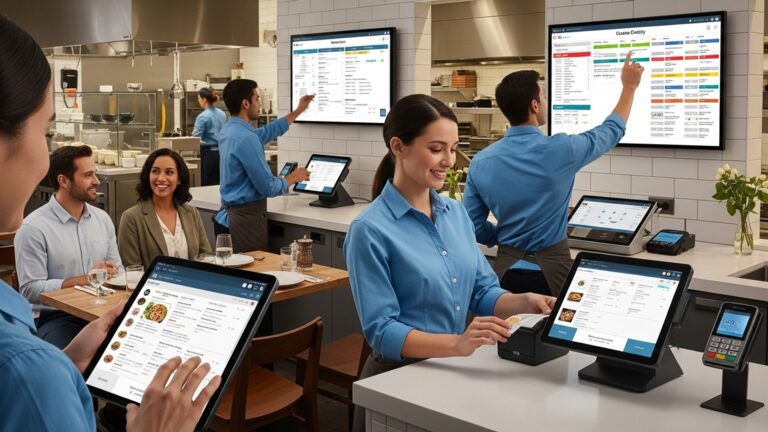
Restaurant POS software plays a critical role in minimizing order errors by replacing handwritten tickets and verbal communication with structured, digital workflows. In my experience working with quick-service and casual dining operators, the most common mistakes—wrong modifiers, missed items. illegible handwriting—almost disappeared once orders were entered directly into a POS terminal or handheld device.
Modern POS systems guide staff through customizable menus, forced modifiers. item availability rules. This ensures that servers cannot send incomplete or incorrect orders to the kitchen.
- Built-in modifier prompts reduce forgotten customizations
- Real-time menu updates prevent ordering unavailable items
- Kitchen Display Systems (KDS) eliminate misread paper tickets
According to the National Restaurant Association, order accuracy is one of the top drivers of guest satisfaction. POS-driven order entry is now considered a best practice across the industry.
Boosting Sales with Data-Driven Insights
One of the most powerful advantages of POS software is its ability to turn everyday transactions into actionable sales insights. Instead of relying on gut instinct, operators can make informed decisions based on real data.
I worked with a mid-sized café chain that used POS sales reports to identify low-performing menu items. After adjusting pricing and introducing targeted upsell prompts, they saw a measurable increase in average order value within six weeks.
- Sales trend analysis by item, category, or time of day
- Automated upsell and cross-sell suggestions at checkout
- Customer purchase history for personalized promotions
Industry reports from Square and Toast highlight that restaurants using POS analytics tools often experience higher ticket sizes and improved menu performance due to data-backed decisions.
Saving Time with Automation and Faster Checkout
Time savings are not just about speed at the register; they impact the entire operation. POS systems automate repetitive tasks that would otherwise consume hours each week.
For example, automated tax calculations, digital receipts. integrated payment processing significantly reduce checkout time. During peak hours, this means shorter lines and higher table turnover.
- One-tap order entry and payment processing
- Automatic receipt generation and digital tipping
- End-of-day reports generated in seconds
From a management perspective, what once took an hour of manual reconciliation can now be completed in minutes, freeing time for staff training and guest engagement.
How Restaurant POS Software Improves Inventory Accuracy
Restaurant POS software directly connects sales data with inventory tracking, reducing waste and stock discrepancies. Each sale automatically updates inventory counts, creating a near real-time view of ingredient usage.
I’ve seen operators cut food waste by double digits after enabling inventory alerts tied to their POS system. Instead of discovering shortages during service, managers received notifications before items ran out.
- Real-time inventory deduction per item sold
- Low-stock alerts and automated reordering suggestions
- Vendor and purchase order tracking
Studies show that from the National Restaurant Association, food waste is a major cost driver. POS-linked inventory management is one of the most effective ways to control it.
Streamlining Staff Management and Reducing Human Error
Employee scheduling, time tracking. performance monitoring are frequent sources of administrative errors. POS platforms centralize these functions, reducing payroll mistakes and compliance risks.
In real-world use, managers can quickly identify clock-in discrepancies or overtime risks directly from the POS dashboard. This transparency helps prevent disputes and improves accountability.
- Integrated time clocks and role-based access
- Sales performance tracking by employee
- Reduced payroll errors through system integration
Many POS vendors integrate with payroll providers such as ADP or Gusto, creating a seamless flow from worked hours to paid wages.
Comparing Core POS Software Features That Drive Results
| Feature | Error Reduction | Sales Impact | Time Savings |
|---|---|---|---|
| Digital Order Entry | High | Medium | High |
| Sales Analytics | Low | High | Medium |
| Inventory Management | High | Medium | Medium |
| Staff Management Tools | Medium | Low | High |
Real-World Use Case: From Manual Chaos to POS Efficiency
A regional fast-casual restaurant I consulted for was struggling with frequent order remakes and slow service during lunch rushes. After implementing a cloud-based Restaurant POS software with handheld ordering and KDS integration, order errors dropped noticeably. average service time improved.
Management also gained visibility into peak sales hours and top-performing menu items, allowing them to adjust staffing levels and prep schedules. This practical application shows how POS systems deliver measurable operational improvements when fully adopted.
Experts from hospitality technology firms like Oracle Hospitality emphasize that POS success depends not just on software selection. on proper staff training and process alignment—an insight consistently supported by real-world deployments.
Conclusion
Restaurant POS software has quietly shifted from being a billing tool to becoming the control center of modern restaurants. From my own experience working with outlets that adopted cloud-based POS in the last year, I’ve seen order mistakes drop almost immediately once manual entries were removed, while upsell prompts and real-time reports started nudging revenue upward. With trends like QR ordering, kitchen display systems. AI-driven sales insights gaining traction, today’s POS does more than record transactions—it guides smarter decisions. To get real results, my personal tip is to start small. Train your team on one feature at a time, such as order modifiers or automated inventory alerts. track the impact weekly. As accuracy improves, speed follows. that saved time often translates into better guest interactions and repeat visits. When used intentionally, POS software doesn’t just fix errors; it creates momentum. Embrace it fully, stay curious about updates. let your systems work as hard as you do to grow your restaurant. For deeper insights, you can also explore how POS tools improve daily operations here: Restaurant POS Software to Reduce Errors and Save Time.
More Articles
How to Use Restaurant POS Features to Speed Up Orders and Payments
What Features Should You Look for in Reliable Restaurant POS Software
7 Benefits of Cloud Based Restaurant POS Software for Growing Restaurants
10 Ways Restaurant POS Software Improves Order Accuracy and Customer Satisfaction

FAQs
How does restaurant POS software help reduce order mistakes?
Restaurant POS software reduces errors by sending orders directly from the server or cashier to the kitchen display or printer. This removes handwritten tickets and miscommunication, making orders clearer and more accurate.
Can a POS system really save time during busy hours?
Yes, a POS system speeds up order taking, payment processing. bill splitting. Staff spend less time on manual tasks, which helps keep lines moving even during peak rush.
In what ways can POS software boost restaurant sales?
POS software can suggest add-ons, track best-selling items. highlight popular combos. These features help staff upsell naturally and allow owners to adjust menus based on what sells best.
Does using POS software make training new staff easier?
Most modern POS systems are designed to be user-friendly with clear menus and simple workflows. This reduces training time and lowers the chance of new employees making costly mistakes.
How does POS software help with order accuracy for delivery and takeout?
For delivery and takeout, POS software keeps customer details, special instructions. order history organized. This helps ensure the right items go out with the correct modifications every time.
Can POS reports help identify where time or money is being wasted?
Yes, POS reports show data on slow-moving items, peak hours. staff performance. This makes it easier to spot inefficiencies and make smarter decisions to save time and reduce losses.
Is POS software useful for managing multiple tables and orders at once?
A POS system gives a clear view of open tables, order status. payment progress. This helps staff manage multiple orders smoothly without forgetting or duplicating anything.