7 Essential Features to Look for When Choosing Restaurant POS Software
In today’s fast-paced dining environment, choosing the right Restaurant POS software can be the difference between chaos and seamless service. Modern systems go far beyond basic billing—integrating online orders, contactless payments. real-time inventory tracking to optimize operations. As restaurants embrace AI-driven analytics, cloud-based solutions. mobile-friendly interfaces, decision-makers must focus on features that enhance both efficiency and customer satisfaction. For example, tools that sync with delivery platforms or offer predictive sales insights are becoming standard among leading brands. With technology reshaping how restaurants manage data, staff. guest interactions, understanding the essential capabilities of a POS system ensures that every order, payment. performance metric contributes to smarter growth and a more connected dining experience.
Intuitive User Interface and Ease of Use
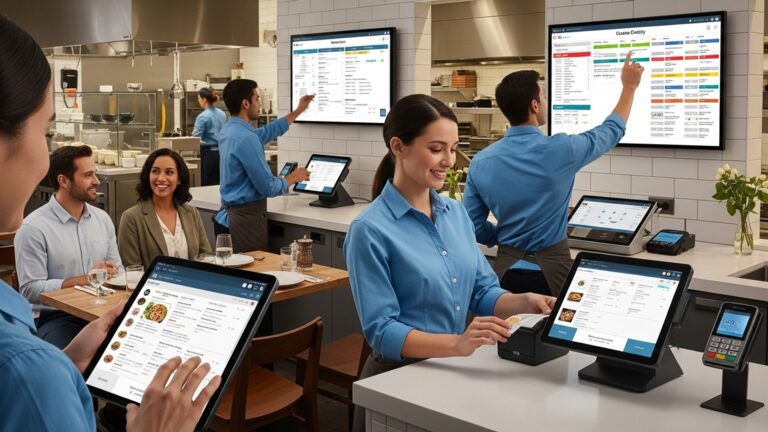
A modern Restaurant POS software should prioritize an intuitive design that allows staff to learn and operate it quickly. Restaurants often experience high turnover and fast-paced environments, so an easy-to-navigate interface reduces training time and minimizes order errors. Systems with touch-friendly screens, logical menu layouts. real-time feedback help streamline daily operations.
- Quick onboarding
- Reduced human error
- Mobile compatibility
Employees can start processing orders within minutes.
A clear interface lowers mistakes during peak hours.
Tablets and handheld devices enable flexible table-side service.
A real-world example is a small café in Chicago that switched to a POS with a simplified interface and saw its average order processing time drop by 35%. Ease of use translates directly to speed and customer satisfaction.
Comprehensive Inventory Management
Inventory control is one of the most critical features of Restaurant POS software. It should track ingredient levels in real time, automate purchase orders. alert managers when supplies run low. Advanced systems integrate with supplier databases, enabling automatic restocking and cost tracking.
- Real-time inventory updates
- Waste reduction
- Recipe-level management
Avoid running out of key ingredients mid-service.
Track usage patterns to optimize purchasing decisions.
Monitor costs per dish for better menu pricing.
A restaurant chain using automated inventory tracking reduced food waste by 20% within six months. Reliable inventory features improve profitability and sustainability.
Seamless Payment Processing
Payment flexibility is essential for customer convenience and operational efficiency. The Restaurant POS software should support multiple payment methods — including credit/debit cards, mobile wallets, QR codes. contactless payments. It should also ensure compliance with PCI DSS standards for secure transactions.
- Integrated payment gateways
- Split bills and tips
- Offline capabilities
Minimize the need for external payment terminals.
Simplify group payments and gratuity processing.
Continue transactions even during network outages.
According to a report by Statista, over 70% of diners prefer digital or contactless payments. A POS that supports such options can dramatically enhance customer experience and satisfaction.
Advanced Reporting and Analytics
Robust reporting tools help restaurant owners make data-driven decisions. The ideal Restaurant POS software should provide detailed insights into sales trends, employee performance. customer preferences. Customizable dashboards and exportable reports allow managers to monitor daily metrics and long-term growth.
- Sales forecasting
- Menu performance analysis
- Labor cost tracking
Predict busy periods based on historical data.
Identify which dishes drive profit and which need reworking.
Manage staffing efficiency through time-based reporting.
| Report Type | Key Benefits |
|---|---|
| Sales Summary | comprehend overall revenue trends |
| Menu Performance | Optimize offerings and pricing |
| Employee Productivity | Identify training opportunities |
By leveraging analytics, restaurants gain a competitive advantage in strategic planning and operational improvement.
Cloud-Based Accessibility and Data Security
Cloud technology has revolutionized how restaurants manage operations. A cloud-based Restaurant POS software allows managers to access data anytime, anywhere. This flexibility is invaluable for multi-location establishments or owners who travel frequently.
- Remote monitoring
- Automatic updates
- Data encryption
Review sales and performance from any device.
Stay current with the latest features without manual installation.
Protect sensitive data with advanced security protocols.
For example, a restaurant group in New York adopted a cloud-based POS system, enabling centralized oversight of ten locations. Security standards such as SSL encryption and secure cloud backups ensure that business data remains protected at all times.
Integration with Third-Party Applications
A powerful POS system should seamlessly integrate with other tools commonly used in the restaurant industry. These include accounting platforms, delivery apps, loyalty programs. reservation systems. Integration eliminates duplicative data entry and ensures consistent details flow across departments.
- Accounting integration
- Delivery and ordering apps
- Customer relationship management (CRM)
Synchronize sales with QuickBooks or Xero.
Connect with services like Uber Eats or DoorDash.
Build loyalty through personalized offers.
| Integration Type | Purpose |
|---|---|
| Accounting | Simplifies bookkeeping and tax reporting |
| Delivery | Expands online sales channels |
| CRM | Enhances customer engagement and retention |
Integration capabilities boost efficiency and create a unified digital ecosystem for restaurant operations.
Reliable Customer Support and Training
Even the most advanced system requires dependable support. The Restaurant POS software provider should offer comprehensive customer service, including live chat, onboarding sessions. troubleshooting guides. Responsive support ensures minimal downtime and immediate assistance during critical hours.
- 24/7 support
- Training resources
- Service-level agreements (SLAs)
Essential for restaurants with late or overnight operations.
Webinars, manuals. video tutorials for staff education.
Guarantee prompt response times for technical issues.
A well-supported POS system can make the difference between a smooth operation and a disrupted service. For instance, a bistro owner in Austin credits their vendor’s proactive support team for helping maintain uptime during peak seasonal traffic. Reliable service reinforces trust and long-term partnership between restaurant owners and technology providers.
Conclusion
Choosing the right restaurant POS software isn’t just about ticking boxes—it’s about finding a system that aligns with your vision, adapts to evolving trends. supports every detail of daily operations. In today’s fast-paced dining landscape, tools with cloud integration, mobile ordering. AI-driven analytics have become not just features but necessities. When I helped a local café switch from a basic register to a tailored POS setup, their order accuracy jumped overnight. staff training times dropped by half—a clear reminder that technology should empower, not complicate. As you evaluate options, look beyond flashy interfaces and focus on seamless connectivity, data security. scalability. Think of your POS as a long-term partner that grows with your brand, not as a one-time investment. Make your decision count, test demos thoroughly. trust your intuition—because a smart choice today can redefine your restaurant’s efficiency tomorrow.
More Articles
Master 5 Smart Strategies to Optimize Your Restaurant POS System for Efficiency
Master 10 Ways Restaurant POS Software Can Boost Your Service and Sales
How to comprehend Essential Features for Your Restaurant POS System
Discover 8 Common Challenges with Restaurant POS and How to Solve Them
Master 8 Ways Restaurant POS Software Improves Operational Efficiency Daily

FAQs
What are the most essential features a restaurant POS system should have?
A good restaurant POS system should include features like menu management, inventory tracking, sales reporting, employee management, payment integration, customer data handling. reliable technical support.
Why is inventory tracking so crucial in restaurant POS software?
Inventory tracking helps restaurant owners monitor stock levels, reduce waste. ensure ingredients are always available. It also helps control costs and maintain smooth kitchen operations.
How can a POS system help with managing staff?
Many POS systems include employee management tools that allow scheduling, tracking working hours. monitoring performance, which helps streamline day-to-day operations and payroll.
Does mobile compatibility matter for restaurant POS systems?
Yes, mobile-friendly POS systems provide flexibility for servers to take orders tableside, speed up service. improve accuracy by reducing manual input errors.
What role does customer data play in a POS system?
Customer data features allow restaurants to track preferences, create loyalty programs. personalize promotions, helping improve customer retention and satisfaction.
How crucial is payment integration in choosing a POS?
Payment integration ensures fast and secure transactions, supports multiple payment methods like cards or mobile wallets. helps prevent errors in billing or reconciliation.
What should I look for in reporting and analytics features?
A robust POS should offer detailed sales and performance reports that help you identify trends, track revenue. make informed decisions to improve profitability.
How can I tell if the POS provider offers dependable support?
Check if they provide 24/7 support, training materials. quick response times. Reliable customer service ensures any technical issues are resolved without disrupting business operations.