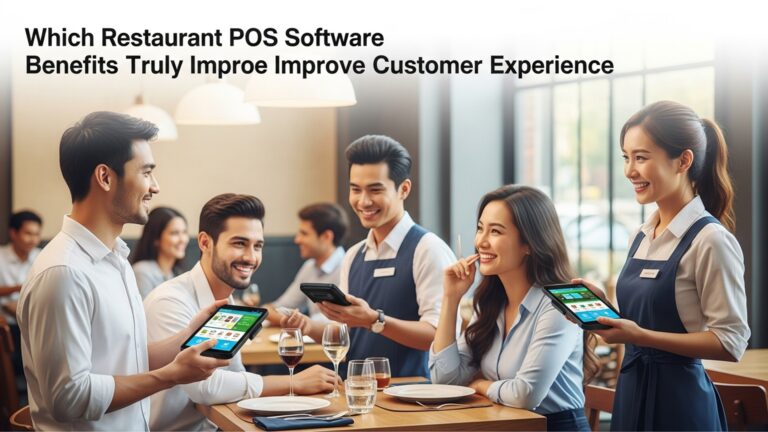
10 Smart Ways Restaurant POS Software Improves Daily Operations and Customer Experience
In today’s fast-paced dining environment, Restaurant POS software has evolved from a simple transaction tool into a powerful ecosystem that transforms how restaurants operate and serve their guests. With integrated analytics, mobile ordering, contactless payments. real-time inventory tracking, modern POS systems are enabling managers to make data-driven decisions and deliver seamless customer experiences. As AI-driven recommendations and cloud-based dashboards become standard, restaurants can now anticipate guest preferences, reduce service delays. optimize staff performance like never before. From streamlining kitchen workflows to enhancing table turnover efficiency, the technology empowers businesses to balance speed, accuracy. personalization—all essential in an era where diners expect both convenience and connection. The smartest restaurants are leveraging these innovations not just to stay competitive. to redefine what efficiency and hospitality mean in everyday operations.
Streamlined Ordering and Faster Service
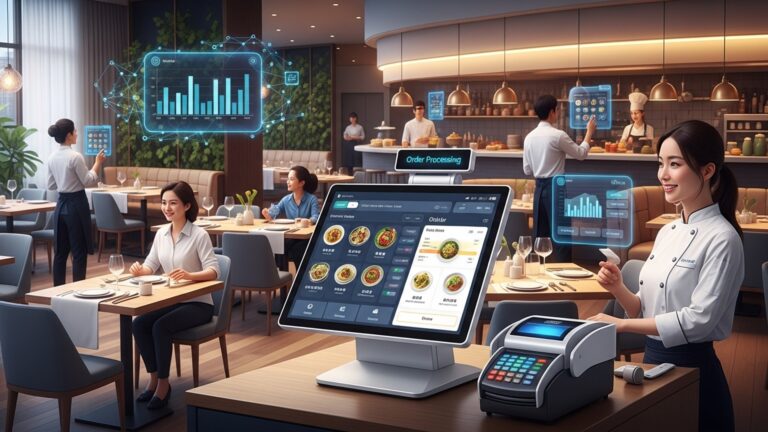
Restaurant POS software revolutionizes how orders move from table to kitchen. Traditional manual order processes often cause delays and inaccuracies. a digital POS system transmits orders instantly to the kitchen display. This minimizes human error and speeds up preparation. For example, at a busy urban cafe, staff can input customer selections directly into tablets, ensuring real-time updates for kitchen staff and improving turnaround time. The result? More satisfied customers and greater table turnover.
- Instant order transmission between front-of-house and kitchen
- Reduced miscommunication and manual errors
- Increased speed and efficiency during peak hours
Enhanced Inventory Management
A modern Restaurant POS software offers smart inventory tracking that automatically updates stock levels as items are sold. This helps managers predict when to reorder ingredients and prevent shortages. Many systems also help track food waste, offering insights into purchasing patterns and cost control.
- Real-time stock monitoring
- Alerts for low inventory and automatic reordering
- Integration with suppliers for seamless replenishment
A popular comparison shows how digital inventory systems outperform manual tracking:
| Feature | Traditional Inventory | Restaurant POS Software |
|---|---|---|
| Tracking Accuracy | Low – prone to human error | High – automated and real-time |
| Reordering Process | Manual and time-consuming | Automated with supplier integration |
| Data Insights | Limited | Comprehensive analytics |
Improved Payment Processing
With Restaurant POS software, payment processing becomes faster, safer. more flexible. Customers can pay using multiple methods—cash, cards, mobile wallets, or contactless payments. Integration with secure payment gateways ensures confidentiality and compliance with PCI standards.
- Support for multiple payment options
- Secure transactions with data encryption
- Reduced checkout time for guests
Real-world application: A mid-sized bistro in New York saw a 35% reduction in checkout times after implementing a cloud-based POS system with integrated mobile payments.
Detailed Sales Analytics and Reporting
One of the most powerful features of Restaurant POS software lies in its analytics capability. Managers can view real-time data on sales trends, top-selling items. staff performance. This allows for data-driven decisions about menu adjustments or promotional strategies.
- Customizable dashboards for key performance indicators
- Automated daily, weekly. monthly sales reports
- Insights into customer preferences and seasonal trends
Better Staff Productivity and Management
POS systems streamline staff scheduling, track hours worked. monitor performance. Employees can clock in and out directly through the system. managers can view productivity metrics.
- Automated scheduling and shift management
- Performance tracking and payroll integration
- Reduction in administrative workload
A case study from a franchise restaurant in Chicago revealed that implementing centralized POS scheduling led to a 20% reduction in overtime costs and improved staff satisfaction.
Enhanced Customer Relationship Management (CRM)
Modern Restaurant POS software often includes CRM features that store customer profiles, preferences. order history. This enables personalized service and targeted marketing campaigns.
- Retention through customer loyalty programs
- Personalized offers based on dining habits
- Email and SMS marketing integration
For example, a family-owned Italian restaurant in Boston uses POS-driven CRM to send birthday promotions to loyal patrons, boosting repeat visits by 15%.
Seamless Online Ordering and Delivery Integration
Integration with online ordering and delivery apps is crucial in today’s digital dining landscape. A POS system can sync with popular platforms such as Uber Eats or DoorDash, ensuring consistent menu listings, pricing. availability.
- Automated order synchronization across platforms
- Reduced manual data entry and errors
- Unified tracking for dine-in and delivery operations
Accurate Tax and Compliance Management
Restaurant POS software helps ensure compliance with tax laws and financial regulations. It automatically calculates applicable taxes and generates reports for audits.
- Accurate tax computation for each transaction
- Easy generation of audit-ready financial records
- Integration with accounting software for transparency
Real-Time Feedback and Communication
Some advanced POS systems include tools for collecting customer feedback right after dining. Managers can instantly address complaints or respond to praises, ensuring quality control and service consistency.
- Digital surveys and rating systems
- Quick response tools for customer concerns
- Improved brand reputation through active engagement
Scalability and Cloud-Based Accessibility
Cloud-based Restaurant POS software offers flexibility for multi-location management. Owners can monitor sales, inventory. performance across branches from any device through secure cloud dashboards.
- Remote access for management teams
- Automatic updates and data backups
- Easy scalability for expanding restaurant chains
Example: Cloud dashboard API integration
GET /api/v1/sales-summary? location=NYC
Response: { "daily_sales": 12500, "top_item": "Grilled Salmon" }
This type of integration allows restaurant managers to oversee operations in real time, enhancing decision-making and coordination among multiple outlets.
Conclusion
Investing in smart restaurant POS software isn’t just about digitizing operations—it’s about transforming how your team works and how your guests feel. From real-time analytics that guide faster decisions to mobile ordering trends that enhance convenience, the right system becomes the silent engine driving efficiency and satisfaction. During my experience consulting small bistros in Chennai, I’ve seen how automating order tracking and integrating contactless payment options can save hours daily while improving customer trust. To make this change actionable, start by mapping your busiest hours and identifying where manual processes slow you down; then align your POS features to those pain points. As technology evolves, look for cloud-based and AI-driven solutions that predict customer preferences and reduce errors before they happen. Remember, consistency and adaptability are what set thriving restaurants apart. When you take that first step toward smarter POS integration, you’re not just upgrading software—you’re upgrading your entire dining experience. Stay motivated, refine your process continuously. watch how your restaurant becomes more efficient, more personal. ultimately more profitable.
More Articles
Master 10 Ways Restaurant POS Software Can Boost Your Service and Sales
Master 5 Smart Strategies to Optimize Your Restaurant POS System for Efficiency
10 Smart Ways Restaurant POS Software Can Improve Your Customer Service Today
How to Master Restaurant Table Management Using Your POS System
Discover 8 Common Challenges with Restaurant POS and How to Solve Them

FAQs
How can restaurant POS software make everyday tasks run smoother?
A smart POS system helps automate routine operations like billing, order tracking. table management. It reduces manual errors and saves time for staff, allowing them to focus more on customer service.
Does a POS system really help improve customer experience?
Yes, it does. With faster checkouts, accurate orders. easy payment options, customers get a seamless dining experience. Some systems even store preferences for repeat guests, adding a personal touch.
What kind of reporting or insights can restaurant owners get from a modern POS?
The software provides detailed sales reports, tracks popular menu items, monitors peak hours. highlights inventory trends. These insights help owners make data-driven decisions and plan smarter promotions.
Can POS software help reduce waste or manage stock better?
Absolutely. It keeps real-time inventory records and alerts staff when supplies run low or ingredients approach expiry. This helps avoid overstocking and food waste while ensuring every dish is available when ordered.
Is it easier for servers and kitchen staff to coordinate using a POS system?
Yes. Orders entered by servers instantly reach the kitchen display, meaning fewer delays and miscommunications. It improves teamwork and speeds up service, keeping both staff and diners happier.
Does POS software support digital payments and loyalty programs?
Most advanced systems do. They allow customers to pay through multiple methods—card, wallet, QR, even mobile apps—and integrate with loyalty features that reward frequent visitors automatically.
How does a POS system help during busy hours or rush periods?
It organizes orders efficiently, tracks table status. ensures timely billing. The automation reduces stress for staff and keeps service consistent, even when the restaurant is packed.
Is it complicated to train new staff to use POS software?
Not really. Modern POS systems have user-friendly interfaces and simple menus. Most employees can learn basic functions quickly, which helps maintain smooth operations even with new hires.