5 Ways Restaurant POS Software Can Improve Customer Experience
In the fast-paced world of dining, customer expectations are higher than ever, making efficiency and personalized service essential for success. Restaurant POS software has evolved far beyond basic transaction processing, now offering features like real-time inventory tracking, mobile ordering integrations. tailored loyalty programs that directly enhance the customer experience. For example, the ability to access menu updates instantly or track order history ensures seamless interactions that keep guests engaged and satisfied. As self-service kiosks and contactless payments gain popularity, modern POS systems respond to these trends by enabling smoother, faster service, reducing wait times. minimizing errors. Moreover, advanced analytics empower restaurants to interpret customer preferences and improve their offerings, creating a more customized dining experience. By integrating cutting-edge technologies and adapting to shifting market demands, Restaurant POS software is redefining how dining establishments deliver convenience, accuracy. memorable service to today’s tech-savvy guests.
Streamlined Order Management
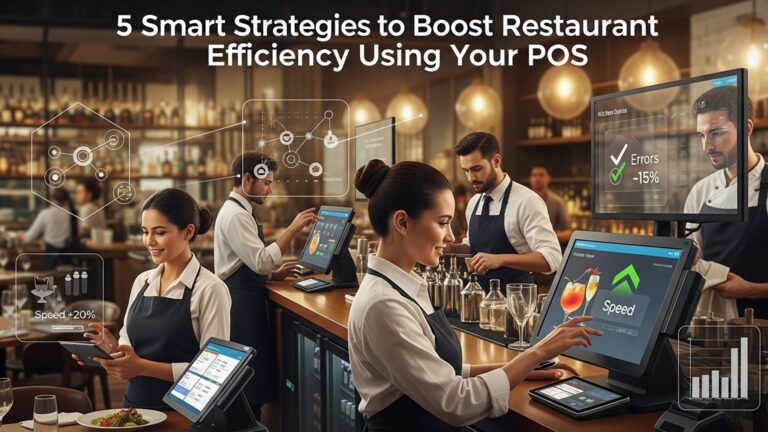
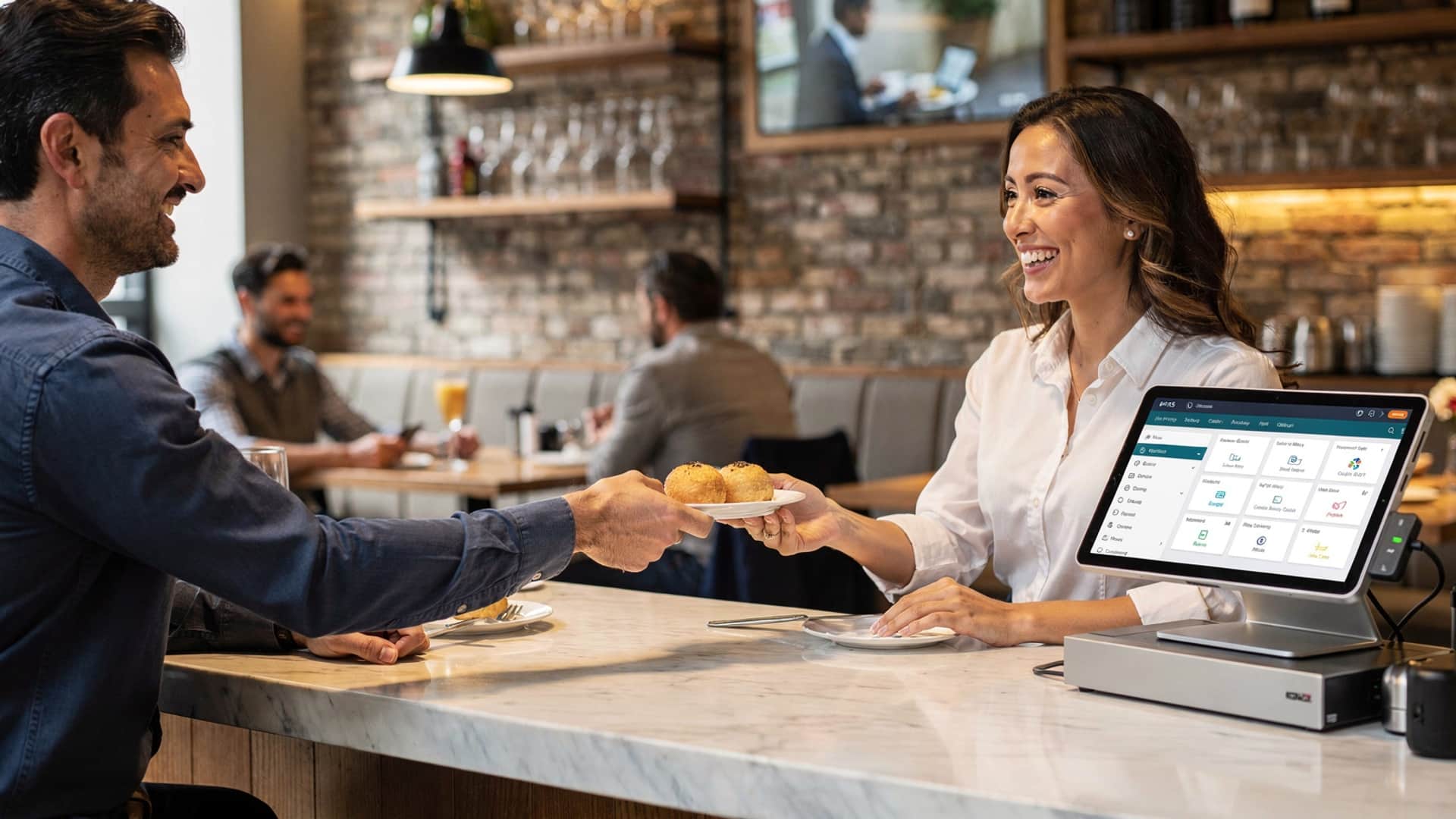
- Restaurant POS software simplifies order management by integrating front-of-house and back-of-house operations. Waitstaff can take orders digitally. the details are instantly transmitted to the kitchen, ensuring accuracy and speed.
- This eliminates common issues like missed modifications, forgotten orders, or delays caused by manual entry. For example, if a customer requests a gluten-free entrée, the system ensures this details is clearly noted for the kitchen staff.
- Real-world application: A busy diner during peak hours can reduce wait times and improve customer satisfaction when orders are processed seamlessly through the POS system.
- Comparison: Traditional pen-and-paper order-taking methods are prone to errors and slow down operations compared to the automated efficiency of POS systems.
Personalized Customer Experiences
- Modern Restaurant POS software often includes customer relationship management (CRM) capabilities, allowing restaurants to collect and examine customer data, such as dining preferences, order history. special occasions.
- This data can be used to personalize customer interactions. For instance, the system can automatically suggest a customer’s favorite dish or apply a birthday discount to their bill.
- Real-world application: A café uses customer data from their POS system to email personalized promotions, increasing customer loyalty and driving repeat visits.
- Comparison: While standalone CRM systems can also store customer insights, integrating these capabilities into a POS system ensures a unified experience, reducing the need for additional tools.
Faster Payment Processing
- Restaurant POS software supports a variety of payment methods, including credit cards, mobile wallets, contactless payments. even split bills, offering flexibility to customers.
- By integrating payment processing directly within the POS system, transactions are faster and more secure, reducing customer wait times during busy periods.
- Real-world application: A food truck equipped with mobile POS software can accept payments on the go, enhancing convenience for customers and improving operational efficiency.
- Comparison: Traditional cash registers lack the ability to process modern payment methods or track payment trends effectively, making them less customer-friendly than comprehensive POS systems.
Improved Customer Communication
- Restaurant POS software often includes features like real-time order tracking or SMS notifications, keeping customers informed about the status of their food.
- For instance, customers placing takeout or delivery orders can receive updates about when their food is being prepared, out for delivery, or ready for pickup.
- Real-world application: A pizzeria using a POS system can reduce customer anxiety by providing accurate delivery time estimates and delivery driver tracking.
- Comparison: Restaurants using only phone-based order-taking systems may struggle with miscommunication, leading to frustrated customers.
Enhanced Feedback Collection
- Restaurant POS software can be used to collect customer feedback immediately after the dining experience, often via digital receipts or tablet-based surveys.
- This feedback helps restaurant managers identify strengths and areas for improvement, creating a continuous loop of enhancement for the customer experience.
- Real-world application: A fine dining restaurant uses POS software to send out post-dining surveys, gathering insights into menu preferences and service quality to refine their offerings.
- Comparison: Paper feedback forms can be easily overlooked or ignored, while digital methods integrated into a POS system are more convenient for customers and more actionable for restaurant owners.
Conclusion
In today’s fast-paced restaurant industry, delivering a superior customer experience is no longer optional—it’s essential. Investing in a robust restaurant POS system is not just a technological upgrade but a strategic decision that can redefine the way you serve your guests. From streamlining ordering processes to personalizing guest interactions, the right POS software ensures that every touchpoint with your customer enhances satisfaction and loyalty. For example, leveraging table management features to reduce wait times or offering intuitive self-order kiosks can elevate the dining experience and keep customers coming back for more. Also, staying ahead of trends such as contactless payments and digital loyalty programs enables restaurants to meet evolving expectations while maintaining operational efficiency. A recent success story from a small eatery in Chennai highlighted how adopting a cloud-based POS with integrated analytics led to a 30% improvement in customer retention—a testament to the power of technology-driven hospitality. Remember, your POS system is more than a tool; it’s the bridge between your brand and your customers. Take the time to explore options that align with your vision. don’t hesitate to adapt as new innovations emerge. With the right tools and a customer-first mindset, you can create memorable dining experiences that set you apart from competitors. Embrace this opportunity to transform your restaurant into a customer experience powerhouse.
More Articles
5 Ways Restaurant POS Software Can Boost Customer Satisfaction How to Choose the Right Restaurant POS with Table Management Features 5 Common Restaurant POS Software Mistakes and How to Avoid Them 5 Ways Restaurant POS Software Can Boost Profit and Cut Costs

FAQs
How does a restaurant POS system speed up service?
A POS system streamlines orders, reducing time spent on manual tasks, so customers get served faster.
Can POS software help with personalized customer service?
Yes, it can track customer preferences and order history, allowing staff to offer tailored recommendations.
What role does a POS system play in payment handling?
It simplifies payments by offering multiple methods like credit cards, mobile wallets. contactless options, making transactions easier for customers.
Does POS software improve order accuracy?
Absolutely! By reducing human error and ensuring clear communication between the front of house and kitchen, orders are more accurate.
How can a POS system enhance customer loyalty?
Many POS systems include loyalty program features that reward repeat customers, encouraging them to keep coming back.
Are POS systems easy for staff to learn and use?
Most POS systems are designed to be user-friendly, so staff can quickly adapt and focus on delivering excellent customer service.
How does POS software improve the dining experience overall?
By automating processes, enhancing speed. ensuring accuracy, POS systems create a smoother and more enjoyable dining experience for guests.