Solve Common Problems 6 Smart Ways Restaurant POS Software Helps You
Navigating the complexities of modern restaurant operations, from fluctuating inventory to intricate order management, often feels like a constant battle against inefficiency. Fortunately, advanced restaurant POS software stands as the cornerstone solution, fundamentally reshaping how establishments tackle daily challenges. This indispensable technology, far beyond simple transaction processing, now integrates real-time data analytics and AI-driven insights to optimize everything from supply chain forecasting to table turnover. Such a comprehensive system empowers operators to minimize waste, enhance staff productivity. deliver a consistently superior customer experience, transforming common operational hurdles into strategic advantages in a competitive market.
Streamlining Order Management and Reducing Errors
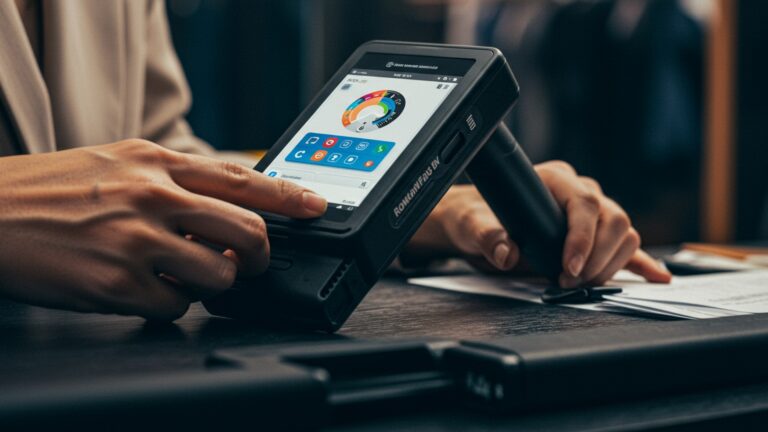
One of the most immediate benefits restaurant owners experience with a modern point-of-sale (POS) system is the significant reduction in order errors and the dramatic streamlining of the entire order-taking process. Gone are the days of deciphering handwritten tickets, misheard specials, or forgotten modifications. Robust Restaurant POS software acts as the central nervous system for your front-of-house (FOH) and back-of-house (BOH) operations, ensuring seamless communication.
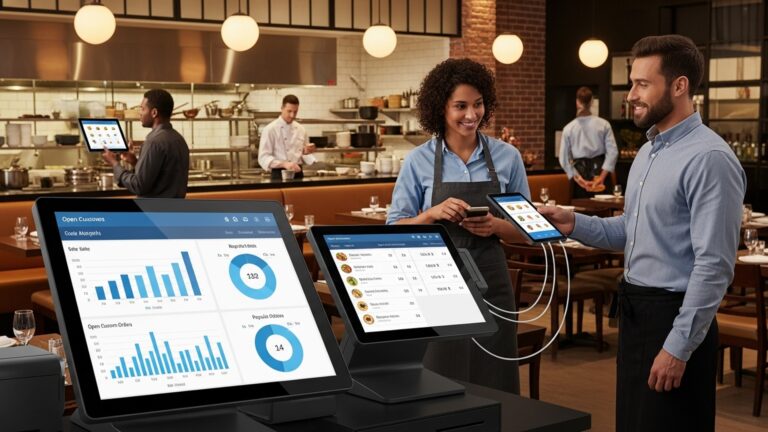
Consider a busy Friday night: a server takes an order at the table using a handheld device. The order for “Grilled Salmon, no butter, extra lemon, side of asparagus” is immediately transmitted digitally to the kitchen display system (KDS). This eliminates ambiguity, reduces the chances of kitchen staff misreading or misinterpreting an order. ensures accuracy. This efficiency isn’t just about preventing mistakes; it also significantly speeds up service, leading to faster table turns and happier customers. For example, a study by Toast found that restaurants using a digital order system saw a 20% increase in order accuracy.
- Digital Order Taking
- Kitchen Display Systems (KDS)
- Customization & Modifiers
Servers input orders directly into a tablet or terminal, instantly sending them to the kitchen.
Replaces paper tickets with digital screens in the kitchen, organizing orders, timing preparations. alerting staff when dishes are ready.
Easily manage complex order modifications (e. g. , “allergy alert,” “extra sauce,” “substitute side”) ensuring no detail is missed.
Invest in a POS system that offers integrated handheld devices and a KDS. Train your staff thoroughly on modifier entry to leverage its full potential in reducing costly errors and improving service speed.
Optimizing Inventory and Preventing Waste
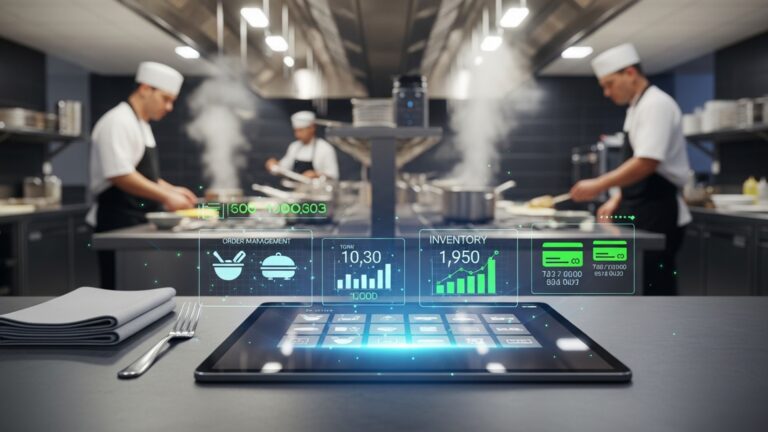
Food waste and inefficient inventory management are silent profit killers in the restaurant industry. From over-ordering perishable goods to miscalculating ingredient needs, these issues can severely impact your bottom line. This is where advanced Restaurant POS software becomes indispensable, providing granular control and visibility over your stock.
Imagine a scenario where your popular chicken dish is running low. you don’t realize it until a customer orders it. A comprehensive POS system tracks every ingredient used in each dish as it’s sold. When a “Chicken Caesar Salad” is rung up, the system automatically deducts the chicken breast, lettuce, dressing. croutons from your inventory. This real-time tracking allows for precise inventory counts and automated reorder alerts, preventing both stockouts and overstocking. This level of detail helps prevent costly spoilage, especially for high-value items like fresh seafood or premium cuts of meat. A real-world example from a small bistro showed a 15% reduction in food waste within six months of implementing a POS with robust inventory features, translating to thousands of dollars saved annually.
- Real-time Inventory Tracking
- Automated Reorder Points
- Waste Tracking
- Recipe Management
Automatically updates stock levels with every sale, providing an accurate count of ingredients.
Set minimum stock levels for ingredients, triggering alerts when it’s time to reorder.
Log spoiled or wasted items to identify patterns and areas for improvement.
Standardize recipes with precise ingredient quantities to control costs and ensure consistency.
Utilize your POS’s inventory features to set up accurate recipe costing and reorder points. Regularly review waste logs to identify and address inefficiencies in your kitchen operations.
Enhancing Customer Experience and Loyalty
In today’s competitive dining landscape, customer experience is paramount. A positive experience fosters loyalty, encourages repeat business. generates valuable word-of-mouth referrals. Modern Restaurant POS software plays a crucial role in delivering personalized service and building lasting relationships with your patrons.
Consider a regular customer who always orders the same coffee and pastry. With a POS system that includes customer relationship management (CRM) functionalities, your staff can access their order history, dietary preferences. even birthday details. When this customer walks in, your barista can greet them by name and ask, “The usual today?” This level of personalized service creates a memorable experience, making customers feel valued and understood. Moreover, integrated loyalty programs within the POS allow you to reward frequent diners with points, discounts, or special offers, directly incentivizing their return. For instance, a local coffee shop saw a 25% increase in repeat customers after launching a loyalty program managed entirely through their POS.
- Customer Profiles
- Loyalty Programs
- Feedback Integration
- Seamless Online Ordering
Store names, contact details, order history. preferences for personalized service.
Implement points-based systems, tiered rewards, or special promotions to encourage repeat visits.
Collect customer feedback directly through the POS or linked platforms to continuously improve service.
Integrate with online ordering platforms, providing convenience for customers and expanding reach.
Leverage your POS’s CRM features to build customer profiles and implement a loyalty program. Actively use this data to personalize interactions and create targeted marketing campaigns.
Boosting Staff Efficiency and Accountability
Managing staff effectively is key to a smooth-running restaurant, yet scheduling conflicts, communication breakdowns. performance tracking can be challenging. Contemporary POS software offers powerful tools to enhance staff efficiency, improve communication. foster accountability across your team.
Imagine a scenario where your server clock-in and clock-out times are automatically recorded. their sales performance is tracked in real-time. A robust POS system handles this seamlessly. Employees can clock in and out directly through the terminal, ensuring accurate payroll data. Moreover, sales reports can be generated per server, providing insights into individual performance, identifying top performers. highlighting areas where additional training might be needed. This transparency not only motivates staff but also provides management with objective data for performance reviews and incentive programs. A casual dining restaurant reported a 10% reduction in labor costs due to optimized scheduling and accurate time tracking after implementing an integrated POS system.
- Time & Attendance Tracking
- Shift Management
- Performance Reporting
- Role-Based Permissions
Accurate clock-in/out records for precise payroll management.
Some systems offer basic scheduling tools to manage staff shifts.
Track individual server sales, tips. order accuracy to identify training opportunities and reward top performers.
Assign different access levels to staff members based on their roles, enhancing security and accountability.
Utilize the time and attendance features of your POS for accurate payroll. Regularly review staff performance reports to provide constructive feedback and recognize achievements.
Gaining Actionable Business Insights
Running a restaurant without comprehensive data is like navigating a ship without a compass. Understanding sales trends, peak hours, popular menu items. customer demographics is crucial for making informed business decisions. Modern Restaurant POS software transforms raw transaction data into powerful, actionable insights.
Consider the ability to review your sales data to discover that “Taco Tuesdays” consistently outperform “Pasta Wednesdays.” Or perhaps you notice that your lunch rush is significantly busier than dinner. your staffing levels don’t reflect this. A sophisticated POS system generates detailed reports on sales by hour, day, menu item. even server performance. These analytics help you optimize staffing, refine your menu, adjust pricing strategies. target marketing efforts more effectively. For instance, a chain of fast-casual restaurants used their POS data to identify that their afternoon snack sales were a hidden opportunity, leading them to introduce new grab-and-go items and increase revenue during previously slow periods.
- Sales Analytics
- Menu Item Performance
- Cost of Goods Sold (COGS) Analysis
- Customer Data Reporting
Detailed reports on sales volume, revenue, average check size. peak hours.
Identify best-selling dishes, low-performing items. potential areas for menu optimization.
Track ingredient costs against sales to calculate profitability per dish.
grasp purchasing habits, average spend. loyalty program engagement.
Regularly review the analytics and reporting features of your POS. Use these insights to make data-driven decisions about staffing, menu engineering. promotional strategies.
Simplifying Payment Processing and Security
Efficient and secure payment processing is fundamental to any successful restaurant operation. In an era of diverse payment methods and heightened security concerns, a reliable POS system simplifies transactions while protecting sensitive customer data. This is an area where a robust Restaurant POS software truly shines, offering peace of mind to both operators and customers.
Imagine the frustration of a customer whose credit card is declined due to an outdated terminal, or the risk of a data breach from non-compliant payment systems. Modern POS solutions are designed to handle a wide array of payment types, including EMV chip cards, contactless payments (NFC), mobile wallets (Apple Pay, Google Pay). even gift cards. They integrate seamlessly with payment processors, ensuring fast and reliable transaction authorizations. Crucially, these systems often come with built-in security features like end-to-end encryption (E2EE) and PCI DSS compliance, protecting against fraud and safeguarding sensitive customer insights. For example, many restaurants have transitioned from legacy systems to integrated POS solutions to meet evolving PCI compliance standards, thereby significantly reducing their risk of data breaches and associated penalties.
- Multi-Payment Acceptance
- Integrated Payment Processing
- Enhanced Security
- Split Payments & Tipping
Process credit/debit cards, contactless payments, mobile wallets. gift cards efficiently.
Seamless integration with payment gateways for faster, more reliable transactions.
Features like EMV compliance, tokenization. end-to-end encryption protect customer data.
Easily handle complex payment scenarios like splitting checks among multiple diners or adding tips.
Ensure your POS system supports all modern payment methods and is PCI compliant. Regularly update your software to benefit from the latest security enhancements and payment innovations.
Conclusion
Effectively tackling common restaurant challenges is no longer a wish; it’s a strategic choice empowered by modern POS software. From my own observations in the industry, many restaurateurs are now recognizing that a robust POS system extends far beyond simple transaction processing. It’s truly about leveraging real-time data to make smarter decisions, whether that involves optimizing staff schedules based on peak hours or precisely managing inventory to reduce food waste, a pressing concern in today’s market. My personal tip? Start by pinpointing your most significant operational bottleneck, perhaps it’s inconsistent order accuracy or slow table turnover. then actively seek out a system with features specifically designed to alleviate that pain point. For instance, integrated kitchen display systems, a recent development, drastically improve communication and speed, directly impacting customer satisfaction. Embracing this technology isn’t just an expense; it’s a vital investment that streamlines operations, fosters a more efficient team. ultimately propels your restaurant towards sustainable growth and improved profitability.
More Articles
Boost Efficiency with Restaurant POS Features Everyone Needs
Top Benefits of Using Restaurant POS Software for Your Business
How to Choose the Best Restaurant POS Software for Your Needs
7 Must Have Features in Restaurant POS Software for Smooth Daily Operations
9 Practical Tips for Choosing Restaurant POS Software That Fits Your Business

FAQs
My restaurant often messes up orders. How can POS software help us get them right more often?
POS software makes taking orders super accurate! Servers input orders directly into the system, which sends them straight to the kitchen. No more handwritten errors or miscommunications, reducing mistakes and making customers happier.
Is POS software good for keeping track of all our ingredients?
Absolutely! Modern POS systems are fantastic for inventory. They track ingredients as they’re used, alert you when stock is low. even help you manage suppliers. This means less waste and you’re always stocked up on what you need.
Our service can be a bit slow during busy times. Can POS software really speed things up?
Definitely! From quicker order entry and direct kitchen communication to faster payment processing, POS software streamlines your entire operation. This means less waiting for customers and more table turns for you, especially during peak hours.
What about improving the customer experience? How does a POS system play into that?
It helps a lot! With accurate orders, faster service. quicker checkouts, customers have a smoother experience. Plus, many POS systems can handle loyalty programs and customer profiles, letting you offer personalized service and rewards that keep them coming back.
I need a better handle on what’s selling and what’s not. Does POS software offer good reporting?
Yes, it provides powerful insights! You’ll get detailed reports on sales trends, popular menu items, peak hours. even staff performance. This data helps you make smarter business decisions, optimize your menu. boost profitability.
Can a POS system help me manage my team better?
It sure can! Many POS systems include features for employee management like time tracking for clock-ins and outs, sales performance tracking by individual staff. even permission settings. This simplifies payroll and helps you identify your top performers.
We get customers wanting to pay all sorts of ways. Can POS software handle different payment methods easily?
Absolutely! Modern POS systems integrate with various payment processors, allowing you to accept credit cards, mobile payments, gift cards. even split bills effortlessly. It makes checkout smooth and secure for everyone.