How Can Restaurant POS Software Improve Staff and Customer Experience
- restaurant POS software
- restaurant POS software
The Foundation: Understanding Restaurant POS Software
In the fast-paced world of hospitality, efficiency and customer satisfaction are paramount. At the heart of a successful restaurant operation lies its point-of-sale system. Modern Restaurant POS software is far more than just a cash register; it’s a comprehensive management hub designed to streamline every aspect of a dining establishment, from order taking to inventory management and payment processing. This advanced technology integrates various functions, providing a centralized platform for managing sales, staff. customer interactions.
Historically, POS systems were clunky, on-premise machines primarily for transactions. Today, cloud-based solutions dominate, offering flexibility, real-time data access. robust features accessible from various devices. Key components typically include a main terminal (tablet or desktop), payment processing devices, kitchen display systems (KDS). sometimes handheld ordering devices. Understanding this evolution helps appreciate how deeply integrated and impactful these systems have become in improving both staff efficiency and the overall customer experience.
Streamlining Operations for a Happier Staff
A well-implemented Restaurant POS software significantly reduces operational friction, leading to a less stressed and more productive workforce. When staff can perform their duties with greater ease and accuracy, their job satisfaction increases, directly benefiting the service quality.
Efficient Order Taking and Management
- Reduced Errors
- Faster Service
- Simplified Upselling
Manual order taking is prone to human error, leading to incorrect dishes, wasted food. frustrated customers. Digital menus and table-side ordering devices, integrated with the POS, allow servers to input orders directly, sending them instantly to the kitchen. This minimizes miscommunications and ensures accuracy.
Orders reach the kitchen immediately, cutting down on lead times. Servers spend less time running back and forth and more time engaging with guests or attending to other tables.
POS systems can prompt servers with modifiers, add-ons. daily specials, making it easier to upsell and increase average check sizes without feeling pushy.
Case Study: “The Daily Grind,” a bustling urban cafe, struggled with long queues and order mix-ups during peak hours. After implementing a new cloud-based Restaurant POS software with integrated handheld terminals, their average order processing time dropped by 30%. order errors decreased by 90%. Baristas reported feeling less overwhelmed. customer satisfaction scores for speed of service soared.
Simplified Inventory Control
- Automated Tracking
- Reduced Waste
- Streamlined Ordering
Modern POS software automatically adjusts inventory levels with every sale, providing real-time insights into stock. This eliminates the tedious manual counting that often falls to managers or kitchen staff.
By accurately tracking ingredient usage and identifying slow-moving items, restaurants can optimize purchasing, reducing spoilage and waste. Staff spend less time managing expired stock and more time on food preparation and service.
Many systems can generate automatic reorder alerts or integrate directly with suppliers, simplifying the procurement process for kitchen and management staff.
Faster Payment Processing
- Integrated Solutions
- Diverse Payment Options
- Improved Tip Collection
POS systems with integrated payment processing allow for quick, secure transactions directly at the table or counter. This eliminates the need for manual entry into separate card machines, reducing errors and saving time.
Offering contactless payments (NFC), mobile wallets (Apple Pay, Google Pay). EMV chip cards enhances customer convenience and security. For staff, this means fewer issues with payment rejections and a smoother checkout experience.
Faster checkout processes and the ability to add tips directly on the payment terminal can lead to higher and more consistent tips for servers, boosting morale.
Enhanced Staff Communication and Training
- Kitchen Display Systems (KDS)
- Easier Onboarding
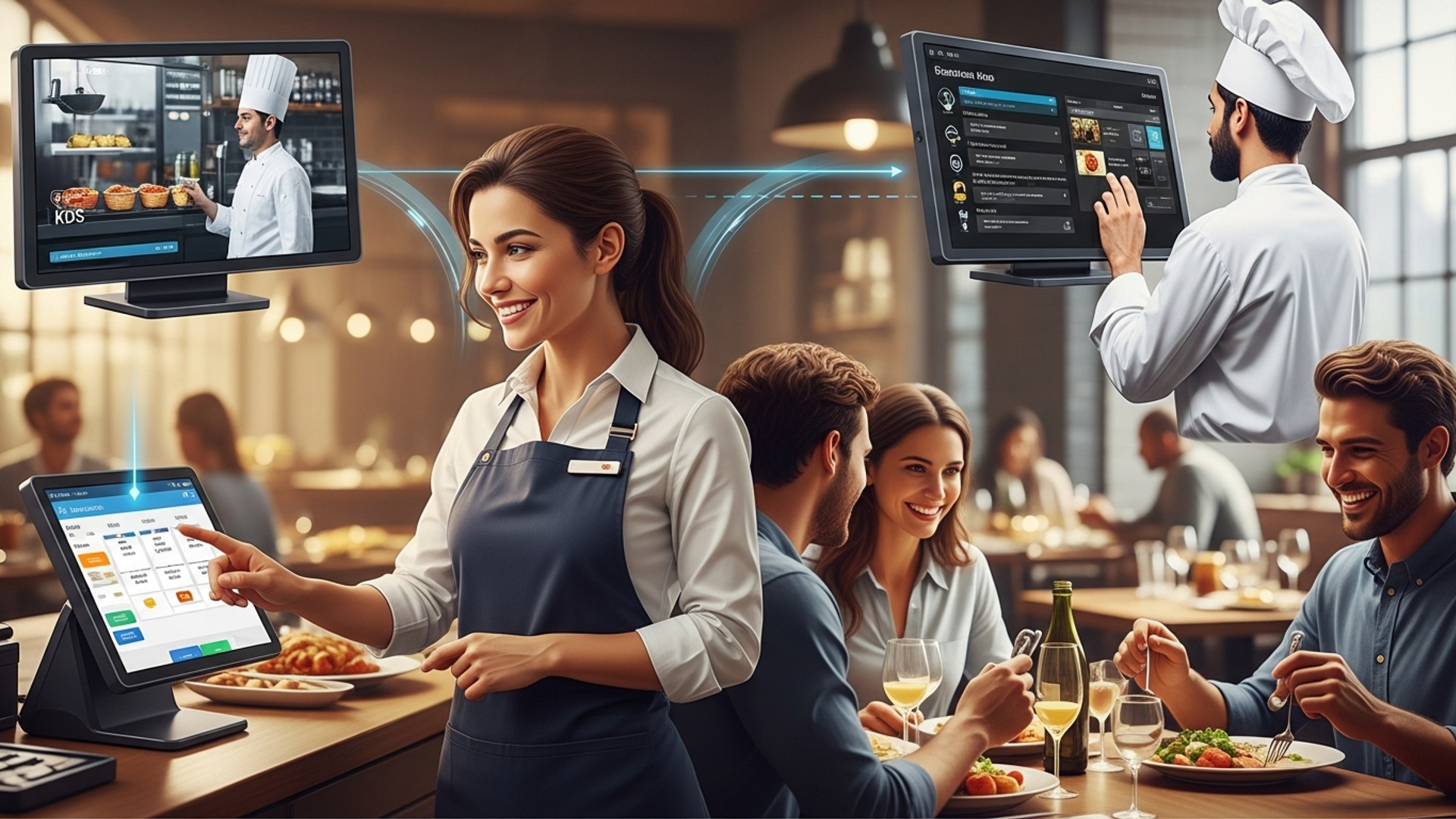
A KDS replaces paper tickets, displaying orders digitally in the kitchen. This ensures clarity, prioritizes dishes. allows kitchen staff to manage workflow more effectively, reducing stress and improving communication with front-of-house.
Intuitive POS interfaces reduce the learning curve for new employees. Training time is significantly cut, allowing new hires to become productive members of the team faster, which is invaluable in an industry with high turnover.
Elevating the Customer Journey with Advanced POS Capabilities
While staff experience is crucial, the ultimate goal of any restaurant is to delight its customers. Restaurant POS software plays a pivotal role in creating memorable, efficient. personalized dining experiences that keep patrons coming back.
Personalized Dining Experiences
- Customer Profiles and History
- Loyalty Programs
- CRM Integration
Advanced POS systems can store customer data, including order history, dietary preferences. special requests. This allows staff to offer personalized recommendations and remember regulars’ favorites, fostering a sense of recognition and loyalty.
Integrated loyalty programs enable customers to earn points or receive special offers automatically. This encourages repeat business and provides valuable data for targeted marketing campaigns.
Some POS solutions integrate with Customer Relationship Management (CRM) tools, providing a holistic view of customer interactions and preferences across all touchpoints.
Quicker Service and Reduced Wait Times
- Efficient Table Turnover
- Online Ordering and Reservations
By streamlining order taking, kitchen communication. payment processing, the POS helps reduce the overall dining time, allowing restaurants to serve more guests without compromising quality. This means shorter wait times for new customers.
Many modern POS systems integrate seamlessly with online ordering platforms and reservation systems, offering customers convenience and flexibility to order ahead or book a table with ease.
Diverse and Secure Payment Options
- Convenience
- Security
Customers appreciate having a variety of payment methods, including mobile payments, contactless options. the ability to split bills easily. This flexibility enhances their overall experience.
Secure payment processing, including PCI compliance and end-to-end encryption, builds customer trust by protecting their financial insights.
Transparent and Accurate Billing
- Clear Itemization
- Effortless Splitting
Digital receipts and clear itemization on bills eliminate confusion and build trust. Customers can easily review their orders and ensure accuracy.
The ability to easily split bills by item, seat, or custom amounts prevents awkward situations and speeds up the checkout for groups, a common pain point for diners.
Key Features to Look For in Modern Restaurant POS Software
Choosing the right Restaurant POS software is critical. Here are essential features to consider for maximizing staff and customer satisfaction:
| Feature Category | Description & Benefit |
|---|---|
| Cloud-Based Architecture | Offers real-time data access, remote management. automatic updates. Ideal for multi-location businesses and reduces reliance on expensive on-premise hardware maintenance. |
| Integration Capabilities | Seamlessly connects with third-party apps like accounting software (e. g. , QuickBooks), online delivery platforms (e. g. , DoorDash, Uber Eats), reservation systems. payroll. Reduces manual data entry. |
| Robust Reporting & Analytics | Provides detailed insights into sales trends, peak hours, popular menu items, staff performance. inventory. Essential for informed decision-making and operational improvements. |
| Scalability | The system should be able to grow with your business, supporting additional terminals, locations, or features as needed without requiring a complete overhaul. |
| User-Friendliness | An intuitive interface reduces training time for staff and minimizes errors. Look for systems with logical workflows and customizable layouts. |
| Offline Mode | Ensures transactions can continue even if internet connectivity is lost, preventing disruptions to service. |
| Customer Relationship Management (CRM) | Tools for managing customer profiles, loyalty programs. targeted marketing campaigns to enhance personalized service. |
Real-World Impact: A Case Study from “The Bistro Hub”
Consider “The Bistro Hub,” a popular mid-sized restaurant known for its farm-to-table cuisine. Prior to adopting a new, comprehensive Restaurant POS software, their operations were plagued by common industry challenges:
- Servers wrote down orders on notepads, leading to illegible handwriting and frequent kitchen errors.
- Inventory was tracked manually in spreadsheets, resulting in stockouts of popular ingredients and excessive waste of perishables.
- Payment processing was slow, requiring servers to carry separate card readers back and forth, causing delays during peak hours.
- Customer loyalty was managed via punch cards, offering no data for personalized marketing.
After upgrading to a modern cloud-based POS system, “The Bistro Hub” witnessed a remarkable transformation:
- Staff Experience
- Customer Experience
Servers now use sleek, handheld devices to input orders directly, which appear instantly on a KDS in the kitchen. This reduced order errors by 85% and cut server walking time by 20%. Kitchen staff reported a significant decrease in stress due to clear, prioritized orders. The automated inventory system reduced manual counting hours by 75%, allowing staff to focus on food quality. Overall, employee turnover decreased by 15% in the first year, attributed to improved working conditions.
Customers enjoyed faster service, with average wait times for food decreasing by 15 minutes. The new POS allowed for table-side payment processing, cutting checkout times in half and enabling easy bill splitting. With integrated customer profiles, regulars received personalized recommendations. a new digital loyalty program boosted repeat visits by 25%. A customer survey revealed a 30% increase in satisfaction related to service speed and order accuracy.
This example illustrates that the right POS system isn’t just a transactional tool; it’s a strategic investment that empowers staff and delights customers, fostering a thriving restaurant environment.
Conclusion
The narrative around restaurant POS software has shifted dramatically from mere transaction processing to a holistic tool for elevating human interaction. Consider the recent rise of QR code ordering integrated directly into POS systems; it’s not just about speed. empowering guests with choice while freeing up staff to focus on genuine hospitality, like recommending a new dessert or checking in meaningfully. My own observations in bustling Chennai eateries confirm that when staff are less burdened by manual tasks, their smiles are more authentic, directly enhancing the diner’s mood. To truly unlock these benefits, I urge you to move beyond basic functionality. Prioritize a system that offers intuitive interfaces, robust reporting for data-driven decisions. seamless third-party integrations. Don’t just implement; empower your team through thorough training and celebrate their newfound efficiency. Investing in the right POS isn’t merely an expense; it’s a strategic move to cultivate a thriving environment where both your employees and customers feel valued and satisfied. Embrace this shift. watch your restaurant flourish.
More Articles
Which Restaurant POS Software Benefits Truly Improve Customer Experience
How to Leverage POS Software Features to Boost Restaurant Efficiency
10 Smart Ways Restaurant POS Software Can Streamline Your Daily Operations
7 Essential Restaurant POS Features That Boost Your Business Profitability
How to Choose the Best Restaurant POS Software for Your Kitchen

FAQs
How does restaurant POS software make things better for my staff?
It really streamlines daily tasks! Staff can take orders faster and more accurately, send them straight to the kitchen, manage tables easily. process payments quickly. This reduces stress, minimizes errors. frees them up to focus on providing great service instead of getting bogged down in manual processes.
Can POS systems help speed up order taking and ensure accuracy?
Absolutely! With intuitive interfaces, staff can quickly punch in orders, add modifiers for special requests. even upsell items with prompts. This drastically cuts down on human errors from manual writing or miscommunication, meaning customers get exactly what they ordered, faster.
What about handling payments and splitting bills? Is that easier for customers and staff?
Definitely. Modern POS systems offer various payment options, including contactless, chip cards. mobile payments, making transactions super fast. Splitting bills, whether by item or equally, becomes a breeze, avoiding awkward calculations and delays at the table.
How does a POS system improve the overall dining experience for customers?
Customers enjoy quicker service, accurate orders. a smoother checkout process. They also benefit from features like personalized loyalty programs and the ability for staff to quickly access insights about their preferences or dietary restrictions, leading to a more tailored and pleasant visit.
Does it help new employees get up to speed faster?
Yes, it does! POS systems are typically designed with user-friendly interfaces, making them much easier to learn than traditional manual methods. New hires can quickly grasp how to take orders, process payments. manage tables, reducing training time and boosting their confidence.
Can POS software help manage busy periods more smoothly?
Absolutely. During peak times, the ability to rapidly take orders, send them directly to the kitchen. process payments efficiently keeps the flow moving. Staff can handle more customers without feeling overwhelmed, leading to shorter wait times and happier diners.
How does a POS system help with customer loyalty and repeat business?
Many POS systems integrate with loyalty programs, allowing restaurants to track customer purchases, offer rewards. send personalized promotions. This makes customers feel valued and encourages them to return, building strong, lasting relationships.