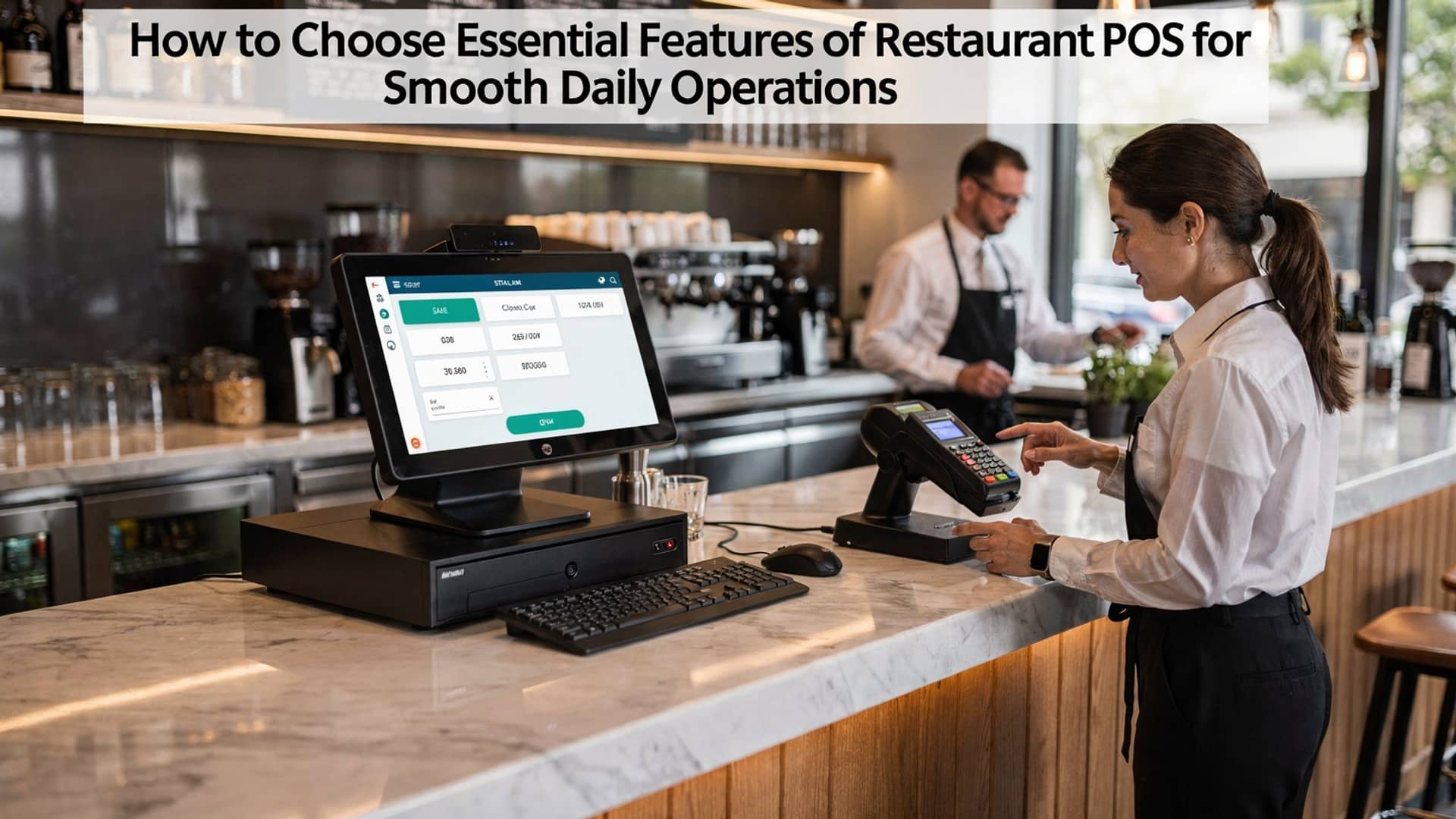
How to Choose Essential Features of Restaurant POS for Smooth Daily Operations
Running a modern restaurant means coordinating orders, payments, inventory. staff in real time, often across dine-in, delivery. QR-based ordering channels. The essential features of restaurant POS now extend far beyond basic billing, as cloud-native systems sync menus instantly, AI-driven inventory tools reduce waste. integrated payment stacks support contactless wallets and PCI DSS 4. 0 compliance. Operators increasingly rely on real-time analytics to spot sales trends during peak hours, while API-based integrations connect POS data with delivery apps, loyalty platforms. kitchen display systems without manual work. Choosing the right features directly affects order accuracy, table turnover. profit margins, especially as labor costs rise and guest expectations shift toward faster, personalized service. A well-selected POS becomes the operational backbone that keeps daily workflows efficient and scalable.
Understanding What a Restaurant POS System Really Does
A restaurant POS (Point of Sale) system is far more than a digital cash register. It is the central hub that connects ordering, payment processing, kitchen operations, inventory, staff management. reporting into one unified platform. According to the National Restaurant Association, modern POS systems are considered “mission-critical technology” for daily restaurant operations because they directly affect speed of service, order accuracy. profitability. When evaluating the essential features of restaurant POS, it helps to first interpret the core role the system plays:
- Capturing and processing customer orders across dine-in, takeout. delivery
- Communicating orders to kitchen staff in real time
- Handling multiple payment methods securely
- Collecting operational data to support better decisions
Choosing the right features ensures smoother workflows, fewer errors during peak hours. a better overall customer experience.
Order Management and Menu Customization Capabilities
Order management is one of the most essential features of restaurant POS systems because it directly impacts speed, accuracy. guest satisfaction. A strong POS should allow staff to place orders quickly, customize items. handle special requests without confusion. Key order management features to look for include:
- Customizable menus with modifiers (e. g. , “no onions,” “extra cheese”)
- Split checks and shared items for group dining
- Table management for dine-in restaurants
- Course-based ordering for fine dining
In a real-world example, a casual dining restaurant I worked with reduced order errors by nearly 30% after switching to a POS that displayed modifiers clearly on kitchen tickets. This aligns with findings from Toast and Square, both of which report that clear menu configuration significantly reduces staff mistakes during rush hours.
Integrated Payment Processing and Security Standards
Payment processing is another core component when selecting the essential features of restaurant POS. Modern systems must support fast, flexible. secure transactions. vital payment-related features include:
- Support for credit/debit cards, mobile wallets (Apple Pay, Google Pay). contactless payments
- EMV chip and NFC compliance
- Tip management and automatic gratuity options
- PCI DSS compliance for data security
PCI DSS (Payment Card Industry Data Security Standard) is a globally recognized security framework developed by major card networks. According to the PCI Security Standards Council, compliance significantly reduces the risk of data breaches and fraud. For restaurant owners, this means protecting both customer trust and the business from costly penalties.
Kitchen Display System (KDS) and Workflow Automation
A Kitchen Display System replaces printed tickets with digital order screens, improving speed and communication between front-of-house and back-of-house teams. This feature is increasingly considered essential rather than optional. Benefits of a KDS include:
- Real-time order updates sent directly to the kitchen
- Color-coded or timed tickets to prioritize preparation
- Reduced paper waste and lost tickets
- Improved coordination between prep stations
A study by QSR Magazine highlighted that restaurants using KDS technology saw faster ticket times and improved order accuracy. In one quick-service restaurant case, average prep time dropped by over 20% during lunch rush after implementing a POS with integrated KDS.
Inventory Management and Ingredient-Level Tracking
Inventory management is often overlooked but remains one of the essential features of restaurant POS systems for controlling costs and preventing waste. Advanced POS platforms automatically deduct ingredients as items are sold. Key inventory features include:
- Real-time stock level tracking
- Low-stock alerts and automated reorder points
- Ingredient-level usage reports
- Supplier and purchase order management
For example, a small café using POS-driven inventory tracking was able to identify over-ordering of dairy products, cutting monthly food waste costs by approximately 12%. According to Harvard Business Review, reducing food waste directly improves margins in low-profit industries like food service.
Employee Management, Roles. Time Tracking
Staff management is another critical area where POS features make daily operations smoother. A well-designed system helps managers assign roles, control access. monitor labor costs. Essential employee-related features include:
- Role-based access permissions
- Clock-in and clock-out tracking
- Overtime and labor cost reporting
- Performance analytics by server or shift
Role-based access ensures that servers, cashiers. managers only see the functions relevant to their responsibilities. This reduces errors and enhances security, especially during busy shifts.
Sales Reporting and Data-Driven Insights
Reporting tools transform raw transaction data into actionable insights. When evaluating the essential features of restaurant POS, robust analytics should be a top priority. Valuable reporting features include:
- Daily, weekly. monthly sales summaries
- Item-level performance reports
- Peak hour and slow period analysis
- Tax and compliance-ready financial reports
According to Deloitte’s hospitality industry insights, restaurants that regularly assess POS data are more likely to adjust menus and staffing effectively, leading to improved profitability. For example, identifying low-performing menu items can guide smarter menu engineering decisions.
Online Ordering, Delivery. Third-Party Integrations
With the rise of digital ordering, POS systems must integrate seamlessly with online ordering platforms and delivery services. This reduces manual entry and prevents order discrepancies. Look for systems that support:
- Native online ordering modules
- Integration with delivery platforms like Uber Eats or DoorDash
- Automatic order syncing to kitchen displays
- Unified reporting across in-house and online sales
Restaurants using integrated POS and online ordering report fewer missed orders and faster fulfillment times. Toast and Lightspeed both emphasize that centralized order flow is critical for operational consistency.
Cloud-Based vs On-Premise POS Systems
Understanding deployment models helps clarify which essential features of restaurant POS systems fit your business model.
| Feature | Cloud-Based POS | On-Premise POS |
|---|---|---|
| Data Access | Accessible from anywhere with internet | Limited to local hardware |
| Updates | Automatic software updates | Manual updates required |
| Initial Cost | Lower upfront cost, subscription-based | Higher upfront hardware investment |
| Scalability | Easier to scale across locations | More complex to expand |
Most modern restaurants prefer cloud-based POS systems due to flexibility, remote management. easier integration with third-party tools.
Customization, Scalability. Future-Proofing
A POS system should grow with your restaurant. Customization and scalability are often underestimated but are essential features of restaurant POS platforms for long-term success. Key considerations include:
- Ability to add new locations or terminals
- Custom reports and dashboards
- API access for third-party integrations
- Support for evolving customer preferences
Industry experts from Gartner emphasize that scalable systems reduce long-term technology costs by avoiding frequent platform changes. Choosing a flexible POS ensures your operations remain smooth even as your business expands or adapts to new service models.
Conclusion
Choosing the right restaurant POS features is less about flashy tools and more about how smoothly your team works at 8 p. m. on a busy Friday. From my own experience helping a small café switch systems last year, real impact came from simple wins like faster order syncing, real-time inventory alerts. cloud access that let the owner check sales from home. As contactless payments, QR ordering. cloud-based dashboards become standard in 2025, focusing on flexible and scalable features is no longer optional, it’s practical survival. The smartest approach is to map features directly to daily pain points, then test how intuitive the system feels for your staff, not just managers. I always recommend choosing a POS that grows with your menu, locations. customer expectations, because switching later costs more than choosing wisely now. Stay curious, learn from peers. invest confidently, because the right POS doesn’t just manage operations, it gives you back time and control to grow your restaurant with clarity and motivation. For deeper insights on cloud trends, you can also explore this detailed guide on cloud-based restaurant POS software.
More Articles
What Features Matter Most in Restaurant POS Software for Daily Operations
Top Restaurant POS Software Features That Simplify Orders Payments and Reporting
7 Common Restaurant POS Software Mistakes Owners Should Avoid for Better Profits
10 Ways Restaurant POS Software Improves Order Accuracy and Speed
Ways Restaurant POS Software Improves Customer Experience and Staff Efficiency

FAQs
What core features should a restaurant POS have for day-to-day operations?
A solid restaurant POS should cover order management, payment processing, menu management, basic inventory tracking. sales reporting. These features help staff take orders quickly, reduce mistakes. keep daily operations running smoothly.
How vital is ease of use when choosing a POS system?
Ease of use is critical. A POS that’s simple to learn helps new staff get up to speed faster and reduces order errors during busy hours. Touch-friendly screens and clear workflows make a big difference in daily efficiency.
Do I really need inventory management in my POS?
Yes, even basic inventory tools are useful. They help track ingredient usage, spot low stock early. reduce waste. This keeps the kitchen prepared and avoids last-minute shortages during service.
How does a POS help with faster service?
A good POS sends orders directly to the kitchen, supports order modifications easily. handles split bills or quick payments. This cuts down wait times and keeps the front and back of house in sync.
What reporting features matter most for restaurant owners?
Daily sales summaries, peak hour reports. item-level sales data are especially useful. These reports help owners interpret what’s selling, when the restaurant is busiest. where adjustments are needed.
Should a POS support different payment methods?
Absolutely. Supporting cash, cards, digital wallets. contactless payments improves customer convenience and speeds up checkout, especially during rush hours.
Is staff management part of a good restaurant POS?
Yes, many POS systems include staff features like role-based access, shift tracking. basic performance data. These tools help prevent errors, improve accountability. simplify daily management.