10 Surprising Ways Restaurant POS Software Boosts Your Business Profits
Beyond mere transaction processing, modern restaurant POS software has evolved into a strategic powerhouse, driving profitability in unexpected ways. Businesses leveraging advanced systems are discovering significant gains, from optimizing inventory through predictive analytics to streamlining labor costs with AI-driven scheduling. This technological shift, often underestimated, moves far beyond basic order entry, directly impacting the bottom line by transforming operational efficiencies and enhancing customer lifetime value, proving essential for adapting to current market demands and maximizing revenue streams.
Unlocking Hidden Revenue with Advanced Analytics
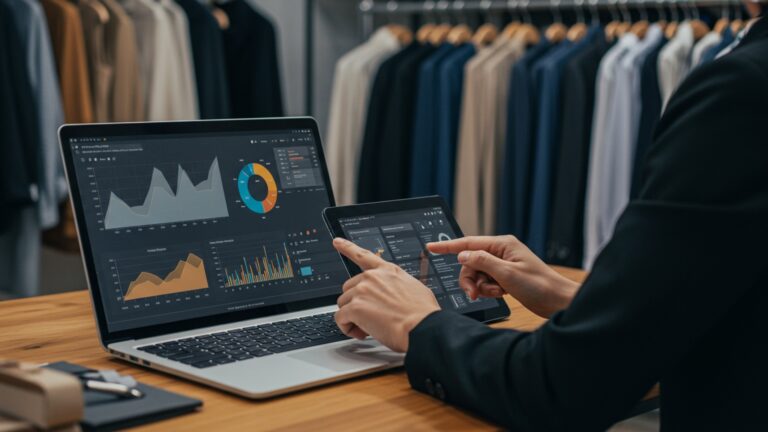
One of the most surprising and impactful ways Restaurant POS software boosts your business profits is through its sophisticated data analytics capabilities. Beyond simply processing transactions, modern POS systems collect a wealth of granular data on every sale, every customer interaction. every inventory movement. This data, when properly analyzed, transforms into actionable insights that can directly impact your bottom line.
Imagine being able to identify your peak sales hours, your most popular menu items, or even which servers generate the highest check averages. A robust POS solution provides detailed reports that go far beyond basic sales figures. For instance, you can run reports to:
- Identify your most profitable dishes by factoring in ingredient costs and selling price.
- Pinpoint slow-moving inventory items to avoid spoilage or overstocking.
- comprehend customer ordering patterns to optimize staffing during busy periods.
- Track the effectiveness of promotions and discounts in real-time.
This level of insight allows restaurant owners and managers to make data-driven decisions rather than relying on gut feelings. For example, if data consistently shows that your gourmet burger is incredibly popular but has a low-profit margin due to an expensive ingredient, you could explore alternative suppliers or slightly adjust the price. Conversely, if a high-profit item isn’t selling well, you could feature it more prominently on the menu or train staff to upsell it. This strategic approach, powered by your point-of-sale system, directly translates into optimized operations and increased profitability.
Streamlined Inventory Management Eliminates Waste
Inventory shrinkage and food waste are silent profit killers in the restaurant industry. Traditionally, managing inventory was a laborious, error-prone manual process. But, advanced restaurant POS software revolutionizes this by integrating sales data directly with inventory tracking. Every time an item is sold, the system automatically deducts it from your stock count.
This real-time tracking provides an accurate picture of what you have on hand, minimizing the need for physical counts and significantly reducing waste. Consider the following benefits:
- Reduced Spoilage
- Prevented Stockouts
- Theft Deterrence
- Optimized Ordering
By knowing exactly what ingredients you have and how quickly they’re moving, you can order more precisely, ensuring less food goes bad before it’s used.
Never run out of a popular item again. The POS can trigger alerts when stock levels hit a predefined minimum, prompting timely reorders.
Discrepancies between sales and inventory can quickly highlight potential issues, such as employee theft or portion control problems.
Generate purchase orders based on actual usage, historical data. projected demand, leading to better vendor relationships and potentially bulk discounts.
A restaurant owner in a bustling downtown area, for example, used their POS’s inventory module to track their fresh seafood orders. Previously, they often over-ordered expensive fish, leading to significant waste at the end of the week. With the POS, they could see daily sales trends and adjust orders precisely, saving them thousands of dollars annually on reduced spoilage alone. This direct impact on cost of goods sold (COGS) significantly boosts profit margins.
Enhanced Customer Relationship Management (CRM) Builds Loyalty
In today’s competitive dining landscape, customer loyalty is gold. Modern POS systems are no longer just transaction processors; they’re powerful CRM tools that help you comprehend and engage with your patrons on a deeper level. By capturing customer data at the point of sale – from order history and preferences to loyalty program participation – your POS allows you to personalize experiences and foster repeat business.
Here’s how a POS-driven CRM boosts profits:
- Personalized Marketing
- Loyalty Programs
- Faster Service
- Feedback Loop
Send targeted promotions, birthday discounts, or special offers based on a customer’s past orders or declared preferences. If a customer frequently orders vegetarian dishes, you can send them a promotion for a new plant-based special.
Easily implement and manage points-based rewards, tiered memberships, or punch-card systems directly through your POS. This encourages repeat visits and larger spending per visit.
For regulars, having their preferences on file (e. g. , “no pickles,” “extra spicy”) allows staff to provide a more tailored and efficient service without asking every time.
Some advanced POS systems integrate with feedback tools, allowing you to quickly address customer concerns and turn negative experiences into positive ones, thus retaining customers.
Consider a small coffee shop that implemented a loyalty program through their POS. Customers earned a free coffee after every ten purchases. The system tracked this automatically, making it easy for both staff and customers. Over time, they saw a noticeable increase in returning customers and a higher average spend, as patrons actively tried to reach their next reward, directly increasing the coffee shop’s revenue.
Faster Table Turnovers & Increased Throughput
Time is money, especially in a busy restaurant. A slow ordering process or delayed bill payment can significantly reduce the number of customers you can serve during peak hours. Restaurant POS software is designed to streamline these processes, leading to faster table turnovers and increased throughput, which directly translates to more sales.
How does it achieve this?
- Mobile POS Devices
- Split Bills & Payment Options
- Kitchen Display Systems (KDS)
- Efficient Menu Navigation
Servers can take orders tableside using handheld devices, sending them instantly to the kitchen display system (KDS) or printers. This eliminates manual order writing, trips to a stationary terminal. potential errors.
Processing complex split bills or multiple payment types (cash, credit, mobile pay) is quick and seamless with a modern POS, reducing the time customers spend waiting for their check.
Orders appear instantly on a screen in the kitchen, prioritized and organized, reducing miscommunications and speeding up food preparation.
Intuitive interfaces allow staff to quickly find items, modifiers. specials, speeding up the ordering process.
A popular pizzeria found that during their Friday night rush, their average table turnover was 45 minutes. After implementing a mobile POS system, servers could take orders and process payments right at the table. This shaved an average of 10 minutes off each table’s stay, allowing them to serve an additional 3-4 tables per hour during peak times, a significant boost to their evening revenue.
Optimized Menu Engineering for Higher Margins
Your menu is more than just a list of dishes; it’s a strategic tool for profitability. Effective menu engineering involves analyzing the popularity and profitability of each item to make informed decisions about pricing, placement. promotion. Your POS technology is the engine that drives this process.
With detailed sales data and integrated recipe costing, a POS can help you:
- Identify Stars
- Address Plow Horses
- Eliminate Puzzles
- Remove Dogs
Discover high-profit, high-popularity items (“stars”) that should be prominently featured.
Recognize high-popularity, low-profit items (“plow horses”) that might need price adjustments or ingredient substitutions to improve margins.
Pinpoint low-popularity, high-profit items (“puzzles”) that could benefit from better marketing or staff recommendations.
Easily identify low-popularity, low-profit items (“dogs”) that are simply taking up valuable menu space and should be removed.
By regularly analyzing these metrics, restaurant managers can strategically redesign their menus to push high-margin items. For instance, a fine dining establishment discovered through their POS reports that a particular appetizer, while not their bestseller, had an exceptionally high-profit margin due to its simple ingredients and premium price point. They moved it to a more prominent position on the menu and instructed servers to recommend it, resulting in a 15% increase in its sales and a noticeable uplift in overall appetizer revenue.
Reduced Employee Theft and Operational Fraud
Unfortunately, employee theft and operational fraud are real challenges that can significantly erode restaurant profits. Modern restaurant POS software solutions incorporate robust security features and tracking capabilities that act as powerful deterrents and detection tools.
Here’s how a POS helps safeguard your assets:
- Transaction Tracking
- Role-Based Permissions
- Cash Drawer Management
- Inventory Control Integration
- Audit Trails
Every void, discount, refund. no-sale transaction is recorded and tied to the employee who performed it, making it easy to spot suspicious patterns.
Limit access to sensitive functions (like discounts or voids) to specific management roles, preventing unauthorized actions by regular staff.
The POS tracks cash drawer activity, including opening and closing counts. alerts managers to discrepancies, discouraging cash skimming.
As mentioned, integrated inventory helps identify discrepancies between what was sold and what should be in stock, flagging potential inventory theft.
Comprehensive audit trails provide a detailed history of all system activities, offering transparency and accountability.
A casual dining chain experienced unexplained cash shortages. Upon implementing a new POS system with detailed void tracking, they noticed one particular server had an unusually high number of “voided” high-value orders after the customer had paid in cash. The POS data provided concrete evidence, allowing management to address the issue directly and eliminate a significant source of profit loss, demonstrating the system’s role in maintaining financial integrity.
Seamless Online Ordering & Delivery Integration
The rise of online ordering and third-party delivery services has opened up massive new revenue streams for restaurants. A key function of a modern restaurant POS system is its ability to seamlessly integrate with these platforms, consolidating orders and streamlining operations, rather than creating a chaotic mess of tablets and manual entries.
This integration boosts profits by:
- Expanding Reach
- Increased Order Accuracy
- Operational Efficiency
- Data Consolidation
Taps into a broader customer base beyond your physical dining room.
Online orders flow directly into the POS and kitchen, reducing manual entry errors that plague phone orders.
Eliminates the need for staff to manually re-enter orders from various tablets into your primary POS, saving labor time and reducing stress during busy periods.
All sales data, whether from dine-in or online, is captured in one system, providing a holistic view of your business performance.
For example, a local sushi restaurant struggled with managing orders from three different delivery apps, each with its own tablet. This often led to missed orders, delayed preparation. frustrated staff. By integrating these apps directly into their POS, all online orders now appear on their kitchen display system just like dine-in orders. This not only improved efficiency and reduced errors but also allowed them to handle a higher volume of online orders, significantly boosting their off-premises revenue without adding extra staff.
Efficient Employee Management & Scheduling
Labor costs are often the single largest expense for restaurants. A robust POS system can dramatically improve employee management, leading to reduced labor costs and increased productivity, directly impacting your profit margins.
Here’s how it helps:
- Accurate Timekeeping
- Labor Cost Tracking
- Performance Monitoring
- Streamlined Payroll
Employees clock in and out directly through the POS, eliminating manual time sheets and potential errors or “buddy punching.”
Real-time data on labor costs as a percentage of sales helps managers make immediate adjustments to staffing levels if sales are slower or busier than anticipated.
Track individual server performance, average check sizes. upsell rates to identify top performers and areas needing improvement.
Integrated timekeeping data can be easily exported to payroll systems, saving administrative time and reducing errors.
A casual diner used their POS to track server sales performance. They noticed that certain servers consistently had higher average check sizes due to effective upselling. By identifying these top performers, management could then implement training programs based on their techniques, leading to an overall increase in average check sizes across the entire serving staff and a measurable boost in daily revenue.
Enhanced Upselling and Cross-selling Opportunities
One of the easiest ways to increase profits without attracting new customers is to encourage existing customers to spend more per visit. Your POS system can be a powerful tool for facilitating upselling (offering a higher-priced version of an item) and cross-selling (suggesting complementary items).
How it works:
- Prompting Modifiers
- Suggested Pairings
- Combo Deals
- Training Reinforcement
When a server inputs an order, the POS can automatically prompt them with relevant modifiers (e. g. , “Would you like to add avocado for $2?” or “Upgrade to truffle fries for $3?”).
For certain entrees, the POS can display suggested wine pairings or dessert options, reminding servers to offer these additions.
Easily configure and manage combo meal deals, encouraging customers to purchase more items for perceived value.
The prompts act as a constant training tool for new or less experienced staff, ensuring they don’t miss opportunities to increase the average check size.
A busy burger joint integrated their POS to prompt servers to ask if customers wanted to “make it a meal” by adding fries and a drink for a slightly discounted price. This simple prompt, enforced by the POS, led to a 20% increase in combo meal sales within the first month, significantly boosting their average transaction value and overall profits.
Improved Customer Feedback and Reputation Management
In the digital age, a restaurant’s online reputation is paramount. Positive reviews drive new business, while negative ones can quickly deter potential customers. Some advanced POS systems offer direct integrations or features that facilitate customer feedback collection and help manage your online reputation, indirectly boosting profits by protecting and growing your customer base.
This includes:
- In-Receipt Feedback Prompts
- Direct Feedback Channels
- Automated Review Requests
- Identifying Service Issues
Print QR codes on receipts or direct links to review sites/surveys, making it easy for customers to leave feedback immediately after their meal.
Some POS systems offer integrated customer feedback forms that can be completed on a tablet at the table or via a link sent to their email.
For customers enrolled in loyalty programs, the POS can trigger automated emails asking for reviews after their visit.
By collecting feedback directly, you can quickly identify and address service or food quality issues before they escalate into public negative reviews.
A family-owned diner struggled with its online presence. Their POS system offered a feature to print a small survey link on every receipt. This allowed them to gather direct feedback, identify a recurring issue with slow coffee refills. train their staff accordingly. By proactively addressing this, they saw an improvement in customer satisfaction scores and, subsequently, a rise in positive online reviews, leading to more new customers discovering their establishment and boosting their overall profitability.
Conclusion
Ultimately, the ‘surprising’ truth is that modern restaurant POS software is far more than a simple cash register; it’s a dynamic profit engine. By harnessing its power, from granular sales analytics that reveal your most profitable menu items to seamless inventory management preventing costly waste, you’re building a smarter business. My personal tip? Dive deep into your weekly sales reports. I once saw a small cafe dramatically reduce prep time for slow-moving items just by understanding their POS data. This isn’t solely about processing transactions anymore; it’s about leveraging real-time insights for strategic growth, especially with the rise of integrated online ordering and delivery platforms. Embrace this technology not as an expense. as your most strategic investment in a thriving, future-proof restaurant.
More Articles
Unlocking Efficiency 7 Smart Ways Restaurant POS Software Boosts Your Business
Top Benefits of Using Restaurant POS Software for Your Business
Choosing Your System 5 Key Features for the Best Restaurant POS
9 Practical Tips for Choosing Restaurant POS Software That Fits Your Business
Streamline Your Restaurant Operations with POS Software and Kitchen Display System

FAQs
So, how exactly does restaurant POS software help my business make more money?
It’s not just for taking orders! POS software streamlines operations, reduces errors, manages inventory better, helps you upsell. even improves customer loyalty – all contributing directly to a fatter bottom line by boosting efficiency and revenue.
What are some of those ‘surprising’ ways it boosts profits that I might not expect?
Beyond just tracking sales, it can flag popular items for better stocking, identify slow movers to clear out, suggest staff scheduling based on peak hours to cut labor costs. even help personalize customer experiences to encourage repeat visits and bigger checks.
Can a POS system really help me save money on daily operations?
Absolutely! By precisely tracking inventory, you drastically reduce waste and prevent theft. It also minimizes ordering errors, speeds up table turns. optimizes staff allocation, leading to significant savings on food costs and labor expenses.
How does software improve the customer experience enough to increase profits?
A good POS means faster, more accurate orders, quick payment processing. even personalized recommendations based on past purchases. Happy customers tend to spend more, return often. recommend your place to others, directly impacting your revenue and growth.
I struggle with food waste. How can a POS help with that?
It’s a game-changer for inventory! The software tracks every ingredient used, alerts you to low stock, monitors spoilage dates. provides data on what sells and what doesn’t. This precision helps you order exactly what you need, slashing waste and saving a ton on food costs.
Does it help prevent staff theft or errors that eat into my profits?
Yes, big time. A POS system creates a clear audit trail for every transaction, from order to payment. It helps reduce cash discrepancies, prevents unauthorized comps or voids. minimizes pricing errors, essentially plugging up profit leaks and ensuring accurate financial records.
What kind of insights can I get from a POS to make smarter business decisions?
You get a goldmine of data! It provides detailed reports on peak sales times, most profitable menu items, server performance, average check sizes. even customer preferences. This data empowers you to optimize your menu, staffing, marketing. promotions for maximum profitability.