10 Smart Ways Restaurant POS Software Can Streamline Your Daily Operations
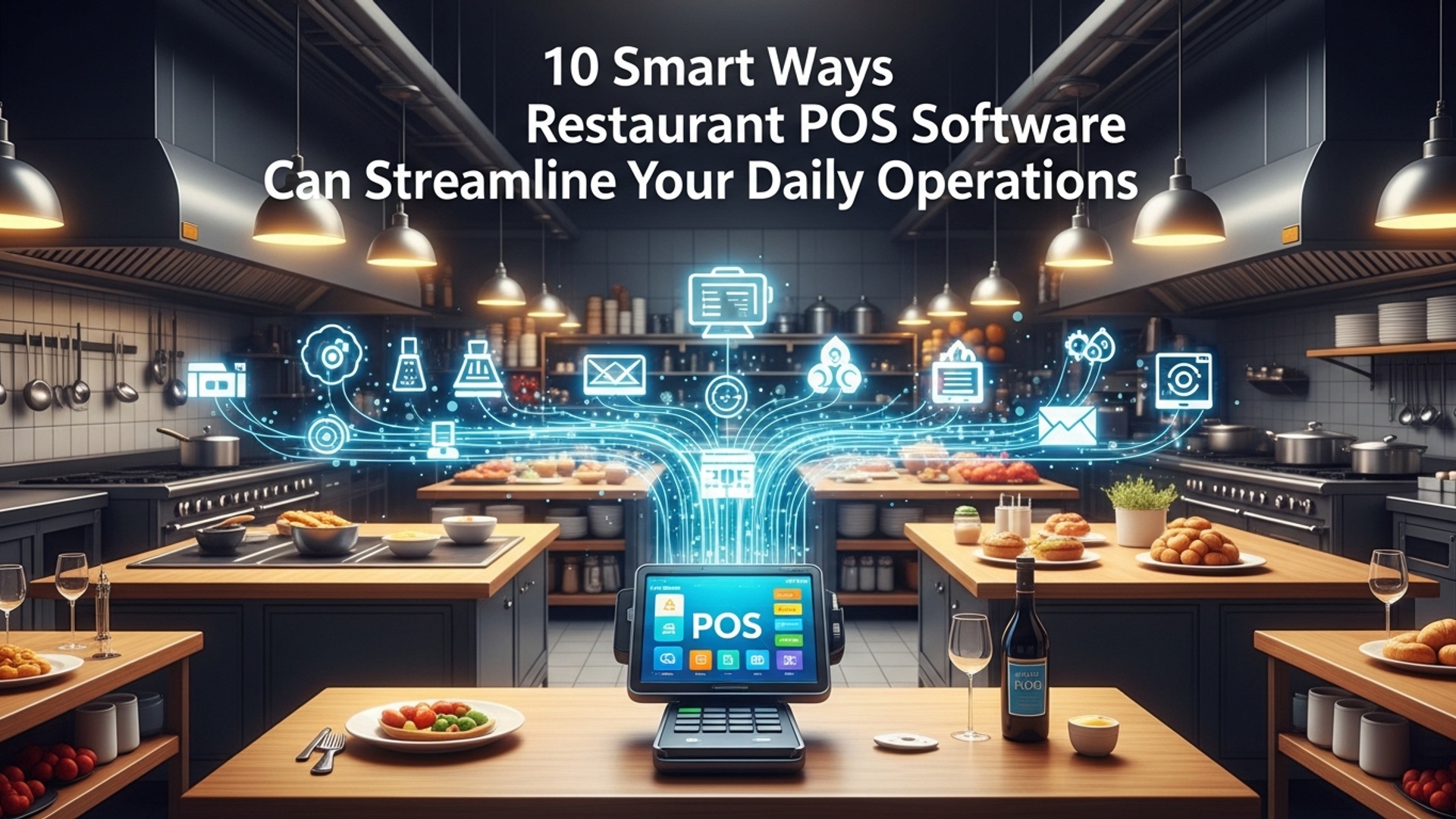
In today’s fast-paced culinary landscape, optimizing operational efficiency is paramount. robust Restaurant POS software stands as the central nervous system for any successful establishment. This essential technology, far beyond simple transaction processing, transforms how restaurants operate daily, making Restaurant POS software indispensable for modern culinary businesses. Leveraging advanced features like real-time inventory tracking, integrated online ordering systems. comprehensive sales analytics, operators gain critical insights into performance bottlenecks and customer preferences. Modern cloud-based solutions, often featuring contactless payment integration and staff management modules, enhance decision-making and elevate the guest experience. This holistic approach to operational command ensures seamless service delivery and drives sustainable profitability.
1. Streamlined Order Taking and Management
One of the most immediate benefits of implementing modern restaurant POS software is the dramatic improvement in order taking and management. Gone are the days of handwritten tickets, deciphering messy handwriting. manual order routing. A robust point-of-sale system transforms this core function.
Servers can take orders directly at the table using handheld devices or fixed terminals, sending them instantly to the kitchen display system (KDS) or bar. This eliminates communication errors between front-of-house and back-of-house staff, speeding up service and reducing wasted food. For instance, a busy pizzeria using an integrated system can ensure toppings are accurately communicated and prepared without delay, even during peak hours.
- Digital Menus
- Modifier Management
- Course Management
- Split Checks
Easily update menu items, prices. daily specials across all terminals in real-time.
Accurately capture special requests and dietary restrictions (e. g. , “no onions,” “gluten-free bun”).
Organize orders into courses, ensuring dishes are prepared and served in the correct sequence.
Effortlessly split bills by item, seat, or custom amounts, simplifying payment for groups.
// Example of a simplified order routing logic in a POS system
function sendOrderToKitchen(orderItems) { let kitchenItems = orderItems. filter(item => item. department === 'kitchen'); let barItems = orderItems. filter(item => item. department === 'bar'); if (kitchenItems. length > 0) { displayOnKDS(kitchenItems); logOrderEvent('Kitchen order sent'); } if (barItems. length > 0) { printBarTicket(barItems); logOrderEvent('Bar order sent'); }
}
2. Enhanced Inventory Control and Waste Reduction
Effective inventory management is crucial for profitability in any restaurant. Advanced restaurant POS software offers powerful tools to track ingredients, manage suppliers. minimize waste. Instead of manual counts and spreadsheets, a POS system automates much of this process.
Every time a dish is sold, the system automatically deducts the corresponding ingredients from your inventory. This provides real-time data on stock levels, allowing you to identify slow-moving items, prevent stockouts of popular ingredients. avoid over-ordering perishables. Consider a bakery that uses a POS system to track flour, sugar. butter. By knowing exact consumption rates, they can optimize purchasing, reducing spoilage and ensuring fresh ingredients are always on hand. This level of detail helps pinpoint areas of waste and improves overall cost control, directly impacting your bottom line.
- Recipe Management
- Automated Ordering
- Supplier Management
- Waste Tracking
Define recipes with precise ingredient quantities for accurate depletion.
Set reorder points to trigger automated purchase orders when stock runs low.
Keep a database of suppliers, pricing. order histories.
Log spoiled or wasted items to identify patterns and address root causes.
3. Optimized Staff Management and Scheduling
Managing staff effectively is key to smooth operations and customer satisfaction. Modern restaurant POS software often includes robust features for employee management, from time tracking to performance monitoring. This functionality helps restaurant owners and managers streamline their daily routines significantly.
Employees can clock in and out directly through the POS terminal, ensuring accurate payroll data. Managers can track sales performance per server, identify training needs. optimize shift schedules based on historical sales data. For example, a cafe can use its POS system’s sales reports to determine peak hours and schedule more baristas during those times, reducing customer wait times and improving service efficiency. This not only makes payroll easier but also empowers managers to make data-driven decisions about staffing levels.
- Time and Attendance
- Performance Reporting
- Role-Based Permissions
- Communication Tools
Track clock-ins/outs, breaks. overtime with precision.
Monitor individual server sales, tips. average check sizes.
Grant specific access levels to different staff members based on their roles.
Some systems offer internal messaging or shift swap functionalities.
4. Comprehensive Sales Reporting and Analytics
Understanding your sales data is critical for making informed business decisions. A sophisticated restaurant POS software provides in-depth reporting and analytics that go far beyond simple daily totals. These insights are invaluable for strategic planning and operational adjustments.
You can generate reports on everything from peak sales times to popular menu items, average check size. even server performance. Imagine a fine dining restaurant analyzing its POS data to discover that a specific entrée consistently sells out on Friday nights but lags on Tuesdays. This insight allows them to adjust their inventory, specials, or marketing efforts accordingly. These powerful analytics help pinpoint strengths, weaknesses. opportunities for growth, moving businesses from reactive to proactive management.
| Report Type | Key Insight | Actionable Takeaway |
|---|---|---|
| Sales by Item | Top-selling dishes, slow movers | Optimize menu, identify specials, adjust inventory. |
| Sales by Hour/Day | Peak times, slow periods | Adjust staffing, run promotions during slow times. |
| Server Performance | Individual sales, tip averages | Identify training needs, recognize top performers. |
| Category Sales | Performance of appetizers, main courses, desserts | Rethink menu structure, pricing strategy. |
5. Seamless Payment Processing
Efficient and secure payment processing is a cornerstone of modern customer service. Integrated restaurant POS software simplifies transactions, offering a variety of payment options and enhancing security. This ensures a smooth checkout experience for customers and accurate record-keeping for the business.
From traditional credit and debit cards to mobile payments, gift cards. even loyalty points, a good POS system handles it all. Many systems are EMV compliant and support tokenization, protecting sensitive customer data. A coffee shop, for instance, can quickly process contactless payments during rush hour, significantly reducing queue times. The ability to accept diverse payment types not only caters to customer preferences but also streamlines reconciliation processes for accounting.
- Multiple Payment Options
- Integrated Chip Card Readers
- Tip Management
- PCI Compliance
Accept credit/debit, mobile payments (Apple Pay, Google Pay), gift cards. more.
Enhance security and comply with EMV standards.
Easily add and track tips for servers.
Ensure secure handling of cardholder data.
6. Enhanced Customer Relationship Management (CRM)
Building strong customer relationships is vital for repeat business. Modern restaurant POS software can integrate CRM functionalities, allowing you to gather valuable customer data and personalize their experience. This goes beyond just taking orders; it’s about understanding and engaging with your patrons.
By tracking customer preferences, order history. visit frequency, you can create targeted marketing campaigns, offer loyalty programs. provide a more personalized service. Consider a sushi restaurant that uses its POS to identify its most frequent diners. They can then send exclusive offers or remember their favorite rolls, making each visit feel special. This level of personalized attention fosters loyalty and encourages repeat visits, turning one-time customers into regulars.
- Loyalty Programs
- Customer Profiles
- Targeted Marketing
- Feedback Collection
Implement points, rewards, or discount programs.
Store contact insights, order history. preferences.
Send personalized emails or SMS messages based on purchase behavior.
Integrate with systems to gather customer reviews and feedback.
7. Integrated Online Ordering and Delivery Management
The rise of online ordering and third-party delivery services has transformed the restaurant industry. A sophisticated restaurant POS software acts as the central hub for managing these channels, ensuring seamless integration with your in-house operations.
Orders placed through your website, mobile app, or even third-party platforms like DoorDash or Uber Eats can flow directly into your POS system and then to the kitchen display system. This eliminates the need for manual re-entry, reducing errors and saving staff time. A bustling pizza place, for example, can manage all its walk-in, phone. online orders through a single system, ensuring consistent order flow and efficient delivery dispatch. This unified approach is essential for maintaining order accuracy and speed, regardless of the ordering channel.
- Single Platform Management
- Real-time Menu Sync
- Delivery Driver Management
- Third-Party Integration
Consolidate all order types (dine-in, takeout, delivery, online).
Ensure online menus always reflect current availability and pricing.
Assign orders to drivers, track progress. manage routes.
Seamlessly connect with popular food delivery aggregators.
8. Efficient Table and Reservation Management
For restaurants with table service, efficient table and reservation management is paramount to maximizing seating capacity and providing excellent customer service. Many modern restaurant POS software solutions include integrated tools for this purpose.
Managers can view a real-time floor plan, track table status (seated, ordering, eating, paid). manage reservations and waitlists digitally. This means no more paper reservation books or relying on memory. A fine-dining establishment can use this feature to precisely manage table turnover, ensuring that guests are seated promptly and wait times are minimized, even during peak hours. This optimization prevents overcrowding, improves guest flow. enhances the overall dining experience.
- Interactive Floor Plans
- Reservation System
- Waitlist Management
- Table Turnover Tracking
Visual representation of your dining area with real-time table status.
Manage bookings, confirm arrivals. send reminders.
Digitally organize waiting guests and notify them when tables are ready.
Monitor average seating times to optimize efficiency.
9. Multi-Location Management and Scalability
For growing restaurant groups or franchises, the ability to manage multiple locations from a central dashboard is invaluable. Modern restaurant POS software is designed with scalability in mind, offering features that streamline operations across an entire chain.
Owners can access consolidated sales reports, manage inventory across all locations, standardize menus. oversee staff performance from a single interface. An expanding chain of burger joints, for instance, can use a cloud-based POS system to roll out new menu items simultaneously across all their restaurants and examine sales performance comparatively. This centralized control ensures consistency, simplifies management. provides a holistic view of the business’s performance, making expansion much more manageable.
- Centralized Reporting
- Menu Synchronization
- Inventory Transfer
- Employee Management
View aggregated data from all locations.
Push menu updates and pricing changes to all stores instantly.
Manage stock movement between different locations.
Oversee staff across the entire enterprise.
10. Enhanced Security and Data Protection
In an era of increasing cyber threats, protecting sensitive business and customer data is more critical than ever. A robust restaurant POS software prioritizes security, offering features that safeguard your operations from various risks.
From secure payment processing (PCI compliance, EMV support) to role-based user permissions that prevent unauthorized access, these systems are built with data integrity in mind. For example, a restaurant owner can rest assured that financial transactions are encrypted and that only authorized managers can access sales reports or adjust prices. Cloud-based POS systems also offer data backup and recovery features, ensuring business continuity even in the event of hardware failure. Investing in a secure POS system isn’t just about compliance; it’s about protecting your business’s reputation and financial health.
- PCI Compliance
- Data Encryption
- User Access Controls
- Cloud Backup & Recovery
- Fraud Detection
Adherence to Payment Card Industry Data Security Standards.
Protect sensitive transaction and customer data.
Define specific permissions for each staff member.
Automated data backups to prevent loss.
Some systems include tools to identify suspicious transactions.
Conclusion
Ultimately, embracing restaurant POS software is no longer a luxury but a strategic imperative for modern eateries. From my experience, the most successful restaurateurs don’t just have a POS; they treat it as their operational nerve center, actively exploring its capabilities beyond basic transactions. For instance, leveraging real-time inventory tracking can prevent stockouts of popular items like a trending seasonal special, while detailed sales analytics help optimize staffing during peak lunch rushes, a critical insight in today’s dynamic market. By truly harnessing these tools, you transform daily challenges into opportunities for growth. Think of it: a modern cloud-based system integrates seamlessly with online ordering platforms, a recent development that has become non-negotiable for customer convenience. This level of automation frees up your team to focus on what truly matters—delivering exceptional guest experiences, rather than getting bogged down in manual processes. Don’t just streamline; empower your entire operation. Take the leap and discover how intelligent technology can truly elevate your restaurant’s future.
More Articles
How to Leverage POS Software Features to Boost Restaurant Efficiency
Uncover 5 Amazing Ways Restaurant POS Software Boosts Your Business
How to Choose the Best Restaurant POS Software for Your Kitchen
Unlock Efficiency 7 Powerful Restaurant POS Software Benefits
8 Clever Ways Restaurant POS Software Boosts Your Profits

FAQs
How can restaurant POS software really speed up taking orders?
It helps by letting staff input orders directly at the table or counter, sending them instantly to the kitchen or bar. This cuts down on errors, speeds up service. keeps things moving smoothly even when it’s busy.
What’s the deal with POS and managing my restaurant’s inventory?
A good POS tracks ingredients and supplies in real-time. It can alert you when stock is low, help with reordering. even show you what’s selling well (and what’s not), reducing waste and keeping your costs in check.
Does POS software make it easier for customers to pay?
Absolutely! It supports all sorts of payment methods, from cards to mobile payments. Plus, it makes splitting bills simple and speeds up the checkout process, leading to happier customers and faster table turnover.
Can a POS help me manage my team better?
Yes, it often includes features for staff management like a digital time clock, scheduling tools. even performance tracking. This helps you monitor labor costs, ensure proper staffing. streamline payroll.
What kind of useful details can I get from a POS system?
You can get a ton of insights! Think detailed sales reports, data on your most popular dishes, peak business hours. even customer spending habits. This helps you make smart decisions to boost your bottom line.
How does POS software improve the experience for my guests?
By speeding up service, ensuring order accuracy. offering convenient payment options, it makes dining smoother. Many systems also support loyalty programs, helping you recognize regulars and offer personalized perks.
Is it complicated to update my menu with a POS?
Not at all! One of the best features is how easy it is to update your menu items, prices, or add daily specials across all your ordering channels instantly. This means no more manual changes and ensures everyone sees the correct, up-to-date details.