10 Smart Ways Restaurant POS Software Can Cut Your Operating Costs
- Restaurant POS software
- Restaurant POS software
Streamlined Order Management and Accuracy
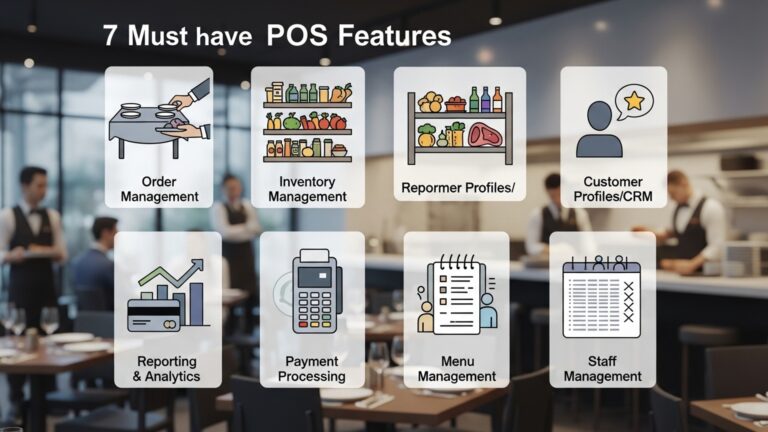
One of the most immediate and impactful ways restaurant POS software slashes operating costs is by revolutionizing order management. Manual order taking, often scribbled on notepads, is a notorious source of errors. Misheard items, forgotten modifications. illegible handwriting lead to wasted food, re-dos in the kitchen. frustrated customers. A robust Restaurant POS software system minimizes these costly mistakes.
- Reduced Food Waste
- Faster Table Turnover
- Improved Customer Satisfaction
Digital orders sent directly to the kitchen display system (KDS) or printers ensure precision. Kitchen staff receive clear, accurate instructions, reducing the likelihood of preparing incorrect dishes that end up in the bin.
With streamlined ordering, servers can spend less time at the POS terminal and more time attending to guests, or taking more orders. This efficiency translates to quicker order processing, faster meal delivery. ultimately, more tables served per shift. A case study by Toast, a leading POS provider, often highlights how their systems have helped restaurants increase table turns by 15-20% during peak hours, directly boosting revenue without increasing operational footprint.
Accurate orders mean happier customers. Fewer mistakes lead to fewer complaints, refunds. re-cooks, saving both ingredients and labor.
Optimized Inventory Control and Waste Reduction
For many restaurants, inventory is a black hole where profits disappear. Spoilage, theft. over-ordering can significantly inflate food costs. Modern restaurant POS software offers sophisticated inventory management modules that provide granular control and visibility, turning this cost center into a source of savings.
- Real-time Tracking
- Automated Reordering
- Recipe Management
- Waste Monitoring
Every ingredient used in a dish can be automatically deducted from inventory as orders are placed. This provides a real-time snapshot of stock levels, preventing unexpected shortages and costly last-minute emergency orders.
Set par levels for ingredients. the POS system can alert you when stock is low, or even automatically generate purchase orders with preferred suppliers. This reduces manual effort, minimizes human error. ensures you’re never overstocked or understocked.
Input your recipes into the system. it will calculate the exact cost of each dish, helping you price menus profitably and identify high-cost items. This also helps in portion control, ensuring consistency and preventing over-portioning which can quickly deplete stock.
Track spoilage and waste more effectively. By logging discarded items, you can identify patterns, pinpoint problem areas (e. g. , specific ingredients expiring frequently, certain dishes consistently overproduced). implement corrective actions. Industry expert Gordon Ramsay often stresses the importance of meticulous inventory management, stating that “every gram counts” in a profitable kitchen.
Efficient Staff Management and Reduced Labor Costs
Labor is often the largest operating expense for restaurants. Restaurant POS software provides tools that optimize staffing, reduce administrative burden. improve employee productivity.
- Optimized Scheduling
- Time & Attendance Tracking
- Performance Monitoring
- Reduced Training Time
POS data on peak hours and sales trends allows managers to create more accurate schedules, ensuring adequate staffing during busy periods and preventing overstaffing during slow times. This minimizes unnecessary labor hours.
Integrated time clock features precisely track employee hours, eliminating manual time card errors and “buddy punching.” This ensures accurate payroll processing and prevents costly discrepancies.
Track server performance, average check sizes. upsell rates. This data helps identify top performers for recognition and those who might need additional training, improving overall team efficiency.
Intuitive POS interfaces are easier for new staff to learn, reducing the time and resources needed for training. This means new hires can become productive members of the team much faster.
Data-Driven Decision Making
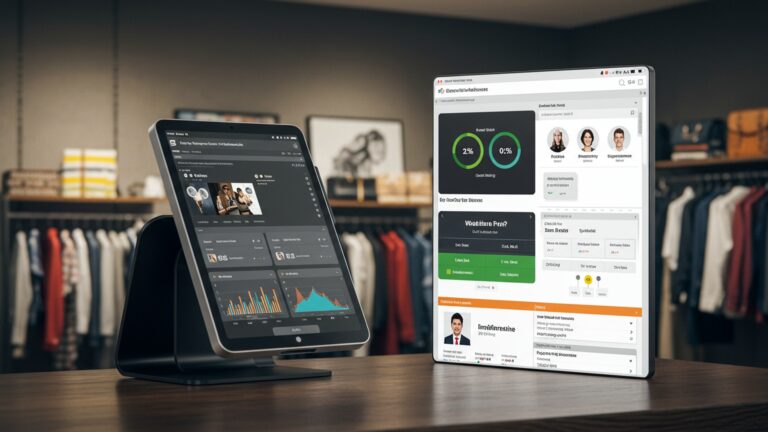
One of the most undervalued aspects of modern POS technology is its ability to transform raw sales data into actionable insights. This intelligence empowers restaurant owners to make informed decisions that directly impact their bottom line.
- Menu Engineering
- Sales Forecasting
- Identifying Trends
assess which menu items are most popular, most profitable. which are simply dead weight. Use this data to optimize your menu, removing underperforming dishes and promoting high-margin items. For example, if your POS reports show a specific appetizer has high sales but low profit margin due to ingredient cost, you can adjust pricing or ingredients.
Historical sales data allows for more accurate demand forecasting, helping you predict busy periods, manage inventory. optimize staffing. This reduces both food waste from over-preparation and lost sales from under-preparation.
Spot seasonal trends, assess the impact of promotions. interpret customer preferences. This insight helps you tailor your offerings and marketing efforts for maximum impact.
Reduced Payment Processing Fees
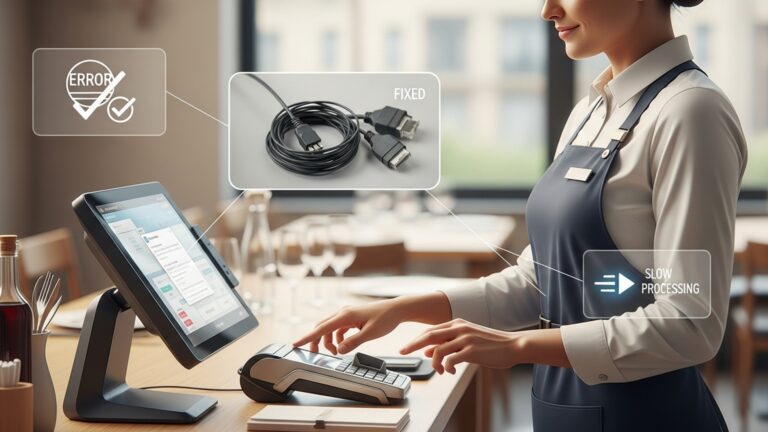
While often overlooked, payment processing fees can accumulate into a significant operating cost. Modern POS systems offer features that can help mitigate these expenses.
- Integrated Processing
- Tokenization and PCI Compliance
- Surcharge or Cash Discount Programs
By using a POS system with integrated payment processing, you can often negotiate better rates with providers due to higher volume and streamlined operations. This also reduces errors associated with manual entry or separate terminals.
Secure POS systems use tokenization and adhere to PCI DSS standards, reducing your liability in case of a data breach. Avoiding hefty fines for non-compliance can be a significant saving.
Some advanced POS systems allow restaurants to implement compliant surcharge or cash discount programs, passing a portion of processing fees to the customer for credit card transactions, or incentivizing cash payments. While this requires careful implementation and transparency, it can directly reduce your operating costs.
Enhanced Customer Loyalty and Repeat Business
Acquiring new customers is significantly more expensive than retaining existing ones. A sophisticated restaurant POS software can foster loyalty, turning one-time visitors into regular patrons, which indirectly cuts marketing costs and boosts revenue.
- Loyalty Programs
- Personalized Marketing
- Improved Service
Easily implement and manage loyalty programs (e. g. , points systems, discount clubs) directly through the POS. Track customer purchases, reward frequent diners. encourage repeat visits without costly external services.
Collect customer data (with consent) like preferences and visit frequency. Use this insights to send targeted promotions and personalized offers, leading to higher conversion rates than generic marketing campaigns.
By speeding up ordering and payment. reducing errors, the overall dining experience improves. Happy customers are more likely to return and recommend your restaurant, acting as free marketing.
Minimized Training Time and Costs
Employee turnover in the restaurant industry is notoriously high, making training a recurring and costly expense. A well-designed POS system can significantly alleviate this burden.
- Intuitive User Interface
- Standardized Procedures
- Reduced Errors
Modern POS systems are designed with user-friendliness in mind, often resembling familiar tablet or smartphone interfaces. This reduces the learning curve for new employees, getting them up to speed much faster.
The system enforces standardized order entry and payment procedures, ensuring consistency across all staff members and reducing the need for extensive manual process training.
Fewer errors due to system guidance mean less time spent correcting mistakes, allowing trainers and managers to focus on other critical tasks rather than re-training on basic functions.
Improved Reporting and Accounting Efficiency
Manual reconciliation of sales, tips. inventory can be a time-consuming and error-prone process. Restaurant POS software automates much of this, leading to significant administrative cost savings.
- Automated Reporting
- Seamless Accounting Integration
- Tax Compliance
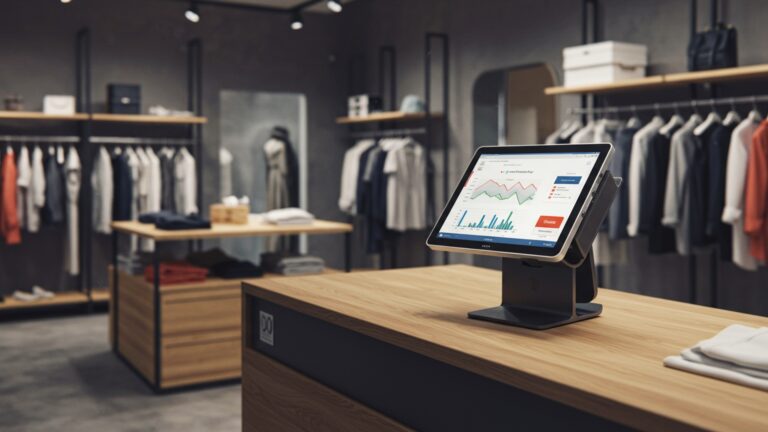
Generate daily, weekly, or monthly sales reports, labor cost reports. inventory reports with a few clicks. This eliminates hours of manual data compilation and analysis.
Many POS systems integrate directly with popular accounting software like QuickBooks or Xero. This means sales data, expenses. payroll data can be automatically synced, drastically reducing the time and potential for errors in bookkeeping. This integration can save businesses hundreds, if not thousands, of dollars annually in accounting fees or internal labor.
Accurate and easily accessible records generated by the POS simplify tax preparation and ensure compliance, potentially avoiding fines or audits.
Reduced Theft and Fraud
Internal theft and fraud, though uncomfortable to discuss, are real challenges for restaurants that can significantly impact profitability. A comprehensive POS system acts as a powerful deterrent and detection tool.
- Transaction Tracking
- Inventory Discrepancy Alerts
- Role-Based Permissions
Every transaction is logged and time-stamped, showing who processed it, what was sold. how payment was received. This creates an audit trail that makes it difficult for employees to pocket cash or give unauthorized discounts.
By comparing sales data with inventory depletion, the system can flag unusual discrepancies that might indicate theft or waste.
Restrict access to sensitive functions (like voiding orders, issuing refunds, or modifying prices) to authorized personnel only, reducing opportunities for fraudulent activities.
Scalability and Future-Proofing Your Investment
While not a direct “cost cut” in the traditional sense, choosing a scalable restaurant POS software avoids future expenses and ensures your initial investment continues to pay dividends as your business grows or evolves.
- Adaptability
- Cloud-Based Solutions
- Competitive Edge
A modern POS can easily accommodate changes like adding new menu items, opening new locations, or implementing online ordering and delivery services, without requiring a complete system overhaul.
Cloud-based POS systems eliminate the need for expensive on-site servers and IT maintenance. Updates are often automatic and included in the subscription, ensuring you always have the latest features and security without additional capital expenditure. This significantly reduces long-term operational costs associated with hardware and software management.
Staying updated with technology keeps your restaurant competitive, attracting tech-savvy customers and streamlining operations in line with industry best practices, safeguarding against future market shifts.
Conclusion
The journey through ten smart ways clearly underscores that modern restaurant POS software isn’t just a billing tool; it’s a strategic partner in fiscal health. In today’s competitive landscape, where every margin point counts, leveraging its capabilities for precise inventory control and minimized food waste, for instance, has become paramount. This goes beyond mere transactions, extending to invaluable insights into peak hours and popular dishes, empowering data-driven decisions that directly impact your bottom line. My own observations confirm that businesses truly embracing these functionalities, from streamlined staff management to accurate sales forecasting, witness tangible savings. Don’t let your current system underperform; actively explore how its advanced features can be fully utilized. As a personal tip, start by auditing your biggest cost centers – often inventory and labor – and then align them with your POS features. If you’re still navigating the selection process, understanding essential features is paramount; consider delving deeper into 10 Questions to Ask Before You Buy Restaurant POS Software. Embrace this technological evolution not as an expense. as an investment that proactively shapes a leaner, more profitable future for your establishment. The power to transform your operations and boost your profitability is truly at your fingertips.
More Articles
Boost Profits and Efficiency With These 5 Restaurant POS Tips
How to Maximize Your Restaurant’s Efficiency With Key POS Features
Are You Using All 6 Hidden Benefits of Your Restaurant POS System
7 Essential Ways Restaurant POS Software Boosts Your Daily Business Profits

FAQs
How does restaurant POS software really help save money?
It helps in many ways, like managing inventory better to reduce waste, speeding up order taking for more efficiency. providing data to make smarter decisions about your menu and staff. , it tightens up all sorts of operational loose ends.
Can a POS system actually reduce food waste and stop inventory issues?
Absolutely! Modern POS systems offer robust inventory tracking. You can monitor ingredient usage, get alerts for low stock. identify popular items to minimize over-ordering and spoilage. This directly cuts down on food waste and prevents costly stockouts or surpluses.
What about making my staff more efficient with this software?
POS software streamlines operations significantly. Staff can take orders faster, send them directly to the kitchen. process payments quickly. This means less time wasted on manual tasks and more time serving customers, potentially reducing labor costs or allowing your team to handle more tables without feeling overwhelmed.
How can sales data from a POS help me save money on my menu?
By analyzing sales data, you can see which dishes are big sellers and which ones are just sitting there. This helps you optimize your menu, remove unpopular items that tie up ingredients. even adjust pricing to maximize profit and minimize waste from slow-moving stock.
Does a POS system help prevent theft or reduce losses from errors?
Yes, it does. POS systems track every transaction, void, discount. cash movement, creating a clear audit trail. This transparency makes it harder for internal theft to occur and helps quickly identify and rectify errors, saving you money from various types of losses.
Beyond the direct stuff, does it help with customer loyalty or repeat business?
While not a direct cost cut, an improved customer experience leads to repeat business, which is highly cost-effective compared to acquiring new customers. POS systems enable faster service, accurate orders. even loyalty programs, keeping your existing customers happy and coming back, boosting your revenue efficiently.
Is it complicated to set up, or does it really simplify daily tasks?
While there’s an initial setup, the goal of modern POS software is to simplify daily tasks. It automates order processing, payment handling. reporting, significantly reducing manual effort and human error. This streamlining frees up managers and staff to focus on customer service and other critical operational aspects, making daily life much easier.