How to Choose the Best Features for a Restaurant POS System
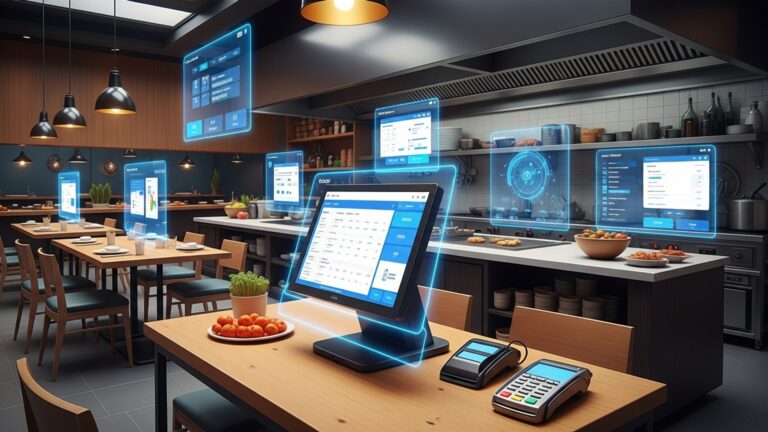
In the fast-paced restaurant industry, selecting the right POS system can be the difference between seamless operations and chaotic inefficiencies. Modern POS systems have evolved far beyond basic transaction processing and now offer features like inventory tracking, customer relationship management. real-time sales analytics, tailored to meet the demands of today’s tech-savvy restaurateurs. As contactless payments and mobile ordering grow in popularity, integrating tools that support these functionalities is essential for staying competitive. Features such as customizable table management, multi-device compatibility. staff performance insights are gaining traction, reflecting the industry’s shift towards data-driven decision-making. Consider recent advancements like cloud-based systems that enable remote access and AI-powered recommendations, which streamline workflows and enhance customer satisfaction. Whether you run a bustling café or a fine dining establishment, prioritizing the top features to look for in a restaurant POS system ensures you’re equipped to optimize operations and adapt to evolving consumer expectations.

Understanding the Importance of a Restaurant POS System
- A Point-of-Sale (POS) system is the backbone of any modern restaurant, simplifying operations and enhancing the customer experience.
- It combines hardware and software to manage orders, payments, inventory. analytics in a single platform.
- An effective POS system helps streamline operations, improve efficiency. ultimately boost profits.
Key Considerations Before Choosing a POS System
- Type of Restaurant: Consider whether you’re operating a quick-service restaurant, fine dining establishment, food truck, or cafe. Different systems cater to varied needs.
- Budget: POS systems range from basic setups to advanced, feature-rich platforms. Define your budget before exploring options.
- Integration Needs: Determine if the POS integrates seamlessly with your existing software, such as accounting tools, customer relationship management (CRM) systems, or delivery platforms.
- Ease of Use: The system should be user-friendly for both staff and management, with minimal training required.
Top Features to Look for in a Restaurant POS System
- Order Management: Efficient order management is critical. The POS system should handle dine-in, takeout. delivery orders with ease, syncing them across all channels.
- Customizable Menu Management: The ability to update menu items, modify prices. organize categories ensures flexibility in adapting to customer preferences or seasonal changes.
- Table Management: For dine-in restaurants, a table management feature helps optimize seating arrangements, track table statuses. turn tables faster.
- Inventory Tracking: A robust inventory management system tracks stock levels, provides low-stock alerts. simplifies reordering processes to prevent shortages or overstocking.
- Integrated Payment Processing: Choose a POS system with secure and versatile payment options, such as credit cards, digital wallets. contactless payments.
- Employee Management: Tools for tracking employee shifts, roles. performance help streamline workforce management and improve accountability.
- Reporting and Analytics: Data analytics tools provide insights into sales trends, customer preferences. overall restaurant performance, enabling data-driven decisions.
- Customer Relationship Management (CRM): Features like loyalty programs, customer profiles. personalized marketing campaigns enhance the customer experience and boost retention.
- Mobile POS Functionality: For food trucks or open-floor restaurants, mobile POS systems enable staff to take orders and process payments on the go.
- Offline Mode: Ensure the POS system can function during internet outages, maintaining smooth operations even without a connection.
Comparing Hardware Options for Restaurant POS Systems
| Hardware Type | Description | Best Use Case |
|---|---|---|
| Traditional Terminals | Stationary systems with a touchscreen monitor, cash drawer, receipt printer. card reader. | Large restaurants with fixed cashier stations. |
| Mobile POS Devices | Tablets or smartphones with POS software installed, often paired with portable card readers. | Food trucks, pop-up restaurants, or establishments with flexible seating. |
| Self-Service Kiosks | Interactive screens where customers can place and pay for orders independently. | Fast food or quick-service restaurants to reduce wait times. |
| Kitchen Display Systems (KDS) | Digital screens in the kitchen that display incoming orders, replacing printed tickets. | All types of restaurants with high volumes of orders. |
Real-World Applications of Restaurant POS Features
- Order Accuracy: A quick-service restaurant uses a POS with kitchen display systems to eliminate miscommunications between front-of-house and back-of-house staff, reducing order errors by 30%.
- Sales Tracking: A small cafe analyzes sales data from their POS system and discovers that breakfast items generate the highest revenue. This insight leads them to expand their morning menu offerings.
- Loyalty Programs: A fine dining restaurant implements a CRM-integrated POS, offering discounts to repeat customers. This increases the frequency of visits by 25% over six months.
- Inventory Management: A pizzeria utilizes the inventory tracking feature to monitor ingredient use. They optimize reorder schedules, reducing food waste by 20% monthly.
Emerging Trends in Restaurant POS Systems
- Cloud-Based Solutions: Cloud-based POS systems enable remote access, allowing restaurant owners to monitor operations from anywhere.
- AI-Powered Insights: Artificial intelligence tools integrated into POS systems provide predictive analytics, enhancing decision-making.
- Contactless Technology: Systems with NFC-enabled payment options cater to customers seeking hygiene-conscious dining experiences.
- Third-Party Integrations: Seamless integration with delivery apps like Uber Eats or DoorDash allows restaurants to manage all orders from a single platform.
Conclusion
Choosing the best features for your restaurant POS system is not just about ticking boxes; it’s about aligning technology with your business goals. Start by identifying your restaurant’s unique needs, whether it’s streamlining operations, managing inventory, or creating a seamless customer experience. For example, if your restaurant focuses on takeout, features like online ordering and payment integration will be critical. Meanwhile, for dine-in establishments, table management tools and real-time reporting may take precedence. By staying updated on recent industry trends like AI-powered data insights or cloud-based systems, you can future-proof your investment and remain competitive. Remember, a POS system is more than a tool—it’s a strategic partner for growth. Consult with your team to gather input on pain points they experience. don’t hesitate to leverage free trials or demos to see how various systems perform in real-world scenarios. When I managed my own restaurant, investing in a POS with automated sales reporting revolutionized how I tracked daily revenue, saving me hours each week. Let your decision be informed by both expertise and practical testing. The right POS system should be a catalyst for smoother operations, loyal customers. growing profits. Keep these priorities in mind. you’ll be well on your way to unlocking its full potential.
More Articles
7 Essential Features to Look for in POS Software Chennai
How to Master Restaurant POS Features That Boost Efficiency and Customer Satisfaction
10 Smart Ways Restaurant POS Software Improves Daily Operations and Customer Experience
Master 5 Smart Strategies to Optimize Your Restaurant POS System for Efficiency
7 Essential Features to Look for When Choosing Restaurant POS Software

FAQs
What should I look for when choosing a restaurant POS system?
Focus on features that fit your needs, like inventory tracking, payment processing, reporting tools. table management.
Do I need a POS system with mobile capabilities?
If you want flexibility and faster service, mobile POS systems can be great for tableside ordering or payments.
How essential is ease of use in a POS system?
Very vital. A user-friendly system saves time and reduces training hassles for your staff.
Should I prioritize customization options?
Yes, a customizable POS lets you tailor menus, reports. other features to suit your restaurant’s specific needs.
Do I need a POS system with reporting and analytics?
Absolutely. Detailed reports and analytics help track sales, monitor performance. make informed business decisions.
How can I tell if a POS system is reliable?
Check for reviews, ask about uptime guarantees. ensure it comes with good customer support and regular software updates.
Are integrations with other tools really necessary?
If you use other tools like accounting software or delivery platforms, integrations can save you a lot of time and reduce errors.
Will a POS system help with staff management tasks?
Many POS systems have features to track shifts, manage schedules. monitor employee performance, making staff management easier.