Unlock Growth 5 Top Restaurant Software Solutions in Chennai
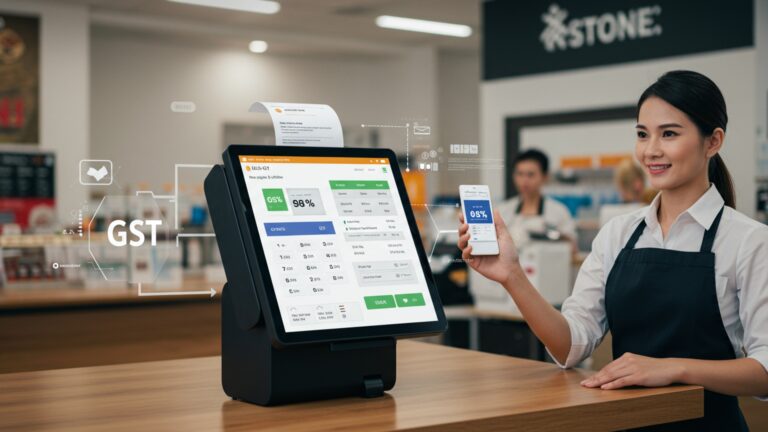
Chennai’s dynamic restaurant sector faces unprecedented pressure to optimize operations and elevate customer experiences, navigating everything from fluctuating supply chains to the booming demand for seamless digital interactions. Gone are the days when manual processes sufficed; modern eateries now recognize that superior efficiency and data-driven insights are critical for survival and scalability. Implementing robust restaurant software in Chennai empowers businesses to integrate online ordering, streamline inventory, manage tables efficiently. process payments instantly, thereby reducing operational bottlenecks and maximizing profitability. This strategic shift towards advanced technological solutions is essential for establishments aiming to thrive and deliver exceptional service in the city’s competitive culinary landscape.
The Digital Transformation: Why Restaurant Software is Crucial for Chennai’s Culinary Scene
Chennai, a vibrant metropolis known for its rich culinary heritage, from traditional South Indian delicacies to international gourmet experiences, hosts a fiercely competitive restaurant industry. In this dynamic environment, merely serving great food is often not enough to sustain growth and ensure profitability. The modern diner expects not just quality cuisine but also seamless service, efficient operations. a personalized experience. This is where robust restaurant software in Chennai becomes indispensable, transforming how establishments manage everything from orders and inventory to customer relationships and online presence.
At its core, restaurant software refers to a suite of digital tools and applications designed to streamline and automate various aspects of a restaurant’s operations. This shift from manual processes to digital solutions is not just a trend; it’s a strategic imperative. For restaurant owners and managers in Chennai, embracing technology means gaining a significant edge in efficiency, cost reduction. customer satisfaction. It allows businesses to adapt to evolving market demands, such as the surge in online food delivery and the need for data-driven decision-making.
Understanding the fundamental components of this technology is key to appreciating its value. Here are some critical terms and concepts:
-
- Point of Sale (POS) System
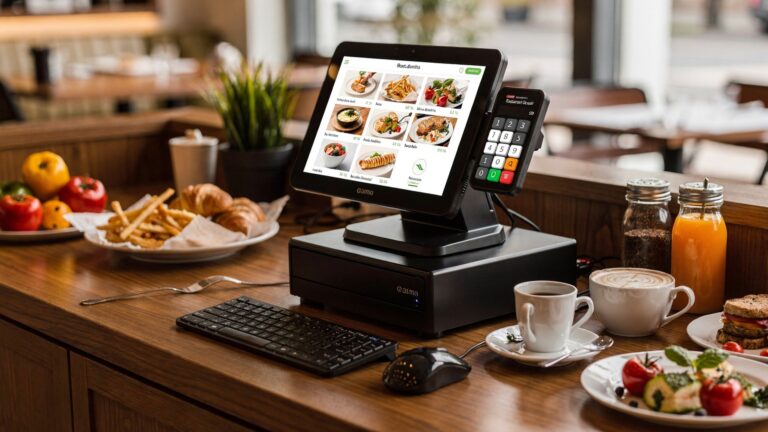
This is the central hub of most restaurant software, handling all sales transactions. Beyond simply processing payments, modern POS systems manage orders, track sales data, facilitate table management. integrate with other modules. Think of it as the brain of your front-of-house operations.
-
- Inventory Management
A module that tracks stock levels of ingredients and supplies, helping to prevent waste, optimize ordering. manage supplier relationships. This is crucial for controlling food costs, which are often a restaurant’s largest expense.
-
- Customer Relationship Management (CRM)
Tools designed to manage and review customer interactions and data throughout the customer lifecycle. This helps improve business relationships with customers, assist in customer retention. drive sales growth through targeted marketing.
-
- Online Ordering & Delivery Integration
Features that allow customers to place orders directly through a restaurant’s website or app, often integrating with third-party delivery platforms. Essential for capitalizing on the booming food delivery market.
-
- Kitchen Display System (KDS)
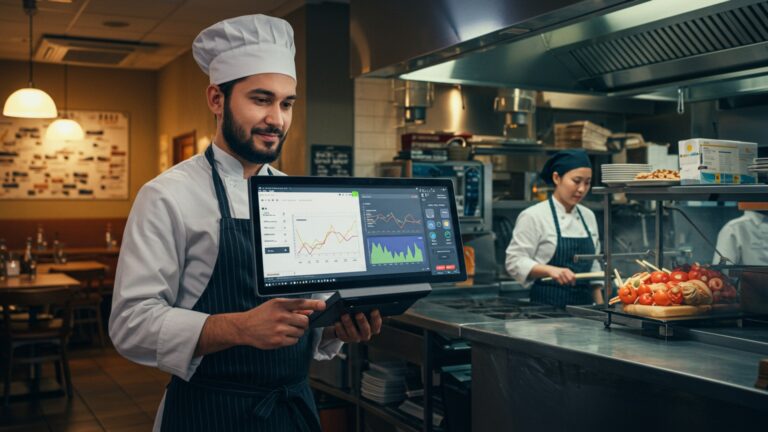
Digital screens in the kitchen that display incoming orders, replacing traditional paper tickets. KDS improves order accuracy, speeds up kitchen operations. reduces communication errors between front and back of house.
-
- Cloud-Based Software
Applications hosted on remote servers and accessed over the internet, rather than being installed directly on a local computer. This offers flexibility, scalability. accessibility from anywhere, a significant advantage for businesses with multiple outlets or remote management needs.
The transition to digital solutions is about more than just convenience; it’s about leveraging data to make informed decisions. By automating routine tasks, restaurant staff can focus more on providing exceptional service, enhancing the overall dining experience for patrons in Chennai.
Essential Features to Look for in Robust Restaurant Software
When evaluating restaurant software in Chennai, it’s crucial to look beyond basic transaction processing. A truly effective solution should offer a comprehensive suite of features designed to optimize every facet of your operation. Investing in the right software can significantly impact your restaurant’s efficiency, profitability. customer satisfaction. Here are the must-have features:
-
- Intuitive Point of Sale (POS) Interface
- User-Friendly Design
- Intuitive Point of Sale (POS) Interface
The interface should be easy for staff to learn and navigate, minimizing training time and reducing errors.
-
-
- Customizable Menu
-
Ability to quickly add/remove items, apply discounts, manage combos. handle modifiers (e. g. , “extra cheese,” “no onions”).
-
-
- Split Billing & Table Management
-
Essential for group diners and managing reservations efficiently.
-
-
- Multiple Payment Options
-
Support for cash, card payments (integrated with local payment gateways), mobile wallets. QR code payments, reflecting the diverse payment landscape in Chennai.
-
- Comprehensive Inventory and Stock Management
- Real-time Tracking
- Comprehensive Inventory and Stock Management
Monitor ingredient levels as dishes are sold, providing accurate stock counts.
-
-
- Recipe Management
-
Link menu items to specific ingredients and their quantities to automatically deduct stock.
-
-
- Supplier Management
-
Track supplier insights, order history. automate reorder alerts based on par levels.
-
-
- Waste Management
-
Record spoilage or waste to get a true picture of food costs.
-
- Robust Reporting and Analytics
- Sales Reports
- Robust Reporting and Analytics
Detailed insights into daily, weekly. monthly sales, identifying peak hours, popular dishes. staff performance.
-
-
- Cost Analysis
-
grasp food costs, labor costs. operational expenses.
-
-
- Customer Behavior Analytics
-
Track customer preferences, frequency of visits. average spend to tailor marketing efforts.
-
-
- Customizable Dashboards
-
Provide a quick overview of key performance indicators (KPIs) relevant to your business.
-
- Integrated Online Ordering and Delivery Management
- Branded Online Storefront
- Integrated Online Ordering and Delivery Management
Allow customers to order directly from your website or a custom app, maintaining your brand identity.
-
-
- Third-Party Aggregator Integration
-
Seamlessly connect with platforms like Swiggy, Zomato. Dunzo, consolidating all orders into a single system.
-
-
- Delivery Management
-
Assign drivers, track order status. provide real-time updates to customers.
-
- Customer Relationship Management (CRM) and Loyalty Programs
- Customer Database
- Customer Relationship Management (CRM) and Loyalty Programs
Store customer contact data, order history. preferences.
-
-
- Loyalty Programs
-
Implement points-based systems, discounts, or exclusive offers to encourage repeat business.
-
-
- Targeted Marketing
-
Send personalized promotions via SMS or email based on customer data.
-
- Staff Management
- Time & Attendance Tracking
- Staff Management
Monitor staff clock-ins/outs, breaks. calculate payroll.
-
-
- Role-Based Access
-
Assign different levels of access to the software based on staff roles (e. g. , manager, cashier, chef).
-
-
- Performance Tracking
-
Monitor individual staff sales and productivity.
-
- Kitchen Display System (KDS)
- Digital Order Display
- Kitchen Display System (KDS)
Clearly show orders to kitchen staff, reducing errors and improving speed.
-
-
- Order Prioritization
-
Highlight urgent orders or specific dietary requirements.
-
-
- Timers & Alerts
-
Track preparation times and notify staff when orders are ready.
When selecting a restaurant software in Chennai, consider scalability, ease of integration with existing hardware (if any). the quality of local support. A reliable provider will offer training and readily available technical assistance, which is crucial for smooth operations.
Top 5 Representative Restaurant Software Solutions for Chennai Businesses
Navigating the plethora of options for restaurant software in Chennai can be daunting. To simplify this, we’ll explore five distinct categories of solutions, each tailored to different restaurant needs and scales. While specific brand names are numerous, these categories represent the types of highly effective software packages available, offering a clear understanding of their strengths and ideal applications. We’ll use illustrative names for clarity.
1. SmartDine POS: The All-in-One Comprehensive Solution
SmartDine POS represents the robust, cloud-based, all-in-one systems designed for full-service restaurants, fine dining establishments. multi-outlet chains. These solutions are built to handle high transaction volumes and complex operational demands.
-
- Key Features
- Advanced POS with customizable table layouts and reservation management.
- Integrated inventory management with recipe costing and supplier portal.
- Robust CRM with loyalty programs, feedback management. targeted marketing campaigns.
- Seamless online ordering platform with direct integration to popular food aggregators in Chennai.
- Detailed financial reporting, staff management (time clock, payroll integration). kitchen display system (KDS).
- Multi-location management capabilities for centralized control and reporting.
- Best Suited For
- Key Features
Large restaurants, multi-chain operations, fine dining. establishments requiring extensive control and data analytics.
-
- Real-World Application
A popular multi-cuisine restaurant chain in Anna Nagar leverages SmartDine POS to manage its five outlets. The central kitchen uses the inventory module for precise stock control and automated reordering, while each outlet benefits from streamlined order processing, digital menu updates. real-time sales reporting. Their marketing team uses the CRM data to send personalized offers to repeat customers, significantly boosting repeat business during off-peak hours.
2. CloudChef: The Mobile-First, Cloud-Native Solution
CloudChef embodies the modern, highly flexible. accessible cloud-native platforms. These solutions are perfect for businesses that value mobility, remote management. quick setup, often running on tablets or smartphones.
-
- Key Features
- Lightweight, intuitive tablet-based POS for quick order taking and payment processing.
- Cloud-based architecture allowing access to reports and management tools from any device, anywhere.
- Integrated online ordering module that is easy to set up and customize.
- Basic inventory tracking and real-time sales analytics.
- Strong focus on ease of use and rapid deployment, ideal for pop-ups, food trucks, or quick-service restaurants.
- API integrations with various third-party apps for accounting, delivery. marketing.
- Best Suited For
- Key Features
Cafes, quick-service restaurants (QSRs), food trucks, cloud kitchens. small to medium-sized eateries prioritizing agility and remote operations.
-
- Real-World Application
A trendy cafe in Besant Nagar adopted CloudChef. Their waitstaff take orders directly on tablets, which are instantly sent to the bar’s KDS. The owner, often managing operations remotely, monitors sales performance and inventory levels from his phone, allowing him to make immediate decisions on stock replenishment or promotional offers. This streamlined process has significantly reduced order errors and improved service speed during peak hours.
3. StockFlow Pro: The Inventory & Supply Chain Specialist
StockFlow Pro represents solutions that place a primary emphasis on meticulous inventory control and supply chain management. While often integrating a POS, their strength lies in minimizing waste and optimizing procurement.
-
- Key Features
- Advanced inventory tracking with multiple storage locations, batch tracking. expiry date management.
- Automated purchase order generation based on sales data and par levels.
- Supplier relationship management, including price comparisons and performance tracking.
- Detailed food costing analysis per dish and recipe management with yield tracking.
- Waste and spoilage tracking with insightful reports.
- Integration capabilities with existing POS systems, if not bundled.
- Best Suited For
- Key Features
Restaurants with high food costs, complex menus, multiple suppliers, or those struggling with inventory discrepancies and waste. Also beneficial for central kitchens supplying multiple outlets.
-
- Real-World Application
A popular biryani restaurant known for its specific ingredient sourcing in Triplicane implemented StockFlow Pro. Before, they faced challenges with fluctuating ingredient costs and occasional stockouts. With this software, they now track every gram of rice and spice, automate reorders for their unique ingredients. accurately calculate dish profitability. This has led to a 15% reduction in food waste and a significant improvement in profit margins.
4. GuestConnect CRM & Marketing Hub: The Customer Engagement Powerhouse
GuestConnect CRM & Marketing Hub focuses on building strong customer relationships and driving repeat business through targeted marketing and loyalty programs. These solutions gather deep customer insights.
-
- Key Features
- Comprehensive customer database with purchase history, preferences. feedback.
- Advanced loyalty program management (points, tiers, rewards).
- Automated marketing campaigns via email and SMS (e. g. , birthday offers, personalized recommendations, new menu alerts).
- Online reputation management tools, including review request automation.
- Integration with POS to capture customer data at the point of sale.
- Reservation management with personalized guest notes.
- Best Suited For
- Key Features
Restaurants prioritizing customer retention, building brand loyalty. leveraging data for personalized marketing efforts, especially those with a strong repeat customer base.
-
- Real-World Application
A fine-dining restaurant in Nungambakkam uses GuestConnect CRM. They capture guest preferences, such as dietary restrictions or favorite wines, which allows staff to offer a highly personalized experience on subsequent visits. Their automated birthday SMS campaigns and exclusive offers for loyal customers have significantly increased customer lifetime value and fostered a strong sense of community around the brand.
5. QuickServe Lite: The Budget-Friendly, Essential POS
QuickServe Lite represents the entry-level or simplified POS solutions, perfect for small businesses, cafes, or kiosks that need core functionalities without the complexity or cost of enterprise systems.
-
- Key Features
- Basic, easy-to-use POS for order taking and cash/card payments.
- Simple menu management with quick item setup.
- Essential sales reporting (daily summaries, popular items).
- Often comes with a minimal monthly subscription fee or a one-time purchase.
- Focus on core transaction processing and speed for small operations.
- Typically supports a single terminal and basic peripherals.
- Best Suited For
- Key Features
Small cafes, bakeries, juice bars, kiosks. food stalls that need a reliable and affordable system for core sales operations.
-
- Real-World Application
A small, bustling idli-vada stall in Mylapore upgraded from a manual billing system to QuickServe Lite. The owner appreciates its simplicity and affordability. It allows them to quickly process customer orders, track daily sales accurately. accept digital payments, which has significantly sped up service during peak morning hours and reduced manual accounting errors. The transition was smooth, requiring minimal training for staff.
Implementing Restaurant Software: Best Practices and Strategic Considerations
Choosing the right restaurant software in Chennai is merely the first step; successful implementation and ongoing utilization are what truly unlock its potential. This process requires careful planning, staff training. a strategic mindset. Here are actionable takeaways and best practices to ensure a smooth transition and maximize your return on investment:
1. Define Your Needs and Budget Clearly
-
- Needs Assessment
Before even looking at software, conduct a thorough internal audit. What are your biggest pain points? Is it slow order processing, inventory waste, or lack of customer engagement? Prioritize the functionalities that will address these issues directly.
-
- Budget Allocation
Factor in not just the software subscription or purchase cost. also hardware (tablets, printers, KDS screens), installation, training. ongoing support fees. Cloud-based solutions typically involve monthly subscriptions, which can be easier on initial capital outlay.
-
- Scalability
Consider your future growth plans. Will the software be able to handle an increase in locations, menu items, or customer volume?
2. Thorough Vendor Evaluation and Due Diligence
-
- Demo, Demo, Demo
Request personalized demonstrations from multiple vendors. Ensure the demo is relevant to your specific restaurant type and size. Don’t hesitate to ask specific questions about features you prioritize.
-
- Local Support
For a restaurant in Chennai, local support is invaluable. Enquire about response times, available channels (phone, email, chat). the availability of on-site assistance for critical issues. A local presence can make a huge difference in troubleshooting and training.
-
- References and Reviews
Ask vendors for references from similar restaurants in Chennai or check independent review platforms. Learning from the experiences of peers can provide crucial insights.
3. Phased Implementation and Data Migration
-
- Start Small (if possible)
For complex systems, consider a phased rollout. Perhaps start with the POS and inventory, then gradually introduce online ordering or CRM modules.
-
- Accurate Data Migration
Ensure all your existing menu items, pricing, ingredient lists. customer data are accurately transferred to the new system. This step is critical and often time-consuming. Double-check all entries.
-
- Backup Plan
Always have a contingency plan. What happens if the internet goes down or the system experiences a glitch? Ensure you have manual backup procedures for critical operations.
4. Comprehensive Staff Training is Non-Negotiable
-
- Hands-On Training
Generic tutorials are not enough. Provide hands-on training for all staff members who will interact with the software, tailored to their specific roles (e. g. , cashier training, kitchen staff KDS training, manager dashboard training).
-
- Ongoing Support & Refreshers
Technology evolves. staff turnover happens. Schedule regular refresher training sessions and ensure there’s an internal point person for immediate questions. Create simple cheat sheets or FAQs.
-
- Address Resistance
Some staff may be resistant to change. Highlight how the new system will make their jobs easier, reduce errors. improve efficiency. Emphasize the long-term benefits.
5. Monitor, review. Optimize Continuously
-
- Leverage Reports
Regularly review the analytics and reports generated by your restaurant software in Chennai. Look for trends in sales, popular items, peak hours. cost variances.
-
- Identify Bottlenecks
Use the data to identify operational bottlenecks. Is one station consistently slow? Are certain inventory items frequently running out?
-
- Feedback Loop
Encourage staff feedback on the software. They are on the front lines and can provide valuable insights into usability and areas for improvement.
-
- Stay Updated
Software vendors frequently release updates and new features. Stay informed and leverage these enhancements to further optimize your operations.
By approaching the adoption of restaurant software with a strategic mindset and committing to these best practices, restaurateurs in Chennai can transform their operations, enhance customer experiences. build a more resilient and profitable business.
The Future of Restaurant Technology in Chennai: Emerging Trends
The pace of technological innovation shows no signs of slowing. the restaurant industry in Chennai is poised for further evolution. As restaurant software in Chennai continues to advance, several emerging trends are set to redefine operations, customer engagement. overall dining experiences. Staying ahead of these trends will be crucial for competitive advantage.
-
- Artificial Intelligence (AI) and Machine Learning (ML)
- Personalized Recommendations
- Artificial Intelligence (AI) and Machine Learning (ML)
AI can assess customer order history and preferences to suggest personalized menu items, leading to increased upsells and customer satisfaction.
-
-
- Predictive Analytics
-
ML algorithms can forecast demand for specific dishes and ingredients, optimizing inventory, minimizing waste. streamlining staff scheduling. For instance, predicting higher demand for certain breakfast items on a specific day based on weather patterns or local events.
-
-
- Automated Customer Service
-
AI-powered chatbots can handle basic customer queries, reservations. even order taking, freeing up staff for more complex tasks.
-
- Enhanced Contactless Technologies
- QR Code Menus & Ordering
- Enhanced Contactless Technologies
Already prevalent, this will evolve to more interactive experiences where customers can not only view menus but also place orders, customize items. pay directly from their smartphones at the table.
-
-
- Touchless Payment Systems
-
Beyond existing mobile wallets, expect more advanced biometric payment options and seamless tap-to-pay experiences.
-
-
- Automated Food Preparation
-
While not fully mainstream, robotic kitchen assistants for repetitive tasks like flipping burgers or pouring drinks are slowly emerging and could become more common in high-volume quick-service settings, enhancing efficiency and consistency.
-
- Hyper-Personalized Customer Experiences
- Data-Driven Marketing
- Hyper-Personalized Customer Experiences
Leveraging advanced CRM features, restaurants will move beyond basic loyalty programs to highly individualized promotions and experiences based on deep customer insights. Imagine receiving an offer for your favorite dosa on a day you typically order it.
-
-
- Customizable Dining
-
Software will enable greater customization of orders, catering to diverse dietary needs and preferences with unparalleled precision, from ingredient substitutions to cooking methods.
-
- Supply Chain Transparency and Sustainability
- Blockchain for Sourcing
- Supply Chain Transparency and Sustainability
Technology like blockchain could provide immutable records of food origin, ethical sourcing. freshness, appealing to the growing number of environmentally and health-conscious diners in Chennai.
-
-
- Waste Reduction Algorithms
-
Software will become even more sophisticated in identifying patterns of waste and suggesting actionable strategies for reduction, contributing to both profitability and environmental responsibility.
-
- Integration with Smart Kitchen Equipment
- IoT-Enabled Devices
- Integration with Smart Kitchen Equipment
Restaurant software will increasingly integrate with Internet of Things (IoT) enabled kitchen equipment (e. g. , smart ovens, refrigerators). This allows for remote monitoring of temperatures, performance. even automated adjustments, ensuring food safety and efficiency.
-
-
- Preventive Maintenance
-
IoT sensors can predict equipment failures before they happen, scheduling maintenance proactively and minimizing costly downtime.
For restaurants in Chennai, embracing these future trends means not just adopting new tools. fostering a culture of continuous innovation. The goal remains the same: to deliver exceptional culinary experiences. the methods will become increasingly sophisticated, efficient. data-driven, ultimately creating more engaging and satisfying interactions for both customers and staff.
Conclusion
Ultimately, embracing the right restaurant software isn’t merely about adopting technology; it’s about strategically investing in your Chennai establishment’s future. From my observations, the most successful eateries aren’t just installing POS systems or inventory trackers; they’re leveraging these tools to truly interpret their customers, streamline operations. enhance every touchpoint. Consider the recent surge in demand for integrated online ordering and delivery management, a trend that local giants and emerging cafes alike are capitalizing on to serve a wider audience. My personal tip? Don’t rush into a decision. Instead, meticulously assess your unique operational pain points – whether it’s managing peak hour chaos or ensuring precise ingredient stock – and choose solutions that directly address them. Indeed, the digital transformation sweeping Chennai’s F&B landscape offers an unparalleled opportunity for growth. By selecting a robust, scalable software suite, you’re not just automating tasks; you’re gaining invaluable insights, reducing waste. empowering your team to deliver exceptional service. As you embark on this journey, remember that the goal is not just efficiency. sustainable, profitable expansion. The vibrancy of Chennai’s culinary scene deserves nothing less than innovative solutions that propel it forward.
More Articles
How to Choose the Best Restaurant Software in Chennai 5 Key Tips
A Guide to Choosing the Best Restaurant POS System 10 Key Steps
10 Smart Strategies to Optimize Your Restaurant POS System Guide
Master 5 Smart Strategies to Boost Restaurant Efficiency with POS Systems
7 Best POS Software Solutions for Chennai Businesses to Boost Sales

FAQs
What’s this ‘Unlock Growth’ thing for Chennai restaurants about?
It’s all about helping restaurants in Chennai find and use the best software tools to streamline operations, boost customer satisfaction. ultimately grow their business. We’re focusing on the top 5 solutions available right now that can make a real difference.
Why should a Chennai restaurant invest in software right now?
Because the restaurant scene is super competitive! Software helps you manage orders, tables, inventory, staff. customer feedback much more efficiently. It can cut down on manual errors, save time. give you valuable insights to make smarter decisions, leading to better profits and happier customers.
What kinds of restaurant software are we talking about here?
We’re looking at a range of solutions, including robust Point of Sale (POS) systems, smart inventory management, seamless table booking and reservation platforms, customer relationship management (CRM) tools. even integrated online ordering and delivery management systems. They often come as all-in-one packages or can be used together.
Can you give me an idea of the types of top solutions mentioned for Chennai?
While we won’t list specific brand names here, the top solutions typically excel in areas like robust POS functionality, comprehensive inventory tracking to minimize waste, seamless online order integration. strong reporting capabilities. They are either tailored for or highly adaptable to the Chennai market’s unique needs and customer base.
Is it a huge hassle to get these systems up and running?
Not usually! Most modern restaurant software solutions are designed to be user-friendly and intuitive. Many providers offer extensive support, from initial setup and data migration to thorough staff training, making the transition much smoother and less daunting than you might think.
What kind of growth or benefits can my restaurant actually see?
You can expect to see significant improvements in operational efficiency, reduced food waste and costs, faster order processing, better customer engagement through loyalty programs. data-driven insights to optimize your menu and pricing. All this contributes directly to increased revenue and a stronger bottom line.
How do I pick the right software solution for my restaurant in Chennai?
Consider your restaurant’s specific needs, size, budget. future growth goals. Look for features that directly address your biggest pain points. It’s also wise to check for reliable local support, scalability. how well the software integrates with other tools you might already be using. Don’t forget to ask for demos!