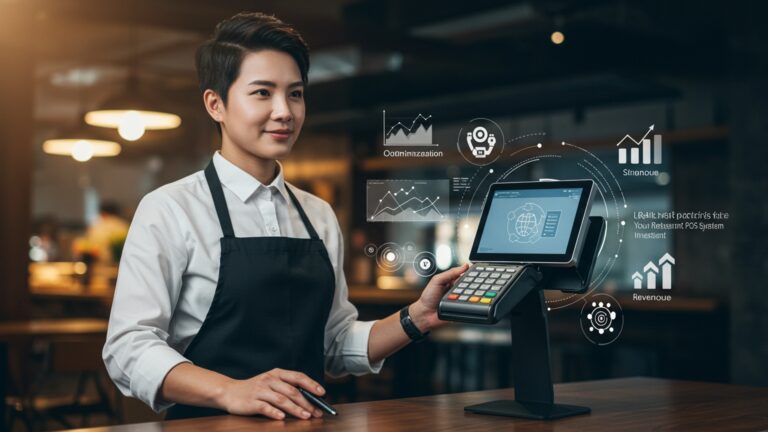
Unlock Efficiency 10 Ways Your Restaurant POS Software Boosts Profits
- restaurant POS software
- restaurant POS software
1. Streamlined Order Management and Accuracy
A modern restaurant POS software system is the backbone of efficient operations, directly impacting your bottom line. One of its most immediate and significant contributions to boosting profits is by revolutionizing order management and accuracy. Gone are the days of manual order pads, illegible handwriting. miscommunicated requests between front-of-house and kitchen staff. Instead, a robust point-of-sale system ensures every order is captured precisely and transmitted instantly to the kitchen or bar. This precision translates directly into profit in several ways:
- Reduced Errors
- Faster Service
- Improved Guest Experience
- Upselling Opportunities
Fewer wrong orders mean less food waste, lower ingredient costs. fewer comps or refunds. Each corrected mistake saves money and preserves customer satisfaction.
Digital order transmission to a Kitchen Display System (KDS) eliminates delays, allowing chefs to start preparing dishes immediately. This speeds up service, especially during peak hours.
Accurate orders lead to happier customers, who are more likely to return and recommend your restaurant.
Many POS systems prompt staff with intelligent upsell suggestions (e. g. , “Would you like to add avocado to that burger?”). This subtle guidance can significantly increase average check size.
Consider a busy Friday night. Without a POS, a server might mishear a drink order, leading to a wasted beverage. With a restaurant POS software, the order is entered accurately, sent to the bar. prepared correctly the first time, preventing waste and ensuring timely service.
2. Optimized Inventory Control and Waste Reduction
Waste is a profit killer in the restaurant industry. effective inventory management is crucial for mitigating it. Advanced restaurant POS software systems offer sophisticated tools to track ingredients from delivery to plate, providing unparalleled insight into your stock levels. Here’s how it works:
- Real-time Tracking
- Portion Control
- Automated Ordering
- Waste Monitoring
- Theft Deterrence
Every time an item is sold through the POS, the system automatically deducts the corresponding ingredients from your inventory. This provides an accurate, real-time picture of what you have on hand.
Define recipes and portion sizes within the POS. This ensures consistency and prevents over-portioning, which directly reduces food costs.
Set reorder points for key ingredients. When stock falls below a certain threshold, the system can automatically generate purchase orders or alert management, preventing stockouts and ensuring you only order what you need.
Easily log spoiled, dropped, or wasted items. Over time, this data reveals patterns, helping you identify areas of high waste and implement corrective actions (e. g. , better storage, revised ordering quantities).
By meticulously tracking inventory, discrepancies become immediately apparent, helping deter internal theft and unauthorized consumption.
// Example of a simplified inventory deduction logic
function processSale(itemSold, quantity) { const recipe = getRecipe(itemSold); // Fetches ingredients for the item for (const ingredient of recipe. ingredients) { inventory[ingredient. name]. currentStock -= ingredient. amount quantity; if (inventory[ingredient. name]. currentStock <= inventory[ingredient. name]. reorderPoint) { alertManager("Low stock alert for " + ingredient. name); } }
}
This level of control, from tracking a single olive to a whole case of salmon, helps minimize spoilage, reduces over-ordering. ultimately drives down your Cost of Goods Sold (COGS), directly boosting your profit margins.
3. Enhanced Customer Experience and Loyalty
In today’s competitive dining landscape, customer loyalty is gold. A robust restaurant POS software acts as a powerful Customer Relationship Management (CRM) tool, fostering deeper connections with your patrons and encouraging repeat business. Ways it boosts loyalty and profits:
- Personalized Service
- Loyalty Programs
- Gift Card Management
- Feedback Collection
- Targeted Marketing
Store customer preferences, order history. dietary restrictions. When a regular dines with you, staff can access this details, offering a personalized touch (e. g. , “Welcome back, Sarah! The usual latte for you?”).
Easily implement and manage points-based rewards, discounts, or special offers directly through the POS. Customers earn points with each purchase, motivating them to return.
Integrate gift card sales and redemption seamlessly. This not only drives immediate revenue but also brings new customers through your doors.
Some POS systems allow for integrated customer feedback, providing valuable insights to improve service and offerings.
With customer data, you can segment your audience and run targeted promotions (e. g. , email campaigns for birthday discounts, special offers for frequent diners).
By making customers feel valued and recognized, you transform casual diners into loyal advocates, increasing their lifetime value and providing a stable base of recurring revenue. Industry studies consistently show that acquiring a new customer is significantly more expensive than retaining an existing one.
4. Faster Table Turnover and Efficient Service
For many restaurants, especially those with high demand, maximizing table turnover without sacrificing service quality is a direct path to increased revenue. A modern POS system is instrumental in achieving this delicate balance. How it accelerates service and boosts profits:
- Streamlined Order Taking
- Split Checks & Custom Payments
- Integrated Payment Processing
- Table Management
Handheld devices or tablets connected to the POS allow servers to take orders tableside and send them directly to the kitchen, eliminating trips to a stationary terminal and reducing order entry time.
Easily split bills by item, seat, or custom amounts. This common customer request, often a source of delay, becomes quick and painless, freeing up tables faster.
Accept various payment methods (credit cards, mobile payments, gift cards) directly at the table or counter, speeding up the checkout process. This also reduces errors associated with manual entry and enhances security.
Visual table layouts on the POS allow hosts and managers to see table status (seated, ordering, eating, paid, dirty) in real-time, optimizing seating arrangements and reducing guest wait times.
| Feature | Manual Process | POS System Advantage |
|---|---|---|
| Order Entry | Handwritten, walked to kitchen, re-entered. | Digital, tableside, instant kitchen transmission. |
| Split Checks | Manual calculation, prone to errors, time-consuming. | Automated, flexible splitting options, quick. |
| Payment Processing | Server walks card to terminal, waits, returns. | Tableside payment, instant authorization, reduces fraud risk. |
By shaving minutes off each table’s service cycle, restaurants can accommodate more diners per shift, directly increasing sales volume and overall profitability.
5. Data-Driven Decision Making and Analytics
One of the most transformative aspects of modern restaurant POS software is its ability to collect, review. present invaluable operational data. This empowers owners and managers to make informed, strategic decisions that directly impact profitability. Key insights a POS provides:
- Sales Reports
- Menu Engineering
- Labor Cost Analysis
- Customer Insights
- Ingredient Performance
Detailed reports on daily, weekly, monthly. yearly sales, broken down by item, category, time of day. server. Identify best-selling dishes, peak hours. slow periods.
interpret which menu items are most profitable and popular (“stars”), which are popular but low-profit (“plows”). which are neither (“dogs”). This data helps optimize menu design, pricing. promotions.
Compare sales data against labor hours to interpret labor cost percentage and identify opportunities for more efficient staff scheduling.
As mentioned, track customer preferences and purchase history to tailor marketing efforts and loyalty programs.
Correlate sales data with inventory data to pinpoint ingredient popularity, waste. optimal purchasing quantities.
// Example of a simple sales report query concept
SELECT menu_item_name, SUM(quantity_sold) AS total_sold, SUM(total_price) AS revenue, AVG(total_price / quantity_sold) AS average_price
FROM sales_transactions
WHERE transaction_date BETWEEN '2023-01-01' AND '2023-01-31'
GROUP BY menu_item_name
ORDER BY revenue DESC;
This analytical power turns raw data into actionable intelligence. For instance, if data shows that a specific dish sells well but has a low-profit margin due to ingredient cost, you can adjust pricing or find alternative suppliers. Conversely, if a highly profitable item isn’t selling, you can promote it more effectively.
6. Reduced Labor Costs and Improved Staff Efficiency
Labor is often the largest operating expense for restaurants. A powerful POS system doesn’t replace staff. it significantly optimizes their efficiency, leading to substantial labor cost savings and a more productive workforce. How it achieves this:
- Reduced Training Time
- Elimination of Manual Tasks
- Optimized Scheduling
- Improved Communication
- Performance Tracking
Intuitive interfaces make it easier and faster to train new staff members, reducing the ramp-up period and associated costs.
Automation of order taking, billing. inventory updates frees up staff from tedious administrative duties, allowing them to focus on customer service and higher-value tasks.
By analyzing sales trends and peak hours, managers can create more accurate staff schedules, ensuring adequate coverage without overstaffing, minimizing overtime.
Integrated KDS ensures clear and instant communication between front-of-house and back-of-house, reducing errors and conflicts that consume staff time.
Monitor individual server performance (sales per hour, average check size) to identify top performers and areas where additional training might be needed.
A server who spends less time running back and forth to the kitchen or struggling with manual calculations can serve more tables, upsell more effectively. provide a superior dining experience. This efficiency directly translates to fewer hours needed to handle the same volume of business or the ability to handle more business with the same staff.
7. Fraud Prevention and Security
Restaurant businesses, especially those handling cash and credit card transactions, are vulnerable to various forms of fraud and security breaches. A robust POS system integrates features designed to protect your profits and customer data. Key security features:
- Employee Permissions
- Transaction Tracking
- Cash Drawer Management
- Secure Payment Processing
- Cloud-Based Backups
Grant specific access levels to different staff roles. For example, only managers can void transactions or apply discounts, preventing unauthorized actions.
Every transaction, void, discount. cash drawer opening is logged and attributed to a specific employee, creating an audit trail.
Monitor cash drawer activity, track cash tips. reconcile end-of-day totals with sales reports to quickly identify discrepancies.
Modern POS systems are typically PCI-compliant, ensuring secure handling of credit card data through encryption and tokenization, reducing the risk of data breaches.
Cloud-based systems automatically back up your critical sales and inventory data, protecting it from hardware failure, theft, or natural disaster.
By minimizing opportunities for internal theft, reducing errors in cash handling. safeguarding sensitive payment details, a POS system directly protects your revenue and reputation, saving you from potentially costly losses and legal issues.
8. Seamless Online Ordering and Delivery Integration
The shift towards online ordering and food delivery has reshaped the restaurant industry. A modern restaurant POS software is crucial for seamlessly integrating these channels, expanding your reach. driving new revenue streams. How it boosts profits through integration:
- Centralized Order Management
- Unified Menu Management
- Data Consolidation
- Enhanced Customer Reach
- Reduced Operational Headaches
Online orders from your website, third-party delivery apps (e. g. , DoorDash, Uber Eats), or even self-service kiosks flow directly into your POS system and then to the KDS. This eliminates the need for multiple tablets and manual re-entry, reducing errors and speeding up processing.
Update your menu, pricing. availability across all channels (in-house, online, delivery) from a single dashboard within the POS. This ensures consistency and prevents overselling items that are out of stock.
All sales data, regardless of the channel, is consolidated within the POS for comprehensive reporting and analysis, giving you a holistic view of your business performance.
By offering convenient online ordering and delivery options, you tap into a broader customer base beyond your physical dining room, significantly increasing sales potential.
Automation of order routing and management frees up staff, allowing them to focus on preparing food and serving in-house diners, even with increased online order volume.
This integration is no longer a luxury but a necessity. It streamlines complex operations that would otherwise require multiple disparate systems and manual intervention, ensuring efficiency and maximizing profit from every order, regardless of its origin.
9. Simplified Menu Management and Pricing
Your menu is at the heart of your restaurant’s profitability. A modern POS system provides powerful tools to manage your menu dynamically, allowing for quick adjustments that can directly impact your bottom line. Ways it optimizes menu and pricing:
- Dynamic Pricing
- Menu Item Availability
- Modifier Management
- Recipe Costing Integration
- Seasonal Menu Updates
Easily adjust prices for specific items, happy hour specials, or daily deals in real-time across all sales channels. This flexibility allows you to respond to market demands or ingredient costs.
Instantly mark items as “sold out” or “unavailable” when inventory runs low or a special ends, preventing customer disappointment and order cancellations.
Create and manage complex modifiers (e. g. , “add extra cheese,” “no onions,” “gluten-free bun”) to ensure accurate order customization and proper pricing for each variation.
Some advanced POS systems integrate with inventory to provide real-time recipe costing, showing you the exact profit margin on each dish, enabling data-driven pricing decisions.
Effortlessly update your menu for seasonal changes or special events, ensuring your offerings remain fresh and appealing without costly reprinting of physical menus.
The ability to quickly and accurately update menu items and pricing across your entire system, from in-house terminals to online ordering platforms, eliminates errors and ensures that every sale reflects your intended profit margin. This agility is vital in a fast-paced industry where ingredient costs and customer preferences can change rapidly.
10. Multi-Location Management and Scalability
For restaurant groups or those planning to expand, a centralized restaurant POS software is indispensable. It provides the tools needed to manage multiple locations efficiently and scale your operations without losing control or profitability. How it supports growth and boosts profits:
- Centralized Reporting
- Standardized Operations
- Remote Management
- Bulk Updates
- Scalability
Access consolidated sales, labor. inventory reports across all locations from a single dashboard. This bird’s-eye view allows for easy comparison of performance, identification of top-performing locations. recognition of areas needing improvement.
Ensure consistency in menu items, pricing, promotions. operational procedures across all branches, reinforcing your brand identity and customer experience.
Manage menus, staff schedules. inventory for all locations remotely, saving time and travel costs for owners and regional managers.
Implement menu changes, price adjustments, or new promotions across all locations simultaneously with a few clicks, ensuring uniformity and efficiency.
As you open new locations, the POS system can easily be expanded to accommodate them, minimizing setup time and ensuring a smooth launch.
This centralized control not only streamlines operations but also provides the critical insights needed to make strategic decisions about expansion, resource allocation. overall business strategy. By enabling efficient management of multiple sites, the POS system directly contributes to the profitable growth and scalability of your restaurant enterprise.
Conclusion
Embracing a robust restaurant POS system is no longer a luxury. a strategic imperative for sustained profitability. We’ve explored how a modern POS acts as the central nervous system for your operations, from optimizing inventory and reducing waste to accelerating table turns and enhancing customer loyalty. For instance, I recently spoke with a café owner who, by simply utilizing their POS’s real-time sales data, identified their highest-margin items and adjusted their menu engineering, boosting their weekly profits by 15% within a month. My personal tip for restaurateurs is to not just install a POS. to truly delve into its analytical capabilities. In today’s competitive landscape, with the rise of online ordering and delivery platforms, a comprehensive POS system seamlessly integrates these diverse revenue streams, providing a holistic view of your business performance. This data-driven approach empowers you to make informed decisions, ensuring every aspect of your restaurant runs like a well-oiled machine. Take the leap, assess your current system. invest in a solution that will not only streamline your daily tasks but consistently elevate your bottom line. Your restaurant’s future success undoubtedly hinges on this intelligent adoption.
More Articles
7 Essential Restaurant POS Features That Boost Your Business Profitability
How to Leverage POS Software Features to Boost Restaurant Efficiency
8 Clever Ways Restaurant POS Software Boosts Your Profits
10 Smart Ways Restaurant POS Software Can Streamline Your Daily Operations
Uncover 5 Amazing Ways Restaurant POS Software Boosts Your Business

FAQs
How does a POS system actually make my restaurant run smoother and faster?
It streamlines nearly every operation! From taking orders digitally and sending them instantly to the kitchen, to processing payments quickly and accurately, a good POS system cuts down on wait times, reduces manual errors. lets your staff focus more on serving customers.
Will it really help cut down on mistakes and wasted food?
Absolutely! Digital order entry significantly reduces miscommunications between servers and the kitchen, leading to fewer order errors. Plus, robust inventory tracking helps you monitor ingredient usage, identify waste. make smarter purchasing decisions, saving you money on supplies.
Can a POS system actually help me make more money?
Yes, it definitely can! Many systems offer features like suggestive selling prompts to encourage upsells, or they can easily manage loyalty programs to bring customers back. By providing detailed sales analytics, you can also identify your most profitable items and optimize your menu for higher revenue.
How does it help with keeping track of all my ingredients and stock?
Your POS system can automatically update inventory levels as sales occur. This means you’ll have real-time data on what you have, what you need to reorder. can even track ingredient costs. It’s a huge step towards preventing stockouts or over-ordering.
What’s in it for my customers? How do they benefit?
Customers get faster, more accurate service, quicker payment processing. a smoother overall dining experience. Some systems also enable online ordering, table-side ordering, or integrated loyalty programs, making it more convenient and rewarding for them to choose your restaurant.
What kind of useful details can I get from it to make better business decisions?
You’ll gain access to a wealth of data! Think detailed reports on sales trends, peak hours, popular dishes, staff performance. even customer preferences. This insight is invaluable for strategic planning, menu adjustments, marketing campaigns. optimizing staffing levels.
Besides making more money, does it actually save me cash in other ways?
Definitely. Beyond boosting sales, a POS system saves money by reducing errors, minimizing food waste through better inventory management, streamlining labor needs by improving efficiency. providing data to make smarter purchasing decisions. It’s an investment that pays off in numerous ways.