Unlock Efficiency 7 Powerful Restaurant POS Software Benefits
In the demanding landscape of modern hospitality, operational bottlenecks and fragmented data can severely impede a restaurant’s potential. Fortunately, cutting-edge Restaurant POS software has evolved far beyond simple transaction processing, becoming the indispensable digital backbone for efficient operations. Today’s robust POS systems integrate everything from real-time inventory management and dynamic table allocation to seamless online ordering and contactless payment solutions, directly addressing recent industry demands for agility and enhanced customer experience. This technological shift empowers restaurateurs with granular sales analytics, optimized staff scheduling. robust customer relationship management, fostering data-driven decisions that elevate profitability and service quality. Embracing such comprehensive POS technology is crucial for transforming daily challenges into streamlined success.
Streamlined Order Management and Accuracy
In the fast-paced environment of a modern eatery, efficient order management is paramount. A robust restaurant POS software system revolutionizes how orders are taken, processed. delivered, dramatically reducing errors and speeding up service. Imagine a bustling Friday night: without a modern point-of-sale system, servers might be scribbling orders on paper, leading to illegible handwriting, missed modifications, or forgotten items. This not only frustrates customers but also creates costly food waste and delays.
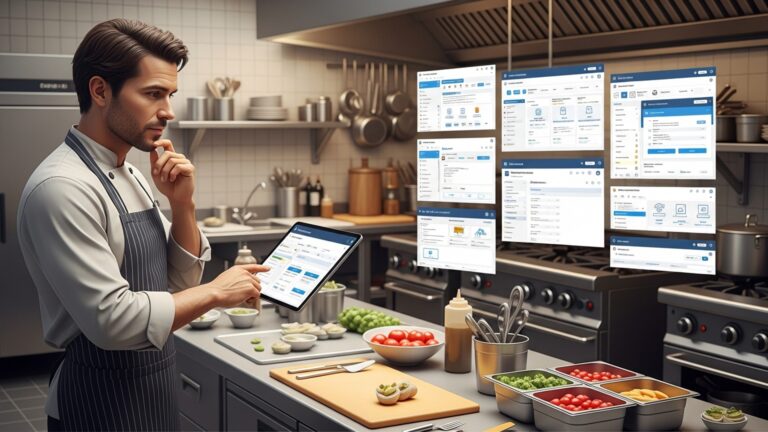
With advanced POS software, servers can input orders directly at the table using handheld devices or fixed terminals. These orders are then instantly transmitted to the kitchen display system (KDS) or printers, ensuring that every dish, ingredient modification. special request is accurately communicated. This digital pipeline eliminates misinterpretations, ensures consistent order flow. allows kitchen staff to prioritize and prepare dishes more effectively. For example, a common use case involves a customer ordering a burger “medium-rare, no pickles, extra cheese.” The server inputs these specifics. the kitchen receives a clear, unambiguous instruction, drastically reducing the chances of remakes and improving customer satisfaction.
Key features facilitating this include:
- Intuitive Order Interface
- Modifier Management
- Split Checks & Table Management
- Kitchen Display Systems (KDS)
Easy-to-navigate menus and customizable buttons for quick order entry.
Seamless addition of dietary restrictions, ingredient swaps. special instructions.
Effortlessly manage complex seating arrangements and bill splitting.
Digital screens that prioritize orders, track preparation times. minimize paper waste.
Enhanced Inventory Control and Waste Reduction
Food costs are a significant drain on restaurant profitability. Effective inventory management is critical to controlling these costs. this is where sophisticated restaurant POS software truly shines. Traditional inventory methods often involve manual counting, spreadsheets. educated guesses, which are prone to human error and offer little real-time insight. This can lead to over-ordering perishable goods, resulting in spoilage, or under-ordering popular items, leading to lost sales.
Modern POS systems integrate seamlessly with inventory modules to provide real-time tracking of ingredients as they are used in sales. When a dish is sold, the system automatically deducts the corresponding ingredients from your stock. This granular level of detail allows restaurant owners to know exactly how much of each ingredient they have at any given moment. For instance, if your chicken tikka masala is selling rapidly, the system will alert you when chicken stock is low, prompting a timely reorder. Conversely, it can identify slow-moving items, helping you adjust your menu or promotional strategies to reduce waste.
Consider a scenario where a high-end steakhouse uses a POS system to track its prime cuts. By accurately monitoring sales against inventory, they can precisely forecast demand, negotiate better deals with suppliers for exact quantities. significantly reduce spoilage of expensive ingredients. This level of control translates directly into substantial cost savings and improved profit margins.
- Real-time Stock Tracking
- Automated Reorder Points
- Vendor Management
- Waste Tracking
Automatic deduction of ingredients upon sale.
Set thresholds to trigger automatic purchase orders for low stock.
Centralized database of suppliers and purchasing history.
Tools to log and assess discarded items, identifying areas for improvement.
Improved Customer Experience and Loyalty
In today’s competitive dining landscape, customer experience is a key differentiator. A powerful restaurant POS software system plays a pivotal role in elevating the guest journey, from arrival to departure. fosters long-term loyalty. Customers expect speed, accuracy. personalized service. a modern POS helps deliver exactly that.
Faster order processing and payment options reduce wait times, leaving a positive impression. Imagine a customer needing to split a bill among five friends; a POS system handles this in seconds, avoiding the awkward delays often associated with manual calculations. Beyond speed, many POS solutions integrate with customer relationship management (CRM) features. This allows restaurants to capture customer data, such as order history, dietary preferences. even special occasions like birthdays.
This data empowers staff to offer a highly personalized experience. A server, for example, could greet a returning customer by name and suggest their favorite dish or a new item based on their past orders. Moreover, POS systems are the backbone of effective loyalty programs. Guests can earn points, receive exclusive discounts, or get special offers directly through their transactions. This not only encourages repeat business but also provides valuable insights into customer behavior. For instance, a coffee shop might use their POS to track frequent buyers, offering them a free pastry after every ten purchases, directly visible and redeemable through the system.
- Faster Service
- Personalized Interactions
- Integrated Loyalty Programs
- Online Ordering Integration
Quicker order taking and payment processing.
Access to customer preferences and order history.
Manage points, rewards. special offers seamlessly.
Provides convenience for customers who prefer to order ahead.
Optimized Staff Management and Productivity
Managing a restaurant team, from scheduling to performance tracking, can be complex and time-consuming. Restaurant POS software offers powerful tools to streamline these HR-related tasks, boosting staff productivity and operational efficiency. Manual scheduling can lead to understaffing during peak hours or overstaffing during slow periods, resulting in either stressed employees and poor service or unnecessary labor costs.
Many modern POS systems come equipped with integrated employee management features. These allow managers to create schedules, track clock-ins and clock-outs. monitor individual sales performance. By analyzing sales data against employee shifts, managers can identify peak hours and allocate staff more effectively, ensuring optimal coverage. For example, a manager can see which servers are excelling in upselling desserts or drinks and use this data for training purposes or incentive programs.
Moreover, accurate time tracking through the POS reduces payroll errors and disputes. Employees can clock in and out directly at the terminal, with the system automatically calculating their hours, including breaks and overtime. This transparency and automation free up management time, allowing them to focus on training, customer service. strategic planning rather than administrative burdens. A real-world application sees busy chain restaurants using POS systems to manage hundreds of staff members across multiple locations, ensuring consistent scheduling and performance monitoring from a central dashboard.
- Integrated Time & Attendance
- Performance Tracking
- Scheduling Tools
- Role-Based Access
Accurate clock-in/out records for payroll.
Monitor individual sales, tips. productivity.
Create and manage staff rosters efficiently, often with forecasting capabilities.
Assign specific permissions to different staff roles for security and efficiency.
Robust Sales Reporting and Data Analytics
Data is the new currency. for restaurants, robust sales reporting and data analytics provided by restaurant POS software are invaluable. Without detailed insights, business decisions are often based on gut feelings rather than factual evidence, leading to missed opportunities and inefficient operations. Manual tallying of sales figures provides only a superficial view, making it hard to identify subtle trends or grasp underlying performance drivers.
A comprehensive POS system captures every transaction, creating a rich database of sales details. This data can then be transformed into actionable reports, offering deep insights into various aspects of the business. You can review sales by hour, day, week, or month to identify peak periods, popular menu items, average check size. even server performance. For instance, a restaurant owner might discover that their lunch sales dramatically increase on Tuesdays when a specific special is offered, prompting them to promote that special more aggressively.
Moreover, advanced analytics can help identify profitability of different menu items, highlighting dishes that are popular but have low-profit margins, or vice-versa. This enables smart menu engineering – adjusting pricing, ingredients, or even removing items to optimize profitability. For a multi-location restaurant group, consolidated reports offer a bird’s-eye view of performance across all branches, facilitating benchmark comparisons and identifying best practices. This data-driven approach empowers owners and managers to make informed strategic decisions that directly impact the bottom line.
- Detailed Sales Reports
- Trend Analysis
- Menu Engineering
- Customizable Dashboards
Breakdowns by item, category, time, server. payment type.
Identify seasonal patterns and long-term sales trends.
comprehend profitability and popularity of each menu item.
Visualize key performance indicators (KPIs) at a glance.
Seamless Payment Processing and Security
In an age where customers expect diverse and secure payment options, a modern restaurant POS software system is essential for seamless transactions. Outdated cash registers or non-integrated card terminals can lead to slower service, higher processing fees. increased security risks. Customers today carry a variety of payment methods, from traditional credit cards to mobile wallets and contactless payments.
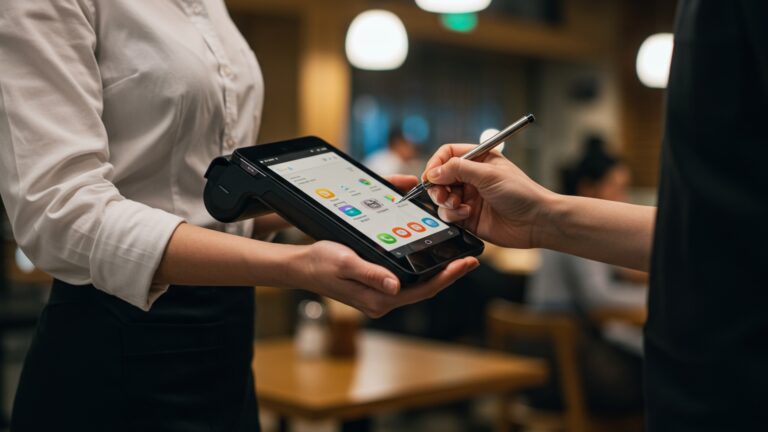
Integrated POS systems offer comprehensive payment processing capabilities, supporting all major credit/debit cards, EMV chip cards, NFC contactless payments (like Apple Pay and Google Pay). even gift cards. This integration means that the payment terminal communicates directly with the POS, eliminating manual entry errors and speeding up the checkout process. For a busy cafe, this means customers can tap their card or phone and be on their way in seconds, significantly reducing lines during peak hours.
Beyond convenience, security is paramount. Reputable POS software solutions are designed with robust security features, including PCI DSS compliance, end-to-end encryption. tokenization of sensitive cardholder data. This protects both the restaurant and its customers from potential data breaches and fraud. A real-world example would be a restaurant that previously had separate systems for ordering and payments, leading to reconciliation issues and security vulnerabilities. By adopting an integrated POS, they streamlined operations, reduced chargebacks. enhanced their overall security posture, giving customers greater confidence in their payment methods.
- Multiple Payment Options
- PCI DSS Compliance
- End-to-End Encryption
- Integrated EMV & NFC
Support for credit/debit, mobile, contactless. gift cards.
Adherence to industry security standards.
Protects customer financial data during transactions.
Future-proof payment processing.
Increased Operational Efficiency and Cost Savings
Ultimately, all the individual benefits of a restaurant POS software converge into one overarching advantage: vastly increased operational efficiency and significant cost savings. By automating and optimizing various aspects of restaurant management, these systems allow businesses to do more with less, improving profitability and providing a competitive edge.
Consider the cumulative effect: reduced order errors mean less food waste and fewer complimentary remakes. Optimized inventory leads to lower carrying costs and less spoilage. Faster service turns tables quicker, increasing revenue potential without adding more physical space. Streamlined staff management reduces administrative overhead and ensures optimal labor utilization. Data analytics enables smarter business decisions, from menu pricing to marketing strategies, all contributing to a healthier bottom line. For example, a small family-owned bistro might have saved thousands annually by simply reducing food waste and optimizing staff hours after implementing a modern POS system.
The initial investment in a POS system might seem substantial. the return on investment (ROI) is often rapid and profound. By minimizing manual tasks, preventing costly errors. providing actionable insights, POS software frees up valuable time for owners and managers to focus on growth, innovation. enhancing the customer experience. This holistic improvement in operations makes a powerful POS system not just a tool. a strategic partner in navigating the complexities of the restaurant industry.
- Reduced Manual Labor
- Minimized Errors
- Faster Table Turnovers
- Optimized Resource Allocation
Automation of many administrative and operational tasks.
Digital processes virtually eliminate human error in ordering and billing.
Efficient service leads to more customers served.
Better use of inventory, staff. time.
Conclusion
Embracing modern restaurant POS software isn’t just an upgrade; it’s a strategic imperative for today’s dynamic culinary landscape. As we’ve explored the seven powerful benefits, from streamlining order management with features like Kitchen Display Systems (KDS) to gaining invaluable real-time sales analytics, the message is clear: efficiency drives growth. Personally, I’ve observed establishments transform from chaotic service to smooth operations simply by leveraging these tools, turning tables faster and enhancing guest satisfaction significantly. Your next step should be proactive: assess your current operations, identify pain points. then explore solutions that directly address them. Consider how a robust system can reduce errors, optimize inventory. ultimately boost your bottom line, as detailed further in articles like 10 Surprising Ways Restaurant POS Software Boosts Your Business Profits. Don’t let outdated technology hold you back from achieving peak performance. The future of your restaurant’s success hinges on smart, efficient technology choices.
More Articles
How to Choose the Best Restaurant POS System with Essential Functionalities
7 Essential Features Your Restaurant POS Software Must Have for Success
Streamline Your Restaurant Operations with POS Software and Kitchen Display System
Five Ways Restaurant POS Software Improves Customer Experience
Boost Efficiency with Restaurant POS Features Everyone Needs

FAQs
How does a restaurant POS system make taking orders easier?
A POS system streamlines order entry by allowing staff to quickly input customer selections, customize dishes. send orders directly to the kitchen display system, cutting down on manual errors and speeding up service.
Can a POS help me manage my ingredients and stock better?
Absolutely! It provides real-time inventory tracking, alerts you when supplies are low. helps monitor ingredient usage for each dish. This minimizes waste, prevents stockouts. optimizes your purchasing.
Will a POS speed up how customers pay?
Yes, definitely. Modern POS systems support various payment methods like credit cards, mobile payments. contactless options, processing transactions quickly and securely. This improves checkout times and customer flow.
What kind of insights can I get about my sales?
You’ll gain access to powerful sales reports and analytics. This includes data on your best-selling items, peak hours, average check size. staff performance, helping you make informed decisions to boost revenue.
Does POS software help keep customers happy and coming back?
It certainly can! Many systems include features for customer relationship management (CRM), allowing you to store customer preferences, manage loyalty programs. offer personalized promotions, encouraging repeat business.
How does a POS cut down on mistakes and wasted food?
By automating processes like order taking, kitchen communication. inventory management, a POS system significantly reduces human error. This means fewer incorrect orders, less food waste. more accurate billing.
Can a POS help with managing my team’s work schedule?
Yes, many restaurant POS systems include features for staff management. You can track clock-ins and outs, manage schedules, monitor individual performance. even calculate payroll hours, leading to more efficient labor management.