7 Practical Benefits of Restaurant Software in Chennai for Growing Food Businesses
Chennai’s food businesses operate in a high-velocity market shaped by UPI-first payments, Swiggy and Zomato integrations, ONDC adoption. stricter GST compliance, making technology a competitive necessity rather than a luxury. Restaurant software in chennai now combines cloud POS, real-time inventory tracking, AI-driven demand forecasting. QR-based ordering to reduce waste, accelerate service. protect margins across dine-in, delivery. takeaway models. With labor costs rising and customer expectations shifting toward faster, contactless experiences, data-led decisions matter more than intuition. Modern platforms also sync multi-outlet operations, automate tax reporting. provide actionable analytics on menu performance and peak-hour staffing. As Chennai’s F&B ecosystem embraces digital menus, loyalty automation. centralized dashboards, practical software benefits translate directly into scalability, consistency. measurable growth.
Centralized Order Management for High-Volume Chennai Restaurants
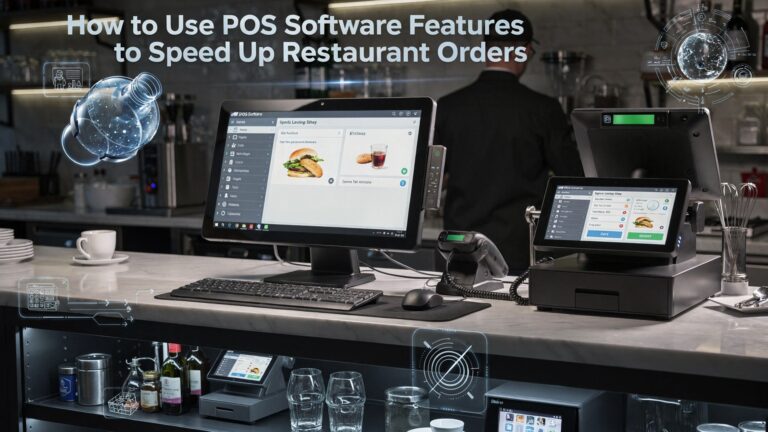
Restaurant software refers to a digital system designed to manage day-to-day restaurant operations such as order taking, billing, kitchen coordination. reporting. For growing food businesses in Chennai—where dine-in, takeaway. online delivery often run simultaneously—centralized order management is one of the most practical advantages of adopting restaurant software in chennai. In busy areas like T. Nagar or Velachery, restaurants often handle hundreds of orders during peak hours. Manual order handling or disconnected systems can lead to missed orders and billing errors. A centralized restaurant management system brings all orders into one dashboard, regardless of the source.
- Dine-in orders entered via POS terminals
- Online orders from platforms like Swiggy and Zomato
- Direct website or WhatsApp orders
- Phone-based takeaway orders
A multi-branch South Indian restaurant chain in Chennai reported a 22% reduction in order errors after switching to a unified POS system, according to a case study published by the National Restaurant Association of India (NRAI). Centralized order management ensures faster kitchen communication, accurate billing. better customer experience—critical factors in a competitive urban food market.
Real-Time Inventory Control to Reduce Food Wastage
Inventory management is a core component of restaurant software, especially essential in Chennai where fresh ingredients like seafood, vegetables. dairy are used daily. Inventory control modules track stock levels in real time and automatically adjust quantities as orders are processed. Key inventory-related terms explained:
- Real-time inventory
- Low-stock alerts
- Recipe mapping
Stock levels updated instantly as items are sold or received
Automated notifications when ingredients fall below a set threshold
Linking ingredients to menu items to calculate exact consumption
For example, a cloud-based restaurant software in chennai can alert a kitchen manager when idli batter or chicken stock is running low before the dinner rush begins. According to FSSAI guidelines, proper inventory tracking also helps maintain food safety and compliance standards. Real-world benefit:
- Reduced food wastage by 15–30% (as reported by POS vendors like Toast and Petpooja)
- Better vendor planning and bulk purchase decisions
- Improved profitability through controlled food costs
Faster Billing and GST-Compliant Invoicing
Billing speed directly impacts table turnover and customer satisfaction, particularly in Chennai’s quick-service restaurants and busy lunch spots. Restaurant software automates billing, applies taxes accurately. generates GST-compliant invoices. A modern POS system includes:
- Automated GST calculations based on item category
- Split billing for groups
- Multiple payment modes (UPI, cards, wallets, cash)
The Central Board of Indirect Taxes and Customs (CBIC) mandates accurate GST reporting for food businesses. Manual billing increases the risk of tax errors, which can lead to penalties during audits. A café owner in Anna Nagar shared during a local food business meetup that switching to automated billing reduced average checkout time from 4 minutes to under 1. 5 minutes per customer. Faster billing not only improves customer flow but also builds trust through transparent, compliant invoicing—an essential benefit of restaurant software in chennai.
Data-Driven Insights for Smarter Business Decisions
One of the most underestimated benefits of restaurant software is access to actionable data. These systems collect and examine operational data, transforming daily transactions into meaningful insights. Common analytics dashboards include:
- Daily, weekly. monthly sales reports
- Best-selling and low-performing menu items
- Peak hour and slow hour analysis
- Average order value (AOV)
For instance, a multi-cuisine restaurant in OMR used sales analytics to identify that 60% of its revenue came from just 25% of menu items. By optimizing the menu and removing low-margin dishes, the business improved overall profitability within two quarters. According to Harvard Business Review, data-driven organizations are 5% more productive and 6% more profitable on average. Restaurant software in chennai enables even small food businesses to make informed decisions previously available only to large chains.
Seamless Integration with Online Delivery Platforms
Online food delivery is deeply embedded in Chennai’s dining culture. Restaurant software often integrates directly with third-party delivery platforms, eliminating the need to manage multiple tablets or dashboards. Integration benefits explained:
- Menu sync
- Order sync
- Inventory sync
Automatic updates across all platforms
Orders flow directly into the POS
Out-of-stock items updated instantly
| Manual Order Handling | Integrated Restaurant Software |
|---|---|
| Multiple devices and apps | Single unified dashboard |
| Higher chance of missed orders | Automated order flow |
| Manual menu updates | Real-time menu synchronization |
A cloud-based restaurant software in chennai helps restaurants scale delivery operations without increasing staff workload, which is particularly valuable during festivals, weekends. IPL seasons when order volumes spike.
Improved Staff Management and Performance Tracking
Managing restaurant staff—chefs, servers, cashiers. delivery coordinators—is complex. Restaurant software includes employee management features that simplify scheduling, attendance. performance tracking. Key features include:
- Role-based access control
- Digital attendance and shift tracking
- Sales performance by staff member
For example, a mid-sized restaurant in Adyar used staff performance reports to identify training gaps among new waitstaff. After targeted training, customer complaints dropped by 18% within two months. Labor cost is one of the highest expenses in the food industry. According to NRAI reports, optimized staff scheduling using technology can reduce labor costs by up to 10%. Restaurant software in chennai provides restaurant owners with visibility and control over workforce productivity without micromanagement.
Scalability and Multi-Branch Management for Growing Brands
As food businesses expand from single outlets to multiple branches across Chennai or Tamil Nadu, operational complexity increases. Restaurant software supports scalability through centralized control and standardized processes. Scalable system capabilities include:
- Centralized menu and pricing management
- Consolidated financial reporting across outlets
- Branch-wise performance comparison
A popular biryani brand that expanded from Royapettah to five locations across Chennai used centralized reporting to maintain consistent taste, pricing. service quality. This consistency is crucial for brand reputation. Cloud-based restaurant software in chennai allows owners to monitor all outlets remotely, access reports from any device. roll out updates instantly—making growth more manageable and less risky. Each of these benefits demonstrates how technology, when applied thoughtfully, can solve real operational challenges faced by Chennai’s food businesses.
Conclusion
Growing a food business in Chennai today means balancing speed, consistency. customer expectations. restaurant software quietly ties all three together. From managing peak-hour orders in T. Nagar to tracking ingredient costs across multiple outlets, the right system turns daily chaos into predictable workflows. I’ve seen small eateries adopt digital billing and suddenly gain clarity on best-selling dishes, while cloud reports helped owners take faster decisions during recent delivery-first trends. As UPI payments, QR ordering. real-time inventory become the norm in 2025, software is no longer optional; it’s your growth partner. My personal tip is to start small, train your staff patiently. review reports weekly to spot quick wins. When technology works in the background, you get time to focus on food quality and customer delight. If you’re serious about scaling without stress, now is the moment to act and build a smarter, future-ready restaurant using insights shared in resources like this guide on restaurant POS benefits. Growth follows clarity. clarity starts with the right tools.
More Articles
10 Practical Benefits of Using Restaurant Software in Chennai for Daily Operations
How Restaurant POS Software Helps Small Restaurants Increase Speed Accuracy and Profits?
Top Restaurant POS Software Features That Simplify Orders Payments and Reporting
How Can Restaurant POS Software Reduce Errors and Speed Up Service
7 Common Restaurant POS Software Mistakes Owners Should Avoid for Better Profits

FAQs
How does restaurant software help food businesses in Chennai grow faster?
It brings daily operations like billing, orders, inventory. reports into one system. This saves time, reduces mistakes during rush hours. helps owners focus on expanding rather than fixing operational issues.
Is restaurant software useful for handling Chennai’s busy peak hours?
Yes. It speeds up order taking, kitchen coordination. billing, which is especially helpful during lunch and dinner rushes common in Chennai’s dining hotspots.
Can it help manage GST and local tax requirements?
Most restaurant software supports GST-compliant billing and clear tax breakdowns, making it easier to stay compliant and avoid confusion during audits or monthly filings.
What role does software play in inventory control for restaurants?
It tracks stock usage in real time, alerts owners about low inventory. reduces food wastage. This is useful for managing fresh ingredients that are commonly used in South Indian cuisine.
Does restaurant software work well with online food delivery apps?
Yes, it can sync orders from multiple delivery platforms into one screen, reducing missed orders and helping staff manage dine-in and online orders smoothly.
Is it suitable for small restaurants and cafés, or only big chains?
It works for both. Small cafés benefit from easier billing and reporting, while growing chains in Chennai can manage multiple outlets and track performance from a single dashboard.
How does it help owners make better business decisions?
The software provides sales trends, best-selling items. peak-hour reports. These insights help owners adjust menus, pricing. staffing based on real data rather than guesswork.