Discover How to Optimize Your Restaurant with Essential POS System Features
The modern restaurant navigates an increasingly complex landscape, where operational efficiency and exceptional guest experiences are paramount, not just desirable. Manual processes and disconnected systems hinder growth, making real-time adaptation a struggle against rising costs and evolving customer expectations for digital convenience. Smart restaurateurs now leverage advanced restaurant point of sale system features as the central nervous system for their operations, moving beyond mere transaction processing. These robust systems integrate everything from dynamic inventory management and sophisticated table assignment to contactless ordering via QR codes and predictive analytics for demand forecasting, directly addressing the need for streamlined workflows and data-driven decisions. Embracing these essential functionalities transforms daily operations, boosts profitability. cultivates loyal patrons in a highly competitive market.
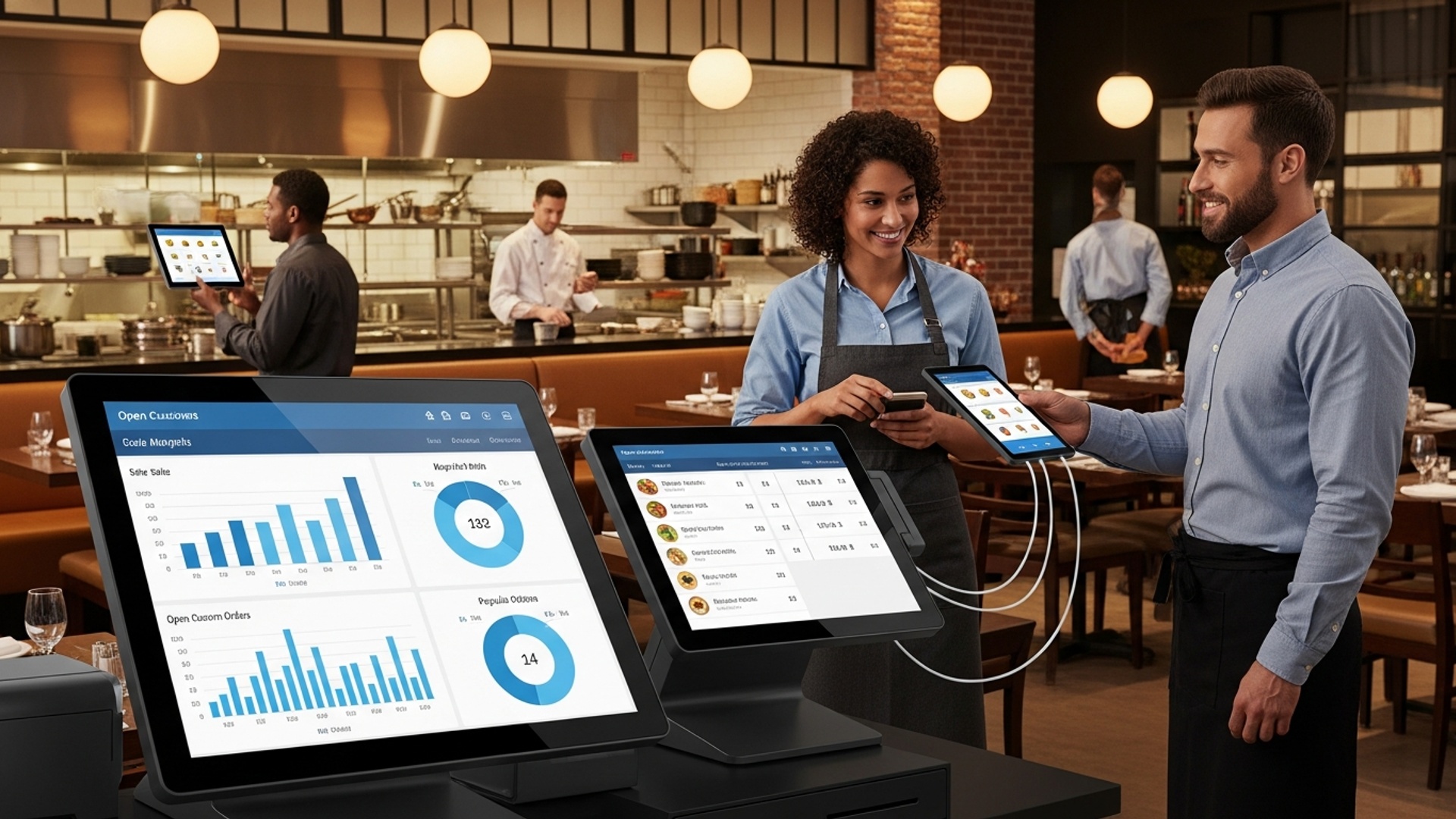
The Foundation of Modern Restaurant Operations: What is a POS System?
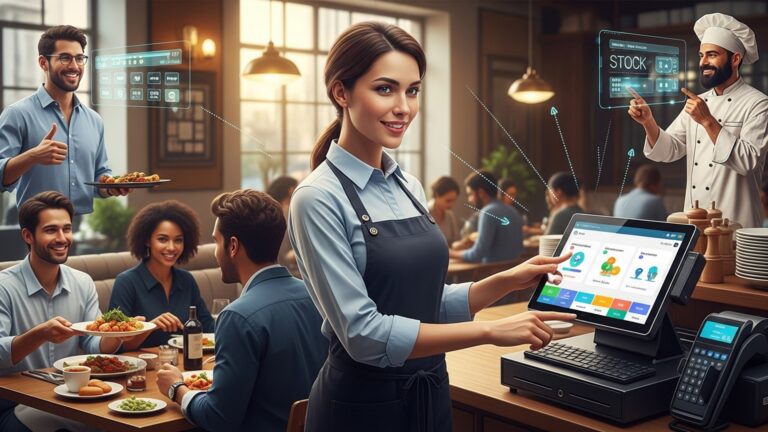
In today’s fast-paced culinary landscape, efficiency and precision are paramount. At the heart of a thriving restaurant lies its Point of Sale (POS) system. Far more than just a glorified cash register, a modern POS system is a comprehensive, integrated platform designed to streamline every aspect of a restaurant’s operations, from order taking to inventory management and customer relations. It’s the central nervous system that connects front-of-house (FOH) and back-of-house (BOH) functions, enabling seamless communication and data flow.
Historically, restaurants relied on manual processes, paper tickets. standalone cash registers. This often led to errors, slow service. a lack of actionable insights. The evolution of POS technology has transformed this, moving from clunky, on-premise terminals to sleek, cloud-based systems accessible from various devices. These advanced systems are now indispensable tools, offering a suite of powerful restaurant point of sale system features that drive profitability and enhance the customer experience.
Essential Restaurant Point of Sale System Features for Front-of-House Excellence
The FOH is where the customer experience is forged. robust POS features are critical for ensuring smooth service and satisfied guests. Here are some indispensable capabilities:
- Intuitive Order Management
- Table Management
- Custom Orders & Modifiers
- Split Checks & Transfers
- Integrated Payment Processing
- EMV & Contactless Payments
- Mobile Payments
- Customer Relationship Management (CRM)
- Loyalty Programs
- Customer Profiles
- Reservations & Waitlist Management
- Seamlessly manage incoming reservations, send automated reminders. maintain a digital waitlist that notifies guests via SMS when their table is ready. This reduces no-shows and improves guest satisfaction.
This is the core function. Modern POS systems allow servers to take orders quickly and accurately, often on handheld tablets.
Visually track table status (open, seated, dirty) and manage reservations or walk-ins with ease.
Easily add special requests (e. g. , “no onions,” “extra cheese”) and apply complex modifiers, ensuring kitchen staff receive precise instructions.
Effortlessly split bills by item or by an even amount. transfer orders between tables or servers, accommodating guest requests without fuss.
Gone are the days of separate terminals. A fully integrated system processes all payment types directly through the POS.
Support for chip cards (EMV) and tap-to-pay (NFC) options like Apple Pay or Google Pay ensures security and convenience.
Some systems even allow guests to pay directly from their phones at the table, speeding up table turns.
Building customer loyalty is key. POS systems can capture valuable guest data.
Track customer visits, spending habits. reward loyal patrons with points, discounts, or special offers, fostering repeat business.
Store preferences, allergies. past order history to personalize service and create a more memorable dining experience.
Optimize seating capacity and reduce guest wait times.
Back-of-House Optimization: Key Restaurant Point of Sale System Features
The BOH is the engine room of any restaurant. Efficient management here directly impacts profitability and operational flow. Powerful restaurant point of sale system features are indispensable for this.
- Robust Inventory Management
- Real-time Tracking
- Supplier Management
- Recipe Management
- Employee Management
- Time Clock & Scheduling
- Performance Tracking
- Payroll Integration
- Comprehensive Reporting & Analytics
- Sales Trends
- Menu Item Performance
- Labor Cost Analysis
- Kitchen Display Systems (KDS) Integration
- Orders taken at the FOH are instantly displayed on screens in the kitchen, replacing paper tickets. This improves accuracy, speeds up prep times. allows for better coordination between stations. For instance, a KDS can highlight priority orders or display cook times, ensuring dishes for the same table are ready simultaneously.
This feature is crucial for cost control and waste reduction.
Monitor ingredient levels, receive alerts for low stock. automatically deduct items as they are sold. For example, knowing exactly how many avocados are left can prevent both running out during a busy brunch and over-ordering, which leads to spoilage.
Streamline ordering from vendors, track delivery schedules. manage invoices within a single system.
Define recipes with precise ingredient quantities to calculate plate costs accurately and ensure consistency across dishes.
Efficiently manage your most valuable asset – your staff.
Employees can clock in/out directly via the POS. managers can create schedules, track hours. monitor labor costs in real-time. This can significantly reduce administrative overhead for payroll.
Monitor individual server sales, tips. order accuracy to identify top performers and areas needing improvement.
Seamlessly export time and attendance data to payroll systems, minimizing manual entry errors.
Data is power. A robust POS provides insights critical for strategic decision-making.
Identify peak hours, best-selling dishes. slow periods. This data can inform staffing levels, marketing promotions. menu adjustments.
comprehend which items are most popular and profitable, helping to optimize your menu for maximum revenue.
Monitor labor costs as a percentage of sales to ensure staffing is aligned with demand, preventing overstaffing during slow times or understaffing during rushes.
Modernize your kitchen communication.
Beyond the Basics: Advanced Restaurant Point of Sale System Features for a Competitive Edge
To truly stand out and scale operations, consider these advanced restaurant point of sale system features:
- Online Ordering & Delivery Integration
- Seamlessly integrate with popular third-party delivery platforms (e. g. , DoorDash, Uber Eats) or offer a proprietary online ordering system directly from your website. This consolidates orders into one system, preventing manual re-entry and errors.
- Multi-Location Management
- Manage menus, pricing, inventory. employee schedules across all locations from a single dashboard. This ensures brand consistency and simplifies reporting for the entire enterprise.
- Data Security & Compliance
- Ensure your POS system is PCI DSS compliant for payment processing and employs robust encryption to safeguard all data. This protects your business from breaches and maintains customer trust.
- API Integrations
- Integrate with accounting software (e. g. , QuickBooks, Xero) for streamlined financial management, or with marketing automation tools to enhance customer engagement. This creates a powerful, interconnected ecosystem for your restaurant.
In the age of convenience, online presence is non-negotiable.
For restaurants with multiple branches, centralized control is vital.
Protecting sensitive customer and business data is paramount.
The ability to connect with other essential software is a hallmark of a flexible POS.
Choosing the Right POS: Practical Considerations and Actionable Takeaways
Selecting the ideal POS system is a critical decision that impacts your restaurant’s long-term success. Here are actionable considerations:
- Scalability
- Ease of Use
- Support & Training
- Cost
Choose a system that can grow with your business. If you plan to expand or add more services (e. g. , catering, retail), ensure the POS can adapt without requiring a complete overhaul.
An intuitive interface reduces training time for staff and minimizes errors. A system that is easy to navigate empowers employees and speeds up service.
Investigate the vendor’s support options. 24/7 technical support is invaluable during peak hours. comprehensive training resources ensure your team can fully utilize all restaurant point of sale system features.
Evaluate the total cost of ownership, including hardware, software subscriptions, payment processing fees. potential add-on modules. Look for transparency in pricing.
A significant decision point is whether to opt for a cloud-based or on-premise system. Here’s a comparison:
| Feature/Aspect | Cloud-Based POS | On-Premise POS |
|---|---|---|
| Data Storage | Remote servers (internet required) | Local servers (on-site) |
| Accessibility | Anywhere, any device with internet | Limited to local network, potentially remote access with VPN |
| Cost Model | Subscription-based (monthly/annual) | Upfront purchase, potentially higher maintenance |
| Updates & Maintenance | Automatic updates, vendor handles maintenance | Manual updates, IT staff or vendor visits required |
| Security | Vendor-managed, robust data centers | User-managed, depends on local IT security |
| Scalability | Easily scalable for new locations/terminals | Can be complex and costly to scale |
Consider a bustling cafe, “The Daily Grind.” Before implementing a modern POS, they struggled with long lines, manual inventory counts. inconsistent order accuracy. By adopting a system with robust restaurant point of sale system features like mobile order taking, integrated payment processing. real-time inventory tracking, they transformed their operations. Baristas could take orders on tablets, sending them directly to the espresso machine’s KDS. Inventory alerts for coffee beans and milk prevented stockouts. sales reports identified their most popular pastries, allowing them to optimize purchasing and reduce waste. The result? Shorter wait times, happier customers. a significant boost in profit margins through reduced operational inefficiencies.
Conclusion
Ultimately, optimizing your restaurant isn’t just about speed; it’s about making smarter, data-driven decisions. A robust POS system, with its essential features, transforms mere transactions into actionable insights, moving you beyond basic order-taking to strategic business management. I’ve personally witnessed how leveraging advanced inventory tracking, for instance, drastically reduces food waste and ensures consistent stock levels – a common struggle for many establishments. Moreover, integrating a seamless Kitchen Display System (KDS), a recent development, has become non-negotiable for speeding up order fulfillment, especially with the surge in online and delivery orders. My personal tip: regularly review your POS reports; they’re goldmines for identifying trends and optimizing staff scheduling. So, take the initiative to audit your current system, or embark on selecting a new one with these powerful features in mind. This isn’t just an upgrade; it’s an investment in efficiency, profitability. an unparalleled guest experience. Your restaurant’s future success is ripe for optimization – seize it.
More Articles
Master Your Restaurant Operations 9 Essential POS Features You Need Today
How to Choose the Best Restaurant POS System 5 Essential Features Guide
7 Ways Restaurant POS Software Boosts Your Business Profits
Implement Restaurant POS Like a Pro 5 Essential Strategies for Smooth Rollout

FAQs
What exactly is a POS system for a restaurant. why should I even bother with one?
A restaurant POS (Point-of-Sale) system is like the central brain for your business operations. It’s not just a fancy cash register; it manages orders, payments, inventory, staff. even customer data. You should bother with one because it streamlines everything, reduces errors, speeds up service. gives you crucial insights into your restaurant’s performance, ultimately helping you make more money and keep customers happy.
How does a good POS system actually help optimize my restaurant’s daily operations?
It optimizes operations by automating many tasks. Think faster order taking, accurate bill splitting, real-time sales reporting. easier table management. This means less manual work, fewer mistakes, quicker service. your staff can focus more on guests rather than paperwork. It literally makes your restaurant run smoother and more efficiently from front to back.
What are the absolute essential features I should look for in a restaurant POS?
Look for robust order management (table service, takeout, delivery), integrated payment processing, inventory tracking, employee management (time clocks, permissions), detailed sales reporting and analytics. menu management. Cloud-based access is also a huge plus for flexibility. These features are fundamental for efficiency and informed decision-making.
Can a POS system really help me get a handle on my food inventory?
Absolutely! A good POS system is fantastic for inventory. It tracks ingredients as they’re used in dishes sold, helps you monitor stock levels in real-time, alerts you when items are running low. can even assist with supplier ordering. This means less waste, better cost control. ensuring you always have what you need to fulfill orders.
How does a POS improve the overall experience for my customers?
It makes things faster and smoother for them! Accurate order taking means no wrong dishes, quick payment processing reduces wait times. features like digital receipts or loyalty programs enhance convenience. Happy customers who get what they want quickly are more likely to return and recommend your place.
I’m worried about training my staff on a new system. Is it complicated?
Most modern POS systems are designed to be super user-friendly and intuitive. If you pick a good one, training should be relatively quick, often taking just a few hours. Many systems have simple interfaces that mirror how your staff already thinks about orders and tables. Plus, the efficiency gains usually make the initial training investment well worth it.
Is investing in a POS system really worth the money in the long run?
Definitely! While there’s an initial cost, a POS system pays for itself many times over. You’ll see savings from reduced food waste, fewer errors, better staff productivity. quicker table turnover. Plus, the valuable data it provides helps you make smarter business decisions that can significantly boost your profits and overall growth.