Master 5 Common Restaurant Challenges With Smart POS Solutions
Restaurant operators navigate a complex landscape, grappling with escalating labor costs, fluctuating supply chains impacting inventory accuracy. the intricate dance of integrating third-party delivery orders seamlessly. Amidst these pervasive challenges, advanced Restaurant POS software transcends mere transaction processing, evolving into a critical operational backbone for modern establishments. Modern systems offer real-time data analytics for predictive inventory management, automate order consolidation across multiple channels like Uber Eats or DoorDash. empower staff through intuitive interfaces that minimize training time. Leveraging these smart solutions directly addresses efficiency gaps, enabling businesses to optimize resource allocation, enhance customer experiences. make data-driven decisions essential for thriving in today’s competitive culinary market.
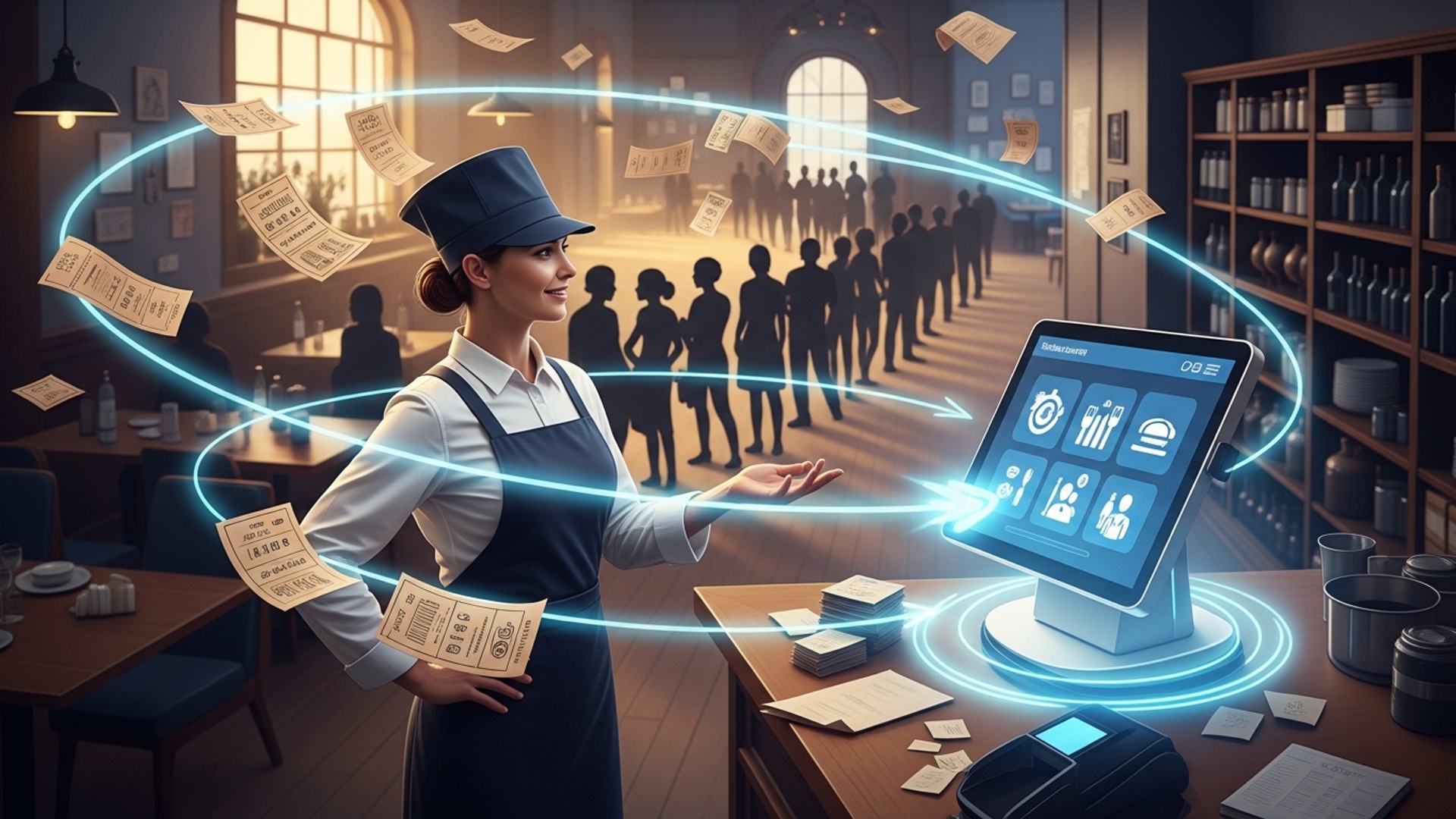
Understanding the Core of Smart Restaurant Operations: What is Restaurant POS Software?
In the fast-paced world of dining, efficiency and accuracy are paramount. At the heart of a modern restaurant’s operational success lies its Point of Sale (POS) system. But what exactly is Restaurant POS software. why is it considered “smart”?
A Restaurant POS software is essentially a sophisticated system that processes transactions and manages various aspects of a restaurant’s daily operations. Unlike traditional cash registers, which merely record sales, a smart POS solution integrates multiple functionalities into one cohesive platform. It’s the central nervous system for your establishment, handling everything from order placement to inventory management. even customer relationship management.
Key components and features typically include:
- Order Management
- Payment Processing
- Inventory Management
- Employee Management
- Reporting and Analytics
- Customer Relationship Management (CRM)
- Kitchen Display Systems (KDS)
- Online Ordering Integration
Taking orders, customizing items, sending them to the kitchen or bar.
Handling various payment methods (cash, card, mobile, contactless) securely.
Tracking ingredients, monitoring stock levels. managing suppliers.
Time clock functions, shift scheduling. performance tracking.
Generating detailed sales reports, tracking trends. providing business insights.
Managing customer data, loyalty programs. marketing efforts.
Digital screens in the kitchen displaying orders, improving communication and speed.
Seamlessly connecting online and third-party delivery orders with in-house operations.
The “smart” aspect comes from its cloud-based nature, real-time data capabilities. ability to integrate with other restaurant technologies, offering a holistic view and control over your business. This level of integration and automation is what transforms a simple transaction tool into a powerful strategic asset.
Challenge 1: Streamlining Inefficient Order Management and Accuracy Issues
One of the most persistent headaches for restaurant owners and staff is the potential for human error in order taking, leading to incorrect dishes, wasted food. frustrated customers. Traditional methods often involve handwritten tickets or basic systems that lack the nuances of modern dining.
The Solution: Digital Order Taking and Kitchen Display Systems (KDS)
Smart Restaurant POS software revolutionizes order management by digitizing the entire process. Servers can take orders tableside using mobile POS (mPOS) devices, immediately sending them to the kitchen via a Kitchen Display System (KDS). This eliminates misinterpretations of handwriting, reduces the chance of lost tickets. ensures that modifications (e. g. , “no onions,” “extra sauce”) are accurately communicated.
- Real-World Application
Consider “The Bistro,” a bustling city restaurant. Before implementing a smart POS, servers would write down orders, walk them to the kitchen. often have to clarify details. With their new Restaurant POS software, servers use tablets to input orders, which instantly appear on the KDS screens. The kitchen staff sees all modifications clearly, expediting preparation and drastically reducing errors. Orders for the same table are grouped. wait times are automatically tracked, allowing management to identify bottlenecks.
This not only enhances accuracy but also significantly speeds up service, allowing staff to focus more on guest experience rather than logistical hurdles. The integration with online ordering platforms means that takeout and delivery orders flow directly into the same KDS, ensuring consistency across all channels.
Challenge 2: Mastering Inventory Control and Reducing Waste
Food cost is a major expense for any restaurant. poor inventory management can lead to significant waste through spoilage, over-ordering, or theft. Tracking ingredients manually is time-consuming and prone to inaccuracies, making it difficult to pinpoint where losses are occurring.
The Solution: Integrated Inventory Tracking and Supplier Management
A robust Restaurant POS software comes equipped with sophisticated inventory management features that provide real-time visibility into your stock levels. Every ingredient used in a menu item can be tracked, automatically deducting quantities as sales occur. This allows for precise forecasting, reducing the likelihood of running out of popular items or overstocking perishables.
- Actionable Takeaway
Utilize the inventory reports generated by your Restaurant POS software to identify ingredients that are frequently expiring or have low turnover. Adjust your purchasing strategies based on this data. For instance, if you notice an excess of a particular vegetable, consider incorporating it into a daily special to minimize waste.
Some advanced POS systems even integrate with supplier management tools, automating reorder points and generating purchase orders based on sales data and current stock levels. This streamlines the entire supply chain, ensuring you have what you need, when you need it, without unnecessary excess. For example, “Pizza Palace” used to struggle with inconsistent dough and topping levels. Their new Restaurant POS software now tracks every pizza sold and deducts ingredients accordingly, alerting them when flour, cheese, or pepperoni stock falls below a set threshold, ensuring fresh ingredients and preventing costly overstocking.
Challenge 3: Accelerating Table Turnovers and Streamlining Payment Processing
In a busy restaurant, slow table turnovers mean lost revenue opportunities. Delays in taking orders or processing payments can frustrate customers and impact your bottom line. Traditional payment terminals tethered to a counter can create bottlenecks, especially during peak hours.
The Solution: Mobile POS (mPOS) and Integrated Payment Processing
Smart Restaurant POS software empowers servers with mobile POS devices, allowing them to take orders and process payments directly at the table. This drastically cuts down on wait times. Customers can review their bill, split checks easily. pay using their preferred method without ever leaving their seat.
Here’s a comparison of traditional vs. smart POS payment processing:
| Feature | Traditional Payment Terminal | Smart POS with Integrated Payment |
|---|---|---|
| Location of Payment | Counter or fixed station | Tableside, counter, or mobile anywhere |
| Order & Payment Integration | Separate systems, manual entry | Seamless, automatic bill generation |
| Check Splitting | Manual calculation, complex | Automated, easy “split by item” or “split evenly” |
| Speed of Transaction | Often slow, requires server to walk back and forth | Fast, real-time processing |
| Customer Experience | Can be frustrating due to delays | Enhanced convenience and efficiency |
Integrated payment processing means that all transactions are automatically recorded in the POS system, reducing reconciliation errors and simplifying end-of-day closing procedures. This leads to faster service, higher customer satisfaction. the ability to serve more guests during busy periods, directly boosting revenue. A popular cafe, “The Daily Grind,” noted a 15% increase in table turnover after equipping its staff with mPOS devices, allowing them to take orders and process payments tableside, especially during the busy lunch rush.
Challenge 4: Enhancing Staff Management and Performance Tracking
Managing staff effectively, from scheduling to performance evaluation, can be a time-consuming administrative burden. Ensuring accurate payroll and identifying top performers or areas needing training is crucial for operational efficiency and employee morale.
The Solution: Time Clock Functions, Shift Scheduling. Performance Reports
Modern Restaurant POS software often includes robust employee management modules. Staff can clock in and out directly through the system, providing accurate timekeeping for payroll. Managers can create and publish schedules, track breaks. manage shift changes with ease. This reduces disputes over hours worked and streamlines the payroll process significantly.
- Real-World Application
“Chef’s Table,” a fine-dining establishment, struggled with manual time cards and inconsistent scheduling. Their new Restaurant POS software allowed employees to clock in/out with a unique ID, automatically calculating hours for payroll. Managers now use the built-in scheduling tool, which considers staff availability and forecasted sales, ensuring optimal staffing levels. The system also tracks individual server sales, tips. average order value, providing valuable data for performance reviews and incentive programs.
Beyond basic timekeeping, the POS system can track individual employee sales performance, average check sizes. even tip distribution. This data is invaluable for identifying star performers who can be rewarded, as well as areas where staff might need additional training or support. It fosters a culture of accountability and helps optimize your workforce, ensuring you have the right people in the right roles at the right time.
Challenge 5: Leveraging Data Analysis for Strategic Business Growth
In today’s competitive restaurant landscape, relying on gut feelings for business decisions is no longer sufficient. Understanding sales trends, customer behavior. operational efficiency requires access to clear, actionable data. Without it, growth strategies are often shots in the dark.
The Solution: Comprehensive Sales Reporting and CRM Integration
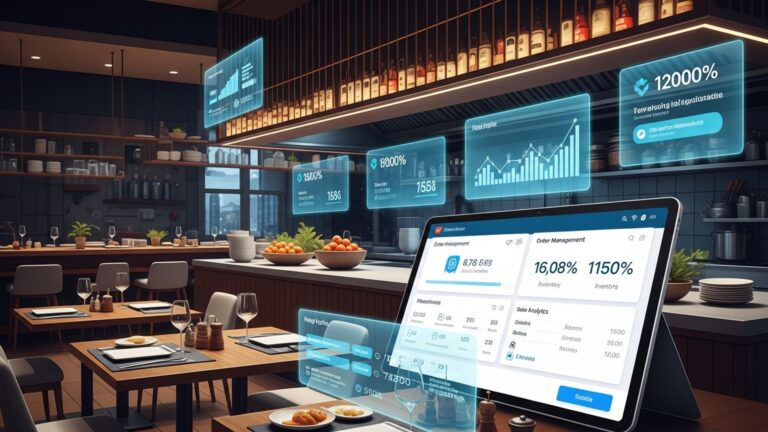
A smart Restaurant POS software transforms raw transaction data into powerful business intelligence. It generates detailed reports on everything from peak sales hours and most popular menu items to average customer spend and ingredient costs. This data empowers owners and managers to make informed decisions about menu engineering, pricing, staffing levels. marketing campaigns.
- Actionable Takeaway
Regularly review your Restaurant POS software’s sales reports (e. g. , daily, weekly, monthly, by dish, by server). Look for patterns: Are certain dishes consistently underperforming? Are there specific times of day that are unexpectedly slow or busy? Use these insights to adjust your menu, create targeted promotions during slow periods, or optimize staff scheduling for peak times. For example, if your POS reports show that your “Specialty Burger” is a top seller, you might consider offering a “Burger Combo” to upsell, or ensure you always have ample ingredients for it. Conversely, if a dish consistently sells poorly, it might be time to remove it or revamp its recipe.
Moreover, many smart POS solutions integrate with Customer Relationship Management (CRM) tools and loyalty programs. This allows you to capture customer data, track their purchase history. personalize marketing efforts – perhaps sending a birthday discount or a special offer based on their favorite order. This data-driven approach fosters customer loyalty and provides a clear roadmap for sustainable business growth. “Café Delight” increased its repeat customer rate by 20% after implementing a POS-integrated loyalty program, using customer data to send personalized offers and promotions.
Conclusion
Mastering the five common restaurant challenges isn’t about merely reacting to problems; it’s about proactively transforming your operations with a smart POS solution. We’ve seen how integrating a robust system can turn inventory headaches into streamlined efficiency, slow service into swift, accurate orders. disconnected customer experiences into personalized loyalty. My personal tip? Don’t just implement a POS; leverage its full potential. I’ve witnessed establishments dramatically cut food waste by 15% in a quarter simply by diving deep into their POS inventory reports and adjusting purchasing. Modern POS systems, with their cloud-based architecture and evolving AI-driven analytics, offer more than just transaction processing; they provide predictive insights into customer preferences and operational bottlenecks, a significant recent development. This allows you to personalize promotions and optimize staffing like never before. Take that decisive step, explore the features. truly empower your team. Embracing this technology isn’t just about solving today’s issues; it’s about future-proofing your business and unlocking unprecedented growth in a competitive landscape. For more insights into optimizing your restaurant’s tech stack, explore the latest restaurant technology trends.
More Articles
How to Choose the Best Restaurant POS Software for Your Business
10 Essential POS Features Your Restaurant Needs to Master Operations
Unlock 8 Practical Strategies to Maximize Your Restaurant POS Software
The Ultimate Guide 8 Key Benefits of Modern Restaurant POS Software

FAQs
What kind of problems can a smart POS actually fix for my restaurant?
A smart POS can tackle big issues like slow order processing, inventory headaches, staff management struggles. even make your customers happier. It streamlines operations so you can focus on great food and service.
How does a POS help with keeping track of all my ingredients?
It’s a game-changer for inventory! A good POS tracks sales in real-time and automatically updates your stock levels. This means less waste, better ordering. knowing exactly what you have on hand at all times.
Can a smart POS make my servers’ jobs easier?
Absolutely! With features like tableside ordering, split checks. easy menu modifications, your staff can take orders faster and more accurately, reducing errors and improving overall service speed.
What about making customers happy? How does this tech help there?
A smart POS improves customer experience through faster service, accurate orders. even loyalty programs. Some systems allow for online ordering or self-service kiosks, giving customers more convenient options.
Is it really worth the investment for a small restaurant?
Definitely. Even for smaller establishments, a smart POS can significantly cut down on operational costs, reduce food waste, improve staff efficiency. provide valuable insights that help you grow your business. It often pays for itself by making things run smoother.
What kind of reports can I get to interpret my business better?
You can get a ton of useful reports! Think sales trends, peak hours, popular menu items, staff performance. even ingredient usage. These insights help you make smarter decisions about staffing, menus. promotions.
My staff isn’t super tech-savvy. Is it hard to learn how to use these systems?
Most modern smart POS solutions are designed to be very user-friendly with intuitive interfaces. Many providers also offer training and support, making it easy for your team to get up to speed quickly.