Learn 10 Smart Ways Restaurant POS Software Improves Customer Service
In today’s highly competitive culinary landscape, where diner expectations for seamless experiences are paramount, merely serving great food no longer suffices; exceptional service is a non-negotiable. Modern Restaurant POS software has evolved far beyond simple transaction processing, transforming into a strategic operational hub that fundamentally elevates the entire customer journey. Leveraging advanced features like integrated online ordering, AI-driven personalized recommendations, real-time kitchen display systems (KDS) for faster order fulfillment. seamless contactless payment options, these robust platforms empower restaurants to minimize errors, streamline workflows. deliver memorable interactions. From ensuring order accuracy to fostering loyalty through data-driven insights, sophisticated POS systems directly impact guest satisfaction and retention in an increasingly tech-savvy dining environment.
1. Streamlined Order Taking and Enhanced Accuracy
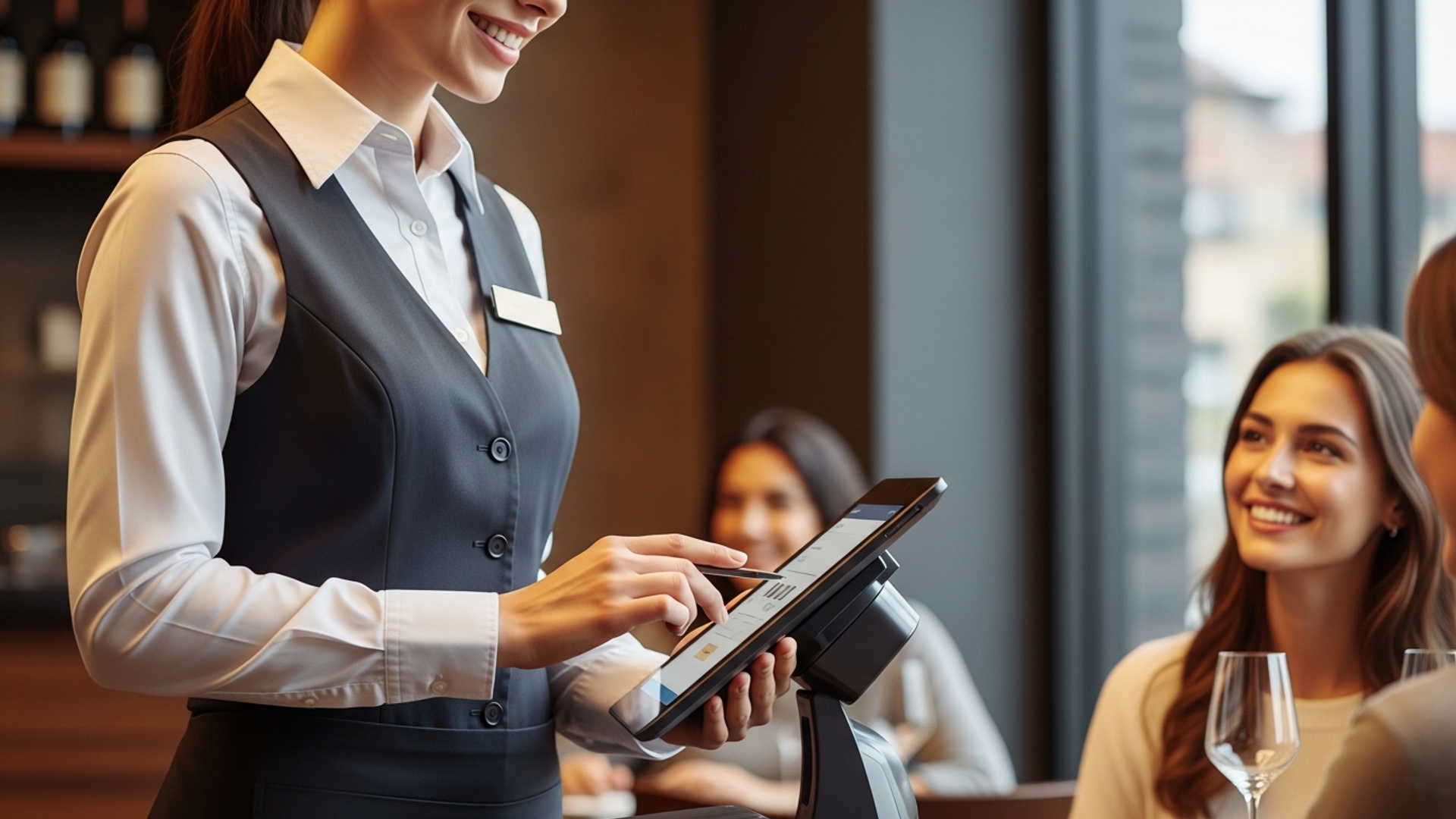
One of the most immediate and impactful improvements Restaurant POS software brings to customer service is the modernization of the order-taking process. Gone are the days of handwritten tickets prone to misinterpretation or lost slips. With a robust Restaurant POS software system, servers can input orders directly into a tablet or handheld device, which instantly transmits to the kitchen or bar.
This digital workflow drastically reduces errors, ensuring that the customer receives exactly what they ordered. For instance, imagine a busy Saturday night; a server is juggling multiple tables. Instead of scribbling down “no onions” on a pad, they can select a modifier directly on the screen, which is then clearly displayed on the Kitchen Display System (KDS). This level of precision minimizes food waste and, more importantly, prevents the frustration customers experience when their order is incorrect. A study by Toast found that restaurants using their POS experienced a significant reduction in order errors, directly impacting customer satisfaction.
2. Personalized Customer Experiences Through Data
Modern Restaurant POS software transcends basic transaction processing by acting as a powerful customer relationship management (CRM) tool. Each interaction, from preferred dishes to dietary restrictions, can be logged and accessed for future visits. This capability allows staff to offer a truly personalized dining experience.
Consider a scenario: a regular customer, Sarah, visits your restaurant. When her server inputs her table number into the Restaurant POS software, a small note pops up: “Sarah prefers a window seat and is allergic to nuts.” This foresight allows the server to greet her by name, guide her to her preferred table. preemptively highlight nut-free options on the menu. This level of attentiveness makes customers feel valued and understood, fostering loyalty. As industry expert Mark K. Lardas, author of “Restaurant Management: A Practical Guide,” often emphasizes, personalized service is key to repeat business.
3. Efficient Table Management and Reduced Wait Times
Long wait times are a notorious pain point for restaurant patrons. Restaurant POS software revolutionizes table management, turning a chaotic host stand into an organized command center. The system provides a real-time visual representation of the restaurant’s layout, showing which tables are occupied, clean, or about to open up.
When guests arrive, the host can quickly assign them to the next available table, or accurately quote wait times based on live data. For example, if a large party unexpectedly arrives, the Restaurant POS software can help identify which tables can be combined or if a specific section is underutilized. This optimization reduces bottlenecks, ensures a smoother flow of guests. ultimately minimizes frustrating waits, contributing significantly to a positive first impression and overall dining experience.
4. Seamless and Flexible Payment Options
In today’s diverse payment landscape, offering flexibility is paramount to customer satisfaction. Restaurant POS software supports a wide array of payment methods, from traditional credit and debit cards to contactless payments like Apple Pay and Google Pay. even QR code payments. This versatility caters to individual customer preferences and speeds up the checkout process.
Beyond method variety, advanced Restaurant POS software allows for easy bill splitting among multiple diners, whether by item or by equal shares, eliminating awkward calculations and potential disputes. A server can simply select items on the screen to assign to different guests, or split the total with a few taps. This convenience is a major contributor to a stress-free departure, leaving customers with a positive final impression of their meal.
5. Real-time Menu Updates and Dietary data
Menu management can be dynamic, with daily specials, sold-out items, or last-minute ingredient changes. Restaurant POS software empowers staff to update the menu in real time, directly impacting customer expectations and satisfaction. If the popular clam chowder runs out, the server can immediately see this on their device and inform guests before they even order, preventing disappointment.
Moreover, Restaurant POS software can store detailed nutritional and allergen details for each menu item. When a guest inquires about gluten-free options or potential allergens, the server can quickly pull up accurate insights on their POS device, ensuring safety and confidence in their dining choices. This transparency is crucial for guests with specific dietary needs, enhancing their trust and overall experience.
6. Enhanced Communication Between Front-of-House and Kitchen
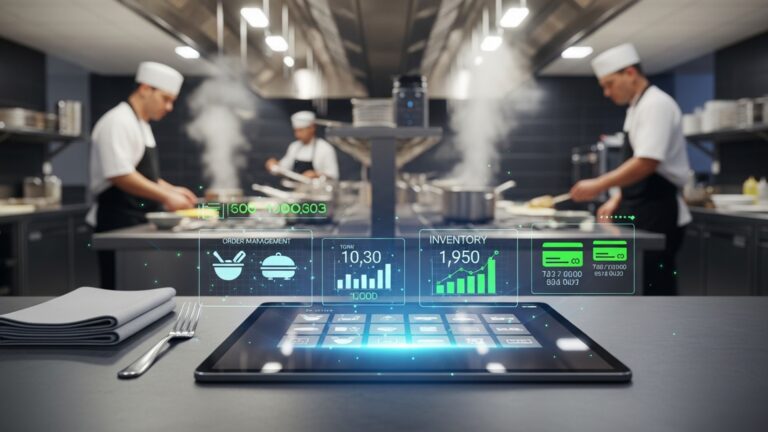
Miscommunication between the front-of-house (FOH) and kitchen staff is a common cause of delays and incorrect orders. Restaurant POS software, especially when integrated with a Kitchen Display System (KDS), creates a seamless communication channel that drastically improves efficiency and accuracy.
When an order is placed at the table, it instantly appears on the KDS screen in the kitchen, prioritized and clearly displayed. Special requests, such as “steak rare, no sauce,” are highlighted, leaving no room for misinterpretation. This digital flow eliminates handwritten tickets, reduces noise in the kitchen. ensures that dishes are prepared and served in the correct sequence and at the optimal time, leading to fresher food and faster service. According to a report by Lightspeed, KDS integration can reduce average ticket times by up to 25%, directly benefiting the customer.
7. Data-Driven Insights for Continuous Service Improvement
A sophisticated Restaurant POS software system collects a wealth of operational data that, when analyzed, provides invaluable insights into customer behavior and service efficiency. This data includes peak dining hours, popular menu items, average order values. even server performance metrics.
By understanding which dishes sell best at certain times or which servers consistently receive high tips, management can make informed decisions. For example, if data shows a surge in dessert sales after 8 PM, the restaurant can ensure adequate staffing in the pastry section or offer specific dessert specials during that window. This analytical capability allows restaurants to proactively adapt their operations, optimize staffing. refine their offerings based on concrete evidence, constantly striving for a better customer experience. This is a core principle echoed by hospitality consultants worldwide: “What gets measured gets improved.”
8. Robust Loyalty Programs and CRM Integration
Building customer loyalty is essential for long-term success. Restaurant POS software often comes with integrated loyalty program features or seamless integration with third-party CRM platforms. These systems allow restaurants to track customer visits, reward frequent diners. offer personalized promotions.
Imagine a customer who regularly orders the artisan pizza. The Restaurant POS software can track this. after their fifth pizza order, automatically generate a coupon for a free side or a discount on their next pizza. These tailored rewards make customers feel appreciated and encourage repeat business. Moreover, the CRM aspect allows restaurants to gather feedback, send targeted marketing messages (e. g. , birthday specials). build a deeper relationship with their clientele, moving beyond transactional interactions to genuine engagement.
9. Seamless Online Ordering and Delivery Management
In the digital age, convenience is king. Restaurant POS software extends customer service beyond the dining room by facilitating seamless online ordering and efficient delivery management. Customers can browse menus, customize orders. pay online through a branded portal or integrated third-party platforms, all managed through the central POS system.
Once an online order is placed, it flows directly into the Restaurant POS software and often onto the KDS, just like an in-house order. This integration ensures consistency in order fulfillment and prevents manual errors. For delivery, the POS can help manage delivery drivers, track order status. provide customers with real-time updates, offering transparency and reducing anxiety about their food’s arrival. This expanded reach and convenience cater to modern customer lifestyles, making dining from your restaurant more accessible than ever.
10. Faster Issue Resolution and Enhanced Accountability
Even with the best systems, issues can arise. How a restaurant handles these situations significantly impacts customer satisfaction. Restaurant POS software equips staff with the tools for quick and efficient issue resolution, enhancing overall customer service.
If a customer has a query about their bill, wants to return an item, or needs a refund, the server can access their entire order history and transaction details instantly through the Restaurant POS software. Voiding an incorrect item, applying a discount, or processing a refund becomes a quick, auditable process, minimizing delays and potential frustration for the customer. This transparency and efficiency in problem-solving not only resolves the immediate issue but also demonstrates professionalism and accountability, often turning a potentially negative experience into a neutral or even positive one, reinforcing customer trust.
Conclusion
Ultimately, embracing restaurant POS software is no longer a luxury but a fundamental necessity for elevating customer service. Beyond mere transaction processing, modern POS systems, especially cloud-based ones, empower businesses to anticipate guest needs and personalize interactions. From my own observations, leveraging features like table management for optimal seating or integrated loyalty programs that remember specific preferences, truly transforms a dining experience. It’s about proactive engagement, not just reactive problem-solving. To genuinely improve your customer service, I urge you to evaluate your current POS capabilities. Are you fully utilizing its potential for swift order customization, accurate billing, or even real-time feedback collection? Start by identifying one or two areas where your POS can immediately streamline operations and enhance guest satisfaction. Remember, every seamless interaction, every remembered preference, builds loyalty. Invest wisely in a system that grows with your vision, because a happy customer is your most valuable asset.
More Articles
Master Essential Restaurant POS Features a Complete Guide to Choosing Wisely
10 Smart Strategies to Optimize Your Restaurant POS System Guide
How to Select the Best Restaurant POS System 7 Essential Features Guide
Learn How to Unlock Top Restaurant POS System Features for Seamless Operations

FAQs
How can a restaurant’s POS system really speed things up for customers?
A modern POS streamlines everything from order taking to payment. Staff can quickly input orders, which are instantly sent to the kitchen, cutting down on wait times for both ordering and getting food. Plus, processing payments becomes super fast and efficient.
Does using a POS mean fewer mistakes with customer orders?
Absolutely! Digital order entry eliminates handwriting errors and miscommunications between front-of-house and kitchen staff. This means customers get exactly what they ordered, reducing frustration and food waste.
Can a POS help us remember what our regular customers like?
Many advanced POS systems come with built-in CRM (Customer Relationship Management) features. These can store customer preferences, past orders. even loyalty points, allowing you to offer a more personalized and memorable experience on their next visit.
What about handling special requests or dietary needs? Is a POS useful for that?
Yes, a good POS makes it incredibly easy. Staff can add detailed notes for special requests, allergies, or dietary modifications directly to the order. This ensures the kitchen is fully aware and can prepare the dish correctly and safely for the customer.
Are there more payment options for customers with a modern POS?
Definitely. Modern POS systems support a wide array of payment methods, including traditional cards, EMV chip cards, contactless payments (NFC). mobile wallets. They also make splitting bills or paying separately much simpler and quicker, offering great convenience.
How does a POS improve the flow of customers from arrival to seating?
Features like integrated table management and waitlist systems help staff efficiently manage reservations, assign tables. optimize seating. This reduces wait times for guests and ensures a smoother, more organized dining experience from the moment they walk in.
Can a POS help us get feedback from our customers after their meal?
Some POS systems integrate with customer feedback tools or can facilitate quick digital surveys right after a transaction. This makes it easy to gather valuable insights into their dining experience, helping you pinpoint areas for improvement and show customers you care about their opinion.
How does a POS make loyalty programs better for customers?
A modern POS streamlines loyalty programs by automatically tracking points, applying discounts. redeeming rewards. Customers don’t need to carry physical cards. they can easily see their progress, making the program more engaging and encouraging them to return.