10 Smart Ways Restaurant POS Software Can Improve Your Customer Service Today
The modern diner expects more than just a meal; they demand efficiency, personalization. seamless interactions, a trend significantly amplified by recent shifts towards digital-first experiences. Legacy systems often struggle to meet these elevated expectations, hindering staff and frustrating guests. But, cutting-edge Restaurant POS software now acts as a pivotal engine for superior customer service. By enabling features like lightning-fast table-side ordering via handheld devices, integrating loyalty programs for data-driven personalization. facilitating secure contactless payments, it empowers restaurants to minimize wait times, reduce order errors. free up staff to genuinely connect with patrons. This strategic technological adoption transforms transactional moments into memorable dining experiences, directly impacting satisfaction and repeat business.
1. Expedited Order Taking and Processing
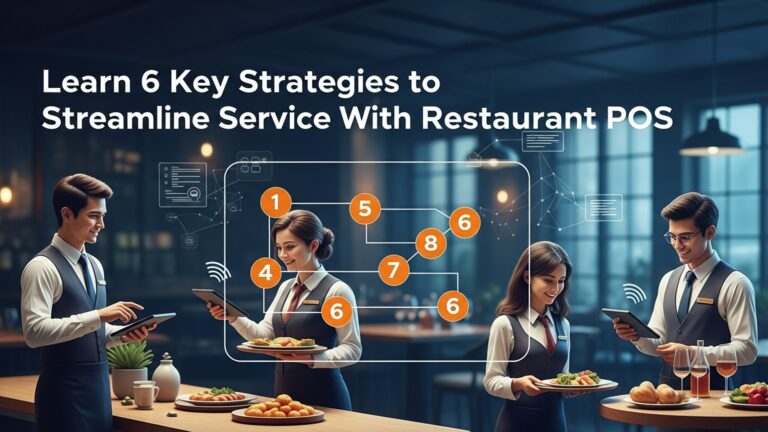
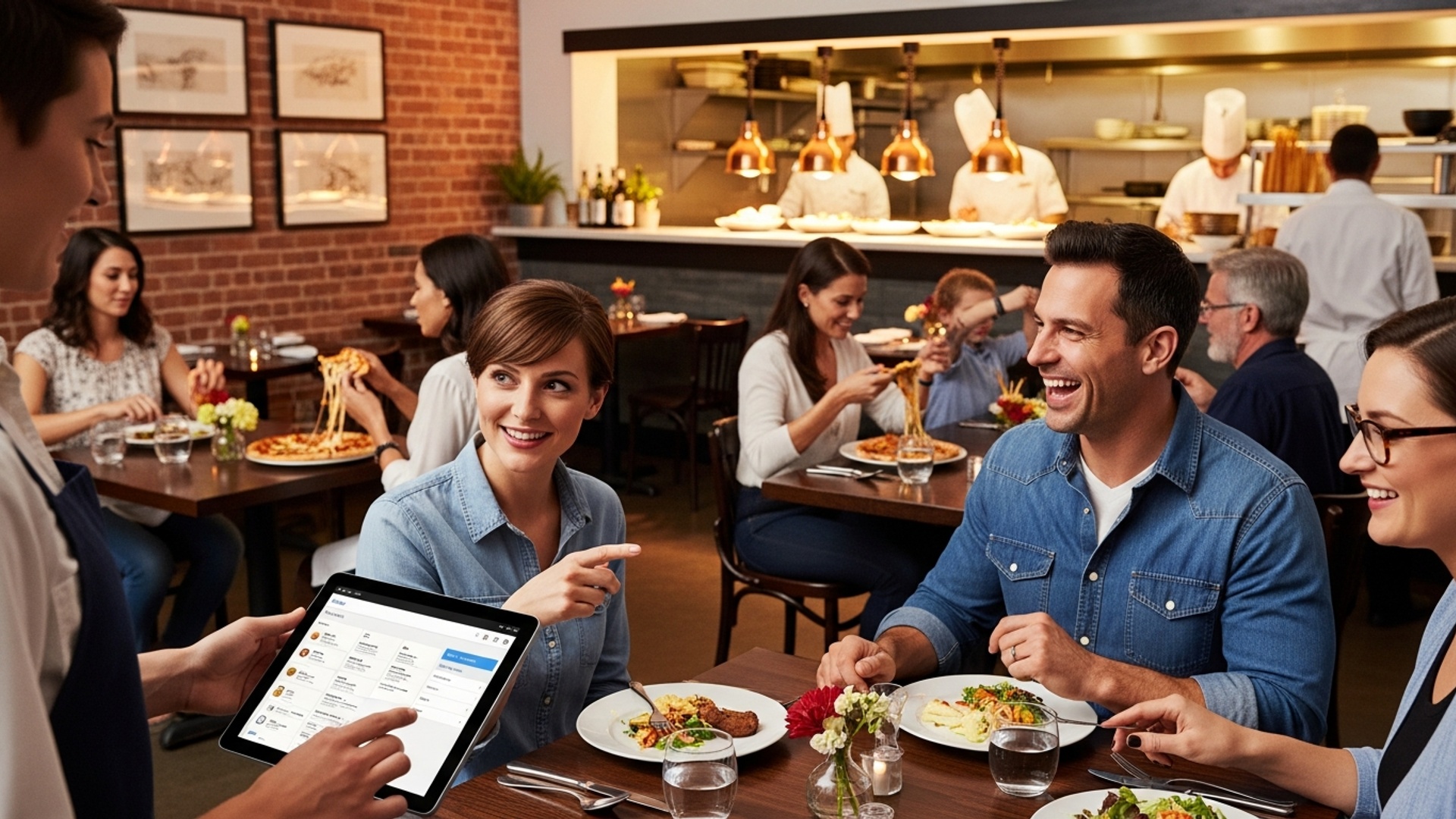
One of the most immediate and impactful ways Restaurant POS software revolutionizes customer service is by significantly speeding up the order-taking and processing workflow. Traditional methods, involving pen and paper or manual entry, are prone to delays and errors. Modern Restaurant POS software allows servers to take orders tableside using handheld devices, instantly sending them to the kitchen display system (KDS) or printers.
Consider a busy Saturday night: a server using a mobile POS device can input a customer’s order, including any customizations, directly at the table. This eliminates the need to walk back and forth to a stationary terminal, reducing order entry time by several minutes per table. For customers, this means less waiting for their order to be taken and for their food to start preparing. Less waiting translates directly into a more positive dining experience and higher satisfaction. The American Express “Customer Service Barometer” consistently shows that speed and efficiency are top priorities for consumers when evaluating service.
2. Enhanced Order Accuracy and Customization
Mistakes in orders can be incredibly frustrating for customers and costly for restaurants. Cold food, wrong ingredients, or forgotten modifications lead to dissatisfaction and often require re-cooking, wasting time and resources. Modern Restaurant POS software drastically reduces these errors by providing clear, digital order entries.
Each item can have predefined modifiers (e. g. , “no onions,” “extra cheese,” “gluten-free bun”), ensuring that special requests are accurately captured and communicated to the kitchen. For instance, a customer with a severe allergy can rest assured that their “allergy alert” is prominently displayed on the KDS screen, prompting kitchen staff to take extra precautions. This level of detail and accuracy builds trust and demonstrates a restaurant’s commitment to meeting individual customer needs. It prevents those awkward moments where a dish arrives incorrectly, saving both the customer and the restaurant from potential embarrassment and delay.
3. Personalized Customer Experiences through Data
Exceptional customer service often hinges on making guests feel valued and understood. Restaurant POS software collects valuable data that can be leveraged to personalize interactions and foster loyalty. When integrated with a customer relationship management (CRM) module, the POS can store customer preferences, past orders. even special occasions.
Imagine a regular customer, Sarah, who always orders the same craft beer and prefers her steak medium-rare. With a robust Restaurant POS software, when Sarah walks in, her server can access her profile, perhaps even greeting her by name and asking if she’d like “her usual.” This level of personalized attention is incredibly powerful. It makes customers feel seen, remembered. appreciated, transforming a transactional visit into a memorable experience. This isn’t just about remembering an order; it’s about building a relationship that encourages repeat business and positive word-of-mouth.
4. Optimized Table and Reservation Management
Long wait times for tables are a major deterrent for potential diners and a significant source of customer dissatisfaction. Advanced Restaurant POS software often includes integrated table and reservation management tools that streamline seating processes and reduce perceived wait times.
These systems provide a real-time visual layout of the restaurant, showing which tables are occupied, clean, or ready for seating. Staff can efficiently manage waitlists, accurately quote wait times. even send SMS notifications to customers when their table is ready, allowing them to wait comfortably nearby rather than hovering at the entrance. For example, a restaurant using a POS with integrated table management can quickly identify the next available table for a party of four, avoiding the common scenario of an empty table sitting unassigned while guests wait. This organized approach minimizes frustration and creates a smoother flow, enhancing the overall dining experience.
5. Seamless and Flexible Payment Processing
The checkout experience is the final impression a customer has of their meal. a clunky or slow payment process can undermine an otherwise excellent dining experience. Modern Restaurant POS software offers a variety of flexible and secure payment options, making the end of the meal as smooth as possible.
Customers can often pay tableside using mobile POS devices, splitting bills easily among multiple guests without complex calculations by the server. Options like contactless payments (NFC), mobile wallets (Apple Pay, Google Pay). EMV chip card readers are standard, catering to diverse preferences and enhancing security. This flexibility not only speeds up the transaction but also provides convenience and peace of mind. A server at a bustling bistro can quickly process payments for a large group, allowing them to split the bill evenly or by item with just a few taps, avoiding the common bottleneck at a central payment station and ensuring guests can leave promptly when ready.
6. Real-time Menu Updates and Dietary data
Customers today are more informed and have more specific dietary needs and preferences than ever before. Providing accurate and up-to-date menu data is crucial for excellent customer service. Restaurant POS software enables dynamic menu management that goes beyond static printouts.
Managers can instantly update menu items, prices. availability. even add detailed allergen details or nutritional facts. If a popular dish sells out, it can be marked unavailable in the system immediately, preventing customers from ordering something that isn’t there and avoiding disappointment. For example, a customer with a gluten intolerance can inquire about a dish. the server can quickly reference the POS system for comprehensive ingredient lists and allergen warnings. This transparency and immediate access to data build trust and demonstrate a restaurant’s commitment to customer health and satisfaction, reducing potential health risks and ensuring a comfortable dining experience for everyone.
7. Streamlined Communication Between Front-of-House and Kitchen
Effective communication is the backbone of efficient restaurant operations and directly impacts customer service. Misunderstandings between servers and kitchen staff can lead to incorrect orders, delays. frustrated customers. Restaurant POS software bridges this gap with integrated communication tools.
Kitchen Display Systems (KDS) replace paper tickets, presenting orders clearly and digitally to cooks. Special instructions, allergies. priority orders are highlighted, reducing errors and ensuring that dishes are prepared correctly and in the right sequence. Consider a busy restaurant where a server inputs a complex order with several modifications. Instead of a handwritten note that might be misinterpreted, the KDS displays each modification clearly: “Steak – Medium Rare – No Sauce – Side Salad, Dressing on Side.” This clarity minimizes confusion, speeds up preparation. ensures the customer receives exactly what they ordered, leading to a smoother experience and hot, fresh food delivered on time.
8. Data-Driven Insights for Continuous Service Improvement
The best customer service isn’t static; it evolves based on feedback and operational analysis. Restaurant POS software collects a wealth of data that, when analyzed, provides actionable insights for continuous service improvement. This includes sales trends, popular menu items, peak service times, server performance. even customer feedback.
For instance, by analyzing sales data, a restaurant might discover that a particular appetizer consistently sells out by 7 PM on weekends. This insight allows management to adjust inventory and staffing to meet demand, preventing customer disappointment. Similarly, if the POS tracks order delivery times, management can identify bottlenecks in the kitchen or service flow and implement training or operational changes. This proactive approach to using data ensures that service standards are continually refined, directly addressing areas that impact the customer experience. A restaurant using such insights might re-train staff on a specific dish preparation or re-configure kitchen stations to improve flow during peak hours, all contributing to a better customer experience.
9. Enhanced Online Ordering and Delivery Integration
In today’s digital age, convenience is paramount. many customers prefer the ease of ordering food online for pickup or delivery. Robust Restaurant POS software seamlessly integrates with online ordering platforms and third-party delivery services, expanding a restaurant’s reach and catering to modern consumer habits.
When a customer places an order online, it flows directly into the POS system and kitchen, just like an in-house order. This eliminates manual entry, reduces errors. ensures that online orders are managed alongside dine-in orders efficiently. For example, a customer can browse a restaurant’s menu online, place an order for delivery. receive real-time updates on its status, all without any human intervention until the food arrives. This convenience not only attracts a wider customer base but also provides a consistent and reliable service experience, whether the customer is dining in or enjoying their meal at home. The integration ensures that all revenue streams are managed centrally, providing a unified view of operations.
10. Streamlined Loyalty Programs and Gift Card Management
Fostering customer loyalty is key to long-term success. well-managed loyalty programs and gift cards are powerful tools for retention. Restaurant POS software provides the infrastructure to implement and manage these programs effortlessly, making it easier for customers to engage and benefit.
Customers can easily sign up for loyalty programs directly through the POS, accumulate points with each purchase. redeem rewards seamlessly. Gift cards can be purchased, loaded. redeemed with ease, providing a convenient gifting option and encouraging new and repeat business. For example, a customer who is part of a loyalty program can simply provide their phone number at checkout. their points are automatically added. When they have enough points for a free dessert, the POS system alerts the server, offering a delightful surprise. This frictionless experience encourages participation, makes customers feel valued. incentivizes repeat visits, transforming casual diners into loyal patrons and enhancing their overall perception of the brand.
Conclusion
The transformative power of restaurant POS software in elevating customer service cannot be overstated. We’ve explored how these systems streamline operations, speed up service. enable personalization, fundamentally shifting the dining experience from transactional to truly engaging. My personal tip? Don’t just view your POS as a billing tool; leverage its full potential for customer relationship management. I’ve witnessed how integrated features, from instant feedback options to data-driven loyalty programs, build a loyal customer base and stand out in today’s competitive landscape where seamless digital experiences, like those highlighted in recent industry reports on dining technology, are paramount. Embrace this technology to not only meet but exceed evolving customer expectations, crafting memorable moments that keep guests returning. The future of exceptional restaurant service is here, powered by smart POS solutions.
More Articles
How To Choose The Best Restaurant POS System Essential Features Guide
10 Smart Strategies to Optimize Your Restaurant POS System Guide
Master Essential Restaurant POS Features a Complete Guide to Choosing Wisely
10 Smart Strategies to Master Your Restaurant POS for Better Service
Avoid 6 Common Restaurant POS Software Problems with These Simple Solutions

FAQs
How does restaurant POS software speed up service for customers?
Restaurant POS software significantly cuts down wait times by streamlining the entire ordering process. Orders go directly from the server’s handheld device to the kitchen, payments are processed faster. overall efficiency means less waiting for your meal or your bill.
Can POS systems really make sure my order is right every single time?
Absolutely! Digital ordering minimizes human error often associated with handwritten notes or verbal miscommunications. Orders are accurately captured and sent directly to the kitchen display system, drastically improving order accuracy and ensuring you get exactly what you asked for.
What about remembering my favorite dishes or special requests?
Many modern POS systems excel at customer relationship management. They can track your order history, dietary preferences. even specific requests, allowing staff to offer personalized recommendations and remember your usual, making your dining experience feel more tailored and special.
How does POS software help avoid long waits for a table?
POS systems often include robust table management features. They provide real-time updates on table availability, help staff manage reservations and waitlists efficiently. optimize seating arrangements, leading to a much smoother and quicker seating process for guests.
Can I pay with different methods easily with this software?
Yes, flexibility in payment is a key benefit. Modern POS software supports a wide range of payment options, including various credit cards, mobile payments, contactless methods. even split bills, offering maximum convenience to customers when it’s time to pay.
Does POS software make it easier to order food online or for delivery?
Definitely. Many restaurant POS systems integrate seamlessly with online ordering platforms and third-party delivery services. This ensures that off-premise orders are processed just as efficiently and accurately as dine-in orders, providing a consistent and convenient experience for customers.
How can a POS system help a restaurant get better at serving customers?
Some POS solutions offer built-in feedback tools or integrate with customer survey platforms. This makes it easier for restaurants to collect valuable insights directly from customers, helping them identify areas for improvement and continuously enhance their service quality.