How to Optimize Restaurant Table Management with a Modern POS System
In today’s competitive culinary landscape, inefficient table management can significantly hinder a restaurant’s profitability and customer satisfaction. Modern restaurant POS with table management systems are revolutionizing front-of-house operations, transforming the chaotic host stand into a hub of operational efficiency. These advanced POS solutions provide real-time visibility into table status, reservation queues. server section assignments, enabling operators to dynamically optimize seating arrangements and minimize wait times. Beyond simple booking, a robust POS integrates digital floor plans with order management, allowing for data-driven decisions that enhance table turnover, predict demand. ultimately boost revenue. Embracing this technology is no longer an option. a strategic imperative for seamless service delivery and sustained growth.
The Evolution of Restaurant Table Management
In the bustling world of hospitality, efficient table management has always been the cornerstone of a successful restaurant operation. Historically, this often involved clipboards, pen-and-paper reservation books. a maître d’ with an encyclopedic memory for guest preferences and seating arrangements. While charming in its own right, this manual approach was prone to human error, bottlenecks during peak hours. a significant lack of real-time data. Today, the landscape has dramatically shifted. Modern restaurants are embracing advanced technology. at the forefront of this revolution is a sophisticated restaurant POS with table management capabilities. This integrated solution is transforming how eateries handle everything from reservations and seating to order fulfillment and guest analytics, paving the way for unprecedented operational efficiency and an elevated dining experience.
Core Features of a Modern Restaurant POS with Table Management
A cutting-edge restaurant POS with table management isn’t just a glorified cash register; it’s a comprehensive ecosystem designed to orchestrate the entire front-of-house operation. Understanding its core features is crucial for appreciating its transformative power.
- Interactive Digital Floor Plans
- Integrated Reservation & Waitlist Management
- Seamless Order & Payment Integration
- Customer Relationship Management (CRM) Capabilities
- Real-time Analytics & Reporting
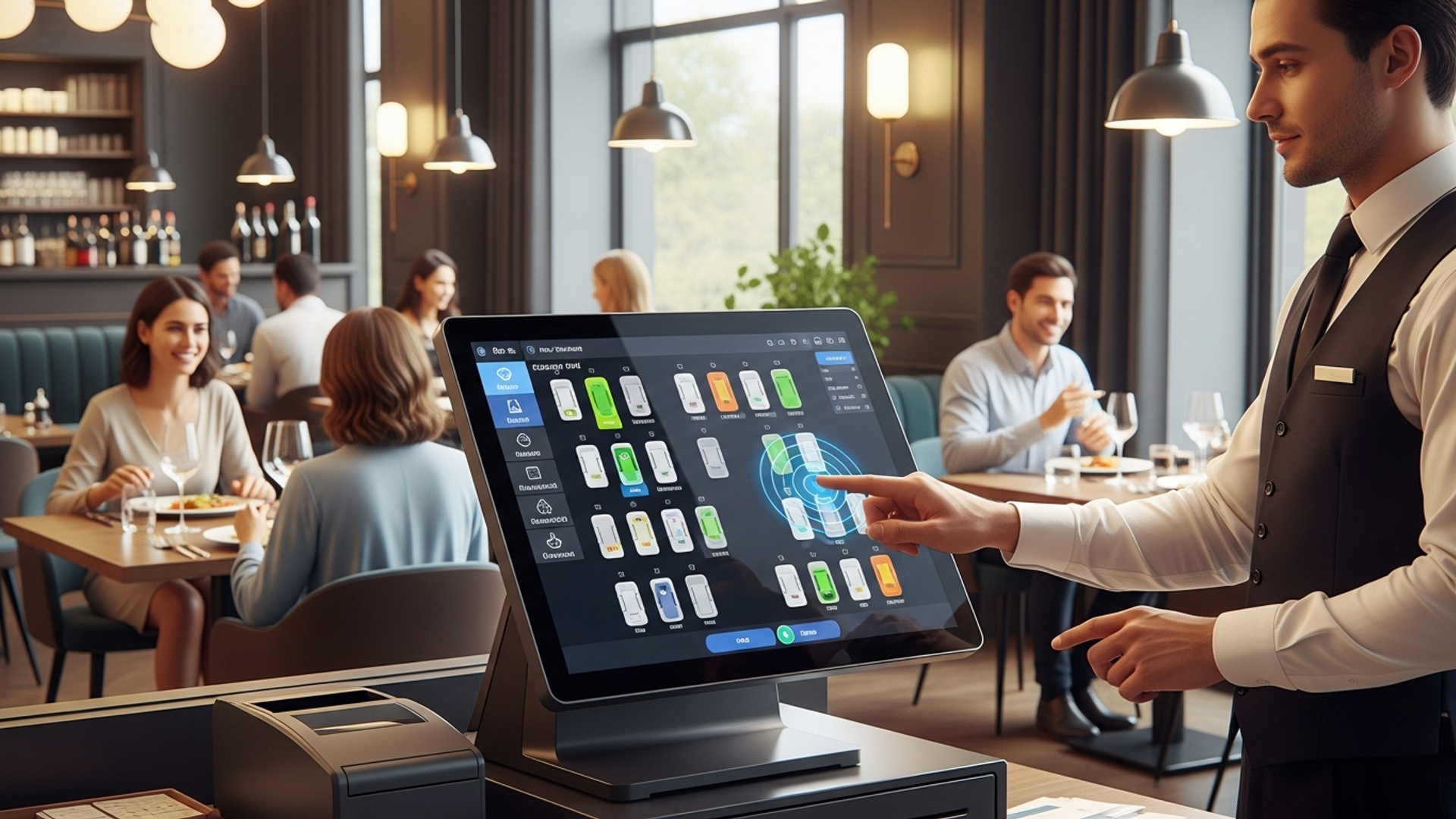
This feature allows staff to visualize the entire restaurant layout on a tablet or monitor. Tables are color-coded to indicate their status (seated, waiting for order, served, paid, dirty, available), providing an immediate overview of the dining room. Staff can drag-and-drop parties to tables, split or combine tables. see real-time occupancy.
Guests can book tables online, reducing phone calls and no-shows. The system automatically manages availability, sends confirmations. even allows for pre-order options. For walk-ins, a digital waitlist system accurately estimates wait times, sends SMS notifications to guests when their table is ready. captures guest preferences for future visits.
Once a table is seated, servers can take orders directly at the table using handheld devices, sending them instantly to the kitchen display system (KDS) or printer. This eliminates errors, speeds up service. ensures accurate billing. Payments can be processed table-side, offering convenience and reducing server trips to a stationary POS terminal.
Modern POS systems store valuable guest data, including past orders, dietary restrictions, special occasions. seating preferences. This data empowers staff to provide highly personalized service, enhancing loyalty and repeat business.
The system continuously collects data on table turnover times, peak hours, popular menu items, server performance. guest spending habits. These insights are invaluable for making data-driven decisions on staffing, menu engineering. marketing strategies.
How a Modern Restaurant POS with Table Management Enhances Guest Experience
The true measure of any restaurant technology lies in its ability to improve the guest journey. A powerful restaurant POS with table management excels in this area, creating memorable dining experiences.
- Reduced Wait Times
- Personalized Service
- Accurate and Faster Order Taking
- Seamless Payment Process
With real-time table status updates and efficient waitlist management, guests spend less time waiting and more time enjoying their meal. This directly translates to higher satisfaction.
By accessing guest history, servers can greet regulars by name, recall their favorite drink, or even suggest dishes based on past preferences. This level of attentiveness makes guests feel valued and understood.
Digital ordering minimizes miscommunications between server and kitchen, leading to fewer errors and quicker dish delivery. Special requests or allergies are clearly communicated, ensuring guest safety and satisfaction.
Offering table-side payment options, including split bills and various payment methods, provides convenience and privacy. Guests appreciate the ability to pay and leave when they are ready, without waiting for a server to return with a check.
Case Study: “The Bistro on Main”
Consider “The Bistro on Main,” a popular downtown eatery that struggled with long weekend wait times and lost reservations. Implementing a modern restaurant POS system with robust table management transformed their operations. Online reservations soared by 30%. their digital waitlist reduced walk-away rates by 15%. Servers, equipped with handheld devices, reported a 20% increase in order accuracy and a noticeable improvement in table turnover, particularly during their busy lunch rush. This led to higher customer satisfaction scores and a significant boost in revenue.
Streamlining Operations: Beyond the Table
The benefits of an integrated POS system extend far beyond the immediate interaction with tables and guests, fundamentally streamlining broader restaurant operations.
- Enhanced Staff Communication
- Kitchen Display System (KDS) Integration
- Inventory Management Links
- Labor Cost Optimization
A centralized system acts as a single source of truth for all staff. Servers, hosts. kitchen staff are always on the same page regarding table status, order progress. guest needs. This reduces friction and improves teamwork.
Orders taken at the table are instantly routed to the KDS, which organizes and prioritizes dishes for the kitchen staff. This optimizes workflow, reduces ticket times. minimizes food waste.
Many modern POS systems can integrate with inventory management modules. As orders are placed, ingredients are automatically deducted from stock, providing real-time inventory levels and flagging items that need reordering. This prevents stockouts and helps control food costs.
Detailed sales and guest flow data allow managers to accurately forecast staffing needs, ensuring adequate coverage during peak times without overstaffing during slower periods. This leads to significant savings in labor costs.
Key Considerations When Choosing a Restaurant POS with Table Management
Selecting the right restaurant POS system is a critical decision that impacts every facet of your business. Here are key factors to consider:
- Scalability
- Ease of Use and User Interface (UI)
- Integration Capabilities
- Support & Training
- Pricing Models
Choose a system that can grow with your business. If you plan to expand to multiple locations or increase your seating capacity, your POS should be able to accommodate these changes seamlessly.
The system should be intuitive for staff of all tech proficiencies. A clunky, complicated UI will lead to frustration, errors. slower service. Look for clean, logical layouts and easy navigation.
A truly modern POS should integrate with other essential restaurant technologies, such as accounting software, loyalty programs, online ordering platforms. third-party delivery services. This creates a unified ecosystem.
Excellent customer support is non-negotiable. Ensure the vendor offers comprehensive training for your staff and responsive technical support for any issues that may arise, ideally 24/7.
interpret the total cost of ownership, including hardware, software subscriptions, transaction fees. support costs. Compare different models (e. g. , monthly subscriptions vs. upfront purchase) to find what best fits your budget.
Comparing Traditional vs. Modern Table Management Approaches
To fully grasp the benefits, it’s helpful to compare the old ways with the new.
| Feature | Traditional (Manual) Approach | Modern POS with Table Management |
|---|---|---|
| Floor Plan Visibility | Physical chart or memory; prone to error. | Interactive digital map; real-time status updates. |
| Reservations & Waitlist | Paper book, phone calls; difficult to manage surges. | Online booking, SMS notifications, automated waitlist. |
| Order Accuracy | Handwritten notes, verbal relay; higher error rate. | Digital input, direct to KDS; minimal errors. |
| Payment Processing | Fixed terminal, server runs cards; slower turnover. | Table-side payments, split bills, varied options; faster, convenient. |
| Guest Data & Personalization | Limited, relies on staff memory; inconsistent. | Comprehensive CRM, detailed guest profiles; highly personalized service. |
| Operational Insights | Guesses, end-of-day tally; reactive decision-making. | Real-time analytics, detailed reports; proactive, data-driven strategy. |
| Staff Communication | Verbal, shouting, physical notes; often inefficient. | Integrated messaging, shared digital view; seamless, quiet. |
Real-World Impact: Case Studies and Expert Insights
The adoption of a sophisticated restaurant POS with table management is not just a trend; it’s a strategic imperative for long-term success in the competitive restaurant industry. Consider a fine-dining establishment that leverages the system not only for reservations but also to track guest preferences like wine choices, dietary restrictions. even preferred table locations, ensuring a bespoke experience every time. For a casual dining chain, the efficiency gained from digital waitlists and faster table turnover directly translates to serving more customers during peak hours, significantly boosting revenue.
An article in Restaurant Business Online highlighted how technology-driven table management can increase a restaurant’s revenue by up to 10-15% through optimized seating and reduced no-shows. As industry expert Sarah Jenkins, CEO of ‘DineTech Solutions,’ often states, “A modern restaurant POS with table management isn’t an expense; it’s an investment in your operational backbone and your guest loyalty. The data it provides empowers restaurant owners to make smarter, more profitable decisions, moving beyond guesswork into precision management.”
- Assess Your Needs
- Prioritize Integration
- Invest in Training
- Start Small, Scale Up
- Leverage Data
Before choosing a system, document your current pain points and desired improvements in table management, reservations. guest interaction.
Look for a POS that seamlessly integrates with your existing or planned systems (KDS, inventory, accounting). A fragmented system creates more problems than it solves.
Even the most advanced system is only as good as the team using it. Dedicate time and resources to thorough staff training to maximize adoption and efficiency.
If you’re hesitant, consider rolling out key table management features first, gathering feedback. then expanding to more advanced functionalities.
Don’t just collect data; use it. Regularly review reports and analytics to identify trends, optimize staffing, refine your menu. enhance marketing efforts.
Conclusion
Optimizing restaurant table management with a modern POS system transcends mere reservation handling; it’s about leveraging real-time data to orchestrate a seamless dining experience. This powerful integration transforms your floor plan into a dynamic canvas, allowing for intelligent seating, efficient turnarounds. minimized wait times. For example, by analyzing historical data on specific table usage during peak hours, a modern POS can suggest optimal table assignments, preventing bottlenecks before they even occur. My personal tip? Don’t just install the system; dive deep into its analytics. Truly understanding your restaurant’s unique flow, identifying high-demand tables. recognizing patterns in guest arrival times empowers you to make data-driven decisions that significantly enhance both staff efficiency and customer satisfaction. This proactive approach, a key trend in modern hospitality, ensures your team can focus on service rather than manual juggling. Embrace this technological leap not just as an upgrade. as a strategic advantage, propelling your restaurant towards greater profitability and an outstanding reputation for operational excellence.
More Articles
Streamline Restaurant Operations How to Master Table Management with Your POS
Optimize Your Operations Five Essential Tips for Using Restaurant POS Software Effectively
How Can Restaurant POS Software Improve Staff and Customer Experience
Discover Seven Ways Restaurant POS Software Boosts Your Business Profits
Which Essential Features Must Your Restaurant POS Software Include for Success

FAQs
What’s the main benefit of using a modern POS for managing my restaurant tables?
It’s all about making your operations smoother and more profitable. A modern POS helps you seat guests faster, manage reservations efficiently, reduce wait times. ultimately turn more tables throughout the day, leading to increased revenue.
How can a POS system help me visualize my restaurant’s floor plan?
Most modern systems feature an interactive, visual floor plan on a tablet or screen. You can see which tables are occupied, available, or soon to be free, assign servers. even drag-and-drop parties to different tables if needed, all in real-time. This dynamic view prevents double-booking and optimizes seating.
Does it make managing reservations and walk-ins easier?
Absolutely! A good POS integrates reservation management, allowing customers to book online and automatically updating your availability. For walk-ins, it provides an organized waitlist, estimated wait times. can even send SMS notifications when their table is ready, significantly reducing hostess stress and improving guest experience.
What about my servers? Does it really make their job simpler?
Definitely. Servers can easily view their assigned tables, open checks, add orders, split bills. send orders directly to the kitchen or bar from a handheld device. This reduces mistakes, speeds up service. lets them focus more on guest interaction rather than running back and forth to a stationary terminal.
Can I get any useful data or reports on how my tables are being used?
Yes, modern POS systems are packed with reporting features. You can track table turnover rates, identify peak dining hours, see server performance metrics. interpret which table sizes are most popular. This data is invaluable for making smart decisions about staffing, menu engineering. optimizing your floor layout.
How does this system improve the dining experience for my customers?
A lot! Guests get seated quicker, wait times are reduced, orders are more accurate. service generally feels more attentive and seamless. Features like online ordering for pickup/delivery or integrated loyalty programs also enhance their overall experience, encouraging repeat visits and positive reviews.
Is it difficult to set up or integrate a new POS system for table management?
Modern cloud-based POS systems are designed for user-friendliness and relatively straightforward setup. Many offer guided onboarding. their cloud nature means less physical installation and easier updates, minimizing disruption to your existing operations. Most can integrate with other essential restaurant software too.