How to Leverage POS Software Features to Boost Restaurant Efficiency
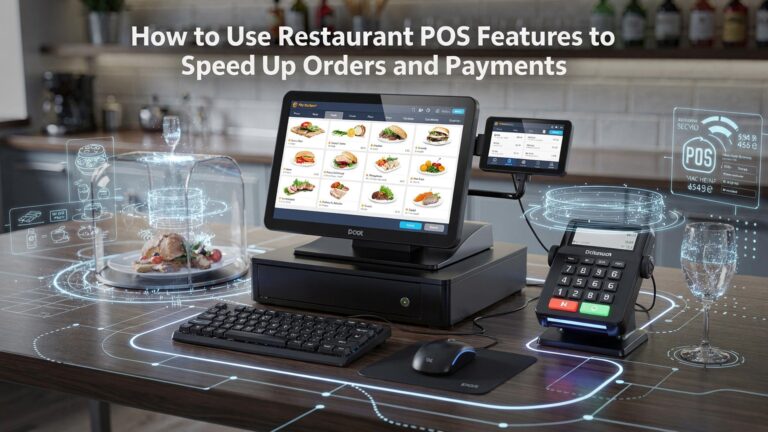
The modern restaurant landscape demands more than just basic transaction processing; understanding and maximizing the advanced POS software features for restaurants is crucial for operational excellence. In an era defined by tight margins, labor challenges. evolving customer expectations for seamless digital experiences, leveraging a robust POS system transforms a simple checkout tool into a strategic command center. Beyond basic order entry, recent developments in cloud-based POS offer real-time inventory tracking, integrated online ordering with delivery platform sync, dynamic menu management for allergen details. sophisticated sales analytics. These capabilities directly combat common inefficiencies, from reducing food waste through precise inventory management to accelerating table turns with mobile ordering and optimizing staff allocation via performance data. Mastering these integrated functionalities is no longer optional; it’s the bedrock of sustainable growth and enhanced guest satisfaction.
The Foundation: Understanding Modern POS Systems for Restaurants
In today’s fast-paced culinary landscape, a restaurant’s success hinges not just on delicious food and impeccable service. also on operational efficiency. At the heart of this efficiency lies a robust Point-of-Sale (POS) system. Far from being mere cash registers, modern POS solutions are comprehensive management hubs, integrating various facets of restaurant operations into a single, cohesive platform. Understanding the full spectrum of advanced POS software features for restaurants is the critical first step for any establishment looking to streamline processes, cut costs. ultimately, enhance profitability. These systems have evolved significantly, moving beyond basic transaction processing to encompass inventory, staff management, customer relations. in-depth analytics.
Traditionally, a POS system was a simple terminal for sales. Today, it’s a dynamic ecosystem designed to manage the entire restaurant workflow, from the moment a customer places an order to the final accounting entry. This integration is key to unlocking the true potential of your restaurant’s operations, making every department work in harmony rather than in silos.
Streamlining Operations: Order Management and Kitchen Efficiency
One of the most immediate impacts of advanced POS software features for restaurants is the dramatic improvement in order management and kitchen efficiency. A well-implemented system significantly reduces human error, speeds up service. ensures accurate communication between front-of-house and back-of-house staff.
- Intuitive Order Entry
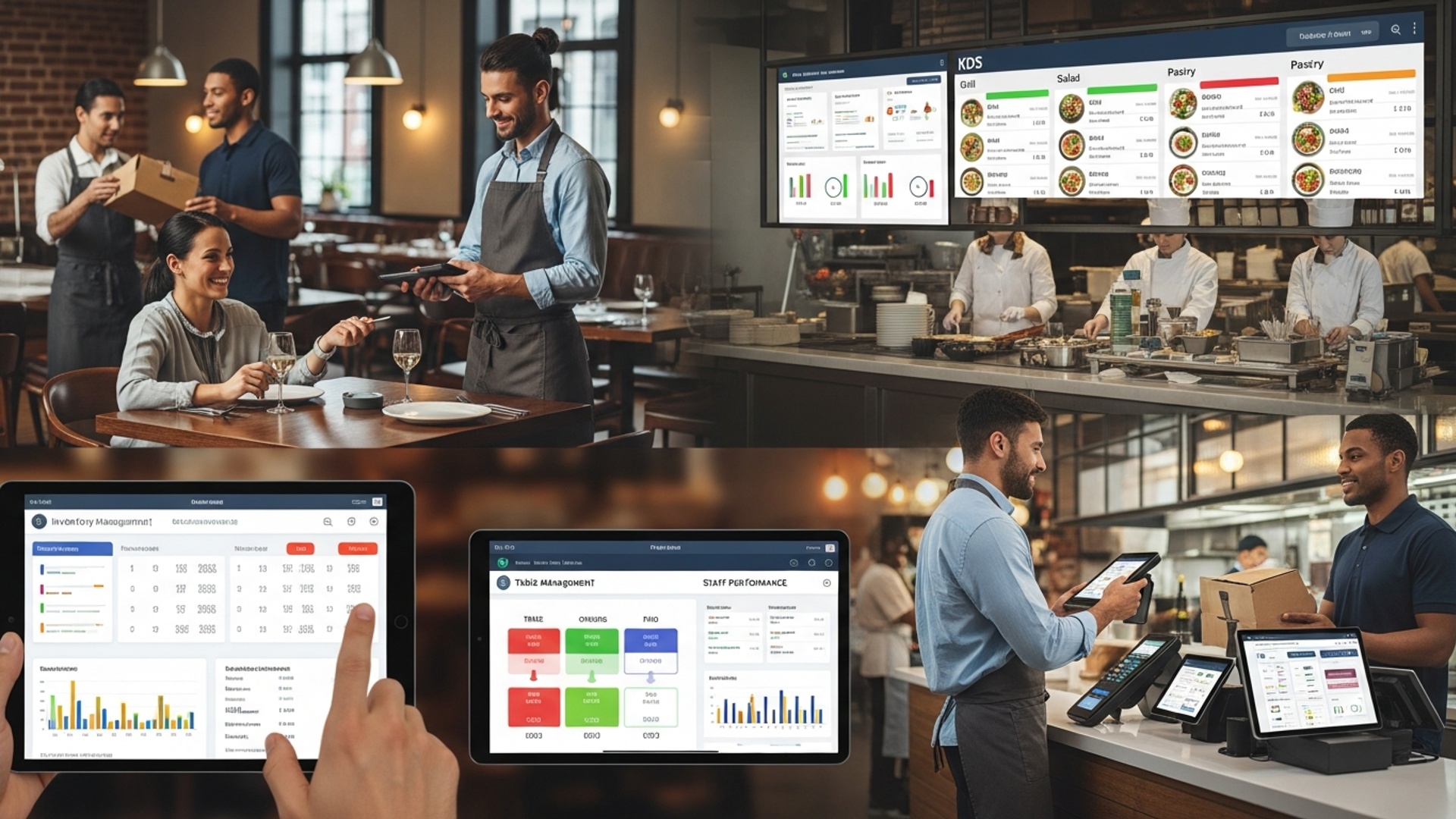
- Kitchen Display Systems (KDS)
- Online Ordering Integration
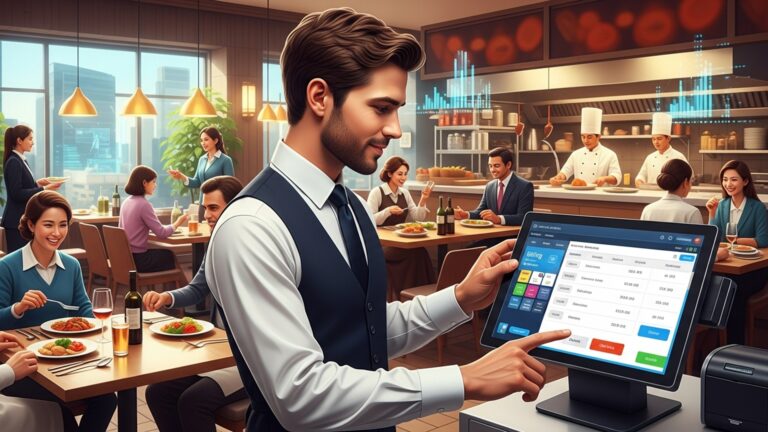
Modern POS interfaces allow servers to take orders quickly and accurately, often with customizable menus, modifiers (e. g. , “no onions,” “extra cheese”). upsell prompts. This minimizes mistakes and ensures clarity for the kitchen.
Replacing traditional paper tickets, KDS screens display orders digitally in the kitchen. This ensures orders are received instantly, prioritized correctly. tracked through preparation stages. Chefs can mark items as prepared, reducing confusion and improving coordination.
Real-world application: Imagine a busy Friday night. A server inputs an order for a steak, medium-rare. Instantly, it appears on the grill station’s KDS. The grill cook sees it, prepares it. marks it complete. Simultaneously, a KDS at the expediter station shows the full order assembly, ensuring all components are ready at the same time. This seamless flow can shave minutes off ticket times, allowing for more table turns.
With the rise of digital dining, integrating online orders directly into your POS system is non-negotiable. This feature consolidates all orders—whether from your website, a third-party delivery app, or in-house—into a single queue, preventing missed orders and simplifying kitchen workflow.
By centralizing order processing and communication, these features drastically cut down on miscommunications, food waste due to incorrect orders. customer wait times, directly contributing to a smoother operational flow and improved customer satisfaction.
Mastering Inventory and Supply Chain Management
Food costs are a significant expense for any restaurant. inefficient inventory management can lead to substantial losses. Robust POS software features for restaurants offer powerful tools to gain precise control over your stock, minimize waste. optimize purchasing.
- Automated Inventory Tracking
- Recipe Management
- Vendor Management and Purchasing
Every sale registered through the POS can automatically deduct ingredients from your inventory. This provides real-time insights into stock levels for specific items, preventing unexpected shortages or overstocking.
Inputting your recipes into the POS system allows for accurate tracking of ingredient consumption. For example, if a burger recipe uses 150g of ground beef, the system deducts that amount each time a burger is sold. This precise tracking is crucial for calculating plate costs and ensuring consistent quality.
Many advanced systems allow you to manage vendor lists, track purchase orders. even automate reordering when stock levels hit predefined thresholds. This reduces administrative burden and ensures you always have necessary supplies.
// Example of a simple inventory check logic function checkInventory(item_id, quantity_needed) { SELECT current_stock FROM inventory WHERE item_id = item_id; IF current_stock < quantity_needed THEN INITIATE_REORDER(item_id, quantity_needed 1. 5); // Reorder 150% of needed RETURN "Low stock, reorder initiated." ; ELSE RETURN "Stock sufficient." ; END IF; }
The ability to log spoilage, spilled items, or incorrect orders provides valuable data for identifying problem areas, optimizing portion sizes, or improving staff training.
By leveraging these features, restaurants can significantly reduce food waste, negotiate better deals with suppliers based on accurate usage data. ultimately improve their bottom line.
Enhancing Customer Experience and Loyalty
Beyond internal operations, modern POS systems are powerful tools for building lasting relationships with your customers. The better you interpret your clientele, the better you can cater to their preferences and encourage repeat business.
- Customer Relationship Management (CRM)
- Loyalty Programs
- Personalized Marketing
- Table Management & Reservations
Many POS systems include built-in CRM capabilities. This allows you to capture customer data (e. g. , contact info, order history, dietary preferences) directly at the point of sale. This insights is invaluable for personalized marketing and service.
Easily implement and manage points-based, tiered, or discount-based loyalty programs. Customers can earn rewards directly through their purchases, encouraging them to return. The POS tracks their progress and automatically applies rewards.
Using CRM data, you can segment your customer base and send targeted promotions. For instance, send a birthday discount to customers whose birthdays are approaching, or notify frequent coffee drinkers about a new pastry special.
Integrated table management features allow hosts to efficiently seat guests, manage waitlists. track table status (e. g. , seated, ordering, eating, paid). Reservation systems further streamline this by allowing customers to book online, with the data flowing directly into the POS for seamless management.
These customer-centric POS software features for restaurants transform transactions into opportunities for engagement, fostering a loyal customer base that is crucial for sustained growth.
Optimizing Staff Performance and Scheduling
Your staff are the backbone of your restaurant. efficient management is paramount. POS systems offer features that simplify staff operations, improve accountability. help optimize labor costs.
- Time Clock Management
- Shift Scheduling Integration
- Performance Tracking
- Role-Based Permissions
Employees can clock in and out directly through the POS terminal, providing accurate labor data. This eliminates manual time tracking errors and simplifies payroll processing.
Some advanced systems offer integrated scheduling tools, allowing managers to create and distribute schedules, manage shift swaps. forecast staffing needs based on historical sales data. This ensures adequate staffing during peak hours and prevents overstaffing during slow periods.
The POS can track individual server sales, average check sizes. table turn times. This data is invaluable for performance reviews, identifying training needs. recognizing top performers.
Grant different levels of access to the POS based on staff roles. For example, only managers might have access to discounts, voids, or sensitive reports, enhancing security and accountability.
By empowering staff with efficient tools and providing managers with clear performance insights, POS systems help create a more productive and harmonious work environment, directly impacting service quality and operational efficiency.
Harnessing Data: Reporting and Analytics for Strategic Growth
Perhaps one of the most powerful, yet often underutilized, aspects of modern POS systems is their ability to generate comprehensive reports and analytics. These insights are vital for making informed strategic decisions and driving continuous improvement.
- Detailed Sales Reports
- Labor Cost Analysis
- Menu Item Performance
- Customer Insights
- Void and Discount Tracking
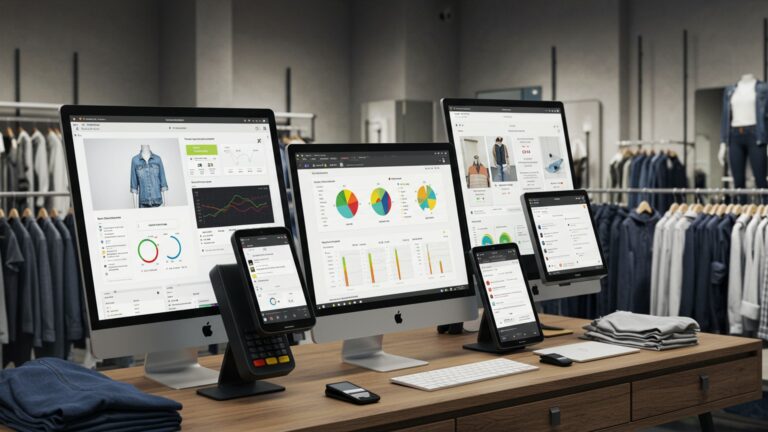
Access granular data on daily, weekly, monthly, or yearly sales, broken down by menu item, category, time of day, or server. Identify peak hours, best-selling dishes. slow movers.
grasp your labor costs in relation to sales. Identify periods of overstaffing or understaffing and adjust schedules accordingly to optimize profitability.
Pinpoint which dishes are most popular and profitable. which are lagging. This data can inform menu engineering decisions, allowing you to optimize pricing, ingredients. promotions.
examine purchase patterns, average spend. loyalty program engagement to refine marketing strategies and personalize offers.
Monitor voids and discounts to identify potential training issues, operational inefficiencies, or even suspicious activity, ensuring financial integrity.
Powerful POS software features for restaurants provide more than just numbers; they offer actionable insights that can guide everything from menu updates and marketing campaigns to staffing adjustments and overall business strategy. This data-driven approach is a hallmark of successful modern restaurants.
Key Considerations When Choosing POS Software
Selecting the right POS system is a critical decision that impacts every aspect of your restaurant’s operations. Here are key factors to consider:
- Scalability
- Integration Capabilities
- Ease of Use
- Reliability and Support
- Pricing Model
Does the system have the capacity to grow with your business? If you plan to expand, open new locations, or introduce new services (e. g. , catering), ensure your POS can adapt.
Can the POS integrate seamlessly with other essential tools like accounting software (e. g. , QuickBooks), third-party delivery platforms, reservation systems. payment processors? A unified ecosystem prevents data silos and redundant data entry.
An intuitive interface is crucial for staff adoption and minimizing training time. A complex system, no matter how feature-rich, will hinder efficiency.
Downtime can be catastrophic for a restaurant. Look for a system with a strong track record of reliability and excellent 24/7 customer support.
grasp the costs involved, including hardware, software subscriptions (monthly/annually), payment processing fees. support contracts.
When considering deployment, a comparison of on-premise versus cloud-based solutions is often helpful:
| Feature | On-Premise POS | Cloud-Based POS |
|---|---|---|
| Data Storage | Local servers at the restaurant | Remote servers (internet required) |
| Initial Cost | Higher (hardware, software license) | Lower (subscription-based) |
| Accessibility | Limited to local network | Anywhere with internet access |
| Maintenance & Updates | Managed by restaurant/local IT | Managed by vendor (automatic) |
| Security | Restaurant’s responsibility | Vendor’s responsibility (often robust) |
| Scalability | Requires hardware upgrades | Easily scales up/down with subscription |
The choice often depends on your specific operational needs, budget. comfort level with technology management. Cloud-based systems are generally favored for their flexibility, lower upfront costs. accessibility, especially for modern restaurant operations.
Conclusion
The journey to peak restaurant efficiency isn’t just about hard work; it’s about smart work, powered by your POS system. Truly leveraging its features means moving beyond basic order taking to embrace the full spectrum of operational enhancements. I’ve personally seen how integrating online ordering directly with the POS, for instance, dramatically reduces errors and speeds up service, especially during peak hours, transforming a bottleneck into a seamless experience. Consider how real-time inventory tracking, a often-underutilized feature, can prevent costly waste and ensure your popular menu items are always available, directly impacting your bottom line. My personal tip is to designate a “POS champion” in your team. This individual can explore advanced functionalities like detailed sales analytics or staff performance reports, often revealing unique insights into service flow or peak demand patterns. Don’t let your investment sit idle; push its capabilities. By consistently exploring new features and adapting them to current trends, such as dynamic pricing or loyalty programs, you’ll not only streamline operations but also unlock significant growth. Take that step today to truly master your restaurant’s potential. For more on the foundational benefits, consider exploring 7 Powerful Restaurant POS Software Benefits.
More Articles
How to Maximize Kitchen Efficiency Using POS Software and a KDS
Streamline Your Restaurant Operations with POS Software and Kitchen Display System
7 Essential Features Your Restaurant POS Software Must Have for Success
How to Choose the Best Restaurant POS System with Essential Functionalities
10 Surprising Ways Restaurant POS Software Boosts Your Business Profits

FAQs
My servers are always swamped. How can a POS help speed up order taking and table management?
A smart POS system makes order entry super fast, often allowing servers to use tablets right at the table. Orders go straight to the kitchen display or printer, cutting down on mistakes and getting food out quicker. It also gives you a real-time view of all your tables, so you know exactly what’s open, taken, or needs cleaning, making seating much more efficient.
Is there a way my POS can help me stop wasting food or running out of popular items?
Absolutely! Many POS systems come with integrated inventory management. Every time a dish sells, the system can automatically deduct the ingredients from your stock. This helps you track ingredient usage, identify waste. even set up alerts for when you’re running low, so you can reorder before you run out of key items.
What about payments? Can a POS make that process smoother for my customers?
Definitely. Modern POS systems offer a ton of flexible payment options, including mobile payments, chip cards. contactless methods. Servers can even process payments tableside with handheld devices, which means less waiting for customers and frees up your main terminal. Splitting bills also becomes a total breeze!
Beyond just daily operations, what insights can I get from my POS to actually grow my restaurant?
Your POS is a goldmine for data! It can generate detailed reports on your best-selling dishes, peak hours, server performance, average check size. even pinpoint ingredient costs. Analyzing this info helps you make smarter decisions about menu pricing, staffing levels, marketing promotions. overall business strategy to boost your bottom line.
Can a POS help me build a loyal customer base and encourage repeat visits?
Yes, many POS systems include built-in customer relationship management (CRM) and loyalty program features. You can easily collect customer contact info, track their purchase history. set up points-based rewards or special discounts. This personalizes their experience and gives them great reasons to keep coming back to your place.
Managing staff schedules and performance is tough. Can the POS lend a hand here?
It certainly can! Some POS systems offer robust employee management tools, including time clock functionality for accurate payroll, shift scheduling. even sales performance tracking for individual team members. This helps you optimize staffing levels, identify top performers. ensure everyone is paid correctly.
With so many people ordering online, how does a POS fit into that picture?
Many advanced POS systems seamlessly integrate with popular online ordering platforms and third-party delivery services. Orders placed online flow directly into your POS and kitchen display system, just like in-house orders. This eliminates manual entry, reduces errors. keeps your kitchen workflow consistent, whether it’s for dine-in, takeout, or delivery.