How to Choose the Best Restaurant POS Features for Your Business
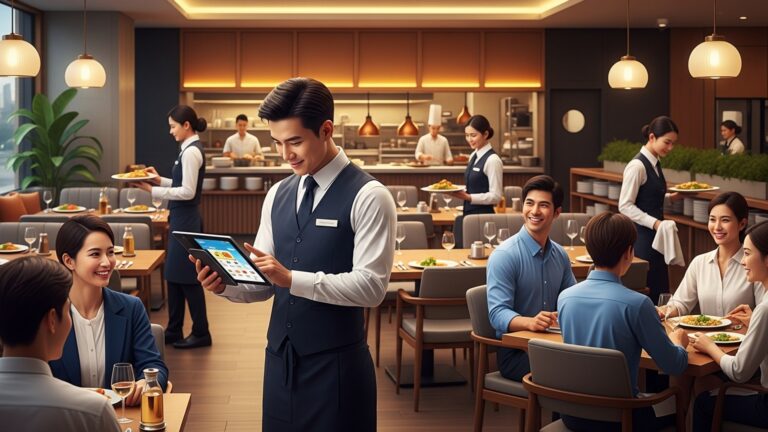
In today’s fast-paced restaurant industry, selecting the right POS features can be the difference between seamless operations and constant headaches. Modern restaurant POS systems offer more than just payment processing—they provide tools for inventory tracking, customer relationship management. advanced analytics to streamline decision-making. With the rise of online ordering and contactless payments, features like mobile integration, cloud-based systems. real-time reporting are becoming essential for adapting to evolving customer preferences. For example, incorporating tableside ordering not only enhances customer experience but also speeds up service during peak hours. Meanwhile, robust data security and compliance tools ensure your business stays protected in an increasingly digital world. As competition intensifies, choosing POS features tailored to your restaurant’s unique needs and future growth is no longer optional—it’s critical for staying ahead in a dynamic market.
Understanding the Basics of Restaurant POS Systems
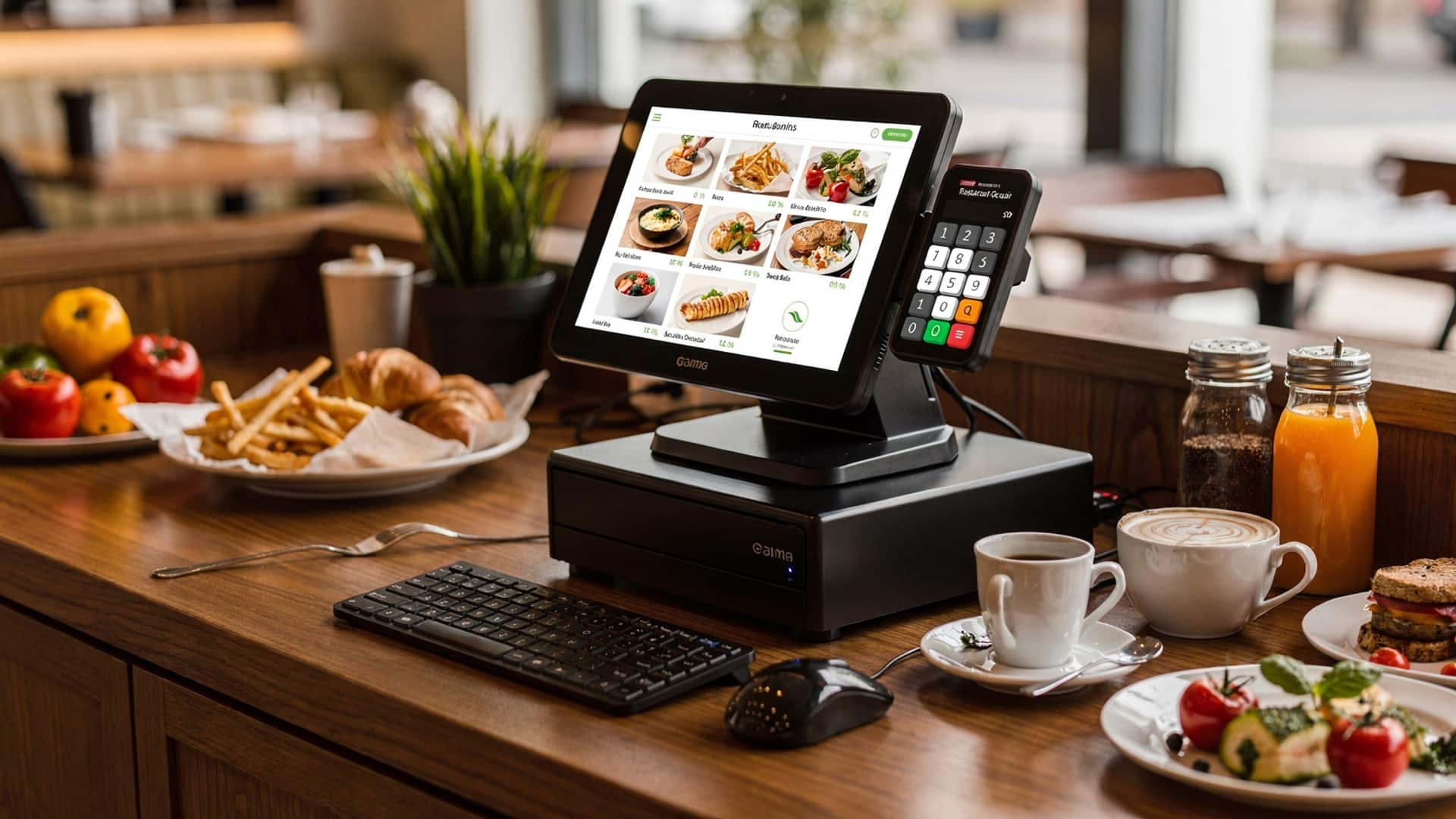
Restaurant POS (Point of Sale) systems are digital solutions that manage sales, inventory, staff scheduling. customer interactions in a restaurant setting. These systems go beyond traditional cash registers by integrating various tools that streamline operations and improve efficiency. A robust restaurant POS system should combine hardware like terminals and card readers with software that handles transactions, reporting. more.
Key Restaurant POS Features to Consider
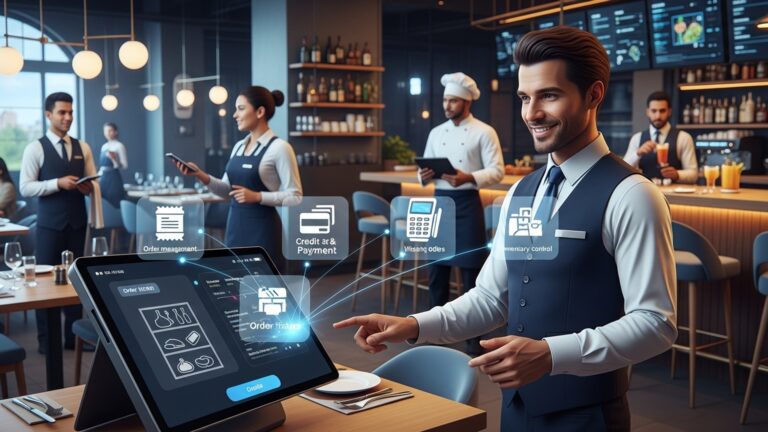
When selecting a restaurant POS system, it’s crucial to identify the features that align with your business needs. Below are some essential Restaurant POS features to evaluate:
- Order Management
- Inventory Tracking
- Payment Processing
- Table Management
- Reporting and Analytics
- Customer Loyalty Programs
- Employee Management
- Integration Capabilities
Look for a system that allows tableside ordering, online order integration. quick modifications. This is essential for reducing errors and streamlining how orders flow between the front and back of house.
A system that tracks stock levels in real-time helps prevent overordering and reduces waste. Advanced tools even allow you to set alerts for low stock or automatically order supplies.
Choose a POS that supports multiple payment methods, including credit cards, mobile payments. contactless options. This helps cater to diverse customer preferences.
For dine-in restaurants, a table management feature can optimize seating arrangements, track table occupancy. assist servers with efficient table assignments.
Comprehensive reporting features help you assess sales trends, employee performance. customer preferences to make data-driven decisions.
A POS with built-in loyalty program integration can increase customer retention by offering personalized discounts or rewards.
Tools for tracking hours, managing shifts. monitoring performance can streamline workforce management and improve productivity.
Look for a system that integrates seamlessly with other software, such as accounting tools, marketing platforms, or delivery services.
Cloud-Based vs. On-Premise POS Systems
Choosing the right deployment model for a restaurant POS system is another significant decision. Here’s a quick comparison of cloud-based and on-premise solutions:
| Feature | Cloud-Based POS | On-Premise POS |
|---|---|---|
| Accessibility | Accessible from anywhere with an internet connection. | Restricted to physical locations where the system is installed. |
| Cost | Lower upfront cost; typically subscription-based. | Higher upfront cost for hardware and software. |
| Updates | Automatic updates from the vendor. | Manual updates may be required, potentially incurring additional costs. |
| Data Backup | Data is stored securely in the cloud with automatic backups. | Requires manual backup processes, with potential for data loss. |
Scalability and Business Size
The size of your restaurant and its growth potential should dictate the type of POS system you select. For small independent restaurants or food trucks, a basic POS system with essential features like order and payment management may suffice. For larger operations such as multi-location restaurants or franchises, consider systems with robust reporting, employee management. multi-location capabilities.
Real-World Use Cases of Restaurant POS Features
- Improved Order Accuracy
- Enhanced Customer Retention
- Revenue Growth Through Insights
A pizza chain used a POS system with kitchen display screen (KDS) integration to ensure accurate order details reached the kitchen, slashing prep errors by 30%.
A café implemented a POS-integrated loyalty program, which resulted in a 20% increase in repeat customers within three months.
A fine dining establishment used the advanced analytics of their POS to identify their best-selling dishes, refining their menu and increasing sales by 15%.
How to Evaluate Restaurant POS Vendors
Once you’ve identified the essential Restaurant POS features, it’s time to evaluate vendors. Consider the following steps:
- Research Reviews and Ratings
- Request Demos
- Check for Customer Support
- Trial Periods
- Scalability
Look for customer feedback on platforms like G2, Capterra, or Trustpilot to assess user satisfaction.
Schedule product demonstrations to comprehend the interface, usability. feature set.
Ensure the vendor offers reliable support through multiple channels, including phone, email. live chat.
Opt for vendors offering a free trial so you can test the system in your specific operational environment.
Confirm whether the POS system can grow with your business, adding features or modules as needed.
Actionable Tips for Choosing the Right POS Features
To make the best choice, follow these actionable steps:
- Assess Your Needs
- Budget Wisely
- Prioritize Ease of Use
- Test Vendor Support
- Focus on Reliability
Create a list of must-have features based on your restaurant type, size. business goals.
Determine a budget that considers both upfront and ongoing costs like subscription fees or hardware expenses.
Select a user-friendly POS system to minimize training time for staff and reduce errors.
Contact the vendor with pre-sales inquiries to evaluate their responsiveness and expertise.
Read case studies or seek testimonials from other restaurant owners to gauge reliability.
Emerging Trends in Restaurant POS Features
The future of Restaurant POS features is evolving rapidly, incorporating new technologies to meet changing customer expectations:
- AI-Powered Insights
- Self-Service Kiosks
- Blockchain-Based Payments
- Contactless and Voice Payments
- Eco-Friendly Initiatives
Artificial intelligence is being used to deliver more precise sales forecasts and customer behavior analysis.
Many restaurants are adopting POS systems with kiosk integration, enabling customers to place orders independently.
POS systems are beginning to support cryptocurrency and blockchain for secure, transparent transactions.
As technology advances, expect to see more features supporting voice-activated payments and enhanced contactless options.
POS systems are incorporating digital receipt options and sustainable practices to reduce waste.
Conclusion
Choosing the best restaurant POS features can be transformative for your business. it requires a thoughtful approach. By prioritizing features like seamless integrations, intuitive interfaces. advanced analytics, you set the foundation for improved efficiency and profitability. For instance, investing in cloud-based POS technology—a growing trend in 2023—ensures your system stays agile and future-proof, enabling remote management and real-time updates. Similarly, integrating customer loyalty tools directly into your POS can help forge longer-lasting relationships, aligning with the modern diner’s expectations for personalized service. Reflecting on my own experience helping a local café navigate POS options, I’ve seen firsthand how crucial it is to test software against real-world scenarios. They discovered that while some systems boasted flashy features, only a few addressed their specific needs, like streamlining kitchen orders and managing peak hours effectively. Don’t shy away from involving your team in these decisions; their feedback reveals gaps that might otherwise go unnoticed. Remember, the right POS isn’t just a purchase—it’s an investment in your restaurant’s future. With careful research and a focus on scalability, you’ll be well-equipped to adapt to industry shifts while providing exceptional service. Start today, because every great dining experience begins with seamless operations.
More Articles
5 Ways Restaurant POS Software Can Improve Customer Experience
7 Common Mistakes to Avoid When Choosing Restaurant POS Software
How to Choose the Right POS Features for Your Restaurant
How to Master Restaurant POS with Table Management for Smoother Operations

FAQs
What are the key features to look for in a restaurant POS?
Look for features like inventory tracking, menu customization, table management, employee scheduling. reporting tools. These are essential for smooth operations.
How can a POS help with inventory management?
A good POS can track stock levels, alert you when items are running low. help reduce waste by showing sales trends.
Do I need online ordering and delivery integration?
If your restaurant offers delivery or takeout, a POS with online ordering and delivery integration can streamline operations and reduce errors.
Is mobile compatibility essential for a POS system?
Yes, mobile-friendly POS systems let you access data or manage tasks on the go, which can be especially useful for busy restaurant owners or managers.
What’s the benefit of having detailed reporting tools in a POS?
Reporting tools help you examine sales trends, employee performance. customer preferences, making it easier to improve and grow your business.
Can a POS system handle multiple payment methods?
Most modern POS systems support various payment options, including credit cards, mobile wallets. contactless payments, which enhance customer convenience.
How do I choose a POS that fits my restaurant size?
Consider your restaurant’s size and complexity. Smaller setups might only need basic features, while larger establishments benefit from advanced options like table-side ordering or reservations management.
Do I need a POS with customer loyalty programs?
If you want to retain customers and encourage repeat visits, a POS with built-in loyalty programs can be a great investment.