How Restaurant POS Software Can Boost Profits And Streamline Daily Operations
In today’s competitive culinary landscape, restaurants navigate razor-thin margins and dynamic operational challenges, making efficiency paramount. Modern restaurant POS software transforms these complexities into streamlined workflows and clear pathways to profitability. Far beyond basic transaction processing, advanced POS systems now integrate real-time inventory management, staff scheduling. robust sales analytics, providing invaluable insights into peak performance times and popular menu items. This sophisticated technology ensures order accuracy, minimizes waste. facilitates seamless customer experiences through features like contactless payments and online ordering integration, directly impacting customer satisfaction and increasing the bottom line.
Understanding the Core: What is Restaurant POS Software?
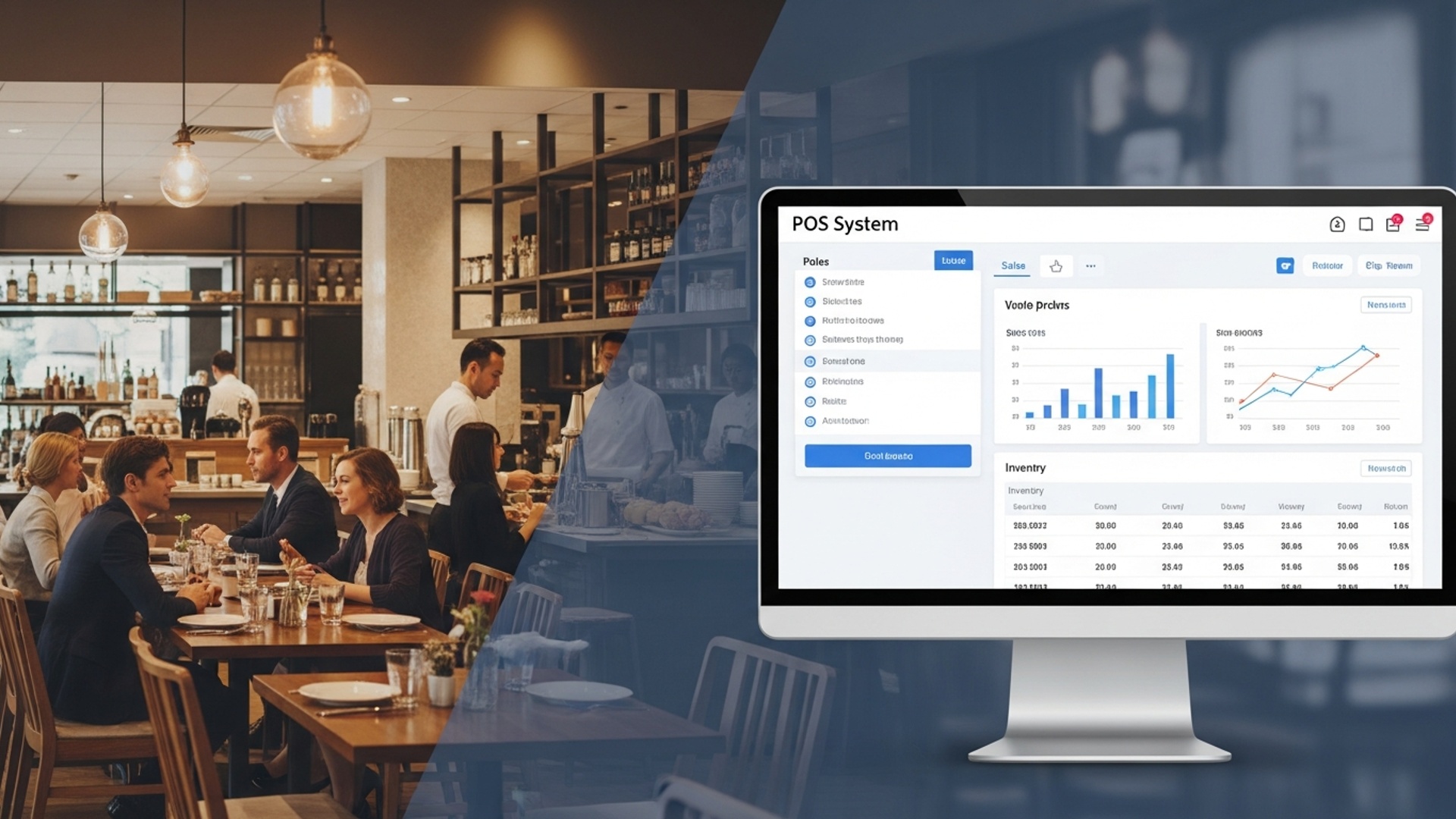
In the fast-paced world of food service, efficiency is paramount. At the heart of a modern, successful restaurant lies its Point of Sale (POS) system. Specifically, restaurant POS software is a comprehensive digital solution designed to manage all aspects of a restaurant’s operations, from taking orders and processing payments to tracking inventory and managing staff. Unlike a generic retail POS, restaurant-specific software is tailored to the unique demands of the food industry, handling complexities like table management, menu customizations, split checks. kitchen display systems (KDS).
Think of it as the central nervous system of your establishment, connecting the front-of-house (FOH) with the back-of-house (BOH) and providing real-time data insights. For any restaurateur looking to optimize their business, understanding the capabilities of a robust POS system is the first step towards unlocking significant operational improvements and profit boosts.
Streamlining Daily Operations: A Seamless Workflow
One of the most immediate benefits of implementing advanced restaurant POS software is the dramatic streamlining of daily operations. Manual processes, prone to human error and time-consuming, are replaced with automated, digital workflows.
- Order Management Efficiency
- Integrated Payment Processing
- Table Management and Reservations
- Employee Management
Servers can take orders tableside using handheld devices, sending them instantly to the kitchen or bar. This eliminates the need for handwritten tickets, reduces order errors. speeds up service. For example, a busy Friday night often sees long ticket times. With a digital system, a server can input a complex order – “Steak, medium-rare, no butter, side salad instead of fries, extra ranch” – and it appears accurately on the kitchen screen within seconds, minimizing miscommunications that historically led to wasted food or unhappy customers.
Modern POS systems offer diverse payment options, including EMV chip cards, contactless payments (NFC). mobile wallets. This not only enhances customer convenience but also improves transaction security. Servers can process payments tableside, reducing the time customers wait for their bill and change, thereby turning tables faster.
Advanced POS features often include sophisticated table management tools, allowing hosts to track table availability in real-time, manage waitlists. optimize seating arrangements. Integration with online reservation platforms means a unified view of your restaurant’s capacity, leading to better planning and reduced no-shows.
Many systems come with built-in time clock functionality, payroll integration. tip reporting. This simplifies scheduling, tracks employee hours accurately. ensures compliance, freeing up management time previously spent on administrative tasks.
Boosting Profitability: Beyond the Transaction
While streamlining operations is crucial, the ultimate goal for any business is increased profitability. Restaurant POS software is a powerful tool in achieving this, offering insights and capabilities that directly impact your bottom line.
- Inventory Management and Waste Reduction
- Detailed Reporting and Analytics
This is a game-changer for food costs. A good POS system tracks ingredients as they are used, providing real-time inventory levels. It can alert you when stock is low, track waste. even suggest reorder points. Consider a hypothetical case: “Chef Mike’s Bistro” reduced its monthly food waste by 15% after implementing a POS system that accurately tracked ingredient usage, identified popular dishes. highlighted ingredients nearing expiration, allowing them to adjust purchasing and menu specials accordingly. This direct reduction in waste translates immediately into higher profit margins.
This is where the true power of data comes in. POS systems generate comprehensive reports on sales trends, peak hours, popular menu items, server performance. more.
// Example of a simple sales report query often summarized by POS software SELECT item_name, SUM(quantity_sold) AS total_sold, SUM(total_price) AS total_revenue FROM sales_transactions WHERE transaction_date BETWEEN '2023-10-01' AND '2023-10-31' GROUP BY item_name ORDER BY total_revenue DESC;
By analyzing this data, owners can make informed decisions: optimize staffing during busy periods, adjust menu pricing, identify underperforming dishes to remove, or create promotions for less popular items. This analytical capability moves decision-making from guesswork to data-driven strategy.
Many POS systems integrate CRM functionalities, allowing restaurants to collect customer data (with consent). This can include purchase history, dietary preferences. contact details. This data enables personalized marketing campaigns, loyalty programs. targeted promotions, fostering repeat business and enhancing customer loyalty. Imagine sending a birthday discount to a loyal customer who frequently orders your signature pasta – that’s a direct path to increased sales.
With detailed sales data, you can effectively “engineer” your menu. This involves strategically placing high-profit, popular items, analyzing the profitability of each dish. adjusting descriptions or pricing to maximize revenue. For instance, if a dish has a high-profit margin but low sales, a POS report will highlight this, prompting you to promote it more effectively.
Key Features and Technologies in Modern Restaurant POS Software
The evolution of POS software has brought forth a suite of advanced features and underlying technologies that are crucial for modern restaurant operations. Understanding these components helps in selecting the right system for your establishment.
- Cloud-Based vs. On-Premise
- Cloud-Based POS
- On-Premise POS
- Hardware Components
- Touchscreen terminals (fixed or mobile tablets)
- Payment processors (card readers, NFC terminals)
- Receipt printers (thermal or impact)
- Cash drawers
- Kitchen Display Systems (KDS) for digital order management in the kitchen
- Barcode scanners (for inventory management)
- Integrations
- Online ordering platforms (e. g. , DoorDash, Uber Eats)
- Accounting software (e. g. , QuickBooks, Xero)
- Third-party delivery services
- Loyalty programs and gift card systems
- Employee scheduling software
Data is stored on remote servers and accessed via the internet. Benefits include lower upfront costs, automatic updates, remote access. enhanced data security through off-site backups. This model is highly scalable and flexible.
Software and data are stored on local servers within the restaurant. Offers greater control over data and can operate offline. requires significant upfront investment and dedicated IT support for maintenance and updates.
Beyond the software, a complete POS system includes various hardware components:
The true power of a modern POS often lies in its ability to integrate with other essential restaurant technologies:
This seamless data flow across different platforms minimizes manual data entry and ensures consistency across all operational touchpoints.
Comparison: Traditional POS vs. Modern Restaurant POS Software
To highlight the advancements, let’s compare a basic, older POS system with the capabilities of modern restaurant POS software:
| Feature | Traditional POS (Legacy) | Modern Restaurant POS Software |
|---|---|---|
| Deployment | On-premise, often proprietary hardware | Cloud-based (predominantly), flexible hardware |
| Order Entry | Fixed terminals, manual input, printed tickets | Tablets/handhelds, customizable menus, instant KDS integration |
| Payment Processing | Limited to magnetic stripe, separate terminals | Integrated EMV, NFC, mobile payments, tableside processing |
| Inventory | Basic stock tracking, often manual updates | Real-time tracking, recipe management, waste tracking, vendor management |
| Reporting | Basic sales summaries, end-of-day reports | Detailed analytics, customizable dashboards, real-time insights, remote access |
| Integrations | Minimal to none, siloed operations | Extensive APIs for online ordering, accounting, CRM, payroll |
| Updates/Maintenance | Manual, costly, requires IT support | Automatic cloud updates, minimal IT intervention |
| Scalability | Difficult and expensive to expand | Highly scalable, easy to add terminals or locations |
Actionable Takeaways for Restaurateurs
For those considering or looking to maximize their restaurant POS software, here are some actionable steps:
- Assess Your Needs
- Prioritize Integrations
- Focus on Training
- Utilize Reporting
- Embrace Mobile
Before investing, conduct a thorough assessment of your restaurant’s specific pain points and operational requirements. Do you need robust inventory for a multi-location chain, or a simpler system for a single cafe?
Look for a system that seamlessly integrates with your existing or planned third-party tools (online ordering, accounting, loyalty programs). This will create a unified ecosystem, reducing manual errors and improving data accuracy.
A powerful POS system is only as effective as the staff using it. Invest in comprehensive training for all employees – FOH and BOH – to ensure they can leverage its features fully. Many vendors offer training resources or webinars.
Don’t just collect data; examine it. Regularly review sales reports, inventory usage. employee performance metrics. Use these insights to make data-driven decisions on menu changes, staffing levels. marketing strategies.
Handheld POS devices empower servers to deliver faster, more accurate service, directly impacting customer satisfaction and table turnover. Explore options for tableside ordering and payment.
By strategically implementing and fully utilizing modern restaurant POS software, owners and managers can transform their operations, reduce costs, enhance the customer experience. ultimately, drive significant growth and profitability.
Conclusion
Embracing modern restaurant POS software isn’t merely an upgrade; it’s a strategic imperative for sustained profitability and operational fluidity. From optimizing table turns with precise reservation management, as seen in bustling urban eateries, to minimizing food waste through real-time inventory tracking, the impact is tangible. My personal tip for restaurateurs is to not just implement. to truly leverage its analytics. Understanding your peak hours, best-selling items. even staff performance through the data offers unparalleled insight, transforming guesswork into informed decisions. This proactive approach, coupled with seamless integrations for online ordering and loyalty programs, equips your establishment to not only meet but exceed customer expectations in the current digital-first dining landscape. Step forward with confidence, knowing your operations are not just streamlined. intelligently optimized for remarkable growth.
More Articles
Streamline Operations 6 Key Benefits of Restaurant POS Software for Owners
How to Optimize Restaurant Table Management with a Modern POS System
How Does Restaurant POS Software Improve Customer Experience 5 Ways
Discover Seven Ways Restaurant POS Software Boosts Your Business Profits
Optimize Your Operations Five Essential Tips for Using Restaurant POS Software Effectively

FAQs
How does POS software actually help my restaurant make more money?
Restaurant POS software boosts profits by speeding up order taking, reducing errors. managing inventory to prevent waste. It also helps identify popular dishes and can support loyalty programs, all of which contribute to increased sales and lower operational costs.
What does ‘streamlining daily operations’ really mean with a POS system?
It means making your day-to-day tasks much smoother and more efficient. This includes things like faster table turns, automatic order routing to the kitchen, easier staff management, quick payment processing. simplified end-of-day reporting. Essentially, it helps your restaurant run like a well-oiled machine.
Can a POS system help me manage my inventory better and cut down on waste?
Absolutely! Modern POS systems track ingredients as they’re used, alert you when stock is low. help you identify what’s selling (and what’s not). This precision helps you order smarter, reduce spoilage. save a significant amount on food costs.
How can POS software improve the customer experience in my restaurant?
It allows staff to take orders quickly and accurately, split bills easily. process payments faster. Some systems even remember customer preferences or offer loyalty rewards, making each visit smoother and more personalized, which encourages repeat business.
Is it difficult for my staff to learn and use this kind of system?
Most modern restaurant POS systems are designed to be very intuitive and user-friendly, often with touch-screen interfaces similar to a smartphone. Training usually takes minimal time, allowing your team to get up to speed quickly and focus on serving customers rather than wrestling with technology.
What kind of reports or insights can I get from a POS system to help my business?
You can get a ton of valuable data, like sales trends by hour, day, or item, labor cost analysis, peak performance times. even server performance. These insights are crucial for making smart, data-driven decisions about staffing, menu changes, marketing strategies. overall business growth.
Does a POS system help with order accuracy and communication between front and back of house?
Yes, significantly. Orders are digitally sent directly to the kitchen display system or printers, eliminating handwriting errors and misunderstandings. This ensures the kitchen gets precise orders every time, reducing mistakes and improving food delivery times, leading to happier customers and less food waste.