5 Best Practices for Using Restaurant POS Software to Maximize Profits
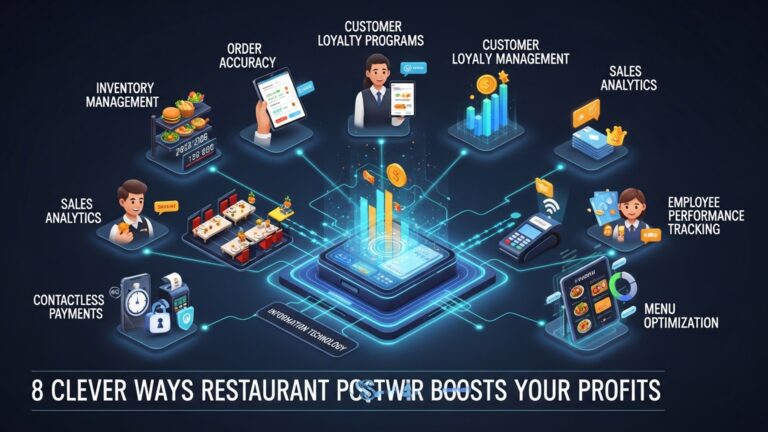
In today’s restaurant industry, harnessing the power of advanced POS software is no longer optional—it’s essential for maximizing profits and staying competitive. Modern restaurant POS systems have evolved far beyond simple payment processing, offering tools like real-time sales analytics, streamlined inventory tracking. automated customer loyalty programs. For example, adopting cloud-based POS technology allows restaurants to access data from anywhere, enabling quick adjustments to menu pricing based on demand trends. Also, integrations with AI-driven forecasting tools can help optimize staffing, reducing unnecessary labor costs during slow periods. As consumer expectations grow, features such as mobile ordering and touchless payment options align with the shift toward convenience and sustainability, enhancing customer satisfaction while driving revenue. By leveraging these innovations thoughtfully, restaurants can reduce operational inefficiencies, make data-driven decisions. create tailored experiences that keep customers coming back, transforming their POS systems into powerful engines for profitability and growth.
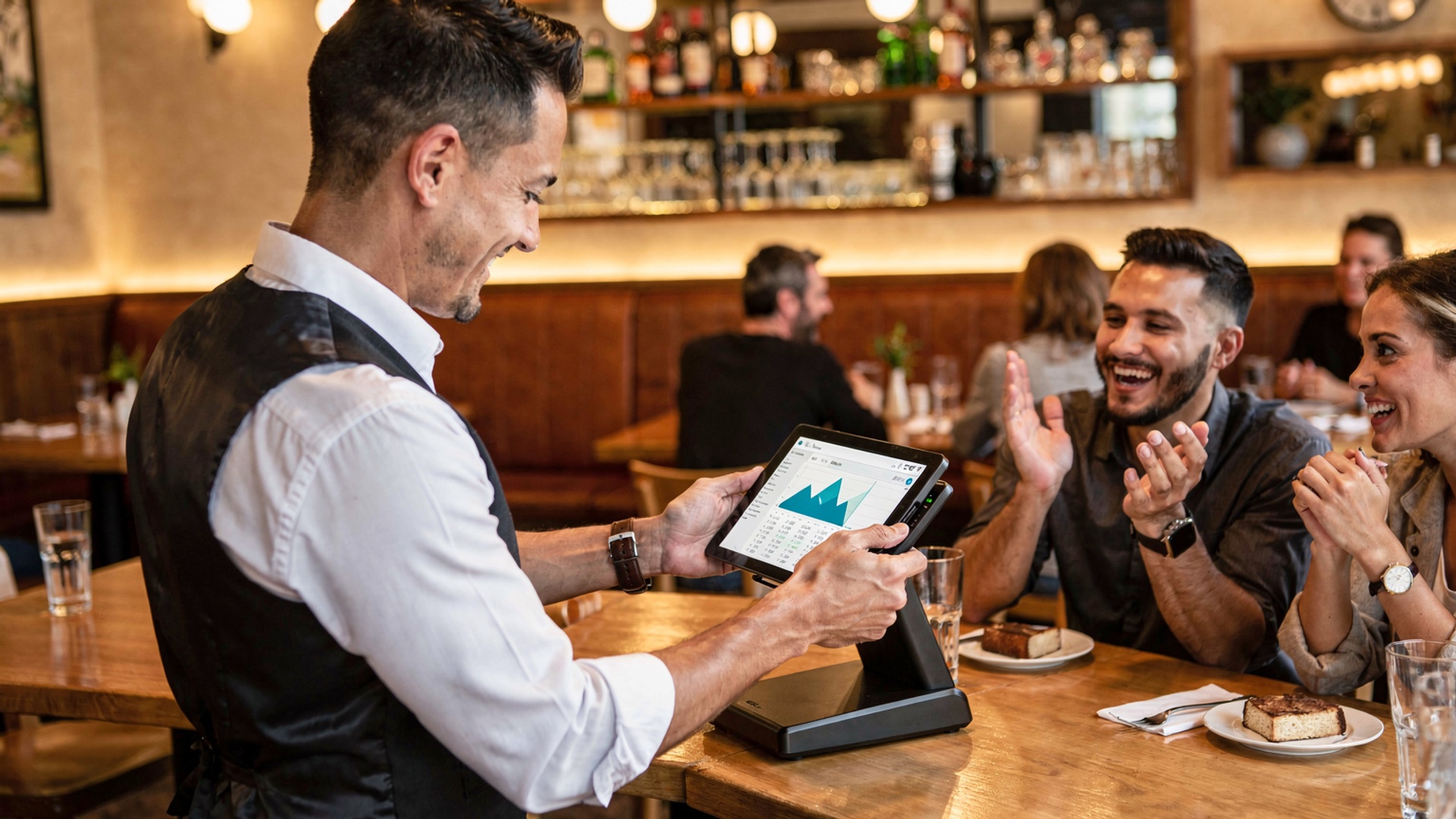
comprehend the Core Features of Restaurant POS Software
- Order Management
- Inventory Tracking
- Sales Analytics
- Customer Relationship Management (CRM)
- Payment Processing
A restaurant POS software streamlines order processing, ensuring accurate tracking and efficient communication between front-of-house and kitchen staff.
Features like real-time inventory monitoring help reduce waste, prevent stockouts. optimize stock replenishment.
Access to comprehensive sales reports aids in identifying popular menu items, peak hours. profit margins.
A robust POS system includes CRM tools to collect customer data, track preferences. implement loyalty programs.
Efficient payment integration supports multiple payment methods, reducing checkout times and enhancing customer satisfaction.
Train Staff Thoroughly on Using the POS System
- Onboarding Sessions
- User Manuals and Tutorials
- Continuous Learning
- Role-Based Access
Provide hands-on training sessions to familiarize staff with the software’s functionality, including order placement, payment processing. troubleshooting.
Share detailed user guides and video tutorials for staff to reference when needed.
Encourage ongoing training to teach employees about system updates, advanced features. best practices.
Customize access levels within the POS system to ensure that staff only interact with relevant features, avoiding unnecessary complexity.
Utilize Sales Reporting to Drive Data-Driven Decisions
- Track Performance Metrics
- Identify Best Sellers
- examine Customer Behavior
- Optimize Pricing Strategies
- Minimize Overhead Costs
Use restaurant POS software to monitor sales trends, labor costs. menu performance.
Pinpoint profitable menu items and focus marketing efforts to promote them further.
Segment customer data to interpret preferences and design personalized promotions.
Use profitability insights to adjust pricing and maximize profit margins.
Evaluate operational expenses such as staffing during off-peak hours to reduce unnecessary spending.
Leverage Integration Features for Seamless Operations
- Accounting Software Integration
- Online Ordering Platforms
- Third-Party Payment Gateways
- Inventory Management Tools
- Marketing Automation
Connect your POS system with accounting platforms like QuickBooks for streamlined financial management.
Integrate with delivery services or online ordering systems to expand sales channels and improve customer convenience.
Support diverse payment options through integration with gateways like PayPal or Stripe.
Sync with inventory software to maintain real-time stock data and automate reordering processes.
Use CRM features integrated with email or SMS marketing platforms to run targeted campaigns.
Optimize the System for Speed and Efficiency
- Regular Updates
- Hardware Compatibility
- Menu Customization
- Enable Offline Mode
- Automated Workflows
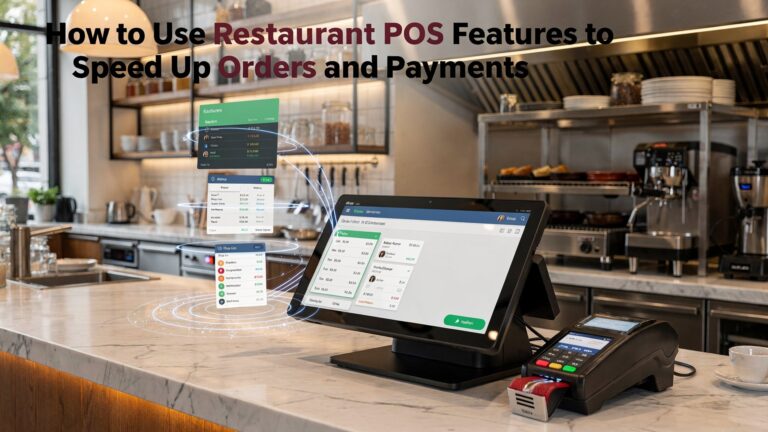
Ensure your restaurant POS software is updated frequently to avoid bugs and enhance performance.
Invest in compatible hardware, such as tablets or receipt printers, to avoid delays and glitches.
Organize the menu interface for quick navigation and faster order entry.
Choose a POS system with offline capabilities to ensure uninterrupted service during internet outages.
Set up shortcuts, automatic prompts, or alerts to streamline repetitive tasks like inventory updates or loyalty point tracking.
Conclusion
Maximizing profits with restaurant POS software isn’t just about using the technology — it’s about using it wisely. By implementing the five best practices outlined, you can transform your POS system into a profit-driving powerhouse. Leveraging real-time reporting to spot trends and improve menu performance ensures that your decisions are backed by data, not guesswork. Streamlining operations with features like table management and kitchen display systems not only cuts delays but also enhances the customer experience, a vital factor in today’s competitive market. One personal tip is to revisit and reassess your POS settings quarterly. For example, a restaurant I worked with added a loyalty feature after noticing its competitors gaining traction through repeat customers. Within weeks, their retention rate shot up. Staying proactive and adaptable ensures your POS system evolves with industry trends, like integrating mobile payment options, which have seen a surge in adoption post-2020. Ultimately, technology alone doesn’t drive success — your commitment to using it strategically does. Keep innovating, listening to your data. aligning your software with your goals. The effort you invest today will pay off in higher efficiency, happier customers. growing profits tomorrow.
More Articles
5 Common Mistakes to Avoid When Choosing Restaurant POS Software 5 Ways Restaurant POS Software Can Improve Customer Experience How to Choose the Right Restaurant POS with Table Management Features How to Set Up a POS Software with Kitchen Display System for Better Efficiency

FAQs
What is a Restaurant POS software?
A Restaurant POS (Point of Sale) software is a system used by restaurants to manage orders, track sales, handle payments. streamline operations.
How can POS software help with maximizing profits?
POS software helps maximize profits by improving efficiency, reducing errors, analyzing sales data, optimizing inventory. enhancing customer service.
Why should I train my staff on the POS system?
Training staff ensures they can use the system effectively, which minimizes mistakes, speeds up service. makes operations smoother, benefiting your profit margins.
What’s the role of data analysis in POS systems?
Data analysis in POS systems provides insights on customer preferences, top-selling items. peak hours, helping you make informed decisions to increase profitability.
Can a POS system help with inventory tracking?
Yes, a good POS system can track inventory levels, notify you about low stock. reduce waste by ensuring you’re not over-ordering.
How does a POS system impact customer experience?
It speeds up transactions, supports loyalty programs. ensures accurate orders, creating a smoother and more enjoyable dining experience for customers.
What are some best practices for using a POS system effectively?
Best practices include regular software updates, staff training, analyzing sales reports, using inventory management features. customizing the system to fit your restaurant’s needs.