7 Essential Ways Restaurant POS Software Can Skyrocket Your Business Success
- restaurant POS software
- restaurant POS software
Streamlining Operations with Advanced Order Management
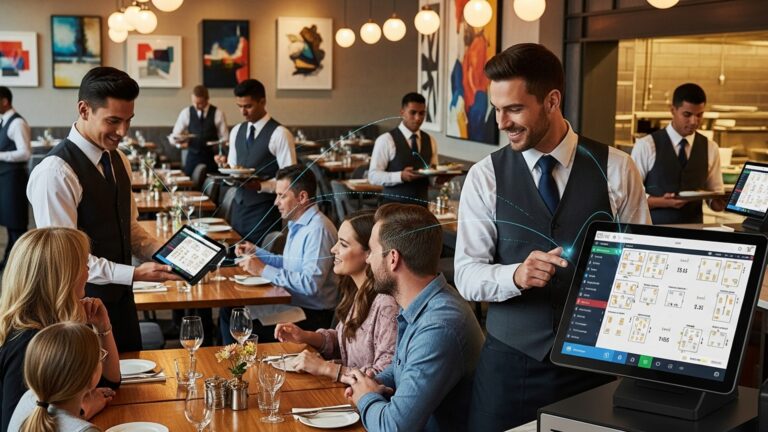
In today’s fast-paced culinary world, efficiency is paramount. A modern Restaurant POS software serves as the central nervous system for any dining establishment, fundamentally transforming how orders are managed from the moment a customer steps in or places an online request. This sophisticated point-of-sale system isn’t just about ringing up sales; it’s about creating a frictionless flow from front-of-house to back-of-house. One of the most significant advantages is the integration of digital order taking. Servers can use handheld devices to input orders directly at the table, which are then instantly relayed to the kitchen display system (KDS) or bar. This eliminates the need for handwritten tickets, reducing errors and speeding up service. Imagine a busy Friday night: instead of a server running back and forth, they can process multiple orders efficiently, allowing them to focus more on guest interaction. This real-time communication drastically cuts down on order inaccuracies, food waste from incorrect preparations. wait times, directly contributing to a smoother operational workflow and improved customer satisfaction. The system also provides robust table management features, allowing staff to track table status, split checks effortlessly. manage reservations, all from a centralized interface. For establishments with online ordering or delivery services, the POS solution seamlessly integrates these channels, consolidating all orders into one stream for the kitchen, preventing missed orders and ensuring consistent service quality across all platforms.
Robust Inventory Control & Waste Reduction
Managing inventory is one of the most challenging aspects of running a restaurant, directly impacting profitability. Advanced restaurant POS software provides powerful inventory management tools that can significantly reduce waste and optimize purchasing. This isn’t just about counting what’s in the fridge; it’s about intelligent tracking and forecasting. With a sophisticated point-of-sale system, you can track ingredients down to the gram or ounce, linking them directly to menu items. When a dish is sold, the system automatically deducts the necessary components from your inventory. This real-time tracking gives you an accurate picture of your stock levels at any given moment, preventing stockouts of popular items and over-ordering of slow-moving ingredients. For example, a restaurant manager can see exactly how many pounds of prime steak were used in the last week and how much is currently on hand, allowing for precise reordering. Moreover, many POS solutions offer recipe management, breaking down each dish into its raw ingredients and associated costs. This helps in understanding actual food costs, enabling smarter menu pricing and identifying areas where waste might be occurring. By integrating with vendors, the system can even automate purchase orders when stock levels hit predefined minimums, streamlining the entire supply chain. This level of detail and automation translates into significant cost savings, reduced spoilage. a healthier bottom line.
Enhanced Customer Experience & Loyalty
In the competitive restaurant industry, retaining customers is just as crucial as attracting new ones. Modern POS solutions are equipped with customer relationship management (CRM) features that can elevate the dining experience and foster lasting loyalty. These tools move beyond transactional interactions, enabling personalized engagement. Through the POS system, you can capture valuable customer data such as order history, dietary preferences. even special occasions like birthdays. This details allows staff to offer a highly personalized service experience. Imagine a server greeting a returning guest by name and asking if they’d like “the usual” — this level of recognition creates a memorable connection.
Here’s how a POS system can build loyalty:
- Personalized Offers
- Loyalty Programs
- Faster Service
- Feedback Integration
Based on purchase history, the system can automatically suggest discounts or promotions on favorite items.
Easily set up and manage points-based rewards, tiered memberships, or punch card systems, encouraging repeat business.
Accurate order taking and seamless payment processing contribute to a quicker, more pleasant experience.
Some systems allow for direct customer feedback, enabling businesses to address issues promptly and improve service.
By leveraging these CRM capabilities, restaurants can transform one-time visitors into loyal patrons who not only return frequently but also become advocates for your brand, contributing to sustainable growth.
Harnessing Data with Advanced Restaurant POS Software for Business Analytics
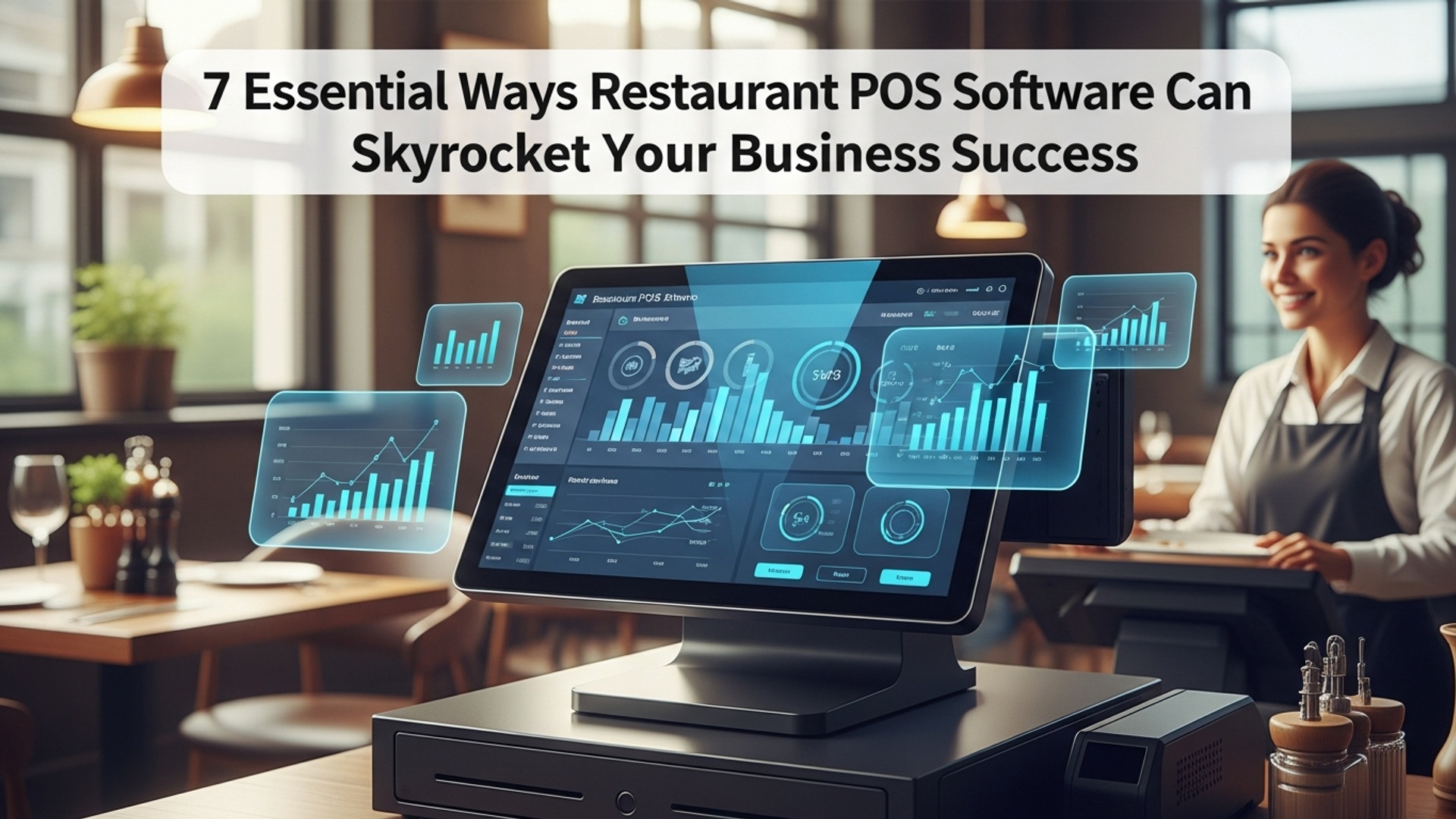
One of the most transformative aspects of modern Restaurant POS software is its ability to collect and review vast amounts of operational data, turning raw numbers into actionable business intelligence. This goes far beyond simple sales figures, offering deep insights into every facet of your establishment. A robust POS system provides comprehensive reporting and analytics tools that allow owners and managers to interpret sales trends, peak hours, popular menu items. even staff performance. For instance, you can easily pull reports to identify which dishes are your best sellers and which are underperforming, informing menu engineering decisions. You might discover that a particular appetizer consistently sells well during lunch but not dinner, prompting a re-evaluation of its placement or promotion.
Consider the following examples of data points a POS system can illuminate:
- Sales Performance
- Menu Item Profitability
- Peak Hour Analysis
- Void and Discount Tracking
Daily, weekly, monthly. yearly sales, broken down by hour, server, or menu category.
Detailed analysis of gross profit margins for each dish, considering ingredient costs.
Identifying your busiest times to optimize staffing levels and kitchen efficiency.
Monitoring these metrics can help pinpoint potential training needs or prevent loss.
This data empowers restaurant owners to make informed, strategic decisions, moving away from guesswork. By understanding customer preferences, staff efficiency. operational bottlenecks through concrete data, businesses can fine-tune their strategies, leading to increased profitability and operational excellence.
Optimized Staff Management & Productivity
Your staff are the backbone of your restaurant. effective management is crucial for seamless operations and customer satisfaction. Modern restaurant POS software offers integrated tools designed to streamline staff management, enhance productivity. reduce administrative burdens. Key features often include a built-in time clock function, allowing employees to clock in and out directly through the POS terminal. This eliminates manual time cards, reduces payroll errors. ensures accurate tracking of hours worked. Moreover, many systems integrate with or offer robust employee scheduling modules. Managers can create and distribute schedules, manage shift swaps. track labor costs against sales forecasts to ensure optimal staffing levels at all times. This can be particularly useful during fluctuating business hours, ensuring you’re never overstaffed during slow periods or understaffed during rushes.
For example, consider a manager trying to balance labor costs with customer demand. A POS system can provide real-time data on sales trends:
// Example pseudo-code for a POS labor cost analysis
function analyzeLaborCost(salesData, employeeHours) { let totalSales = salesData. sum(); let totalLaborCost = 0; for (let employee of employeeHours) { totalLaborCost += employee. hours employee. hourlyRate; } return (totalLaborCost / totalSales) 100; // Labor cost as percentage of sales
}
Beyond time and attendance, these systems can also track individual server performance, average check sizes. even tip distribution, ensuring fairness and transparency among staff. This not only boosts employee morale but also provides valuable insights for performance reviews and training opportunities, ultimately leading to a more efficient and motivated team.
Seamless Payment Processing & Security
In an era of diverse payment options and heightened security concerns, a restaurant’s ability to process transactions efficiently and securely is non-negotiable. Modern restaurant POS software is at the forefront of providing seamless and secure payment solutions, catering to every customer preference. Gone are the days of cash-only or magnetic stripe cards. Today’s point-of-sale systems support a wide array of payment methods, including EMV chip cards, contactless payments (like Apple Pay and Google Pay). mobile wallet transactions. Many also integrate with online payment gateways for seamless processing of delivery and pickup orders. This flexibility enhances the customer experience by offering convenience and speed. Crucially, security is built into these systems. Adherence to Payment Card Industry Data Security Standard (PCI DSS) compliance is standard, ensuring that sensitive customer financial data is protected. Encryption technologies safeguard transactions from end-to-end, minimizing the risk of data breaches and fraud. For businesses, this means peace of mind and protection against costly liabilities. For customers, it means trust and confidence in their transactions.
Here’s a quick comparison of payment methods:
| Payment Method | Advantages | Security Features |
|---|---|---|
| EMV Chip Cards | High security, global standard, reduced fraud liability. | Dynamic data for each transaction, difficult to counterfeit. |
| Contactless (NFC) | Fast, convenient, hygienic, secure tokenization. | Encrypted data, unique transaction codes. |
| Mobile Wallets | Extremely convenient, often linked to loyalty programs. | Biometric authentication, tokenization. |
| Online Payments | 24/7 ordering, broad customer reach. | SSL encryption, secure payment gateways. |
By investing in a POS system with robust payment processing and security features, restaurants can protect their business and provide a smooth, trustworthy checkout experience for every customer.
Multi-Location Management & Scalability
For ambitious restaurateurs looking to expand, the ability to manage multiple locations efficiently is critical. A sophisticated restaurant POS software is designed with scalability in mind, providing a centralized platform that simplifies the complexities of multi-unit operations. Cloud-based POS solutions are particularly beneficial here. They allow owners and managers to oversee all aspects of their business, from sales data and inventory levels to staff schedules, across every location from a single dashboard. This means you can be at Location A and instantly check the inventory of Location B, or examine sales performance across your entire brand portfolio. This centralized control ensures consistency in pricing, menu offerings. operational standards, which is vital for maintaining brand integrity as you grow.
Consider the practical applications:
- Centralized Menu Management
- Consolidated Reporting
- Shared Customer Database
- Streamlined Inventory Transfers
Update menu items, prices. promotions across all locations simultaneously, saving time and ensuring uniformity.
Generate aggregate reports for your entire enterprise, as well as individual reports for each location, providing a holistic view of performance.
Allow customers to earn and redeem loyalty points at any of your establishments, enhancing their experience and driving repeat visits across your brand.
Easily track and manage ingredient transfers between locations, optimizing stock levels and reducing waste.
This capability dramatically reduces the administrative burden associated with growth, empowering businesses to expand without compromising on operational efficiency or customer experience. A scalable POS system isn’t just a tool for today; it’s a strategic asset for tomorrow’s expansion.
Conclusion
Having delved into the seven essential facets, it becomes unequivocally clear that modern restaurant POS software transcends mere transaction processing; it’s a strategic linchpin for growth. Think of it as the central nervous system for your establishment, orchestrating everything from swift order taking to intricate inventory management and insightful sales analytics. My own observations in the industry confirm that businesses truly leveraging these capabilities, like those in bustling Chennai, aren’t just surviving—they’re thriving by understanding their operational pulse in real-time. My personal tip? Don’t just implement; empower your team to fully utilize its reporting features. A recent trend I’ve noticed is restaurants using POS data to predict peak hours for staffing or even personalize promotions based on customer preferences, turning raw data into tangible revenue. It’s about moving beyond basic sales reports to truly understanding your customers and optimizing every aspect of your service. Make the deliberate choice to embrace this technology not as an expense. as an investment that will undoubtedly elevate your operations, delight your patrons. secure your competitive edge in the dynamic culinary landscape.
More Articles
5 Ways Restaurant POS Systems Boost Your Business Profitability
How To Choose The Best Restaurant POS Software For Your Business
7 Essential Features Your Restaurant POS System Must Have
10 Smart Ways Restaurant POS Software Can Cut Your Operating Costs
How 10 Best POS Systems Enhance Customer Service in Chennai Eateries

FAQs
How does restaurant POS software actually help my business grow?
Restaurant POS software is a game-changer because it streamlines operations from taking orders to managing inventory and processing payments. By automating these tasks, it frees up your staff, reduces errors. gives you valuable data to make smarter decisions, ultimately leading to better efficiency and increased profits.
Can POS software really speed up service during busy times?
Absolutely! Modern POS systems allow staff to take orders quickly and accurately, often wirelessly at the table, sending them directly to the kitchen. This cuts down on manual order entry, reduces wait times. ensures your customers get their food faster, especially when the restaurant is packed.
How does it help with keeping track of ingredients and avoiding waste?
A good POS system includes robust inventory management features. It tracks every ingredient used, from individual menu items sold to supplies received. This real-time data helps you monitor stock levels, identify popular items, minimize spoilage. make informed purchasing decisions, significantly reducing food waste and costs.
What kind of insights can I get from the reports?
The reporting features are incredibly powerful. You can get detailed breakdowns of sales by item, server, time of day. even profit margins. It also helps track labor costs, identify peak hours. comprehend customer preferences, providing you with the data needed to optimize your menu, staffing. marketing efforts.
Does it make it easier for my customers?
Definitely! POS software enhances the customer experience in several ways. Faster order processing, accurate billing. convenient payment options (including mobile and contactless) all contribute to a smoother dining experience. Some systems even support loyalty programs or online ordering, making it easier for customers to engage with your restaurant.
My staff sometimes makes mistakes with orders; can POS help with that?
Yes, it’s a big help! By digitizing the ordering process, POS systems drastically reduce human error. Orders are clearly entered, sent directly to the kitchen without handwriting interpretation issues. often allow for easy modifications. This means fewer incorrect dishes, happier customers. less food waste from remakes.
How can POS software directly impact my restaurant’s bottom line and revenue?
It boosts your bottom line by improving efficiency, reducing waste through better inventory. speeding up service to handle more customers. Crucially, its reporting helps you identify your most profitable items, upsell opportunities. areas for cost reduction. All these factors combined contribute to higher sales and increased revenue for your business.