7 Essential Ways Restaurant POS Software Boosts Your Daily Business Profits
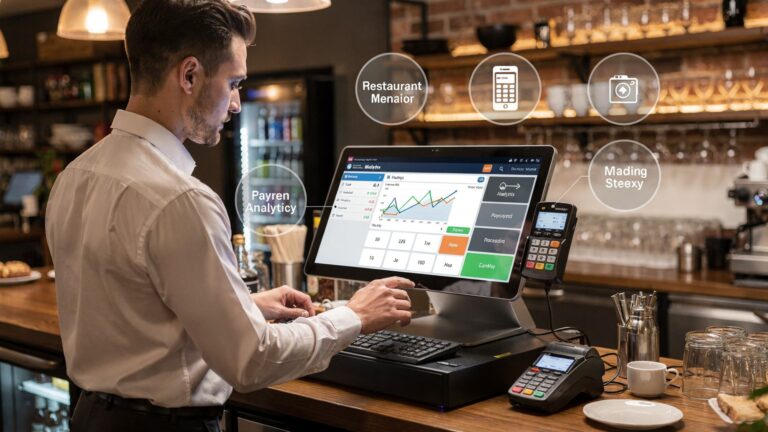
In today’s competitive culinary landscape, merely serving great food isn’t enough; operational efficiency and robust profit margins are paramount. Savvy restaurateurs interpret that integrating powerful restaurant POS software is no longer a luxury but a fundamental necessity for sustained growth. This advanced platform transcends basic transaction processing, transforming daily operations by providing real-time data insights into sales trends, optimizing inventory management to minimize waste. streamlining order workflows for unparalleled speed and accuracy. Modern POS solutions empower businesses to make data-driven decisions, enhance customer experiences through personalized service. ultimately unlock significant untapped revenue potential by identifying key areas for cost reduction and increased throughput.
Enhanced Order Accuracy and Speed
One of the most immediate and impactful ways restaurant POS software contributes to daily business profits is by drastically improving order accuracy and service speed. Traditional manual order taking is prone to human error – misheard items, forgotten modifications, or illegible handwriting can lead to incorrect orders, food waste. disgruntled customers. A modern point-of-sale system virtually eliminates these issues.
- Digital Order Entry
Servers input orders directly into the POS device (tablet, terminal), which then digitally transmits them to the kitchen display system (KDS) or printer. This ensures every item, modification. special request is accurately communicated.
// Example of a simplified order entry process function processOrder(item, quantity, modifications) { console. log(`Order received: ${quantity}x ${item}`); if (modifications. length > 0) { console. log(`Modifications: ${modifications. join(', ')}`); } // Logic to send order to KDS/printer sendToKitchen(item, quantity, modifications); }
Digital transmission is instantaneous, cutting down the time it takes for an order to reach the kitchen. This means guests receive their food quicker, tables turn over faster. more customers can be served during peak hours, directly translating to increased revenue.
Fewer errors mean less food being remade or offered as a complimentary item to placate an unhappy customer. This directly impacts your food cost percentage, boosting your profit margins on every dish.
Optimized Inventory Management for Cost Savings
Effective inventory management is critical for any restaurant’s profitability. advanced restaurant POS software makes it exceptionally efficient. Poor inventory control leads to significant waste through spoilage, over-ordering, or even theft. A robust POS system provides the tools to manage your stock with precision.
- Real-time Stock Tracking
- Automated Reordering
- Waste Reduction
- Supplier Management
Every time an ingredient is used in a dish sold through the POS, the system automatically deducts it from your inventory count. This gives you an accurate, up-to-the-minute view of what you have on hand.
Set par levels for key ingredients. your POS can alert you when stock is low or even automatically generate purchase orders. This prevents stockouts of popular items and avoids over-ordering perishable goods that might spoil.
By accurately tracking usage and predicting demand based on sales data, the system helps minimize food waste, a major drain on restaurant profits. For example, if your POS data shows a particular dish isn’t selling well, you can adjust your ingredient orders accordingly.
Many systems allow you to integrate with suppliers, streamlining the ordering process and potentially negotiating better prices based on accurate usage data.
Streamlined Staff Operations and Efficiency
Labor costs are a significant expense for restaurants. By streamlining staff operations, restaurant POS software helps maximize employee productivity and can even reduce overall labor expenditure without compromising service quality.
- Simplified Order Taking
- Faster Payment Processing
- Table Management
- Time and Attendance Tracking
Intuitive interfaces and visual menus on the POS make it easier for new staff to learn the ropes and experienced staff to take orders more quickly and accurately. This reduces training time and errors.
Integrated payment processing allows servers to take payments tableside or at the counter swiftly. This cuts down on wait times for customers and frees up staff to serve more tables or attend to other duties. Options like EMV chip readers and contactless payments also enhance security and customer convenience.
Advanced POS systems include features for table management, allowing hosts and servers to see table status (occupied, clean, waiting for food) at a glance, optimizing seating arrangements and expediting service.
Many POS systems integrate with employee time clocks, automating payroll data collection, minimizing manual errors. preventing “buddy punching.” This ensures accurate labor cost tracking.
Data-Driven Decision Making with Sales Analytics
One of the most powerful profit-boosting features of modern POS systems is their ability to collect and examine vast amounts of sales data. This data transforms guesswork into informed, strategic decisions that directly impact your bottom line.
- Detailed Sales Reports
- Performance Analysis
- Marketing Insights
- Forecasting
Access real-time and historical data on sales trends, peak hours, best-selling dishes, average check sizes. server performance. This allows you to identify patterns and opportunities.
| Metric | Description | Profit Impact |
|---|---|---|
| Top-Selling Items | Dishes generating the most revenue. | Highlight for menu promotion, optimize pricing. |
| Peak Hours | Times with highest customer traffic. | Optimize staffing, special offers. |
| Average Check Size | Revenue per customer/table. | Upselling opportunities, menu adjustments. |
| Void/Comp Report | Record of cancelled/discounted items. | Identify training needs, prevent fraud. |
Track individual server performance, identifying top performers for recognition and those who might need additional training in upselling or service.
comprehend which promotions are most effective, which menu items are popular with certain demographics. when to launch new marketing campaigns based on historical sales data.
Use past sales data to more accurately forecast future demand for ingredients and staffing needs, further optimizing inventory and labor costs.
Improved Customer Experience and Loyalty
A superior customer experience is a direct driver of repeat business and positive word-of-mouth, both of which are invaluable for long-term profitability. Restaurant POS software plays a crucial role in delivering this enhanced experience.
- Faster Service
- Personalized Service
- Loyalty Programs
- Online Ordering & Delivery Integration
As mentioned, quicker order processing and payment speeds mean customers spend less time waiting and more time enjoying their meal.
Many POS systems integrate with customer relationship management (CRM) features. This allows staff to record customer preferences, allergies, or past orders, enabling a more personalized and attentive service that builds loyalty. Imagine a server knowing a regular customer’s favorite drink before they even order!
POS software often facilitates the creation and management of loyalty programs. Customers can earn points, receive discounts, or get special offers, encouraging them to return frequently. This direct marketing channel is highly effective for retention.
Modern POS systems seamlessly integrate with online ordering platforms and third-party delivery services, expanding your reach and offering convenience that today’s customers expect, driving additional revenue streams.
Effective Menu Engineering and Pricing
Optimizing your menu is not just about what tastes good; it’s about what sells well and generates the most profit. Restaurant POS software provides the data needed for strategic menu engineering and intelligent pricing strategies.
- Profitability Analysis
- Strategic Pricing
- Menu Item Performance
- Seasonal Adjustments
By tracking sales volume and ingredient costs for each menu item, the POS can help you identify your most profitable dishes (stars) and those that are popular but have low margins (plows), or even those that neither sell well nor are profitable (dogs).
Armed with profitability data, you can make informed decisions about pricing. You might slightly increase the price of a high-demand, high-profit item or create bundle deals for items that complement each other.
grasp how new menu items are performing against existing ones. This allows you to quickly adjust or remove underperforming dishes, keeping your menu fresh and profitable.
The data can reveal seasonal trends in dish popularity, allowing you to tailor your menu and promotions to maximize sales during different times of the year. For instance, promoting warming soups in winter and refreshing salads in summer.
Fraud Prevention and Enhanced Financial Control
Protecting your assets and maintaining tight financial control are paramount to business profitability. Restaurant POS software incorporates several features designed to prevent fraud and provide clear financial oversight.
- Transaction Tracking
- Void and Discount Controls
- Cash Drawer Management
- Employee Accountability
Every transaction, including voids, discounts. returns, is recorded and timestamped, often linked to the specific employee who processed it. This creates a transparent audit trail.
Managers can set permissions for who can apply discounts or void orders, often requiring manager approval or a specific reason code. This prevents unauthorized reductions in revenue.
The POS system tracks all cash transactions, making it easier to reconcile cash drawers at the end of a shift and identify discrepancies. Some systems even integrate with smart cash drawers that automatically count currency.
By linking every action to an employee login, the POS discourages internal theft and makes it easier to investigate any discrepancies. This level of accountability safeguards your profits from potential losses.
Conclusion
Embracing restaurant POS software isn’t merely an operational upgrade; it’s a strategic investment directly impacting your bottom line. We’ve explored how these systems streamline everything from inventory management to enhancing customer experiences, ultimately translating into increased daily profits. The real transformation occurs when you actively engage with its capabilities, moving beyond simple transaction processing. My personal tip? Don’t just process sales; dive deep into the analytics. Regularly reviewing sales trends and peak hours, for instance, allows you to optimize staffing and menu offerings, a practice I’ve seen yield immediate financial gains. Modern POS solutions, with their advanced reporting and streamlined daily operations, offer unprecedented insights into your business’s pulse. Therefore, the call to action is clear: actively implement and explore the full spectrum of your POS system’s features. It’s time to unlock its potential to not only boost your profits but also elevate your entire restaurant experience. The future of profitable restaurant management is smart, integrated. within your grasp.
More Articles
Choosing The Best Restaurant POS System Five Key Factors To Consider
Discover Seven Essential Features Your Restaurant POS Software Must Offer Today
How to Simplify Restaurant Billing and Order Management with a Smart POS System
How Does Restaurant POS Software Improve Customer Experience 5 Ways
Optimize Your Operations Five Essential Tips for Using Restaurant POS Software Effectively

FAQs
How does POS software actually speed up daily restaurant operations?
Restaurant POS software significantly streamlines order taking by letting staff input orders quickly, sending them directly to the kitchen. It also speeds up payment processing, all of which reduces customer wait times and allows your restaurant to serve more guests per shift.
Can a POS system really help me save money on ingredients and reduce waste?
Absolutely! Modern POS systems offer robust inventory management features. They track ingredient usage in real-time, help you monitor stock levels, identify popular or slow-moving items. ultimately reduce food waste and optimize your purchasing decisions, leading to significant cost savings.
What kind of business insights can I get from my POS to boost profits?
Your POS system generates valuable reports on sales trends, peak hours, popular menu items. staff performance. These insights empower you to make data-driven decisions about menu engineering, marketing promotions, staffing levels. even identifying opportunities for upselling, directly impacting your bottom line.
How does a POS system cut down on common mistakes and improve customer satisfaction?
By digitizing the entire ordering process, POS software minimizes human errors that often occur with handwritten orders or verbal communication. Fewer mistakes mean accurate orders, less food waste. a smoother dining experience, which directly translates to happier customers and fewer comps.
Does POS software help keep customers coming back to my restaurant?
Yes, it certainly can! Many POS systems integrate with loyalty programs, gift cards. customer relationship management (CRM) tools. This allows you to track customer preferences, offer personalized promotions. reward repeat business, fostering stronger customer loyalty and encouraging future visits.
Can I manage my staff costs better with this kind of software?
Definitely. Many restaurant POS systems include features like integrated time clocks and basic scheduling tools. This helps you accurately track employee hours, manage payroll efficiently. optimize staffing levels during busy and slow periods, ensuring you’re not overspending on labor.
Beyond just saving money, how does a POS system directly help increase my revenue?
Aside from efficiency gains, POS software boosts revenue by facilitating faster table turnover, integrating with online ordering and delivery platforms to expand your customer reach. enabling staff to easily upsell or cross-sell items, all of which contribute to higher average check sizes and overall sales.