7 Essential Restaurant Software Features Every Chennai Business Needs
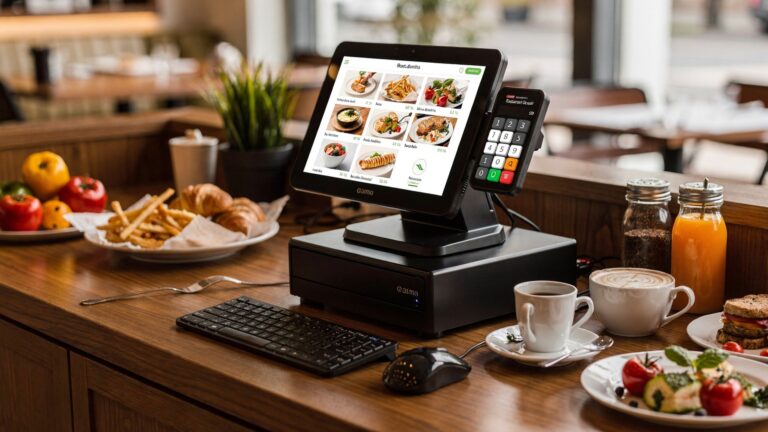
In Chennai’s vibrant culinary landscape, staying ahead demands more than just great food; it requires exceptional operational efficiency. That’s where advanced restaurant software in Chennai becomes indispensable, transforming how businesses manage their daily operations. Modern Point-of-Sale (POS) systems have evolved beyond mere transaction processing, now acting as central nervous systems for F&B establishments. From real-time inventory management minimizing waste to integrated customer relationship management (CRM) enhancing loyalty. robust data analytics driving informed decisions, these features are crucial. They empower businesses to streamline workflows, optimize resource allocation. deliver a superior customer experience amidst Chennai’s dynamic market, making comprehensive POS capabilities non-negotiable for sustainable growth.
Streamlined Order Management and POS Integration
For any bustling eatery in Chennai, efficient order management is the backbone of smooth operations and customer satisfaction. A top-tier restaurant software in Chennai must offer a robust point-of-sale (POS) integration that simplifies the entire ordering process from start to finish. This isn’t just about taking orders; it’s about optimizing every touchpoint.
Streamlined order management means an intuitive interface where staff can quickly take orders, customize items, apply discounts. manage table statuses. Deep POS integration ensures that these orders are immediately communicated to the kitchen display system (KDS) or printer, inventory is updated in real-time. billing is accurate. It’s the central hub for all transactional activities within your restaurant.
In a city known for its diverse culinary scene and fast-paced dining culture, speed and accuracy are paramount. A manual system can lead to errors, delays. frustrated customers, especially during peak hours. Imagine a busy lunch rush at a popular Tiffin center in Mylapore; a system that ensures a dosa order is correctly placed, sent to the kitchen instantly. billed without fuss is invaluable. It reduces wait times, minimizes order inaccuracies. significantly enhances the customer experience, leading to repeat business.
Consider a typical scenario: A customer orders a “Masala Dosa, extra crispy, no onion, with filter coffee.” With a modern POS system, the server inputs these specifics with a few taps. The order instantly appears on the KDS in the kitchen, ensuring the chef sees the modifications clearly. This eliminates handwritten notes, miscommunications. the common “oops, I forgot to mention no onion” moments. According to a study by Oracle Hospitality, integrated POS solutions can reduce order errors by up to 15%, directly impacting food waste and customer satisfaction.
When evaluating restaurant software in Chennai, prioritize systems with highly customizable menus, quick order modification capabilities. seamless integration between front-of-house (FOH) and back-of-house (BOH) operations.
Advanced Inventory and Stock Management
Controlling costs and minimizing waste are critical for profitability in the restaurant industry. An advanced inventory and stock management feature within your POS software is not just a convenience; it’s a financial imperative for any restaurant in Chennai.
This feature provides real-time tracking of all ingredients and menu items. It includes capabilities for managing purchases from suppliers, tracking usage rates, monitoring stock levels, setting reorder points. identifying waste or pilferage. It goes beyond simple counting, offering analytics on ingredient costs and profitability per dish.
Chennai’s food market is dynamic, with fluctuating prices for fresh produce, seafood. other staples. Without precise inventory control, restaurants risk overstocking perishable goods (leading to spoilage), understocking popular ingredients (leading to lost sales), or falling victim to internal shrinkage. For a seafood restaurant near Marina Beach, knowing the exact stock of specific fish species and their consumption rates is vital to reduce waste and ensure fresh produce availability. It directly impacts your bottom line, preventing thousands of rupees in losses annually.
Comparison: Manual vs. Automated Inventory
| Feature | Manual Inventory Management | Automated POS Inventory Management |
|---|---|---|
| Accuracy | Prone to human error, inconsistencies. | High accuracy, real-time updates. |
| Time Spent | Labor-intensive, weekly/daily checks. | Automated tracking, alerts, less manual effort. |
| Waste Reduction | Difficult to identify expiry, spoilage patterns. | Tracks expiry dates, usage, identifies waste trends. |
| Cost Control | Hard to link ingredient cost to dish profit. | Detailed cost analysis per recipe, profit margins. |
| Ordering Efficiency | Guesswork, delayed reorders. | Automated reorder alerts based on par levels. |
A popular South Indian restaurant chain with multiple outlets in Chennai struggled with inconsistent ingredient availability and high food costs. By implementing a POS with integrated inventory management, they could track the consumption of key ingredients like rice, lentils. spices across all branches. This allowed them to negotiate better bulk deals with suppliers, reduce spoilage by optimizing order quantities. identify which dishes were most profitable after accounting for ingredient costs. This led to a reported 8% reduction in food costs within six months.
Seek systems that allow for recipe management, supplier management. robust reporting on food costs and waste. This ensures optimal stock levels and maximum profitability.
Customer Relationship Management (CRM) & Loyalty Programs
Building a loyal customer base is crucial for sustained success in Chennai’s competitive restaurant landscape. A robust CRM feature integrated into your POS system can transform casual diners into regulars.
CRM functionalities within restaurant POS software allow businesses to capture customer data (e. g. , contact insights, order history, preferences, visit frequency). This data can then be used to personalize marketing efforts, offer targeted promotions. implement loyalty programs (e. g. , points systems, discounts for repeat visits, birthday offers). It’s about understanding your customers better to serve them more effectively.
Chennai diners appreciate personalization and value. In an era where customers have countless dining options, fostering loyalty is key. A loyalty program can encourage repeat visits, while personalized offers based on past orders (e. g. , “We noticed you love our Filter Coffee; here’s a 10% discount on your next one!”) can make customers feel valued. This is particularly effective for cafes, bakeries. casual dining spots that rely on recurring patronage.
A trendy cafe in Besant Nagar implemented a loyalty program through their POS. Customers could sign up by providing their phone number and earn points for every purchase. These points could be redeemed for free items or discounts. The system also tracked their favorite orders. On a customer’s birthday, the POS automatically triggered an SMS with a special discount for a free pastry. This personalized approach led to a 20% increase in repeat customer visits and a significant boost in customer engagement, as noted by industry expert studies on loyalty programs demonstrating ROI of 5-10 times the initial investment.
Choose a POS system that offers easy customer data capture, flexible loyalty program setup (points, tiers, discounts). automated marketing communication tools (SMS, email integration).
Reporting and Analytics Capabilities
Data is power. for restaurant owners in Chennai, insightful reporting and analytics are indispensable for making informed business decisions. This feature provides a clear window into your restaurant’s performance.
This POS feature collects and processes various operational data points, presenting them in digestible reports and dashboards. Key metrics include sales performance (by hour, day, item, server), food cost analysis, inventory turnover, customer demographics, peak hours. staff performance. It moves beyond raw data to offer actionable insights.
Without robust analytics, restaurant owners are essentially flying blind. How do you know which menu items are most profitable? When is your busiest time. do you have adequate staffing? Are certain servers consistently outperforming others? For a fine-dining establishment in Nungambakkam, understanding daily sales trends can help optimize staffing schedules, while identifying popular dishes can guide menu engineering decisions. This is where a smart restaurant software in Chennai truly shines, providing the intelligence needed to adapt and thrive.
- Sales Summary Report
- Product Mix (PMIX) Report
- Labor Cost Report
- Inventory Variance Report
- Customer Loyalty Report
Daily, weekly, monthly sales by category, item, payment method.
Shows which items are selling best and least, helping with menu optimization.
Tracks staff hours, wages. labor cost percentage against sales.
Compares theoretical usage (based on sales) to actual usage (based on stock counts).
Identifies top customers, average spend. visit frequency.
A multi-cuisine restaurant chain in Chennai used their POS analytics to identify that their “Chef’s Special Biryani” was a top seller but had a lower profit margin due to ingredient costs. Conversely, a less popular “Paneer Tikka” had a very high-profit margin. With this data, they slightly adjusted the Biryani’s pricing and actively promoted the Paneer Tikka through staff recommendations and daily specials. This data-driven approach led to a 5% increase in overall gross profit margins within a quarter, proving the strategic value of comprehensive analytics.
Look for systems with customizable reports, intuitive dashboards. the ability to export data for further analysis. The more granular the data and the easier it is to access, the better your decision-making will be.
Online Ordering and Delivery Management Integration
The rise of online food delivery platforms has transformed the dining landscape in Chennai. For any modern restaurant, integrating online ordering and delivery management into their POS system is no longer optional but a necessity.
This feature allows customers to place orders directly through your restaurant’s website or app, which then feeds directly into your central POS system. It also integrates with third-party delivery aggregators (like Swiggy, Zomato) or provides tools for managing your own in-house delivery fleet, including dispatch, tracking. payment processing.
Chennaiites embrace convenience. From busy IT professionals in OMR to families in Anna Nagar, the demand for doorstep delivery is immense. Managing online orders manually from multiple platforms can be a logistical nightmare, leading to missed orders, delayed deliveries. frustrated customers. A unified system consolidates all orders (dine-in, takeaway, delivery) into one place, streamlining kitchen operations and reducing errors. It also helps reduce commissions paid to third-party platforms by driving direct orders.
When discussing integration, the term “API” (Application Programming Interface) is crucial. A robust POS system will have well-documented APIs that allow seamless communication with various online platforms. For example, when a customer places an order on a delivery app, the app’s API sends the order data to your POS API, which then processes it. This eliminates manual data entry and ensures real-time updates.
// Conceptual API call for placing an online order
POST /api/v1/orders
Host: yourrestaurantpos. com
Content-Type: application/json { "customer_id": "CUST12345", "order_items": [ { "item_id": "MENU001", "quantity": 2, "modifiers": ["extra_spicy", "no_curd"] }, { "item_id": "MENU007", "quantity": 1 } ], "delivery_address": { "street": "123, Anna Salai", "city": "Chennai", "pincode": "600002" }, "payment_method": "online", "total_amount": 350. 00
}
During the pandemic, a chain of fast-food restaurants in Chennai rapidly scaled their delivery operations. Initially, they managed orders from 3-4 different platforms on separate tablets, leading to confusion and delays. By adopting a POS system with integrated online ordering and delivery management, all orders flowed into a single KDS. This allowed them to assign delivery drivers efficiently, track order progress in real-time. significantly improve delivery times and customer satisfaction. They reported a 30% increase in online order efficiency and a noticeable reduction in order errors.
Prioritize a restaurant software in Chennai that offers direct online ordering capabilities and robust integrations with popular third-party delivery platforms. This ensures a unified workflow and a better customer experience.
Employee Management and Performance Tracking
Your staff is your most valuable asset. Effective employee management within your POS system can boost productivity, reduce administrative overhead. enhance overall service quality.
This feature allows you to manage employee shifts, track attendance, calculate wages. monitor individual performance. It can also include access control (e. g. , restricting certain POS functions based on roles), tip management. performance analytics (e. g. , sales per server, average table turnover time). It streamlines HR-related tasks directly integrated with daily operations.
Managing a diverse workforce, from kitchen staff to servers and delivery personnel, can be complex. Manual time sheets are prone to errors and time theft. Performance tracking helps identify your star performers and areas where training might be needed. For a large restaurant or hotel in Chennai, efficient staff scheduling and accurate payroll processing are crucial for compliance and employee morale. It also helps in minimizing labor costs, which are a significant operational expense.
- Time Clock
- Shift Scheduling
- Role-Based Permissions
- Sales Performance
- Payroll Integration
Digital punch-in/punch-out directly on the POS.
Create and manage schedules, notify staff.
Control access to discounts, voids, reports.
Track individual server sales, average check size.
Export data for seamless payroll processing.
A popular multi-story restaurant in Chennai with a large team of servers and kitchen staff adopted a POS system with comprehensive employee management. They previously spent hours each week manually creating schedules and calculating payroll. With the new system, scheduling became a drag-and-drop process, time tracking was automated. payroll data was generated with a click. They also identified that certain servers consistently had higher average check sizes, allowing them to implement targeted training for the rest of the team. This led to a 15% reduction in administrative time and a noticeable improvement in overall service efficiency.
When selecting restaurant software in Chennai, look for robust employee management features that offer time tracking, flexible scheduling, role-based security. performance reporting to optimize your workforce.
Multi-Location Management & Centralized Control
For restaurateurs in Chennai operating multiple outlets, centralized control and multi-location management are paramount for maintaining brand consistency, efficiency. profitability across all establishments.
This feature allows owners or managers to oversee and manage all aspects of their various restaurant locations from a single, centralized dashboard. This includes uniform menu updates, synchronized pricing, consolidated sales reports, centralized inventory management. consistent employee policies across different branches. It ensures that regardless of location, each outlet operates under the same standards and data flows into one cohesive system.
Many successful restaurant brands in Chennai, from iconic eateries to emerging chains, have multiple branches spread across the city. Without centralized control, managing menus, promotions, inventory. staff across these locations becomes incredibly complex and prone to discrepancies. Imagine a franchise with outlets in T. Nagar, Velachery. Anna Nagar; ensuring consistent pricing for a specific dish or launching a city-wide promotion without a unified system would be a logistical nightmare. Centralized management simplifies operations, ensures brand consistency. provides a holistic view of the entire business’s performance.
- Menu Consistency
- Centralized Reporting
- Inventory Transfers
- Unified Customer Data
- Standardized Operations
Push menu updates, new items. pricing changes to all locations simultaneously.
Get consolidated sales, inventory. labor reports for the entire chain or individual branches.
Manage stock transfers between locations efficiently, reducing waste.
Track customer loyalty and preferences across all outlets.
Enforce consistent operational procedures and pricing.
A popular sweets and savories chain with over ten outlets across Chennai was struggling with inconsistent pricing and promotions, leading to customer confusion and revenue leakage. Their existing system required manual updates at each store. By upgrading to a POS system with multi-location management, they could instantly update prices, launch new promotional bundles across all stores simultaneously. view real-time sales performance for each outlet from their head office. This led to greater operational efficiency, improved brand consistency. a reported 7% increase in overall sales due to better-managed promotions and unified customer experience.
If you foresee expanding or already manage multiple outlets, invest in a restaurant software in Chennai that offers robust multi-location capabilities. This ensures scalability, consistency. efficient management of your entire restaurant empire.
Conclusion
Having explored these seven vital software features, it’s abundantly clear that Chennai’s dynamic culinary landscape demands more than just traditional operational approaches. My personal tip for restaurateurs here is to prioritize what truly impacts your customer flow and back-end efficiency. For instance, consider how seamless digital ordering and integrated inventory management, much like those adopted by popular eateries in Mylapore, directly enhance service speed and reduce waste. Embracing these advanced tools isn’t merely an upgrade; it’s a strategic imperative for any Chennai business aiming to thrive amidst increasing competition and evolving customer expectations. Don’t let your restaurant fall behind in this rapidly digitalizing era. The right software is your silent partner, empowering you to deliver exceptional experiences and optimize profitability. Take the leap, assess your current needs. invest in a system that propels your venture forward. Your customers. your bottom line, will undoubtedly thank you for it. For more insights on how these technologies can redefine your operations, explore how to leverage POS software features to boost restaurant efficiency.
More Articles
7 Essential Restaurant POS Features That Boost Your Business Profitability
How to Streamline Restaurant Operations Using POS and Kitchen Display Systems
Top 7 Features Your POS Billing Software in Chennai Must Have
Which Restaurant POS Software Benefits Truly Improve Customer Experience
Uncover 5 Amazing Ways Restaurant POS Software Boosts Your Business

FAQs
Why should my Chennai restaurant invest in new software?
Restaurant software helps streamline daily operations, reduce errors, manage inventory better. enhance the customer experience. In a competitive market like Chennai, efficiency and excellent service are key to standing out.
What’s the single most essential feature for a busy restaurant here?
A robust Point-of-Sale (POS) system is arguably the most crucial. It’s the central hub for taking orders, processing payments quickly. managing tables, which is vital for handling the rush in Chennai’s popular eateries.
How can software help me stop wasting food?
Inventory management features are designed for this. They track your stock levels in real-time, monitor ingredient usage, flag items nearing expiry. help you make smarter purchasing decisions to minimize spoilage and save costs.
Do I really need a Kitchen Display System (KDS) if we’re used to paper tickets?
Absolutely! A KDS significantly speeds up kitchen operations, reduces miscommunications from handwritten orders, helps prioritize dishes. ensures orders are prepared accurately and on time, which is a huge advantage during peak hours.
My restaurant does a lot of online orders and deliveries. Can software make that easier?
Yes, seamless integration with online ordering platforms and delivery management tools is essential. It allows customers to order directly, routes orders efficiently to the kitchen. helps manage delivery logistics, making the whole process smoother.
How do I keep my customers coming back for more?
Look for software with Customer Relationship Management (CRM) and loyalty program features. These allow you to collect customer data, offer personalized promotions. run effective loyalty schemes to encourage repeat business and build a strong local following.
What about knowing how well my business is actually doing?
Reporting and analytics features are your best friend here. They provide crucial insights into sales trends, popular dishes, peak hours. staff performance, enabling you to make data-driven decisions to optimize your menu, staffing. marketing efforts.
Can these systems help with managing my staff, like shifts and holidays?
Many comprehensive restaurant software solutions include staff management capabilities. These can help with scheduling shifts, tracking attendance, managing payroll. even facilitating communication among your team, simplifying HR tasks for your Chennai establishment.