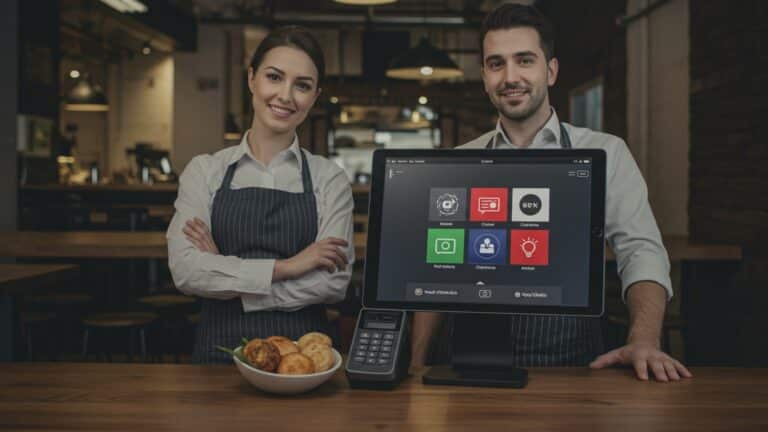
9 Common Mistakes Restaurants Make When Setting Up POS Software Systems
Restaurant POS software now sits at the center of operations, connecting ordering, inventory, payments, loyalty. analytics in real time, yet many restaurants still undermine its value during setup. As cloud-based systems, QR code ordering. AI-driven demand forecasting become standard in 2024 and 2025, small configuration errors can ripple into inaccurate reporting, slow service. security gaps. For example, failing to map menu modifiers correctly can break kitchen workflows, while poor integration with online delivery platforms distorts sales data and labor forecasts. Recent PCI compliance updates and the rise of mobile wallets also demand tighter payment configurations from day one. Understanding where restaurants typically go wrong helps operators align technology with actual service models, staff behavior. guest expectations, turning POS software into a performance asset rather than an operational bottleneck.
Choosing Restaurant POS Software Without Understanding Operational Needs
One of the most frequent mistakes restaurants make is selecting Restaurant POS software based on brand popularity or price alone, without mapping it to their actual day-to-day operations. A café, a quick-service restaurant. a full-service fine dining establishment all have vastly different requirements.
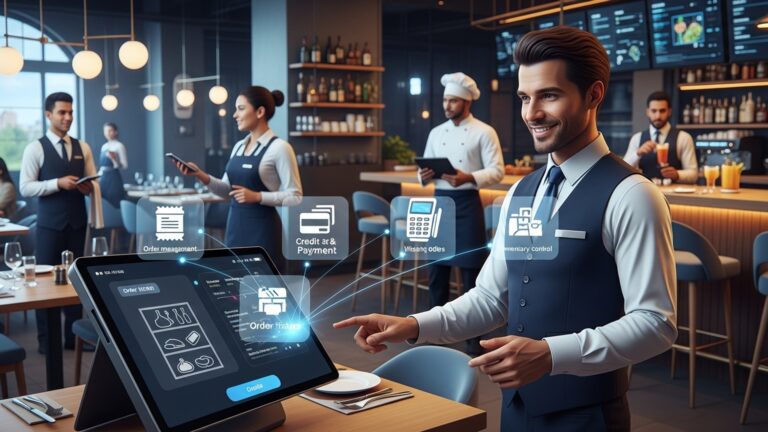
A POS (Point of Sale) system is more than a digital cash register. Modern Restaurant POS software typically includes order management, payment processing, inventory tracking, reporting. integrations with third-party tools.
A mid-sized bistro in Chicago I worked with chose a POS designed primarily for retail. While it processed payments smoothly, it lacked table management and split-check functionality, leading to slower service and frustrated servers.
- Assess your service model (quick-service, table-service, delivery-first)
- List must-have features such as table mapping, modifiers, or online ordering
- Involve managers and frontline staff in the decision process
According to the National Restaurant Association, technology decisions should align directly with operational workflows to avoid costly inefficiencies.
Underestimating Staff Training and Onboarding
Even the most advanced Restaurant POS software fails if staff don’t know how to use it efficiently. Restaurants often assume intuitive interfaces eliminate the need for formal training.
POS systems touch nearly every part of restaurant operations—from servers entering orders to managers pulling sales reports.
A fast-casual chain in Austin rolled out a new POS across five locations in one weekend without structured training. Order errors increased by 18% in the first month, according to their internal audit.
- Schedule role-based training (servers, bartenders, managers)
- Create quick-reference guides for common tasks
- Use sandbox or demo modes before going live
Toast and Square both recommend allocating at least 8–12 hours of hands-on training per employee for new system rollouts.
Ignoring Integration With Existing Systems
Restaurant POS software rarely operates in isolation. A common setup mistake is failing to ensure compatibility with accounting software, payroll systems, online ordering platforms. inventory tools.
| Feature | Integration-Ready POS | Limited POS |
|---|---|---|
| Accounting Sync | Automatic export to QuickBooks/Xero | Manual data entry |
| Online Ordering | Native or API-based | Third-party workaround |
| Inventory Updates | Real-time | End-of-day batch |
Ask vendors for a list of native integrations and API documentation before signing a contract.
Failing to Plan for Scalability and Growth
Many restaurants choose Restaurant POS software that works “for now” but can’t support future growth such as new locations, food trucks, or expanded menus.
A scalable POS system can handle increased transaction volume, multiple locations. centralized reporting without performance issues.
A local pizza brand in New Jersey had to replace its POS within two years because it didn’t support multi-location reporting, doubling their technology costs.
- Check if the POS supports multi-location dashboards
- Confirm pricing tiers for additional terminals or locations
- Ask about roadmap features from the vendor
Gartner emphasizes that scalable systems reduce total cost of ownership over a five-year period.
Overlooking Data Security and Compliance Requirements
Restaurants handle sensitive customer payment data, yet many overlook security when setting up Restaurant POS software.
- PCI DSS
- Tokenization
- End-to-end encryption
Payment Card Industry Data Security Standard
Replacing card data with secure tokens
Protecting data from entry to processing
A small diner in California faced fines after a breach caused by outdated POS hardware without encryption.
- Verify PCI compliance certifications
- Use role-based access controls for staff
- Schedule regular software updates
Visa and Mastercard both publish compliance guidelines that restaurants should review before deployment.
Not Customizing the POS for Menu and Workflow
Out-of-the-box configurations rarely match a restaurant’s unique menu structure or kitchen workflow. Failing to customize Restaurant POS software can slow service and increase errors.
- Menu modifiers for dietary restrictions
- Course-based firing for kitchens
- Separate screens for bar and kitchen printers
I once observed a high-volume brunch spot where servers had to tap through six screens to add “egg whites.” A simple modifier setup reduced order time by nearly 20%.
Neglecting Reporting and Analytics Setup
Restaurant POS software generates valuable data. many restaurants never configure reports correctly or fail to review them regularly.
- Menu item profitability
- Hourly sales trends
- Labor cost vs. revenue
A seafood restaurant used POS analytics to identify low-margin dishes and redesigned the menu, increasing overall profit by 7% within one quarter.
Harvard Business Review consistently highlights data-driven decision-making as a key factor in business resilience.
Relying on Unstable Internet or Hardware
Cloud-based Restaurant POS software depends on reliable internet and modern hardware. Restaurants often overlook infrastructure readiness.
- Backup internet connections (LTE or hotspot)
- Offline mode capabilities
- Commercial-grade tablets and printers
 // Example of POS offline queue logic
if (internetConnection == false) { storeTransactionsLocally();
}
syncTransactionsWhenOnline();
This type of functionality should be confirmed with your POS vendor before setup.
Skipping Vendor Support and Service Evaluation
The final and often overlooked mistake is failing to assess vendor support quality. Restaurant POS software is mission-critical. downtime directly impacts revenue.
- 24/7 customer support availability
- Average response and resolution times
- Access to onboarding specialists
During a Saturday dinner rush, a New York restaurant experienced a system outage. Their POS vendor’s 24/7 phone support resolved it in 12 minutes, preventing significant losses.
Industry leaders like Capterra and G2 recommend reviewing verified customer support ratings before finalizing a POS provider.
Conclusion
Setting up a POS system isn’t just a technical task, it’s an operational decision that shapes daily service, margins. guest experience. The most common mistakes happen when restaurants rush the process, ignore staff input, or choose software that doesn’t scale with trends like online ordering, QR menus. real-time inventory tracking. I’ve seen operators lose weeks of data simply because they skipped testing. others boost table turns overnight by integrating mobile payments correctly from day one. The takeaway is simple: slow down, plan intentionally. treat your POS like a long-term partner. Talk to your team before setup, test every workflow during off-hours. stay current with updates as platforms evolve. According to recent insights from Square’s restaurant technology reports, flexible cloud-based POS systems are now outperforming legacy setups in both speed and reliability, which is worth considering as guest expectations rise. You can explore current POS best practices here: https://squareup. com/us/en/townsquare/restaurant-pos-systems. If you approach your POS setup with clarity and curiosity, you’ll avoid costly mistakes and build a system that supports growth. Invest the effort now. your future service will thank you.
More Articles
How to Choose the Right POS System for Your Restaurant
Restaurant Technology Trends to Watch This Year
Using POS Software to Improve Inventory Control
Training Staff Effectively on New POS Systems
Automation Tools Every Modern Restaurant Needs

FAQs
What’s the biggest mistake restaurants make when choosing a POS system?
Many restaurants pick a POS based on price alone without checking if it actually fits their menu size, service style, or future growth. A cheap system that can’t scale or handle daily operations often costs more in the long run.
Why is skipping staff input a problem during POS setup?
Servers, bartenders. managers use the system every day. Ignoring their feedback can lead to confusing workflows, slower service. frustration that could have been avoided with early input.
How does poor menu setup affect daily operations?
Incorrect modifiers, unclear item names, or badly organized menus can cause order errors, longer ticket times. inaccurate reports. These small setup issues quickly add up during busy shifts.
Is it really necessary to train staff on a new POS?
Yes. Assuming the system is “intuitive enough” often leads to mistakes, inconsistent use. slower service. Even short, focused training helps staff feel confident and work more efficiently.
What happens when restaurants ignore POS integrations?
Without proper integration with inventory, online ordering, or accounting tools, restaurants end up doing extra manual work. This increases errors and makes it harder to track performance accurately.
Why is not planning for growth a POS setup mistake?
A system that works for one location or a small menu may struggle as the business expands. Not planning ahead can mean expensive upgrades or a full system replacement sooner than expected.
Can lack of ongoing maintenance cause POS problems?
Absolutely. Skipping updates, ignoring software alerts, or failing to review settings can lead to bugs, security risks. outdated features that hurt daily operations.