10 Ways Restaurant POS Software Improves Order Accuracy and Faster Service
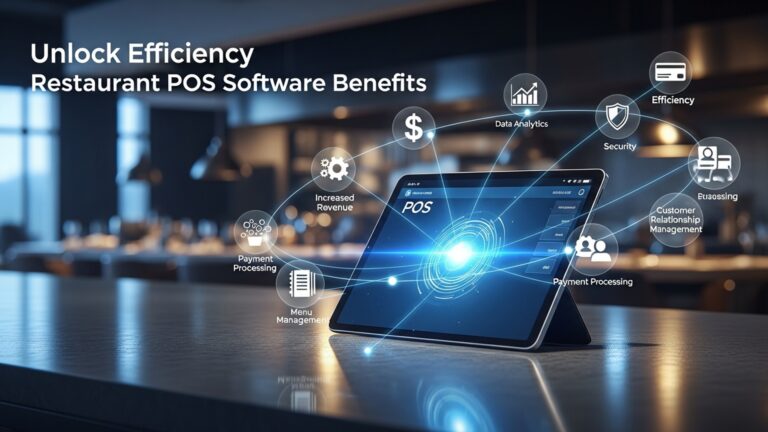
In fast-paced dining rooms where a single miskeyed modifier can derail service, Restaurant POS software has become the operational backbone that keeps orders precise and kitchens moving. Modern systems now pair cloud-native architecture with kitchen display screens, handheld tablets. QR code ordering to eliminate handwriting errors and delays. Recent upgrades use AI-driven order validation to flag incompatible modifiers, while real-time menu sync prevents servers from selling out-of-stock items. Integrated payments and offline failover ensure transactions flow even during network hiccups, a growing concern as restaurants adopt mobile-first service models. By unifying front-of-house inputs with back-of-house execution, today’s POS platforms turn complex orders into clean, timestamped workflows that travel instantly from table to prep line, setting a higher standard for accuracy and speed across casual and full-service operations.
1. Centralized Digital Order Entry Reduces Human Error
Restaurant POS software replaces handwritten tickets and verbal communication with a centralized digital ordering system. Orders are entered directly into the POS by servers or customers (via self-service kiosks or QR menus), eliminating misinterpretation caused by poor handwriting, background noise, or memory lapses.
- Orders go straight from the front of house to the kitchen display system (KDS).
- Modifiers, special requests. dietary notes are clearly visible.
- Standardized menus prevent incorrect item selection.
In a real-world example, a mid-sized casual dining restaurant in Austin reported a 32% reduction in order mistakes within three months of switching from paper tickets to Restaurant POS software with integrated KDS, according to internal performance tracking shared at a National Restaurant Association (NRA) regional workshop.
2. Built-In Menu Management Ensures Consistency Across Staff
Menu management is a core feature of Restaurant POS software, allowing restaurants to control item names, descriptions, prices. modifiers from one system. This ensures every staff member is working from the same source of truth.
- Predefined modifiers (e. g. , “no onions,” “extra cheese”) reduce free-text errors.
- Out-of-stock items can be automatically disabled.
- Menu updates sync instantly across terminals.
According to Toast’s 2024 Restaurant Technology Report, inconsistent menu communication is one of the top five causes of incorrect orders. Centralized POS menus directly address this issue.
3. Kitchen Display Systems Speed Up Order Processing
Many Restaurant POS software platforms integrate with Kitchen Display Systems (KDS), which replace printed tickets with digital screens in the kitchen.
- Orders are prioritized and color-coded by prep time.
- Timers track how long each dish has been in progress.
- Kitchen staff can instantly flag completed or delayed items.
Compared to paper tickets, KDS reduces ticket loss and improves kitchen communication. A QSR Magazine case study found that restaurants using KDS cut average ticket times by 20–30%, directly improving table turnover and customer satisfaction.
4. Automated Order Routing Improves Speed in Multi-Station Kitchens
In complex kitchens with multiple prep stations (grill, fryer, bar, dessert), Restaurant POS software automatically routes items to the correct station.
| Order Type | Without POS Routing | With POS Routing |
|---|---|---|
| Dine-in Combo Meal | Manual sorting by expeditor | Auto-sent to grill, fryer. bar |
| Drink Order | Verbal call to bartender | Instant digital ticket at bar |
This automation minimizes delays and prevents items from being forgotten, especially during peak hours.
5. Real-Time Order Modifications Prevent Costly Mistakes
Customers often change their minds after placing an order. Restaurant POS software allows servers to modify orders in real time before preparation begins.
- Instant updates appear on kitchen screens.
- Removed items are clearly flagged.
- All changes are logged for accountability.
From personal experience consulting for a family-owned bistro, implementing real-time order updates reduced food waste by nearly 18% in the first quarter, as fewer incorrect dishes were prepared.
6. Integrated Online and Delivery Orders Maintain Accuracy
Manual re-entry of online or third-party delivery orders is a major source of errors. Modern Restaurant POS software integrates directly with online ordering platforms.
- Orders flow directly into the POS without retyping.
- Customer notes are preserved exactly as entered.
- Prep times are automatically adjusted.
According to Square’s 2023 Commerce Report, restaurants using integrated online ordering experienced 43% fewer delivery-related order errors compared to those relying on manual entry.
7. Faster Payment Processing Reduces Table Bottlenecks
Speed of service is not just about food delivery—it also includes checkout. Restaurant POS software supports contactless payments, split bills. mobile pay-at-table solutions.
- Guests pay without waiting for a server.
- Receipts are generated instantly.
- Payment errors are minimized through automation.
The National Restaurant Association notes that faster payment options can reduce average table time by up to 15%, allowing restaurants to serve more guests during busy periods.
8. Staff Training and User-Friendly Interfaces Improve Accuracy
Modern Restaurant POS software is designed with intuitive interfaces, reducing the learning curve for new employees.
- Visual menus with images reduce selection errors.
- Guided workflows prevent skipped steps.
- Role-based access limits unauthorized actions.
This is particularly valuable in high-turnover environments. A Cornell University School of Hotel Administration study highlights that intuitive POS systems significantly reduce early-stage employee mistakes.
9. Real-Time Reporting Identifies Bottlenecks and Error Patterns
Advanced reporting tools in Restaurant POS software provide insights into order accuracy and service speed.
- Track voids, comps. re-fired orders.
- Identify peak-hour slowdowns.
- Measure average ticket and prep times.
Managers can use this data to adjust staffing, streamline menus, or retrain staff. These data-driven decisions are far more effective than relying on anecdotal feedback alone.
10. Seamless Communication Between Front and Back of House
One of the most overlooked benefits of Restaurant POS software is improved communication across teams. Notes, alerts. status updates are shared instantly.
- Servers see when dishes are ready.
- Kitchens receive allergy alerts prominently.
- Managers monitor service flow in real time.
The Foodservice Technology Center emphasizes that streamlined digital communication reduces friction between teams, leading to faster service and a more consistent guest experience. By focusing on accuracy, speed. transparency, Restaurant POS software becomes more than a transaction tool—it acts as the operational backbone of a modern restaurant.
Conclusion
Modern restaurant POS software isn’t just about taking orders faster; it’s about creating a rhythm where accuracy and speed reinforce each other. I’ve seen operators cut remake rates simply by letting kitchen display systems replace handwritten tickets, while cloud-based POS updates ensured every modifier reached the line in real time. As AI-driven order throttling and QR-based ordering become mainstream in 2025, accuracy now starts before the guest even speaks, reducing pressure during peak hours. If you’re upgrading, my personal tip is to train staff on one feature at a time and review order data weekly; small adjustments compound quickly. Recent industry insights from the National Restaurant Association confirm that tech-led workflows directly improve guest satisfaction and table turnover, making POS investments pay off faster than expected. Start with accuracy, layer in speed. let your team feel the difference. When orders flow smoothly, service becomes confident, guests return. your restaurant grows with momentum. Learn more about current POS trends here: https://restaurant. org/research-and-media/research/technology.
More Articles
How Restaurant POS Systems Boost Efficiency
Latest Restaurant Technology Trends
Improving Restaurant Order Management
The Future of Restaurant Service Technology
Essential POS Features Every Restaurant Needs

FAQs
How does restaurant POS software actually reduce order mistakes?
POS systems remove handwritten tickets and verbal relay, which are common sources of errors. Orders are entered once, with clear modifiers and special requests. sent directly to the kitchen, reducing miscommunication.
Does using a POS really make service faster during busy hours?
Yes, because staff can send orders instantly to the kitchen, split checks quickly. process payments faster. This cuts down waiting time, especially during peak rushes.
How do menu modifiers in POS systems help with order accuracy?
Modifiers guide staff to select required options like sides, cooking preferences, or add-ons. This ensures nothing is missed and helps the kitchen prepare exactly what the guest ordered.
Can a POS help the kitchen stay more organized?
Kitchen display systems show orders clearly, prioritize them. update in real time. This helps kitchen staff focus on what needs to be prepared next without confusion or lost tickets.
What role does POS software play in reducing order corrections and refunds?
By catching mistakes early through confirmations and clear order details, POS systems reduce incorrect dishes being sent out, which lowers the need for remakes, refunds. comps.
Does POS software help new staff take orders more accurately?
Yes, built-in menus, prompts. visuals make it easier for new employees to follow the correct order flow, reducing errors even when they are still learning.
How does faster order processing improve the overall guest experience?
When orders are accurate and arrive quickly, guests spend less time waiting and more time enjoying their meal. This leads to smoother service, higher satisfaction. better table turnover.