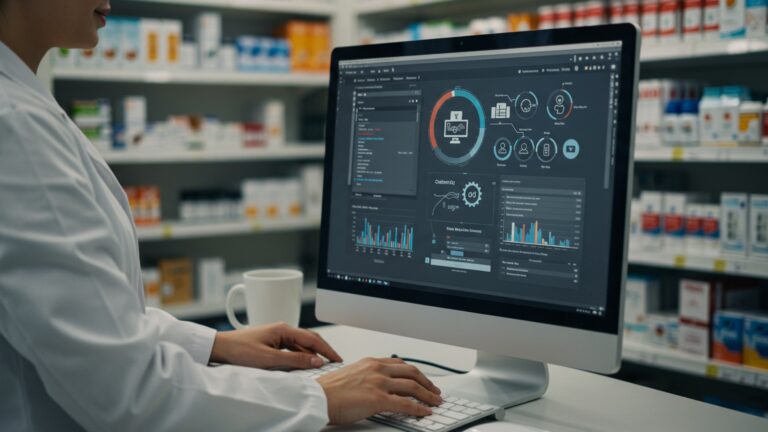

5 Common Challenges Solved by Modern Restaurant POS Software
In today’s fast-paced dining landscape, restaurant POS software has evolved beyond simple transaction management to address critical operational challenges. From streamlining order accuracy during peak hours to integrating online delivery platforms, modern systems are tailored to enhance efficiency and customer experience. For example, real-time inventory tracking now prevents costly overstocking and wastage, while data-driven insights empower restaurants to optimize menu offerings based on customer preferences. The rise of cloud-based POS solutions ensures seamless multi-location management, vital for scaling operations. Moreover, advanced payment options, including mobile wallets and contactless processing, cater to the growing demand for convenience and security. As restaurants increasingly rely on technology to stay competitive, these innovations solve common pain points, transforming inefficiencies into opportunities for growth. By leveraging these capabilities, restaurateurs can focus on delivering exceptional dining experiences while staying ahead of industry trends. Modern POS systems truly redefine the way restaurants operate in a digital-first world.

Streamlining Order Management
Modern restaurant POS software addresses one of the most common challenges faced by restaurants: managing orders efficiently. In traditional setups, handwritten tickets or verbal orders often lead to errors, delays. customer dissatisfaction.
- Order Accuracy: With restaurant POS software, orders are directly entered into the system and sent to the kitchen. This eliminates miscommunication between front-of-house and kitchen staff.
- Speed and Efficiency: POS systems integrate with tablets or mobile devices, allowing servers to take orders tableside. This speeds up the order-to-kitchen process.
- Customization: Modern POS software allows for easy modifications to orders, such as dietary restrictions or special requests, ensuring customer satisfaction.
Real-world application: A busy full-service restaurant uses a POS system to send orders directly to the kitchen display system (KDS), reducing ticket errors by over 50%.
Inventory Management Simplification
Keeping track of stock levels is a critical but challenging task for restaurant owners. Manual inventory tracking often results in overordering, food waste, or stock shortages. Modern restaurant POS software solves this problem by automating inventory management.
- Real-Time Tracking: POS systems track inventory levels in real time, adjusting quantities as items are sold.
- Alerts and Notifications: Receive low-stock alerts to reorder ingredients before they run out.
- Integration with Suppliers: Many systems integrate directly with vendors, streamlining the ordering process.
Comparison:
| Traditional Inventory Tracking | POS Inventory Management |
|---|---|
| Manual and prone to errors | Automated and accurate |
| Time-consuming | Real-time updates |
Real-world application: A quick-service restaurant uses POS software to track perishable items, reducing waste by 30% monthly.
Enhancing Payment Processing
Handling payments can be a major pain point for restaurants, especially during peak hours. Modern restaurant POS software provides fast, secure. flexible payment solutions that improve the dining experience.
- Multiple Payment Methods: POS systems support cash, credit cards, mobile payments. even split bills.
- Security: Advanced encryption protects customer data, reducing fraud risks.
- Speed: Contactless payments and automatic bill calculations expedite transactions.
Real-world application: A trendy café implements POS software with mobile payment capabilities, reducing checkout time by 20 seconds per transaction.
Improving Customer Relationship Management (CRM)
Winning and retaining customers is a priority for any restaurant. manual CRM processes can be limiting. Restaurant POS software integrates robust CRM features to help businesses build stronger relationships with their patrons.
- Customer Profiles: Track guest preferences, purchase history. feedback to deliver personalized service.
- Loyalty Programs: POS systems enable seamless integration of loyalty and rewards programs.
- Targeted Marketing: Use collected data for email campaigns or special promotions based on customer behavior.
Real-world application: A family-owned diner uses POS-based CRM tools to examine customer trends and offer personalized discounts, increasing repeat customer visits by 15%.
Optimizing Staff Management
Scheduling and managing employees can be a logistical nightmare without proper tools. Modern restaurant POS software simplifies workforce management by integrating scheduling and performance tracking features.
- Shift Scheduling: Create and manage staff schedules through the POS system, avoiding conflicts or understaffing.
- Performance Analytics: Track employee productivity, sales performance. attendance.
- Time Clock Integration: Employees can clock in and out directly through the POS terminal, ensuring accurate payroll data.
Real-world application: A popular chain restaurant uses its restaurant POS software to schedule shifts based on peak hours, reducing labor costs by 10%.
Conclusion
Modern restaurant POS software has evolved into a game-changing tool that resolves many challenges facing today’s restaurateurs, from streamlining operations to enhancing customer satisfaction. As we’ve seen, it eliminates inefficiencies by automating tasks like order processing and inventory management while providing real-time insights for smarter decision-making. For example, current systems equipped with cloud capabilities allow you to access key data remotely, a vital feature given the increasing shift toward hybrid work models in restaurant management. Also, the ability to integrate with delivery platforms caters to the growing trend of online orders, ensuring your business stays competitive. Remember, selecting the right POS system is not just about choosing a tool; it’s about investing in solutions that align with your unique needs. From personal experience, conducting hands-on trials and seeking feedback from your team can uncover the features that will truly transform operations. For instance, a small tweak like enabling mobile payment options can significantly improve checkout speed, reflecting today’s customer expectations for convenience. The potential of POS software lies not just in solving existing challenges but in unlocking new opportunities for growth. Embrace this technology as a partner in your business journey. you’ll find yourself not just keeping up with trends but setting them. Start small, experiment. let your POS system help you create a dining experience that customers will remember.
More Articles
5 Proven Strategies to Master Restaurant POS Software and Increase Revenue
How to Choose the Best Features for a Restaurant POS System
5 Proven Strategies to Maximize Profits Using Restaurant POS Software
10 Smart Ways Restaurant POS Software Improves Daily Operations and Customer Experience
Master 5 Smart Strategies to Optimize Your Restaurant POS System for Efficiency

FAQs
What problems can restaurant POS software fix?
Modern restaurant POS systems solve issues like order management, payment processing, inventory tracking, staff scheduling. reporting inefficiencies.
Can POS software really help reduce order errors?
Yes, POS systems streamline order-taking by sending accurate details directly to the kitchen, minimizing mistakes caused by miscommunication.
Does a modern POS make inventory management easier?
Absolutely! POS software tracks stock levels in real-time, alerts you when items are low. even provides data to optimize purchasing decisions.
How does POS software improve customer experience?
It speeds up the checkout process, offers flexible payment options. can even support loyalty programs for frequent customers.
Is managing staff through a POS system simple?
Yes, POS software often includes tools for scheduling shifts, tracking hours. even monitoring performance, making staff management more efficient.
Why is reporting such a big deal with POS systems?
Reporting features give restaurant owners detailed insights into sales trends, peak hours. overall business performance, helping make informed decisions.
Can it handle online orders and delivery services too?
Most modern POS systems integrate with online ordering platforms, making it simpler to manage delivery orders alongside in-house operations.