5 Ways Restaurant POS Software Can Transform Customer Experience
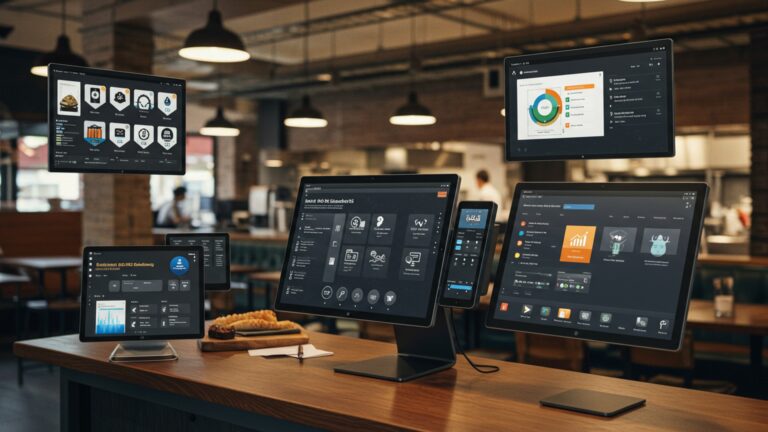
In today’s fast-paced dining landscape, restaurant POS software is revolutionizing how businesses connect with their customers by streamlining operations and enhancing the overall dining experience. From enabling seamless mobile payments to integrating loyalty programs that reward repeat visits, modern POS systems are designed to meet evolving customer expectations. For example, the integration of AI in some systems now offers personalized menu recommendations based on ordering history, while real-time inventory updates ensure customer favorites are never out of stock. With contactless payment options increasingly becoming the norm post-pandemic, restaurants can offer faster, more secure transactions that cater to tech-savvy diners. Also, data-driven insights from POS systems allow businesses to anticipate trends and tailor services to align with customer preferences. As consumer demands continue to rise, leveraging advanced POS technology is not just an operational upgrade—it’s a strategic move to deliver exceptional, tailored experiences that keep customers coming back.
Enhanced Order Accuracy
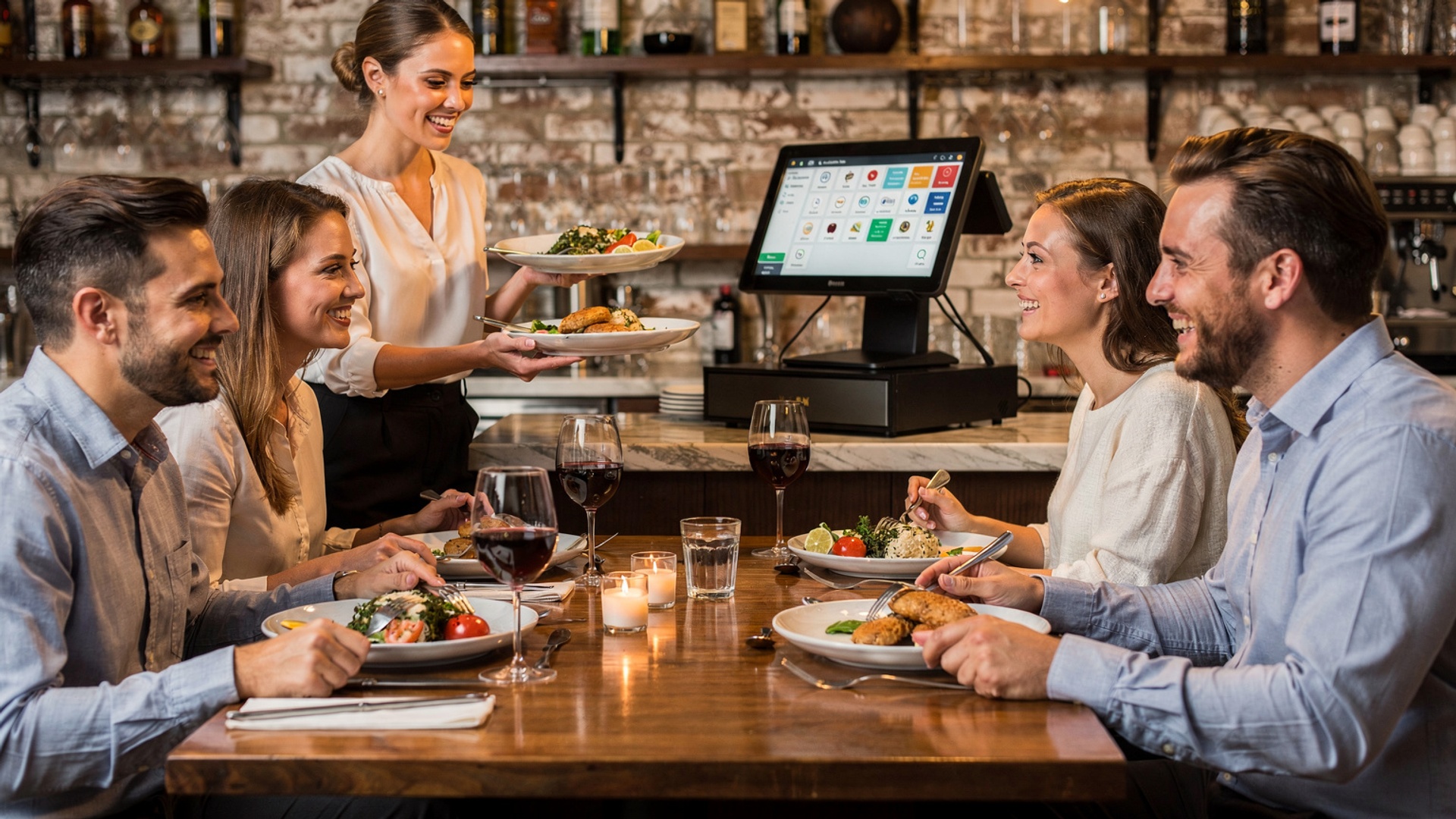
- One of the most significant ways Restaurant POS software improves customer experience is by enhancing order accuracy. With digital ordering systems, servers can input customer orders directly into the POS system, minimizing the risk of human error caused by handwritten notes or verbal miscommunications.
- The software’s integration with kitchen display systems ensures orders go directly to the kitchen team, reducing delays and errors. For example, special dietary requests or modifications such as “no cheese” or “extra spicy” are accurately communicated to the kitchen.
- Real-world application: Fast-casual restaurant chains often implement this feature to handle high customer volumes accurately, leading to fewer order complaints and improved customer satisfaction.
Faster Service and Reduced Wait Times
- Restaurant POS software enables faster service through streamlined workflows. Servers can take orders directly at the table using mobile POS devices, which instantly relay the details to the kitchen. This eliminates the need for servers to walk back and forth between tables and the order station.
- Self-service kiosks integrated with POS systems empower customers to place their orders and make payments at their own pace, reducing queues during peak hours.
- Real-world application: Quick-service restaurants (QSRs) such as McDonald’s leverage self-service kiosks and mobile POS devices to enhance speed, ensuring faster order fulfillment and higher customer turnover.
Personalized Dining Experience
- Advanced Restaurant POS software often includes Customer Relationship Management (CRM) features, allowing restaurants to collect and review customer data. This data can be used to personalize the dining experience.
- By tracking order history, preferences. special occasions like birthdays, restaurants can create tailored promotional offers or recommend menu items based on customers’ past behavior.
- For example, a loyal customer who frequently orders vegetarian dishes might receive exclusive discounts on vegetarian options or be alerted to new vegetarian menu additions.
- Real-world application: Upscale restaurants and cafes often utilize these features to foster customer loyalty through personalized service and targeted marketing campaigns.
Seamless Payment Options
- Modern Restaurant POS software supports multiple payment methods, including credit/debit cards, mobile wallets. even contactless payments. This ensures a smooth and convenient checkout process, enhancing the overall customer experience.
- Split-bill functionality, a common feature in POS systems, allows groups to divide the check easily. This eliminates awkward moments during group payments and saves time for both customers and staff.
- Real-world application: Restaurants catering to younger audiences, like trendy brunch spots, rely on seamless payment options to meet the expectations of tech-savvy customers who prefer digital payments over cash.
Improved Customer Feedback and Loyalty Programs
- Restaurant POS software often integrates customer feedback tools, enabling restaurants to gather insights directly from diners. Customers can leave feedback via digital receipts or kiosks, helping restaurants identify areas for improvement and boost customer satisfaction.
- Also, POS systems often include loyalty program management features. Restaurants can reward repeat customers with points, discounts, or exclusive perks, fostering a loyal customer base.
- For example, a coffee shop using POS software can automatically track loyalty points for regulars, sending notifications when they’ve earned a free drink.
- Real-world application: Chains like Starbucks use POS-integrated loyalty programs to provide personalized rewards, which has significantly contributed to their strong customer retention rates.
Conclusion
Restaurant POS software is no longer a mere tool for processing payments; it has evolved into a cornerstone for delivering exceptional customer experiences. From streamlining orders to customizing services, these systems empower restaurants to create seamless and memorable dining journeys. For instance, integrating features like real-time order tracking or personalized loyalty programs not only keeps customers engaged but also fosters repeat business—key to thriving in today’s competitive market. Moreover, as contactless payment trends and digital menus become standard, investing in a modern POS system ensures your restaurant stays ahead of customer expectations. One actionable takeaway is to prioritize features that directly enhance the customer experience, such as mobile accessibility or feedback integrations. Personally, I’ve observed how restaurants that embrace these enhancements see instant improvements in customer satisfaction, particularly when paired with a robust backend for analytics. Start by evaluating your current system’s limitations, then seek out POS software that aligns with your business goals and customer preferences. Remember, the right technology doesn’t just optimize processes—it transforms how customers perceive your brand. Ultimately, adopting advanced POS technology is a commitment to putting customers at the heart of your operations. Take the leap today. you’ll not only boost efficiency but also create lasting impressions that keep customers coming back for more.
More Articles
5 Common Problems Solved by Modern Restaurant POS Software How to Choose the 10 Essential Features in a Restaurant POS System 5 Common POS Mistakes Restaurants Make and How to Avoid Them How to Choose the Best Restaurant POS Features for Your Business 5 Ways Restaurant POS Software Can Improve Customer Experience

FAQs
How does POS software improve customer experience?
POS software streamlines operations, speeds up service. helps ensure orders are accurate, leading to a smoother and more satisfying experience for customers.
Can a POS system help reduce wait times?
Yes, it can! By optimizing order processing and integrating with kitchen systems, a POS system can significantly cut down wait times for both ordering and receiving food.
How does a POS system personalize customer service?
Many POS systems track customer data, like order history or preferences, which allows restaurants to offer personalized recommendations or rewards.
What role does digital payment play in customer satisfaction?
Digital payment options make transactions quick and hassle-free, giving customers more flexibility to pay the way they prefer.
Does POS software help with loyalty programs?
Absolutely! POS systems often come with built-in tools to manage loyalty programs, making it easy to reward repeat customers and enhance their dining experience.
How can a POS system reduce order errors?
By automating order-taking and sending orders directly to the kitchen, POS systems minimize mistakes and ensure customers get exactly what they ordered.
Is a POS system useful for handling online orders?
Definitely. POS software can merge online and in-house orders, keeping everything organized and ensuring customers get timely service, whether dining in or ordering food to-go.