Avoid These 7 Common Mistakes When Using Restaurant POS Software
- restaurant POS software
- restaurant POS software

Underestimating the Importance of Staff Training
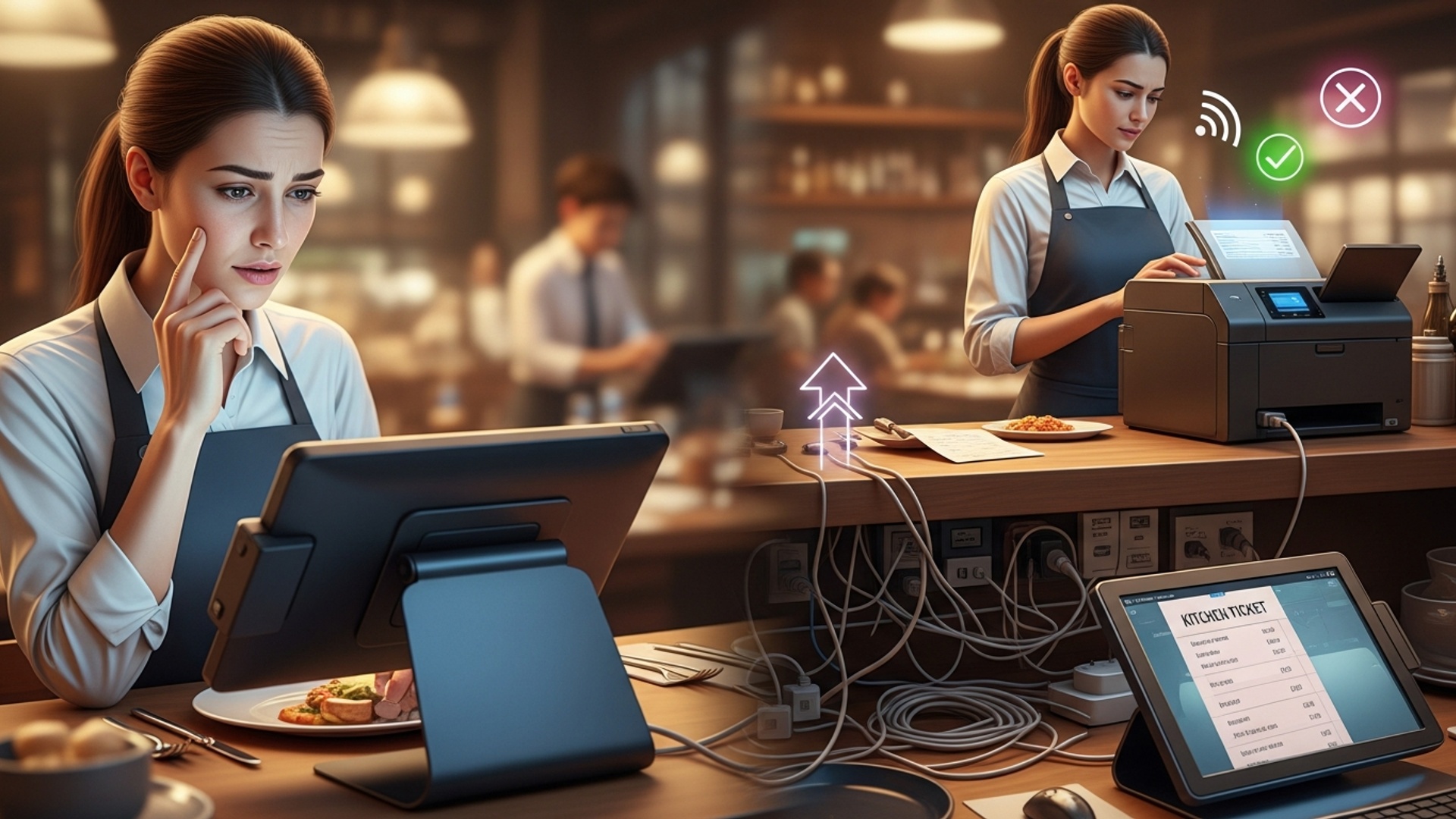
When implementing or upgrading a point-of-sale (POS) system in your eatery, understanding the nuances of modern restaurant POS software is paramount. One of the most common, yet easily avoidable, pitfalls is the failure to adequately train staff on its proper use. A powerful POS system is only as effective as the people operating it. Many restaurateurs invest heavily in cutting-edge technology but assume their team will naturally adapt or pick things up on the fly. This oversight often leads to slower service, frustrated employees, order inaccuracies. ultimately, a poor customer experience.
For instance, I once consulted for a bustling pizzeria that had just installed a sophisticated new POS system designed to streamline order taking and kitchen communication. But, they rushed the training, giving staff only a cursory overview. Within days, the kitchen was receiving duplicate orders, servers were struggling to apply discounts correctly. the end-of-day reconciliation became a nightmare. The system, though advanced, was underperforming because the users lacked a deep understanding of its features and workflows.
Develop a comprehensive training program that goes beyond basic button-pushing. This should include:
- Dedicated training sessions for all staff members, including front-of-house, back-of-house (if they interact with kitchen display systems). management.
- Role-specific training modules, focusing on features relevant to each position (e. g. , server training on order modifiers, manager training on reporting and voids).
- Practice scenarios using a training mode or sandbox environment before going live.
- Ongoing refresher training and a clear point of contact for questions or issues.
- Create a simple, accessible “cheat sheet” or quick reference guide for common tasks.
Ignoring Data Analytics and Reporting
Modern restaurant POS software is more than just a transaction processing tool; it’s a goldmine of operational data. Many businesses, But, make the mistake of underutilizing the robust reporting and analytics features embedded within their POS system. They might print a daily sales report but fail to dive deeper into insights that could drive profitability and efficiency. This neglect means missing critical opportunities to interpret customer behavior, optimize menus, manage inventory effectively. identify peak performance times or areas needing improvement.
Consider a cafe owner who diligently tracks daily sales but never looks at item-level sales data. They might be selling a lot of coffee. without drilling down, they wouldn’t realize that their specialty lattes are barely breaking even due to high ingredient costs, or that a particular pastry consistently sells out, indicating a need to increase production. This lack of data-driven decision-making can lead to suboptimal menu pricing, inefficient staffing schedules. overlooked opportunities for promotions.
Make data analysis a regular part of your business operations. Leverage your POS system’s reporting capabilities to:
- Review daily, weekly. monthly sales trends for specific items, categories. time periods.
- examine labor costs against sales to optimize staffing levels.
- Track inventory usage and identify popular/unpopular dishes to refine your menu.
- Monitor customer spending habits to inform loyalty programs or targeted marketing.
- Use reports to identify server performance, average check sizes. table turnover rates.
- Set up automated reports to be delivered to key stakeholders regularly.
Neglecting System Security and Updates
In an increasingly digital world, the security of your POS system is paramount, especially when handling sensitive customer payment insights. A common mistake is to treat the POS system as a standalone appliance, neglecting crucial security protocols and software updates. Failure to maintain system security can lead to data breaches, compliance violations (like PCI DSS), financial penalties. severe damage to your restaurant’s reputation. Outdated software can also be vulnerable to new threats and may lack critical bug fixes or performance enhancements.
A high-profile case involved a small chain of restaurants that suffered a data breach because their POS terminals were running outdated software with known vulnerabilities. Hackers exploited these weaknesses to steal credit card insights from thousands of customers. The fallout included costly forensic investigations, legal fees, credit monitoring for affected customers. a significant loss of customer trust. All of this could have been mitigated by adhering to a strict update and security protocol.
Prioritize the security and regular maintenance of your POS system:
- Ensure your POS vendor provides regular software updates and apply them promptly. Cloud-based restaurant POS software often handles this automatically, reducing manual effort.
- Use strong, unique passwords for all POS accounts and change them regularly.
- Implement role-based access controls, granting employees access only to the features necessary for their job functions.
- Regularly back up your data, especially if you’re using an on-premise system.
- Ensure all payment terminals are EMV-compliant and that your network is secure (e. g. , using firewalls and encrypted Wi-Fi).
- Educate staff on phishing scams and secure POS usage practices.
Choosing the Wrong Restaurant POS Software for Your Business Model
Not all POS systems are created equal. one of the most significant mistakes a restaurateur can make is selecting a system that doesn’t align with their specific business model. A fine-dining restaurant, a quick-service cafe, a food truck. a multi-location chain all have vastly different operational needs. Opting for a generic or ill-suited POS can lead to inefficiencies, unnecessary costs. a constant struggle to adapt the software to your workflow rather than the other way around.
For example, a high-volume quick-service restaurant (QSR) needs lightning-fast order entry, robust drive-thru capabilities. efficient kitchen display systems (KDS). If they choose a POS designed for complex table management and intricate menu customization found in fine dining, they’ll find themselves bogged down by irrelevant features and lacking essential QSR functionalities. Conversely, a fine-dining establishment would suffer with a basic QSR POS that can’t handle reservations, table mapping, split checks, or detailed ingredient tracking.
Here’s a simplified comparison to illustrate different needs:
| Feature | Quick Service Restaurant (QSR) | Fine Dining Restaurant |
|---|---|---|
| Order Entry Speed | Critical (tap-and-go, quick modifiers) | crucial (but often more detailed) |
| Table Management | Less critical (minimal seating) | Essential (reservations, seating charts, course tracking) |
| Kitchen Display System (KDS) | Highly critical (rapid order fulfillment) | vital (expediting, course timing) |
| Payment Processing | Fast, integrated card readers, mobile payments | Table-side payments, split checks, gratuity management |
| Inventory Management | Basic tracking, quick reorder points | Detailed recipe management, ingredient-level tracking, waste management |
| Customer Relationship Management (CRM) | Loyalty programs, basic customer data | Detailed guest profiles, dietary restrictions, past orders, special requests |
Before committing to a POS system, thoroughly assess your restaurant’s unique operational requirements:
- List out your absolute ‘must-have’ features and your ‘nice-to-have’ features.
- Consider your restaurant type (QSR, full-service, bar, cafe, food truck).
- Think about your average transaction volume and complexity.
- Evaluate future growth plans (e. g. , adding online ordering, loyalty programs, new locations).
- Request demos from multiple vendors and ensure they can showcase features relevant to your specific needs.
- Read reviews and case studies from similar businesses.
Overlooking Inventory Management Capabilities
For restaurants, managing inventory effectively is directly linked to profitability. A significant mistake is failing to leverage the inventory management features built into many modern restaurant POS software solutions. This oversight often leads to excessive food waste, costly stockouts, inaccurate food costing. ultimately, a substantial drain on your bottom line. Without proper tracking, it’s difficult to know what’s selling, what’s expiring. when to reorder, leading to either spoilage or missed sales opportunities.
Imagine a bustling bistro that consistently runs out of its most popular daily special by early evening. This isn’t just a minor inconvenience; it’s lost revenue and potentially disappointed customers. Conversely, they might over-order expensive ingredients for less popular dishes, leading to spoilage and wasted capital. This scenario is all too common when inventory isn’t meticulously tracked and integrated with sales data from the POS.
Fully utilize your POS system’s inventory management features:
- Set up detailed ingredient tracking for all menu items, including recipe costing.
- Implement real-time inventory deductions as items are sold through the POS.
- Establish par levels and automated reorder points for critical ingredients.
- Conduct regular inventory counts and reconcile them with your POS data to identify discrepancies and reduce shrinkage.
- Use inventory reports to identify slow-moving items and optimize purchasing.
- Track supplier details and pricing within the system to streamline ordering.
Failing to Integrate with Other Systems
In today’s interconnected business environment, a standalone POS system is an island. A common mistake is to operate your restaurant POS software in isolation, failing to integrate it with other crucial operational tools. This lack of integration creates data silos, increases manual data entry, introduces errors. prevents a holistic view of your business. Key areas often neglected include online ordering platforms, accounting software, loyalty programs. employee scheduling tools.
Take, for instance, a restaurant that uses a third-party online ordering platform separate from its POS. Orders come in through one system. staff then have to manually input them into the POS to send to the kitchen and process payments. This dual entry is time-consuming, prone to human error. creates discrepancies in sales reporting. Similarly, if your POS sales data isn’t automatically syncing with your accounting software, your bookkeeper spends hours manually reconciling transactions, increasing costs and the risk of errors.
Prioritize integration to create a seamless operational ecosystem:
- Identify all critical software solutions your restaurant uses (e. g. , accounting, online ordering, reservations, loyalty, payroll).
- When selecting a POS, inquire about its integration capabilities with these specific tools. Many modern POS systems offer robust APIs (Application Programming Interfaces) or pre-built integrations.
- An example of how an integration might look:
// Pseudocode for a POS-to-Accounting integration function processDailySales(posSalesData) { // Validate and format data let formattedData = formatForAccounting(posSalesData); // Send data to accounting software API let response = accountingSoftwareAPI. post('/sales-journal', formattedData); if (response. status === 200) { log('Daily sales successfully posted to accounting.') ; } else { logError('Failed to post sales to accounting: ' + response. message); } } - Leverage integrations to automate data flow between systems, reducing manual work and improving data accuracy.
- Ensure your chosen POS can grow with your integration needs, allowing you to add more connections as your business evolves.
Sticking with Outdated Hardware or Software
Technology evolves rapidly. what was cutting-edge a few years ago might now be a bottleneck. A frequent mistake made by restaurateurs is clinging to outdated POS hardware or software, often due to perceived cost savings or resistance to change. This can lead to slow transaction times, frequent system crashes, lack of compatibility with new payment methods (like contactless or mobile payments). an inability to access modern features that could significantly enhance efficiency and customer experience.
I worked with a diner that was still using a legacy POS system from the early 2000s. Their terminals were slow, frequently froze. couldn’t process EMV chip cards, leaving them vulnerable to chargebacks. When they tried to implement an online ordering system, they discovered their old POS couldn’t integrate with any modern platforms, forcing them into a cumbersome manual process. Their servers were constantly frustrated by the clunky interface. customers were often delayed at checkout due to system lag.
Regularly assess your POS hardware and software for obsolescence:
- Monitor the performance of your existing system. Are transactions slow? Does it crash frequently?
- Evaluate if your hardware supports modern payment methods (EMV, NFC/contactless).
- Check if your software vendor is still providing updates and support. If not, it’s a clear sign to upgrade.
- Research newer restaurant POS software solutions and their features. Cloud-based systems, in particular, offer continuous updates and often leverage modern hardware.
- Factor in the total cost of ownership, including maintenance, potential downtime. lost efficiency, when comparing the cost of an old system versus a new one. The initial investment in an upgrade often pays for itself through improved operations and customer satisfaction.
Conclusion
Navigating the complexities of restaurant operations demands precision. your POS software is at the heart of it. By diligently addressing issues like insufficient staff training, overlooking critical software updates, or mismanaging inventory data, you lay a robust foundation for success. I’ve personally witnessed how a proactive approach to POS management – ensuring every team member is proficient, for instance – can transform daily service from chaotic to seamless, particularly during peak hours like a Friday dinner rush. In today’s fast-paced dining landscape, where efficiency and data-driven decisions are paramount, leveraging your POS system to its full potential isn’t just an option; it’s a strategic imperative. Embrace continuous learning and system optimization to unlock unparalleled operational fluidity and enhanced guest experiences, ultimately boosting your bottom line and reputation. For further insights on making the right choices for your restaurant, consider exploring related topics.
More Articles
How to Select Essential POS Features for Your Restaurant’s Success
Boost Profits and Efficiency With These 5 Restaurant POS Tips
Are You Using All 6 Hidden Benefits of Your Restaurant POS System
How to Maximize Your Restaurant’s Efficiency With Key POS Features
10 Smart Ways Restaurant POS Software Can Cut Your Operating Costs

FAQs
Why is it so crucial to properly train my staff on the POS system?
Proper staff training ensures smooth operations, reduces order errors, speeds up service. ultimately improves the customer experience. Untrained staff can cause delays, frustration. costly mistakes.
Should I really bother with all those POS software updates?
Absolutely! Skipping updates can leave your system vulnerable to security risks and prevent you from accessing new features, bug fixes. performance enhancements that keep your operations running smoothly and securely.
What’s the big deal if I don’t regularly back up my restaurant’s POS data?
Not backing up data is a huge risk. You could lose critical sales records, inventory levels, customer details. employee data in case of a system crash, hardware failure, or cyber incident, leading to significant business disruption and potential financial loss.
My POS has inventory features. Are they actually useful?
Yes, incredibly useful! Leveraging inventory management through your POS helps you track ingredients, manage stock levels, reduce waste, identify popular items. make smarter purchasing decisions, directly impacting your bottom line.
How can I tell if my restaurant POS system isn’t the right fit anymore?
Signs include frequent crashes, a lack of essential features for your specific restaurant type, a difficult or slow user interface, poor integration with other tools, or a lack of responsive customer support. Your POS should simplify, not complicate, your operations.
Why should I pay attention to the reports my POS generates?
POS reports offer invaluable insights into sales trends, peak hours, best-selling menu items, staff performance. more. Analyzing this data helps you make informed decisions to optimize staffing, menu, promotions. overall business strategy.
What’s the biggest mistake when we run into a POS problem?
The biggest mistake is often ignoring the problem or trying to fix complex issues without expert help. Promptly contacting your POS provider’s support team can prevent minor glitches from escalating into major disruptions and ensure quick, effective resolution.