Discover Seven Ways Restaurant POS Software Boosts Your Business Profits
In today’s fiercely competitive culinary landscape, merely processing transactions is no longer enough; optimizing every operational facet is paramount for sustained profitability. Modern Restaurant POS software transcends basic order entry, evolving into a sophisticated ecosystem designed to streamline workflows and directly boost your bottom line. Leveraging real-time data analytics, advanced inventory management. intelligent labor scheduling, these systems empower operators to minimize waste, enhance order accuracy. personalize customer experiences, converting operational efficiencies into tangible revenue growth. This technological integration is indispensable for thriving amidst rising costs and evolving consumer demands, ensuring a robust, data-driven approach to business management.

Streamlining Order Management and Reducing Errors
One of the most immediate and impactful ways restaurant POS software elevates your business profits is by fundamentally transforming how orders are managed. Gone are the days of deciphering handwritten tickets, leading to costly mistakes and frustrated customers. A modern point-of-sale system digitizes the entire ordering process, from the moment a server takes an order to its preparation in the kitchen and final delivery to the table.
Imagine a bustling Saturday night. Without an efficient POS, servers might jot down orders on pads, run them to the kitchen. hope for the best. This manual process is ripe for errors – misheard items, incorrect modifiers, illegible handwriting, or lost tickets. Each error translates directly into wasted food, longer wait times. potentially dissatisfied customers who might not return. With a robust restaurant POS system, orders are entered directly into a tablet or terminal, allowing for:
- Accuracy
- Speed
- Reduced Waste
- Improved Customer Satisfaction
Digital menus with customizable modifiers ensure every order is precise. If a customer requests “no onions” or “extra cheese,” it’s clearly communicated.
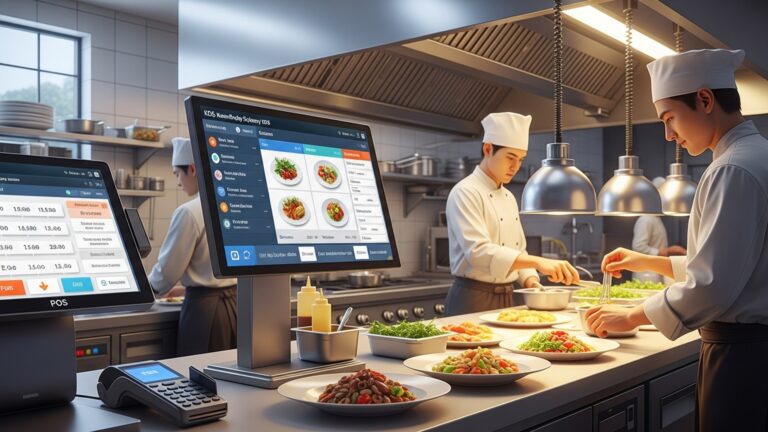
Orders are instantly transmitted to the kitchen display system (KDS) or a printer, cutting down on transit time and allowing kitchen staff to start preparation sooner.
Fewer incorrect orders mean less food is prepared mistakenly and subsequently thrown away, directly impacting your food costs.
Accurate and timely orders lead to happier diners, increasing the likelihood of repeat business and positive reviews.
For example, a busy pizzeria using a traditional system might frequently face issues with wrong toppings or delayed orders during peak hours. Implementing a POS system with a KDS ensures every pizza order, with its specific toppings and special instructions, is displayed clearly to the pizza makers, drastically reducing errors and speeding up output. This efficiency directly translates into higher table turnover and reduced ingredient waste, boosting your bottom line.
Optimizing Inventory and Minimizing Waste
Food cost is often the single largest variable expense for any restaurant. Without precise control, ingredients can expire, be over-ordered, or simply disappear. This is where the advanced inventory management capabilities within modern POS software become invaluable. It’s not just about tracking what you have; it’s about understanding what you use, what you sell. what you waste.
An integrated POS system allows you to:
- Track Ingredients in Real-Time
- Set Up Automatic Reordering
- Identify Waste and Spoilage
- Manage Vendor Relationships
Every item sold deducts the corresponding ingredients from your inventory. This provides an accurate, up-to-the-minute overview of your stock levels.
Configure minimum stock levels for key ingredients. When stock falls below this threshold, the system can automatically generate purchase orders or alert you to reorder, preventing stockouts and ensuring you always have what you need.
By reconciling actual inventory against sales data, you can pinpoint discrepancies. Is a certain ingredient expiring before it’s used? Are portions being consistently oversized? The data helps identify leakage points.
Store vendor insights, pricing. order history, allowing for better negotiation and cost comparison.
Consider a fine-dining establishment that prides itself on fresh ingredients. Without a POS system’s inventory module, tracking high-value items like premium cuts of meat or exotic seafood can be a nightmare. A chef might manually estimate usage, leading to either over-ordering and spoilage, or under-ordering and missed sales opportunities. With a POS, every steak sold updates the inventory count, providing precise data for reordering and cost analysis. This meticulous tracking can reduce food waste by 5-10%, a significant boost to profit margins.
Enhancing Customer Experience and Loyalty with Restaurant POS Software
In today’s competitive culinary landscape, customer loyalty is a goldmine. Repeat customers spend more, are less price-sensitive. act as organic marketers for your brand. Restaurant POS software is a powerful tool for cultivating these relationships, transforming a transactional visit into a personalized experience.
How does it achieve this?
- Personalized Service
- Integrated Loyalty Programs
- Faster Service and Checkout
- Feedback Collection
A POS system can store customer preferences, order history. even dietary restrictions. When a returning customer dines, staff can access this details to offer a truly personalized experience – “Welcome back, Sarah! Would you like your usual latte?”
Implement points-based systems, tiered rewards, or special discounts directly through your POS. Customers can easily earn and redeem rewards, encouraging them to choose your establishment over competitors.
Efficient order processing and quick payment options (split bills, mobile payments) reduce wait times, leaving customers with a positive lasting impression.
Some advanced POS systems allow for integrated customer feedback, providing immediate insights into their experience, allowing you to address issues proactively.
A café, for instance, might struggle to build a loyal following without a way to recognize its regulars. By implementing a loyalty program through its POS, customers can earn points for every purchase. After accumulating a certain number, they might receive a free coffee or pastry. This not only encourages repeat visits but also provides valuable data on popular items and peak customer times, allowing the café to tailor promotions and staff schedules for maximum profit.
Gaining Data-Driven Insights for Strategic Decisions
Making informed business decisions is crucial for growth and profitability. Guesswork, intuition. anecdotal evidence can lead to costly missteps. Modern POS software transforms raw transactional data into actionable business intelligence, empowering restaurant owners and managers to make strategic choices based on concrete facts.
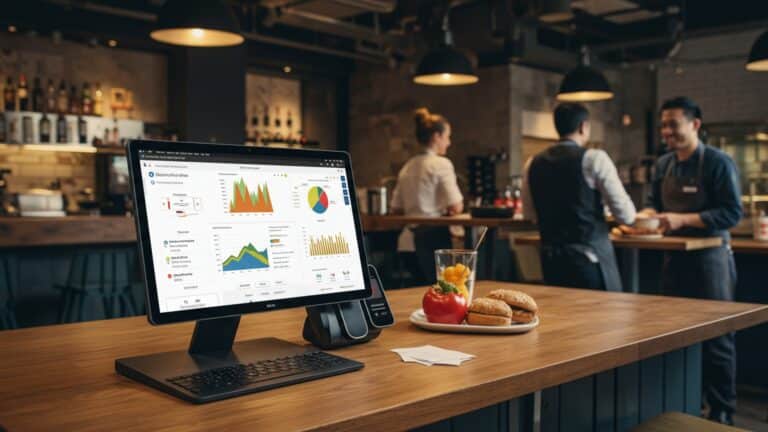
The reporting and analytics features of a POS system can provide insights into:
- Sales Performance
- Menu Item Popularity and Profitability
- Staff Performance
- Cost Analysis
interpret daily, weekly, monthly. yearly sales trends. Identify peak hours, popular days. seasonal fluctuations.
Which dishes are best sellers? Which have the highest profit margins? Which are slow-moving and might need to be removed or re-engineered?
Track individual server sales, average check sizes. table turnover rates to identify top performers and areas needing additional training.
Compare food costs against sales revenue to calculate exact profit margins for each dish, ingredient, or even shift.
Consider a restaurant owner trying to decide whether to keep a particular dish on the menu. Without POS data, they might rely on gut feeling or infrequent customer comments. With a POS system, they can pull a report showing the dish’s sales volume, ingredient cost. actual profit margin over the last quarter. If the data reveals it’s a low-seller with high ingredient costs, the decision to replace it with a more profitable alternative becomes clear and evidence-based. This analytical capability is a game-changer for optimizing menu engineering and maximizing profitability.
Boosting Staff Efficiency and Productivity
Labor costs are another significant expense for restaurants. While you can’t compromise on quality staff, you can ensure they are working as efficiently and productively as possible. Restaurant POS software is designed to automate routine tasks, streamline communication. provide tools that empower your team to deliver better service in less time.
Here’s how it helps:
- Faster Order Entry
- Table Management
- Streamlined Communication
- Automated Task Management
Intuitive touchscreens and customizable menus mean new staff can quickly learn the system, reducing training time and errors.
Visual floor plans allow staff to see table status (occupied, waiting for food, ready for bill), improving table turnover.
Orders go directly to the kitchen, eliminating the need for servers to physically deliver tickets, freeing them up to interact with customers.
Features like automatic tip pooling calculations, time clock integration. shift scheduling reduce administrative burdens on management.
A bustling diner, for example, often struggles with servers juggling multiple tables, sometimes forgetting to check on customers or deliver bills promptly. A POS system with integrated table management allows servers to see at a glance which tables need attention, process payments tableside. quickly send orders to the kitchen without leaving the floor. This increased efficiency means servers can handle more tables, provide better service. ultimately contribute more to the restaurant’s overall revenue without feeling overwhelmed. A well-trained staff, supported by efficient tools, leads to higher job satisfaction and lower turnover, further saving costs.
Facilitating Multi-Channel Sales and Online Ordering
In the modern dining landscape, customers expect convenience. This means being able to order food through various channels – in-person, over the phone, through a website, or via third-party delivery apps. A comprehensive POS system is the central hub that makes multi-channel sales not just possible. profitable.
A robust POS facilitates:
- Seamless Online Ordering
- Third-Party Delivery Integration
- Unified Menu Management
- Diverse Payment Options
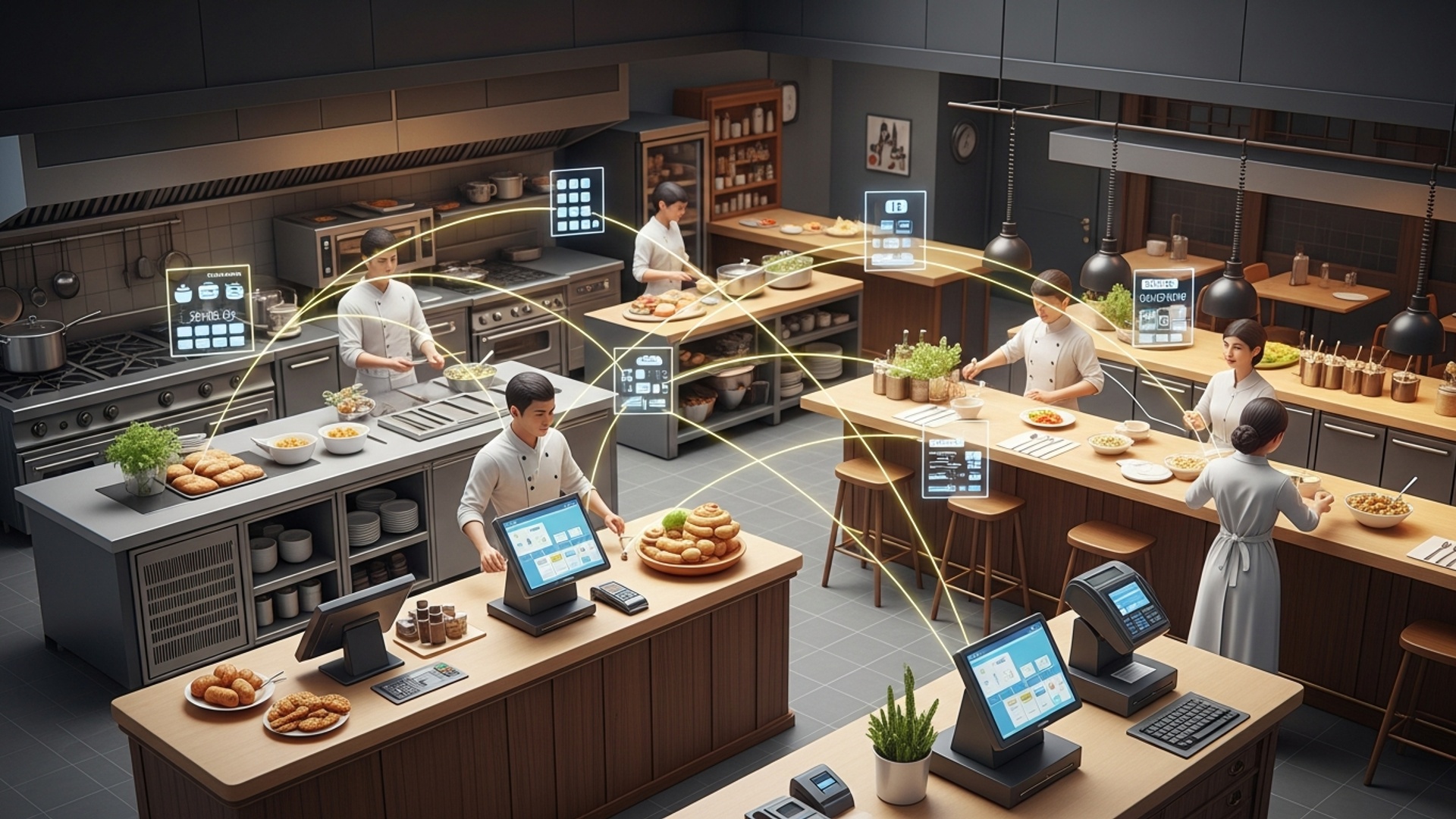
Integrate your restaurant’s website or a dedicated online ordering platform directly with your POS. Orders placed online flow directly into your kitchen display system, just like in-house orders.
Many advanced POS systems now integrate directly with popular delivery platforms (e. g. , DoorDash, Uber Eats, Grubhub). This eliminates the need for multiple tablets and manual re-entry of orders, reducing errors and saving time.
Update your menu, pricing. availability across all channels (in-house, online, delivery apps) from a single point of control within the POS.
Accept a wide range of payment methods, from traditional cards to mobile wallets and online payments, catering to customer preferences.
Consider a popular takeout spot that relies heavily on online and delivery orders. Without a unified system, staff might be manually entering online orders from a separate tablet into their in-house POS, leading to delays and errors. An integrated solution means an order placed via their website or a delivery app automatically appears on the KDS, the inventory is updated. the payment is processed – all seamlessly. This expanded reach and streamlined operation can significantly increase order volume and unlock new revenue streams, especially during off-peak hours or for catering services.
Reducing Operational Costs and Preventing Theft
Beyond the direct revenue generation, restaurant POS software is also a powerful tool for tightening operational controls, reducing hidden costs. preventing various forms of theft or loss that can erode profits.
It helps in these critical areas:
- Cash Management and Reconciliation
- Void and Discount Tracking
- Employee Permissions
- Reduced Paperwork
- Menu Price Management
Track every transaction, cash deposit. payout with precision. End-of-day reconciliation is faster and more accurate, making it easier to identify discrepancies.
Every void, comp, or discount needs a reason and often managerial approval. The POS logs these events, helping to identify potential misuse or training needs.
Granular access controls mean you can limit what each staff member can do (e. g. , only managers can issue refunds or discounts), reducing internal theft opportunities.
Digital receipts, invoices. reports save on paper, printing costs. storage, contributing to a more sustainable and cost-effective operation.
Instantly update prices across all menu items, ensuring consistency and preventing manual pricing errors that can lead to lost revenue.
For example, a bar owner might frequently find discrepancies in their till at the end of a busy night, unsure if it’s due to errors or internal theft. A POS system allows for detailed tracking of every drink poured, every discount applied. every cash transaction. If an employee frequently voids high-value drinks without proper justification, the system’s reports will flag this anomaly, allowing the owner to investigate. This level of transparency and accountability can significantly reduce shrinkage and improve overall profitability by plugging financial leaks.
Conclusion
Embracing modern restaurant POS software isn’t just about processing payments; it’s a strategic move to significantly enhance your bottom line. By optimizing inventory to minimize waste, streamlining order flows for quicker service. providing invaluable data insights, these systems directly translate to increased profitability. For instance, analyzing peak hour sales reports can reveal your most lucrative menu items, allowing you to fine-tune purchasing and staffing, a practice I’ve seen countless successful eateries adopt. Truly, understanding the essential features that drive profit is crucial. Beyond immediate gains, a robust POS keeps you ahead in the competitive culinary landscape. My personal tip? Regularly dive into the analytics dashboard. It’s a goldmine for spotting trends, understanding customer preferences. even predicting inventory needs, especially in the current climate where supply chain fluctuations are common. This proactive approach ensures you’re not just reacting. actively shaping your restaurant’s financial future. Don’t merely manage; empower your operations to thrive and watch your profits flourish.
More Articles
Unlock Efficiency 10 Ways Your Restaurant POS Software Boosts Profits
How to Leverage POS Software Features to Boost Restaurant Efficiency
10 Smart Ways Restaurant POS Software Can Streamline Your Daily Operations
How Can Restaurant POS Software Improve Staff and Customer Experience
How to Choose the Right Restaurant POS Features for Your Business

FAQs
How can POS software actually make my restaurant more money?
Restaurant POS software boosts your profits by streamlining operations, cutting down on waste (especially with inventory), speeding up service. giving you valuable data to make smarter business decisions about your menu, staffing. promotions.
Is it just about taking orders faster, or is there more to it?
Much more! While faster order taking is a big benefit, a good POS system also manages your inventory, tracks sales in real-time, helps with staff management. can even improve customer loyalty programs, all contributing to your bottom line.
What about controlling food costs? Can a POS help with that?
Absolutely! It offers real-time inventory tracking, helps you identify popular versus unpopular items, minimizes spoilage. helps you optimize purchasing. This direct control over your ingredients significantly impacts your profit margins.
How does better customer service lead to higher profits?
Happy customers are repeat customers. they often spend more. A robust POS system speeds up service, ensures order accuracy. can even facilitate loyalty programs, all of which build a strong, returning customer base, driving up your revenue.
I’m not great with tech. Is this software hard to learn for my staff?
Most modern restaurant POS systems are designed to be super user-friendly with intuitive interfaces. Training for your staff usually takes very little time, getting your team up to speed and efficient quickly, without a steep learning curve.
Can it help me interpret what’s selling well and what’s not?
Definitely! The software provides detailed sales reports that show you best-selling dishes, peak hours, staff performance. more. This data empowers you to adjust your menu, promotions. operations for maximum profit and efficiency.
Does it really save me time, or just add another thing to manage?
It’s designed to save you a significant amount of time. By automating tasks like order processing, inventory updates. sales reporting, it frees up your staff and management to focus on customer service and growth, rather than tedious manual paperwork.