How Restaurant POS Software Helps Small Restaurants Increase Speed Accuracy and Profits?
In today’s margin-tight dining landscape, Restaurant POS software has become a critical engine for small restaurants seeking speed, accuracy. profitability. Modern cloud-based systems now process orders from tableside tablets, QR codes. delivery apps in real time, reducing ticket times while eliminating manual errors. Features like AI-driven demand forecasting, which gained traction in 2024, help operators align prep with actual traffic patterns, cutting food waste and labor overruns. Integrated inventory tracking updates stock the moment a dish sells, while automated menu syncing prevents pricing mistakes across in-house and online channels. With tap-to-pay, EMV compliance. offline transaction modes now standard, transactions stay fast and secure even during peak hours or outages, turning operational efficiency into measurable profit growth.
Understanding Restaurant POS Software and Its Core Purpose
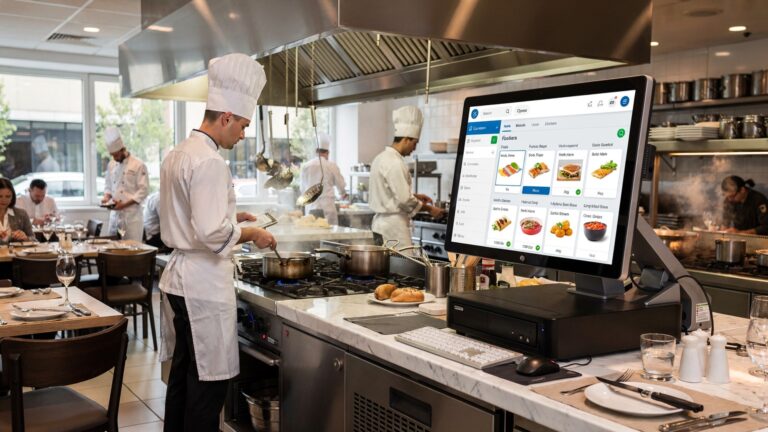
Restaurant POS software refers to a digital point-of-sale system designed specifically for food and beverage businesses to manage orders, payments, inventory, staff. reporting from a single platform. Unlike traditional cash registers, modern Restaurant POS software combines hardware (tablets, terminals, receipt printers) with cloud-based software to streamline daily operations. At its core, a POS system acts as the operational hub of a restaurant. Orders placed by servers or customers are instantly sent to the kitchen, payments are processed securely. sales data is recorded in real time. According to the National Restaurant Association, over 75% of small restaurants in the U. S. now use some form of POS technology to manage their operations more efficiently. Key components typically include:
- Order management (dine-in, takeaway, delivery)
- Payment processing and billing
- Inventory and ingredient tracking
- Employee scheduling and performance tracking
- Sales analytics and reporting dashboards
For small restaurants operating with tight margins, Restaurant POS software is not just a convenience—it is a critical tool for maintaining consistency, reducing errors. supporting growth.
How Restaurant POS Software Increases Order Speed
Speed is essential in the restaurant business, especially during peak hours. Restaurant POS software accelerates service by eliminating manual steps that traditionally slow down operations. In a real-world example, a small café in Austin, Texas reported a 20–25% reduction in order processing time after switching from handwritten tickets to a tablet-based POS system. Orders were sent directly to kitchen display screens, removing the need for runners and minimizing delays. Key speed-enhancing features include:
- Touch-based order entry with customizable menus
- One-click modifiers for common customizations
- Direct kitchen display system (KDS) integration
- Mobile POS devices for tableside ordering
By reducing the time spent taking and relaying orders, staff can focus more on customer interaction, table turnover improves. overall service flow becomes smoother—an crucial competitive advantage for small establishments.
Improving Order Accuracy and Reducing Human Error
Manual order taking is one of the leading causes of customer complaints in small restaurants. Misheard items, illegible handwriting, or forgotten modifiers can all result in incorrect dishes and wasted food. Restaurant POS software addresses these challenges by standardizing how orders are captured and communicated. Every item, modifier. special request is digitally recorded and sent directly to the kitchen. Accuracy improvements are driven by:
- Predefined menu items with required modifiers
- Visual confirmation screens for staff and customers
- Automatic allergy and dietary alerts
- Consistent order formatting for kitchen staff
A study published by Hospitality Technology found that restaurants using POS systems with kitchen display integration reduced order errors by up to 40%. Fewer mistakes mean less food waste, fewer refunds. higher customer satisfaction—directly impacting profitability.
Boosting Profits Through Smarter Sales and Upselling
One of the less obvious but highly valuable benefits of Restaurant POS software is its ability to increase average order value through data-driven upselling. Modern POS systems can prompt staff with intelligent suggestions based on the selected item. For example, when a customer orders a burger, the system may suggest adding fries or a beverage. Common profit-boosting tools include:
- Automated upsell and cross-sell prompts
- Combo and bundle pricing options
- Time-based promotions (happy hours, lunch specials)
- Loyalty programs and digital rewards
According to data from Square and Toast (leading POS providers), restaurants that actively use upsell prompts and loyalty features see an average revenue increase of 10–15%. For small restaurants, this incremental gain can make a significant difference over time.
Inventory Management and Cost Control for Small Restaurants
Food cost control is one of the biggest challenges for small restaurant owners. Restaurant POS software simplifies inventory management by tracking ingredient usage in real time based on sales data. When a menu item is sold, the system automatically deducts the associated ingredients from inventory. This provides accurate stock levels and helps prevent over-ordering or stockouts. Benefits of POS-driven inventory management:
- Real-time inventory tracking
- Low-stock alerts and reorder notifications
- Waste and spoilage reporting
- Menu performance analysis based on food cost
For example, a family-owned bistro in Chicago used POS inventory reports to identify low-margin dishes and replaced them with more profitable options, increasing monthly profits by nearly 8%. This type of insight is difficult to achieve without integrated Restaurant POS software.
Employee Management and Labor Cost Optimization
Labor is often the highest operating expense for small restaurants. Restaurant POS software helps owners control labor costs while maintaining service quality. Many systems include built-in tools for time tracking, scheduling. performance analysis. Employees clock in and out directly through the POS, reducing time theft and payroll errors. Key labor management features:
- Digital time clocks and attendance tracking
- Role-based permissions and access control
- Sales-per-employee performance metrics
- Forecast-based scheduling recommendations
The U. S. Bureau of Labor Statistics notes that inefficient scheduling can increase labor costs by up to 5%. By using POS-driven data to align staffing with demand, small restaurants can operate leaner without overworking employees.
Data Analytics and Reporting for Better Decision-Making
One of the most powerful advantages of Restaurant POS software is access to actionable data. Instead of relying on intuition, owners can make informed decisions based on real performance metrics. POS dashboards typically provide:
- Daily, weekly. monthly sales reports
- Top-selling and low-performing menu items
- Peak hours and customer traffic trends
- Payment method and revenue breakdowns
For example, POS sales reports may reveal that certain items sell well on weekends but underperform on weekdays. Owners can then adjust menus, pricing, or promotions accordingly. Harvard Business Review emphasizes that data-driven businesses are significantly more likely to acquire and retain customers than those relying on guesswork.
Comparison: Traditional Cash Registers vs Modern Restaurant POS Software
| Feature | Traditional Cash Register | Restaurant POS Software |
|---|---|---|
| Order Management | Manual entry | Digital, automated, customizable |
| Reporting | Basic sales totals | Detailed analytics and trends |
| Inventory Tracking | Manual counts | Real-time automated tracking |
| Employee Management | Separate systems or manual logs | Integrated time and performance tracking |
| Scalability | Limited | Highly scalable and cloud-based |
This comparison highlights why many small restaurants are replacing legacy systems with Restaurant POS software to remain competitive in a technology-driven market.
Security, Compliance. Payment Flexibility
Handling customer payments securely is essential for trust and regulatory compliance. Restaurant POS software is typically designed to meet PCI DSS (Payment Card Industry Data Security Standard) requirements, reducing the risk of data breaches. Modern systems support multiple payment types:
- Credit and debit cards
- Mobile wallets (Apple Pay, Google Pay)
- Contactless and QR-based payments
- Gift cards and store credit
During the post-pandemic shift toward contactless dining, many small restaurants adopted POS systems with QR ordering and payment features to improve safety and convenience. These capabilities are now considered a standard expectation among younger diners.
Actionable Steps for Small Restaurants Adopting POS Software
For owners considering implementation, a structured approach ensures better results. Practical steps include:
- Assess current operational pain points (speed, errors, costs)
- Choose Restaurant POS software designed for small businesses
- Train staff thoroughly before full deployment
- Use reporting features weekly to guide decisions
- Continuously refine menus, pricing. staffing using POS data
Industry experts from organizations like the National Restaurant Association recommend starting with core features and expanding functionality over time as staff become more comfortable with the system.
Conclusion
Small restaurants win when speed, accuracy. margins move together. modern POS software is the connector. I’ve seen a 30-seat café cut ticket times during a weekend rush simply by syncing kitchen displays with mobile ordering, a trend that’s now mainstream in 2025 as cloud POS and QR payments become standard. Accuracy improves when orders flow cleanly from table to kitchen, while real-time inventory and sales insights quietly protect profits by flagging waste before it grows. My tip is to start small: enable menu engineering reports first, then automate stock alerts. train staff during slow hours to build confidence fast. As you refine workflows, choose features that fit your rhythm, not the other way around. avoid common pitfalls by learning from guides like how POS reduces errors and speeds service. Momentum follows clarity. with the right POS, every shift becomes smoother, smarter. more profitable—so take the step and lead your floor with confidence.
More Articles
7 Common Restaurant POS Software Mistakes Owners Should Avoid for Better Profits
10 Must Have Restaurant POS Software Features That Improve Daily Operations
7 Ways Restaurant POS Software Improves Order Accuracy and Customer Satisfaction
How to Choose the Best Restaurant POS System Features for Daily Operations
9 Practical Benefits of Using Restaurant POS Software for Daily Operations

FAQs
What is restaurant POS software and why do small restaurants need it?
Restaurant POS software is a digital system that manages orders, payments. daily operations in one place. Small restaurants use it to replace manual processes, reduce mistakes. handle busy service hours more efficiently.
How does POS software help speed up order taking and service?
POS systems allow staff to enter orders quickly and send them directly to the kitchen or bar. This cuts down on back-and-forth communication, shortens wait times. helps serve more customers during peak hours.
Can a POS system really improve order accuracy?
Yes, by reducing handwritten tickets and verbal orders, POS software minimizes misunderstandings. Modifiers, special requests. menu changes are clearly displayed, which helps prevent wrong or missing items.
How does POS software help small restaurants make more profit?
POS systems track sales, popular items. peak hours, helping owners make smarter pricing and staffing decisions. They also reduce waste, prevent order errors. improve table turnover, all of which support higher profits.
Does POS software help with inventory and food costs?
Many POS systems automatically track ingredient usage as items are sold. This helps restaurants monitor stock levels, avoid over-ordering, reduce spoilage. control food costs more effectively.
Is POS software useful for managing staff and shifts?
Yes, POS software often includes tools for tracking employee hours, managing shifts. monitoring performance. This makes scheduling easier and helps ensure labor costs stay within budget.
Will using a POS system improve the customer experience?
Faster service, accurate orders. smoother checkout all contribute to a better dining experience. Some POS systems also support digital receipts and multiple payment options, which customers often appreciate.