Learn How to Unlock Top Restaurant POS System Features for Seamless Operations
In today’s hyper-competitive culinary landscape, mastering your restaurant’s operational backbone is paramount for sustained success. Gone are the days of simple transaction processing; modern diners expect seamless experiences, from QR code menu browsing to contactless payments and personalized loyalty rewards. Unlocking the full potential of your POS system is no longer optional but a strategic imperative. Imagine real-time inventory adjustments preventing food waste, AI-driven sales forecasting optimizing staffing. integrated online ordering platforms boosting revenue without manual intervention. These are among the best restaurant POS system features that empower operators to elevate service, streamline workflows. gain actionable insights from every transaction, ultimately transforming chaotic service into a symphony of efficiency and profitability in a rapidly evolving market.
The Foundation: Understanding Modern Restaurant POS Systems
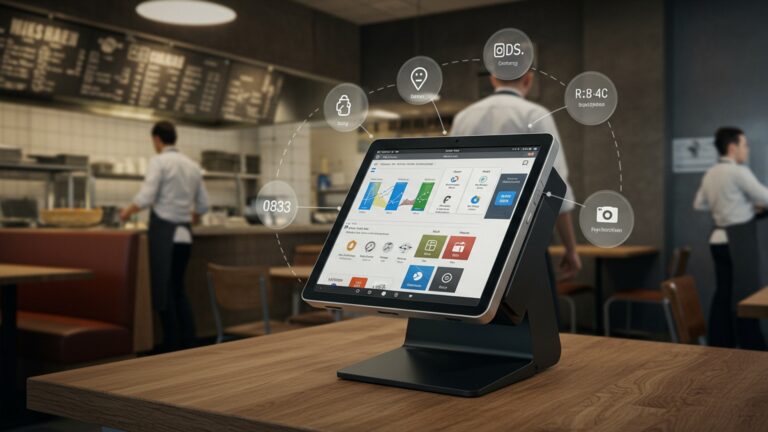
In the fast-paced world of hospitality, a Point-of-Sale (POS) system is far more than just a cash register. It’s the central nervous system of a restaurant, orchestrating everything from order placement to inventory tracking and customer management. While traditional systems might have handled basic transactions, today’s advanced restaurant POS systems are comprehensive platforms designed to streamline operations, enhance customer experiences. drive profitability. For any establishment aiming for seamless operations, understanding and fully utilizing these systems is paramount. They represent a significant technological leap, moving from isolated functions to an integrated ecosystem that provides real-time data and actionable insights.
Beyond the Transaction: Core Advanced Features to Master
The true power of a modern restaurant POS system lies in its advanced features, which extend well beyond simply processing payments. Unlocking these capabilities can transform efficiency and service quality.
- Integrated Table Management & Floor Planning
- Advanced Order Management & Kitchen Display Systems (KDS)
- Real-time Inventory Management
- Comprehensive Employee Management
Gone are the days of paper reservation books and guessing table availability. The best restaurant POS system features include intuitive visual floor plans that allow staff to see table status (occupied, reserved, clean), manage waitlists digitally. assign servers efficiently. This reduces wait times, optimizes seating. improves table turnover. For instance, a manager can quickly identify which tables are nearing completion, allowing them to pre-assign incoming guests and keep the flow smooth during peak hours.
A robust POS system routes orders directly to the appropriate kitchen stations (e. g. , grill, pantry, bar) via a Kitchen Display System. This eliminates handwritten tickets, reduces errors. significantly speeds up preparation times. KDS systems often include timers for each dish, allowing chefs to prioritize and manage multiple orders simultaneously, ensuring dishes are prepared in the correct sequence and delivered hot and fresh. This feature is a cornerstone of efficient back-of-house operations.
This is a game-changer for cost control. Modern POS systems track every ingredient used in recipes, automatically deducting items from inventory as dishes are sold. This provides real-time insights into stock levels, helps identify popular ingredients. alerts management when items are running low. It also aids in reducing waste and preventing theft. Imagine a scenario where a popular seasonal dish is selling out rapidly; the system can immediately flag low stock on a key ingredient, prompting a timely reorder and preventing lost sales.
Beyond simple time clocks, a top-tier POS system offers tools for scheduling, tracking employee hours, managing payroll integration. even monitoring sales performance per server. This helps optimize staffing levels during peak and off-peak hours, reduces labor costs. provides data for performance reviews. Some systems even allow employees to swap shifts and request time off directly through the platform, streamlining communication and management overhead.
Driving Customer Loyalty: CRM and Marketing Capabilities
In a competitive market, retaining customers is as vital as attracting new ones. The best restaurant POS system features extend into customer relationship management (CRM) and targeted marketing.
- Integrated Customer Relationship Management (CRM)
- Personalized Loyalty Programs and Promotions
- Seamless Online Ordering & Delivery Integration
A powerful POS collects customer data (order history, preferences, visit frequency) from every interaction. This data allows restaurants to personalize service, remember customer favorites. even anticipate needs. For example, if a customer frequently orders a specific wine, a server can proactively suggest it on their next visit. This level of personalized service builds strong loyalty.
Leveraging CRM data, POS systems can power sophisticated loyalty programs. Customers can earn points, receive exclusive discounts, or get special offers based on their spending habits or visit frequency. This could range from a free coffee after 10 purchases to a personalized birthday discount, all managed seamlessly through the POS. This direct marketing capability is among the most impactful of the best restaurant POS system features.
With the rise of digital dining, a POS system that integrates online ordering and third-party delivery platforms (e. g. , Uber Eats, DoorDash) is essential. This consolidates all orders into a single system, simplifying kitchen operations and preventing missed orders. It also allows restaurants to manage their online presence and menus from one central hub, ensuring consistency and accuracy across all channels.
Data-Driven Decisions: Unlocking Powerful Reporting and Analytics
One of the most valuable aspects of a modern POS system is its ability to generate detailed reports and analytics. These insights are crucial for making informed business decisions and identifying areas for improvement.
- Granular Sales Reporting
- Comprehensive Labor Cost Analysis
- Detailed Food Cost Analysis
- Customer Behavior Insights
Beyond total sales, a POS can break down sales by hour, day, server, menu item. category. This helps identify peak hours for staffing, popular dishes to promote. slow-moving items to reconsider. For instance, analyzing sales data might reveal that a specific appetizer sells exceptionally well on weekends, prompting a targeted promotion for it on those days.
By integrating employee time tracking with sales data, the system can calculate labor costs as a percentage of sales, allowing managers to optimize staffing schedules to meet demand without overspending. This helps in fine-tuning operational efficiency.
Coupled with inventory management, the POS can provide accurate food cost percentages for each dish, helping to price menu items profitably and identify areas where ingredient costs might be too high. This is a critical component for maintaining healthy profit margins.
Reports can reveal customer visit patterns, average spend. preferred menu items, allowing for more effective marketing campaigns and menu adjustments. Understanding who your best customers are and what they prefer is invaluable.
Seamless Integration: Connecting Your Entire Ecosystem
The true power of modern POS lies in its ability to integrate with other essential business tools, creating a unified operational ecosystem.
- Payment Processor Integration
- Accounting Software Integration
- Third-Party Delivery Platform APIs
- Reservation System Integration
Modern POS systems support a wide range of payment options, including EMV chip cards, contactless payments (NFC), mobile payments (Apple Pay, Google Pay). even QR code payments. Seamless integration with payment processors ensures fast, secure. reliable transactions, reducing checkout times and enhancing customer satisfaction.
Connecting your POS directly to accounting software like QuickBooks or Xero eliminates manual data entry, reduces errors. simplifies financial reconciliation. This integration automatically feeds sales data, labor costs. inventory purchases into your accounting system, saving countless hours for your administrative team.
As mentioned, integrating with services like Uber Eats, DoorDash. Grubhub ensures that all online orders flow directly into your POS and KDS, centralizing order management and preventing operational bottlenecks. This is a crucial feature for restaurants expanding their reach through delivery.
For restaurants that use platforms like OpenTable or Resy, direct integration with the POS system allows for real-time table availability updates, guest notes synchronization. streamlined booking management. This creates a cohesive front-of-house experience.
// Example of a conceptual API integration (simplified)
// This isn't actual code but illustrates the idea of data flow. function processOnlineOrder(orderData) { // 1. Receive order from third-party delivery platform API // e. g. , from Uber Eats webhook // 2. Validate order details and customer info // 3. Create new order in POS system POS_SYSTEM. createOrder({ id: orderData. orderId, items: orderData. items, customer: orderData. customerInfo, paymentStatus: 'pending' // or 'paid' }); // 4. Send order to Kitchen Display System (KDS) KDS_SYSTEM. displayOrder(orderData. orderId); // 5. Update inventory levels INVENTORY_SYSTEM. deductItems(orderData. items); // 6. Send confirmation back to delivery platform return { status: 'success', message: 'Order received and processed.' };
}
Real-World Impact: Case Studies and Actionable Strategies
Understanding these features conceptually is one thing; seeing them in action truly highlights their value. Here are a couple of illustrative scenarios and actionable takeaways.
- Case Study: The Artisan Bakery & Cafe’s Inventory Revolution
“The Daily Crumb,” a popular local bakery and cafe, struggled with inconsistent ingredient costs and frequent stockouts of popular items. Their traditional register system offered no inventory tracking. After implementing a new POS system with robust inventory management as one of its best restaurant POS system features, they began tracking every gram of flour and every coffee bean. Within three months, they reduced food waste by 15% and identified that their artisan bread’s profit margin was lower than expected due to inconsistent flour pricing from a secondary supplier. By switching to a single, more reliable supplier identified through cost analysis, they boosted their bread’s profitability by 8%. Actionable Takeaway: Don’t underestimate the power of granular inventory tracking. Regularly review food cost percentages and supplier performance. - Case Study: “The Gilded Spoon” Elevates Guest Experience with CRM
“The Gilded Spoon,” a high-end dining establishment, prided itself on service but lacked a systematic way to remember guest preferences. Their new POS system integrated a powerful CRM. Now, when a regular guest, Ms. Davies, makes a reservation, her profile pops up, showing her preference for a window seat, her allergy to shellfish. her favorite Merlot. The staff can greet her by name, offer her preferred table. ensure her dietary needs are met without her needing to reiterate them. This personalized attention has led to a significant increase in repeat business and glowing online reviews. Actionable Takeaway: Leverage CRM data to create memorable, personalized dining experiences. Train staff to utilize guest notes and preferences for every interaction.
- Audit Your Current Operations
- Prioritize Features by Business Goals
- Invest in Training
- Start Small, Then Expand
Identify pain points in your current workflow. Are orders frequently wrong? Is inventory constantly out of sync? This will highlight which POS features will provide the most immediate impact.
If your goal is to reduce waste, prioritize inventory management. If it’s customer retention, focus on CRM and loyalty programs. The ‘best restaurant POS system features’ are those that directly address your unique challenges.
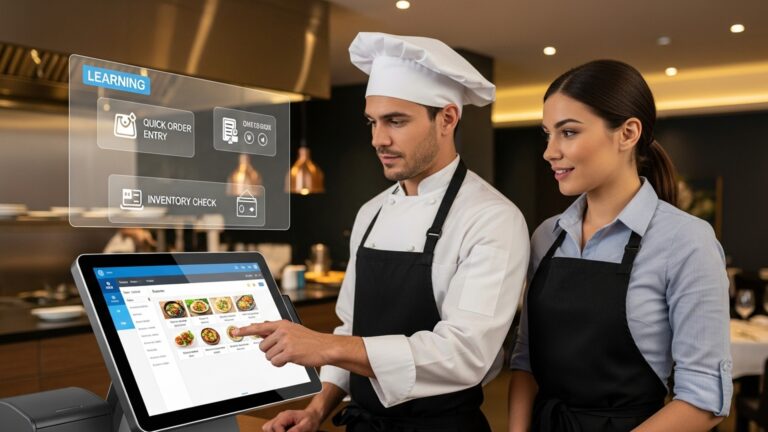
Even the most advanced POS system is only as good as the team using it. Provide thorough, ongoing training for all staff members, from front-of-house to kitchen staff, ensuring they grasp how to utilize each feature effectively.
You don’t have to implement every advanced feature on day one. Start with the most impactful ones, ensure your team is proficient. then gradually introduce more capabilities.
Choosing the Right System: What to Look For
When evaluating different POS solutions, consider these critical factors to ensure you select a system that genuinely supports seamless operations and provides the best restaurant POS system features for your specific needs.
| Feature/Aspect | Description | Why it Matters |
|---|---|---|
| Scalability | Can the system grow with your business? Add more terminals, locations, or features easily? | Ensures long-term viability and avoids costly system overhauls as you expand. |
| User-Friendliness | Is the interface intuitive for staff to learn and operate quickly, especially during peak hours? | Reduces training time, minimizes errors. speeds up service. |
| Reliable Support | What kind of customer support is offered (24/7, phone, email, chat)? How responsive are they? | Crucial for troubleshooting issues quickly and preventing operational downtime. |
| Integration Capabilities | Does it integrate with your existing or planned accounting, reservation. delivery platforms? | Creates a unified ecosystem, streamlines data flow. avoids manual data entry. |
| Security Features | Does it comply with PCI standards for payment processing? Does it offer data encryption and user access controls? | Protects sensitive customer data and your business from security breaches. |
| Cost vs. Value | interpret the total cost of ownership (hardware, software, subscription, support) and compare it to the value of features provided. | Ensures you get a robust system that fits your budget and delivers a strong ROI. |
Conclusion
Mastering your restaurant POS system isn’t merely about processing transactions; it’s about unlocking a strategic advantage for seamless operations. By actively delving beyond the basics, you empower your team and elevate customer experiences. For instance, configuring your inventory management to automatically trigger reorders based on real-time sales data, a recent development, drastically reduces waste and ensures popular items are always in stock. I’ve personally seen restaurants transform their peak hour efficiency by leveraging customisable table management and integrated online ordering, directly impacting service speed and customer satisfaction. Your actionable next step is to explore one new, underutilised feature each week, perhaps starting with advanced reporting to pinpoint sales trends or optimising your staff management module. This proactive approach, as highlighted in articles like How to Utilize Key POS Features to Boost Your Restaurant’s Efficiency, is crucial. Embrace your POS as a powerful co-pilot, not just a tool. watch your restaurant not only run smoothly but thrive in today’s competitive landscape.
More Articles
Learn 10 Powerful Restaurant POS Features to Boost Your Daily Operations
Master 5 Key Strategies to Optimize Restaurant Operations with POS Software
Learn 10 Essential Features Every Restaurant POS System Must Have
Unlock 8 Practical Strategies to Maximize Your Restaurant POS Software
Master Key Restaurant POS System Features to Boost Your Operations

FAQs
Why should I even bother learning to unlock more features on my restaurant POS system?
Unlocking more features transforms your POS from just an order taker into a powerful management tool. It helps you streamline everything from table management and order accuracy to inventory tracking and staff scheduling, ultimately leading to smoother operations, happier customers. better profits.
My POS handles orders fine. What’s the real benefit of diving deeper into its capabilities?
While basic order processing is essential, many POS systems have advanced features you might not even know you have, like detailed sales analytics, customer relationship management (CRM), integrated loyalty programs, or even kitchen display system (KDS) integration. Utilizing these can significantly boost efficiency, reduce errors. give you valuable insights to grow your business beyond just taking orders.
Is it complicated to learn all these advanced POS features? I don’t have a lot of extra time.
It really depends on your specific system. most modern POS platforms are designed with user-friendliness in mind. Many features can be learned quickly with a bit of training or by exploring your system’s help resources. The time investment upfront often pays off quickly by saving countless hours in daily operations and reducing manual tasks.
How does a better-used POS actually improve things for my customers?
A well-optimized POS means faster, more accurate orders, fewer mistakes. quicker table turns. It can also enable personalized service through customer profiles, smoother payment processes. even integrated loyalty programs, all contributing to a more enjoyable and efficient dining experience for your guests.
What kind of problems can mastering my POS solve for my staff?
Your staff will love a fully optimized POS! It can reduce manual entry errors, simplify order modifications, speed up checkout times, improve communication between front-of-house and back-of-house (especially with KDS). even help with scheduling and time tracking. This frees them up to focus more on guest service and less on frustrating technical hiccups.
Is this only for big, fancy restaurants, or can my small cafe or food truck benefit too?
Absolutely not just for big places! Any size of food business, from a small cafe to a bustling food truck, can gain huge advantages by utilizing their POS system to its full potential. The principles of efficiency, accuracy. data insights apply universally and can significantly impact your bottom line, regardless of your scale.
If I only take away one thing from learning to master my POS, what should it be?
The most vital takeaway is that your POS is much more than just a cash register – it’s the central nervous system of your restaurant. By understanding and utilizing its full range of features, you empower yourself with data, efficiency. control, transforming your operations from chaotic to seamless.