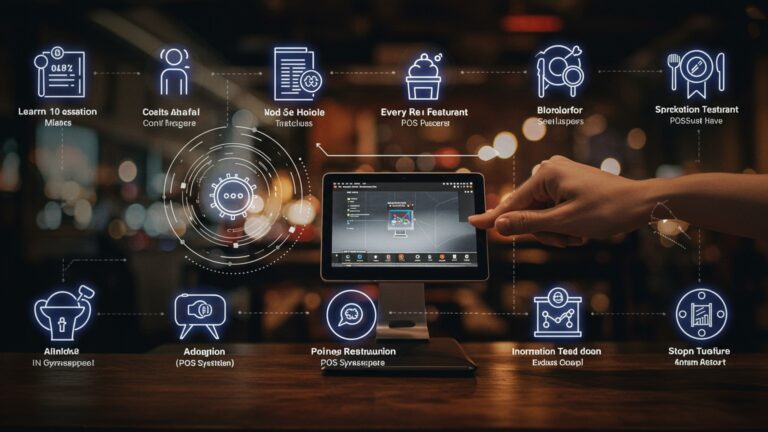
5 Common Mistakes to Avoid When Choosing Restaurant POS Software
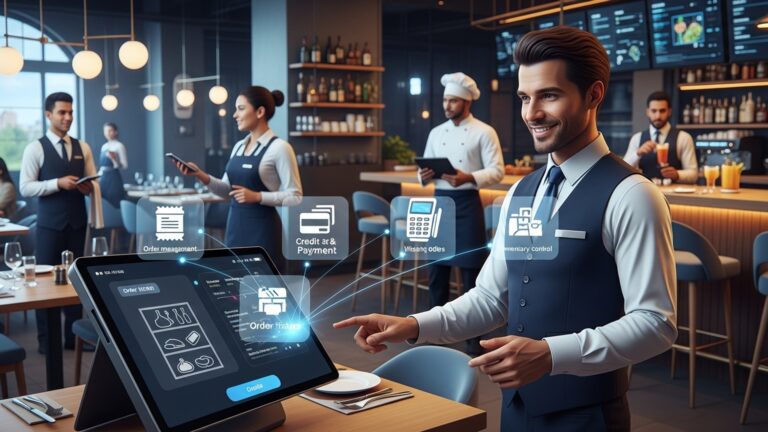
Choosing the right restaurant POS software is a pivotal decision that can significantly impact your business’s efficiency, customer experience. bottom line. With a surge in advanced features like online ordering integration, real-time inventory tracking. contactless payment options becoming industry standards, it’s easy to overlook critical factors that ensure a solution aligns with your operational needs. For instance, failing to evaluate scalability could lead to costly upgrades as your restaurant grows, while neglecting compatibility with existing hardware might result in unnecessary expenses. Recent innovations, such as AI-powered analytics and personalized loyalty programs, make the stakes even higher when selecting a system that supports modern demands. By understanding the common pitfalls—from prioritizing cost over functionality to underestimating employee training requirements—you can avoid costly missteps and empower your restaurant with a POS system that truly works for you. Proper foresight ensures your technology investment drives long-term success and adapts with industry evolution.

Failing to Identify Your Restaurant’s Needs
- One of the most common mistakes when choosing Restaurant POS software is failing to assess the specific requirements of your restaurant. Different types of dining establishments, such as quick-service, full-service. food trucks, may have vastly different operational needs.
- Quick-service restaurants might prioritize speed and efficiency at the counter, while full-service restaurants may need features like table management and order splitting. A food truck might require mobile capabilities for on-the-go operations.
- Conduct a thorough analysis of your restaurant’s workflow. Consider factors like the size of your team, daily transaction volume, delivery integrations. the need for loyalty program features. Choosing software without understanding these needs can lead to wasted resources and operational inefficiencies.
Ignoring Scalability and Flexibility
- Another significant mistake is overlooking the importance of scalability and flexibility in Restaurant POS software. Many restaurant owners opt for a solution that fits their current needs but fail to account for future growth.
- If your restaurant grows to include additional locations, a larger menu, or expanded delivery options, you’ll need a POS system that can scale with your business. Not all POS systems are built to handle multi-location setups or increased transaction volumes efficiently.
- Ensure the POS software you choose offers features like centralized reporting, multi-location management. integration with third-party tools. This flexibility allows your system to adapt to your evolving business model, saving you from costly upgrades down the line.
Overlooking User-Friendliness
- One of the most overlooked aspects of Restaurant POS software is its user-friendliness. A complicated interface or poorly designed navigation can slow down operations and frustrate employees.
- Servers, cashiers. managers often need to use the system under pressure during busy hours. A system that is difficult to learn or operate can lead to mistakes, delays. reduced customer satisfaction.
- Choose POS software that offers intuitive design, easy onboarding. responsive customer support. Many providers offer demos or trial periods, allowing you to test the software’s usability before committing.
Failing to Prioritize Security and Compliance
- Security is non-negotiable when selecting Restaurant POS software. A common mistake is failing to evaluate the security protocols and compliance measures of a POS system.
- Restaurant POS systems handle sensitive customer data, including payment data. If the system lacks proper encryption, fraud detection, or secure payment processing, it could expose your business to data breaches and legal consequences.
- Ensure the POS software is PCI (Payment Card Industry) compliant and offers features like two-factor authentication, secure cloud storage. regular updates to protect against cybersecurity threats.
Choosing Based Solely on Price
- Many restaurant owners make the mistake of choosing Restaurant POS software based solely on price. While budget constraints are essential, a low-cost system may lack essential features or provide subpar customer support.
- On the other hand, the most expensive option isn’t necessarily the best fit for your restaurant’s needs. Balancing affordability with functionality is key.
- Instead of focusing solely on price, evaluate the software’s value proposition. Does it offer the features you need? Is the customer service responsive? Are there hidden costs, such as fees for integrations or updates? A well-rounded assessment will help you avoid costly surprises.
Conclusion
Choosing the right restaurant POS software is a decision that can define the efficiency and growth of your business. By avoiding common mistakes, such as neglecting scalability, overlooking ease of use, or failing to integrate critical features, you set your restaurant up for long-term success. It’s vital to remember that selecting a POS system isn’t just about ticking boxes; it’s about understanding how the software aligns with your operations. For example, if your restaurant deals with high-volume orders, a system that offers seamless integration with a kitchen display system can help bridge communication gaps and speed up service. In today’s fast-evolving restaurant industry, keeping up with trends like cloud-based solutions or contactless payment options can make your business more competitive and customer-focused. From personal experience, I’ve found that testing a demo version with your team and gathering feedback can uncover potential usability or integration issues early on. This proactive approach can prevent costly mistakes down the line and ensure the software you choose becomes an invaluable part of your operations. Transform the process of choosing a POS system from a daunting task into a strategic move by staying informed, exploring your options. prioritizing future scalability. Remember, the right system doesn’t just support your business; it empowers it.
More Articles
7 Common Mistakes to Avoid When Choosing Restaurant POS Software
How to Set Up a POS Software with Kitchen Display System for Better Efficiency
How to Choose the Right Restaurant POS with Table Management Features
10 Ways Restaurant Software Can Transform Daily Operations for Chennai Restaurants

FAQs
Why is it a mistake to skip testing the POS system first?
Skipping a trial or demo means you might miss crucial issues or features that don’t align with your restaurant’s operations, leading to frustration later.
What’s the risk of going for the cheapest option available?
Cheaper systems often lack essential features, scalability, or proper support, which can limit your business growth and create operational headaches.
How can ignoring integrations affect my restaurant business?
If the POS doesn’t integrate with your accounting, inventory, or delivery platforms, it can create extra manual work and errors, slowing down processes.
Is it okay to choose a POS system without checking customer support quality?
No, poor customer support can leave you stranded during technical issues, which can disrupt restaurant operations and hurt your sales.
Why is overlooking scalability a bad idea?
If the system can’t grow with your restaurant, you’ll likely have to replace it as your business expands, leading to extra costs and downtime.
What happens if you don’t consider user-friendliness in a POS system?
A complicated system can frustrate your staff, slow down service. lead to training difficulties, hurting your efficiency overall.
Are hidden fees common in POS systems?
Yes, some providers include hidden costs for advanced features, transactions, or updates. Be sure to read the fine print to avoid surprises.