The day close report: fifteen minutes that decide whether yesterday is a fact
A day close report locks yesterday so it cannot be edited. Here is what to check, in what order, and why a shop that closes properly never reconstructs a month.
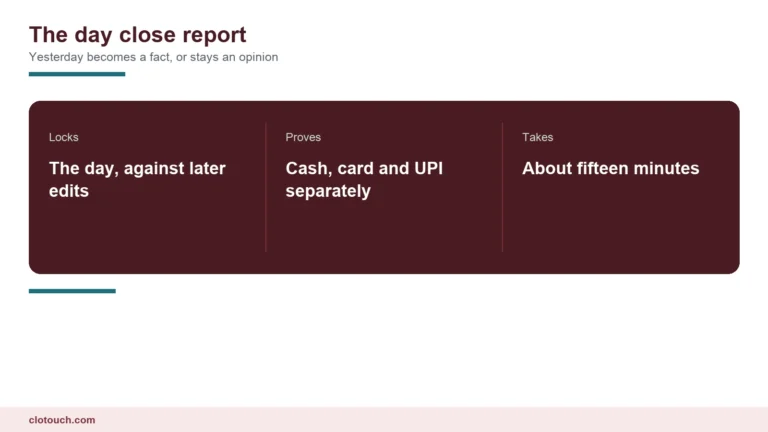
A day close report locks yesterday so it cannot be edited. Here is what to check, in what order, and why a shop that closes properly never reconstructs a month.
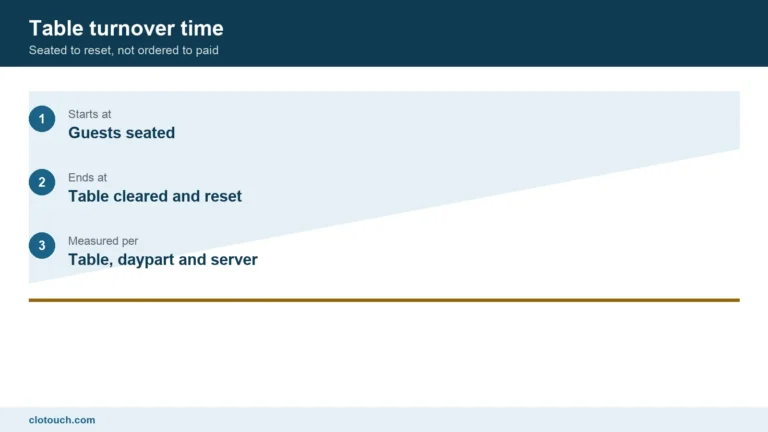
Table turnover time is seat minutes you already record. Here is how to measure it from POS timestamps, where the minutes actually go, and which fixes pay back fastest.
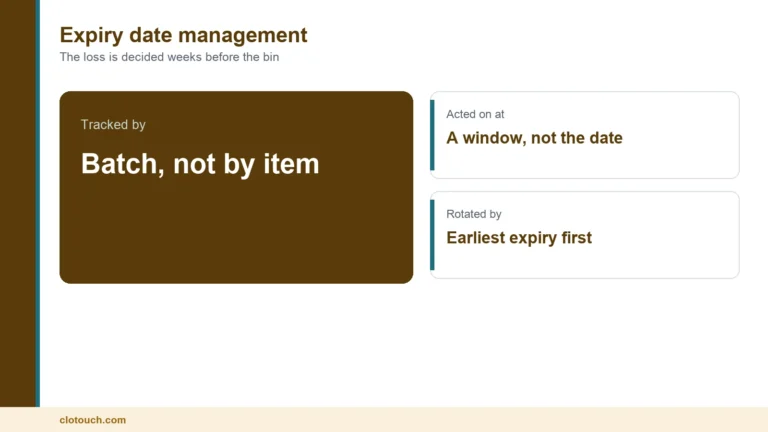
Expiry date management means batches, a near-expiry window and a rotation rule staff actually follow. Here is how to set it up so losses are found early, not at the bin.
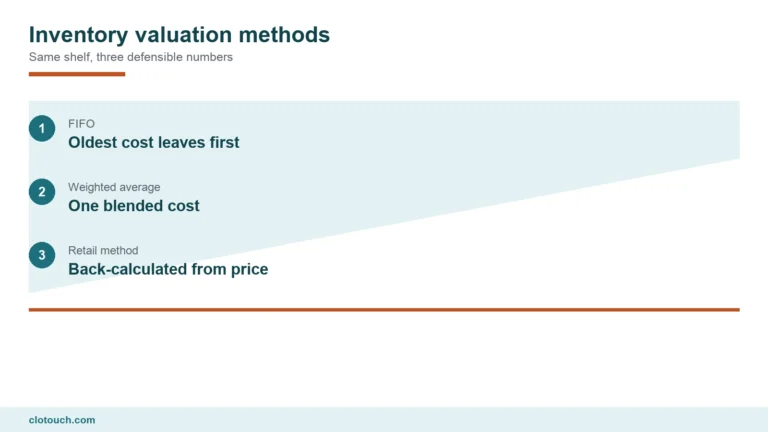
Inventory valuation methods decide what your stock is worth and what your margin looks like. Here is FIFO, weighted average and the retail method, with when each fits.
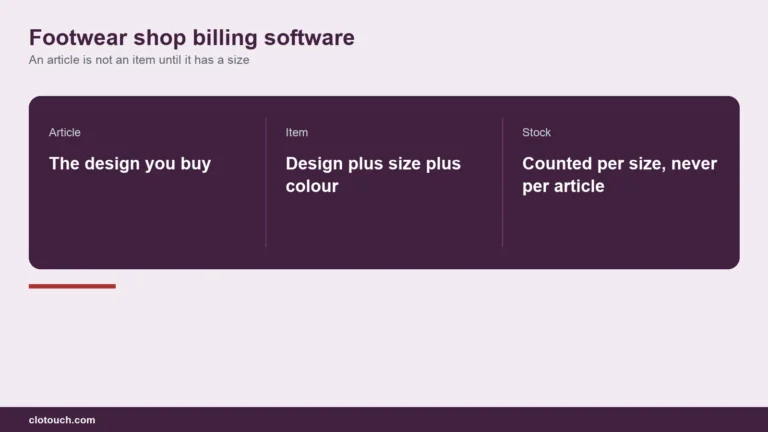
Footwear shop billing software lives or dies on the size matrix. Here is how to set up articles, sizes and colours so stock is real and reordering is not a guess.
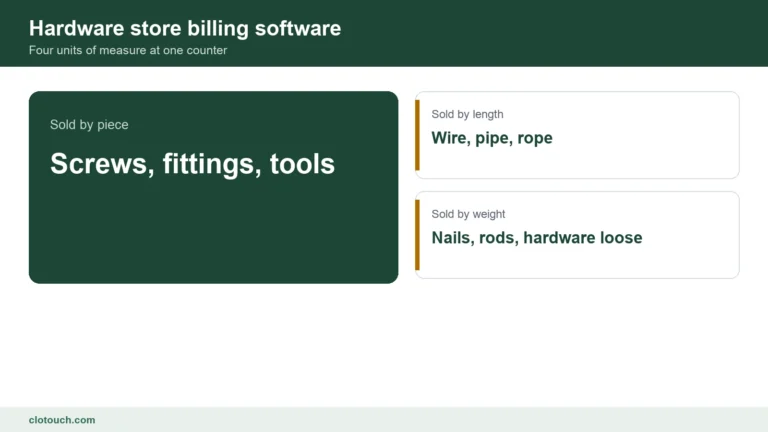
Hardware store billing software has to handle metres, kilos, pieces and a catalogue of twenty thousand small parts. Here is how to build the item master so it works.
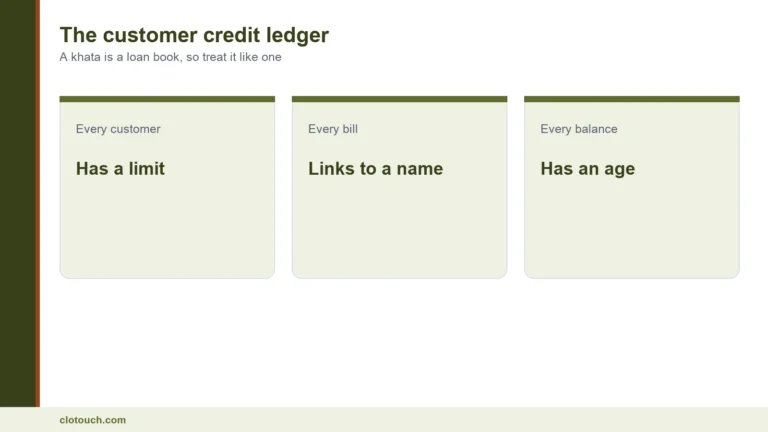
A customer credit ledger is a loan book. Here is how to set limits, record part payments, age the balances and collect without the awkward conversation at the counter.
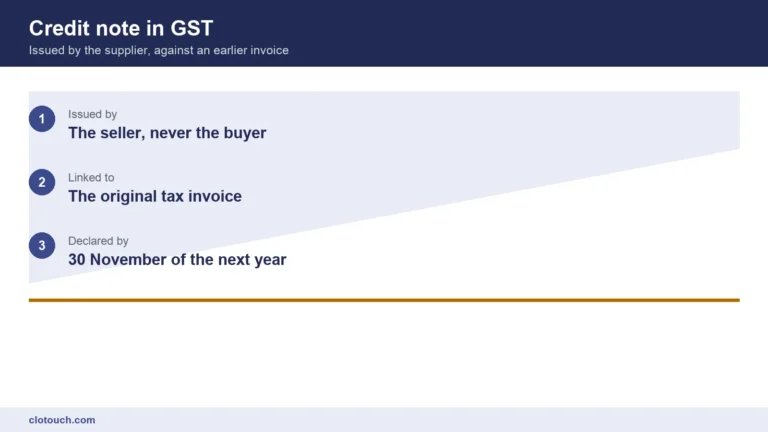
A credit note in GST is not a refund slip. Here is when to issue one, what it must carry, the 30 November deadline, and how the counter should record a return.
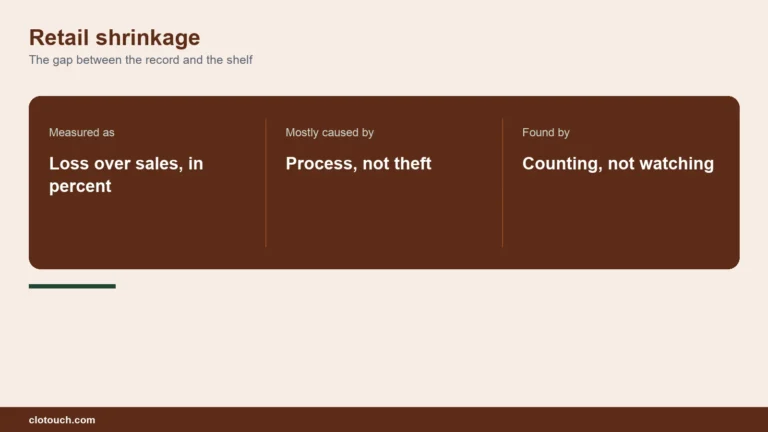
Retail shrinkage is mostly paperwork, not theft. Here are the six places stock actually goes missing, how to measure the rate, and what to fix in which order.
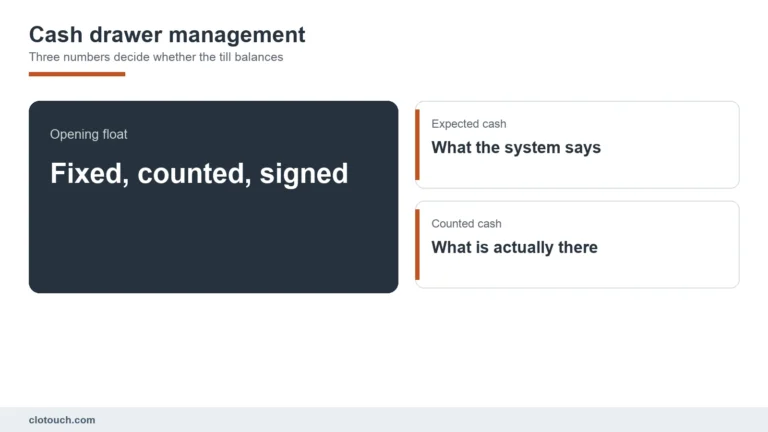
Cash drawer management is a float, a blind count and a short list of rules. Here is how to set it up so the till balances and a difference points somewhere useful.